Salinity tolerance, hyposaline stress recovery, and survival of the nemertean worm, Carcinonemertes carcinophila (Nemertea) in relation to its host, the Atlantic blue crab, Callinectes sapidus
Alexandria K. Pomroy, Alexandra K. Schneider, Jeffrey D. Shields, Guillaume Marchessaux, Guillaume Marchessaux, Guillaume Marchessaux

TL;DR
This study explores how a nemertean worm survives in different salinity levels and how it relates to its host, the Atlantic blue crab.
Contribution
The study reveals the nemertean worm's wide salinity tolerance and its ability to withstand hyposaline stress.
Findings
Carcinonemertes carcinophila survives best in salinities of 20–30 psu.
The worm can acclimate to mesohaline conditions as low as 10 psu.
It can withstand oligohaline stress (5 psu) for up to 39 hours.
Abstract
Carcinonemertes carcinophila is a nemertean worm from a family of marine symbionts specialized in eating the eggs of decapod crustaceans. This species infests the Atlantic blue crab, Callinectes sapidus, a native to the Western Atlantic and Gulf of Mexico waters. Its host, the mature female blue crab, is euryhaline, migrating from low to high salinity waters during its adult life, rather than being exclusively marine. Unlike C. carcinophila, most species of marine nemerteans are stenohaline, living exclusively in high salinity waters. The salinity tolerance of C. carcinophila has not been well examined. This study used field-collected frequency data to assess the infestation intensity of nemerteans in relation to salinity regimes, and microcosm experiments to investigate the salinity tolerance and survival of C. carcinophila under hyposaline stress. These investigations also provide…
Genes, proteins, chemicals, diseases, species, mutations and cell lines named across the full text — each resolved to its canonical identifier and authoritative record.
Click any figure to enlarge with its caption.
 Figure 1
 Figure 2
 Figure 3
 Figure 4
 Figure 5
 Figure 6
 Figure 7
 Figure 8
 Figure 9
 Figure 10
 Figure 11
 Figure 12
 Figure 13
 Figure 14
 Figure 15
 Figure 16
 Figure 17
 Figure 18
 Figure 19
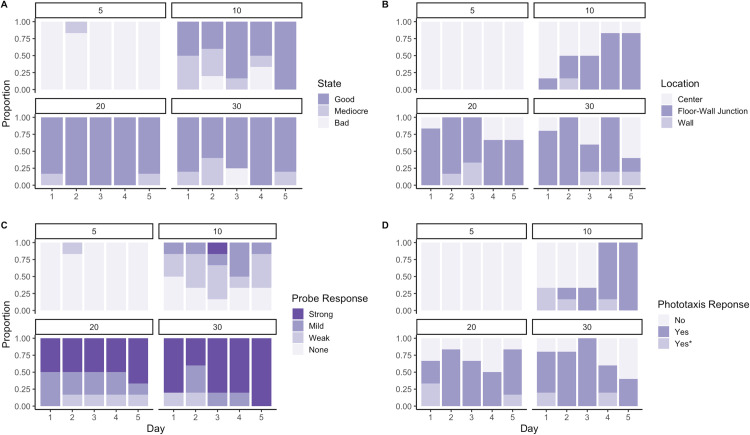 Figure 20
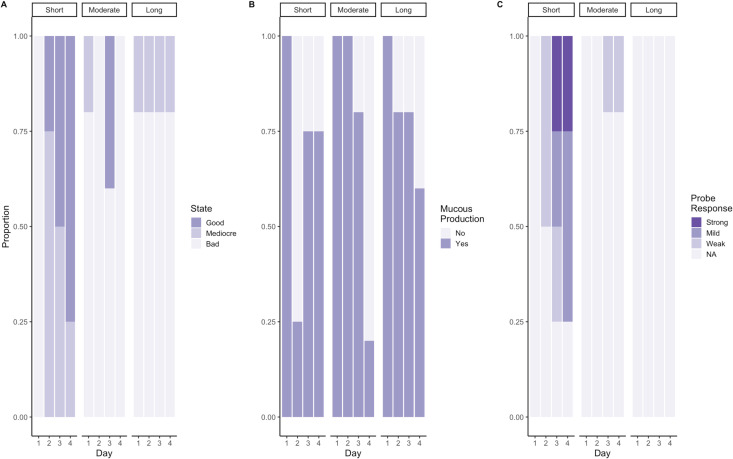 Figure 21
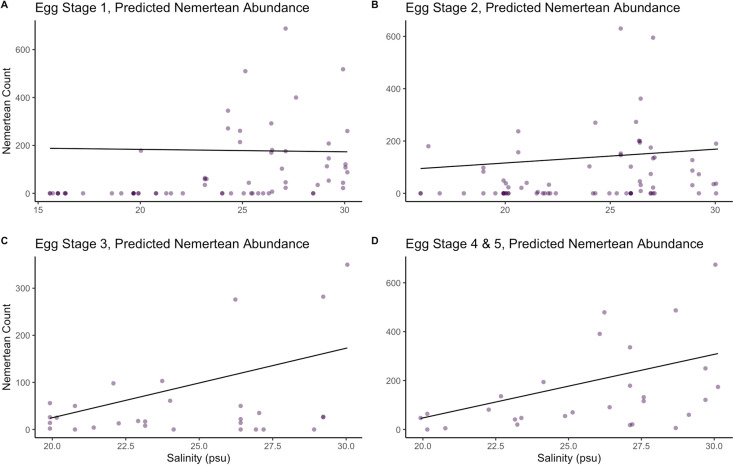 Figure 22
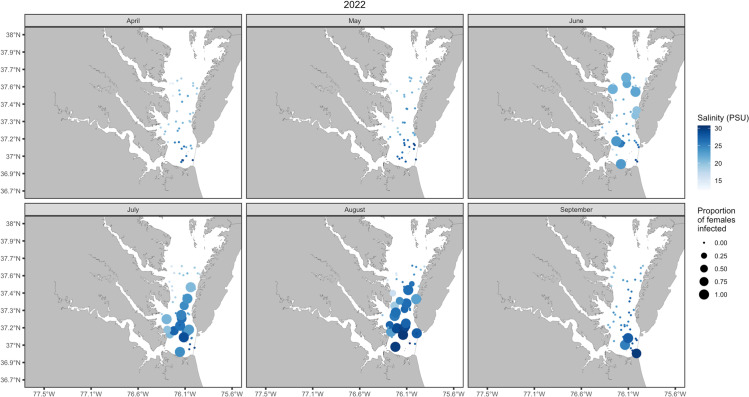 Figure 23
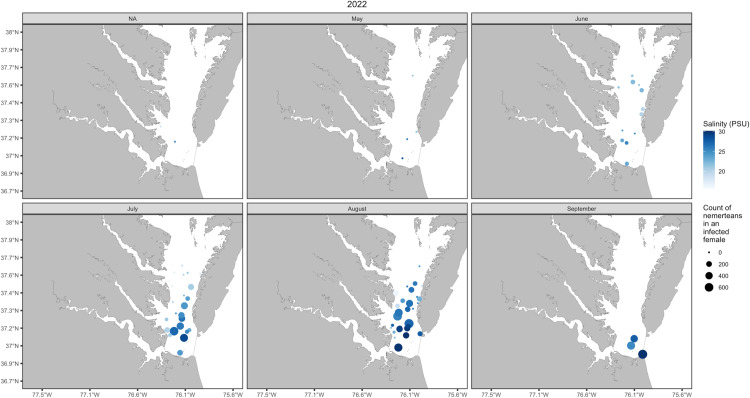 Figure 24
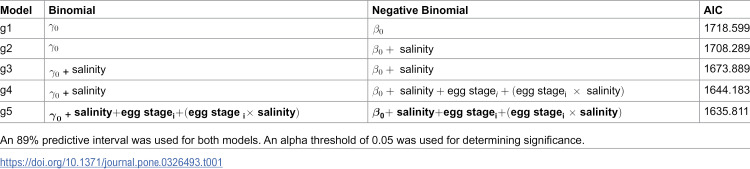 Figure 25
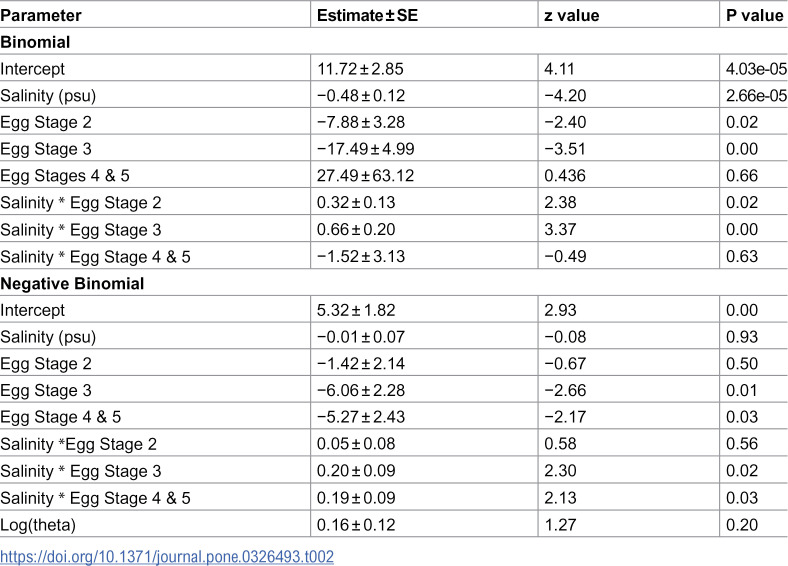 Figure 26
Peer Reviews
No public reviews on file for this paper yet. If you reviewed it on a platform where reviews are public (OpenReview, ICLR, NeurIPS, ICML), you can paste yours below so the community can read it here.
Videos
No videos yet. Explain this paper in a talk, walkthrough, or lecture? Add one.
Taxonomy
TopicsCrustacean biology and ecology · Marine Biology and Ecology Research · Marine Bivalve and Aquaculture Studies