Transcriptomic and metabolomic profiling of the potato plant response to zebra chip disease
Margaret A. Carpenter, Tonya J. Frew, Helen L. Boldingh, Simona Nardozza, Martin L. Shaw, Susan J. Thomson, Rebecca D. Cooper, Gail M. Timmerman-Vaughan

TL;DR
This study investigates how potato plants respond to zebra chip disease using transcriptomic and metabolomic methods, revealing significant changes in tuber metabolism and nutritional content.
Contribution
The study provides new insights into the molecular and metabolic reprogramming of potato tubers caused by zebra chip disease.
Findings
Disease effects are most severe in tubers, with disrupted starch synthesis and increased glucose and fructose.
The phenylpropanoid pathway is more active in diseased tubers, leading to increased production of phenolic compounds.
Diseased tubers show reduced ascorbic acid and increased toxic glycoalkaloids, affecting nutritional value.
Abstract
Zebra chip disease of potato is caused by a bacterial pathogen, ‘Candidatus Liberibacter solanacearum’, vectored by the tomato potato psyllid (Bactericera cockerelli Sulc.). The plant response to the disease was explored using a combined transcriptomic and metabolomic approach. The effects of the disease were greater in tuber than in leaf or stem tissues, and represent a massive reprogramming of the tuber metabolism, with expression changes observed for many genes. In the tuber, starch synthesis was severely disrupted, with reduced expression of most starch synthesis genes, but increased expression of the gene encoding vacuolar invertase. This was consistent with increased glucose and fructose and reduced starch in the tuber, which are the hallmarks of the disease and the causes of the symptoms problematic to the potato industry. The phenylpropanoid pathway was more active in diseased…
Genes, proteins, chemicals, diseases, species, mutations and cell lines named across the full text — each resolved to its canonical identifier and authoritative record.
Click any figure to enlarge with its caption.
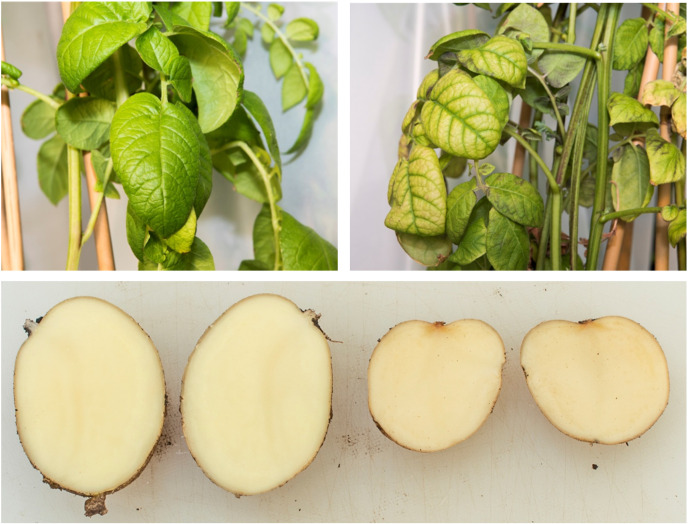 Figure 1
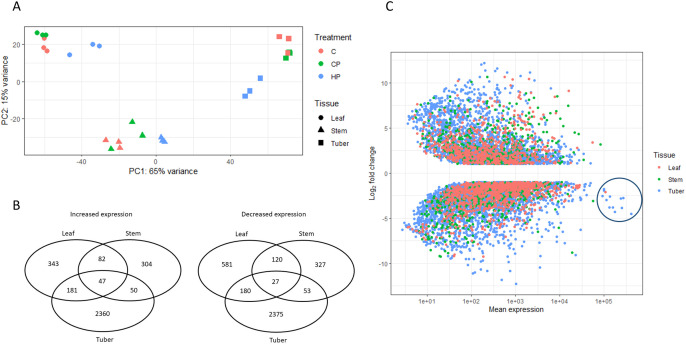 Figure 2
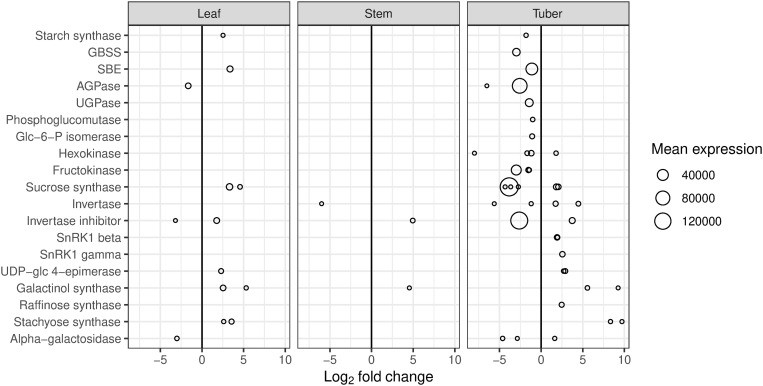 Figure 3
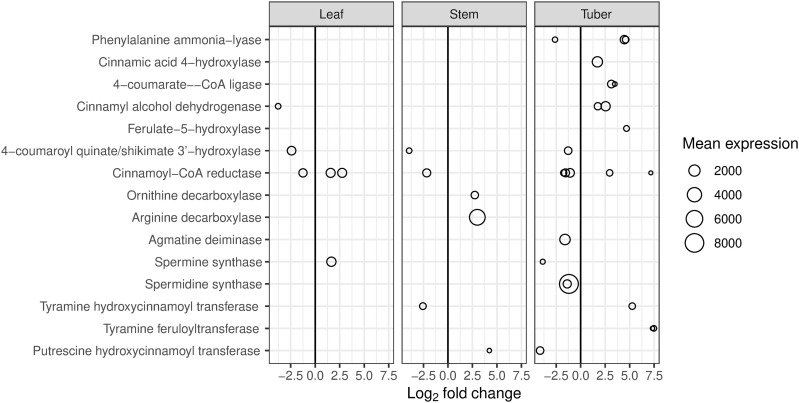 Figure 4
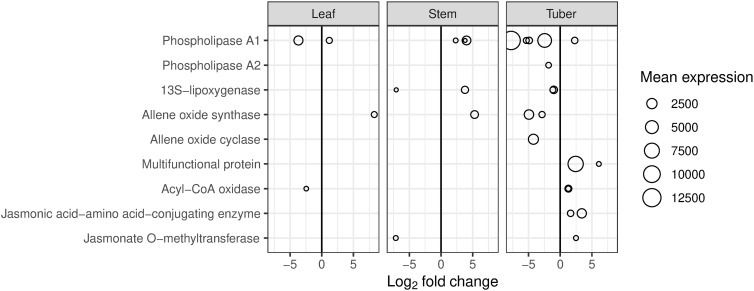 Figure 5
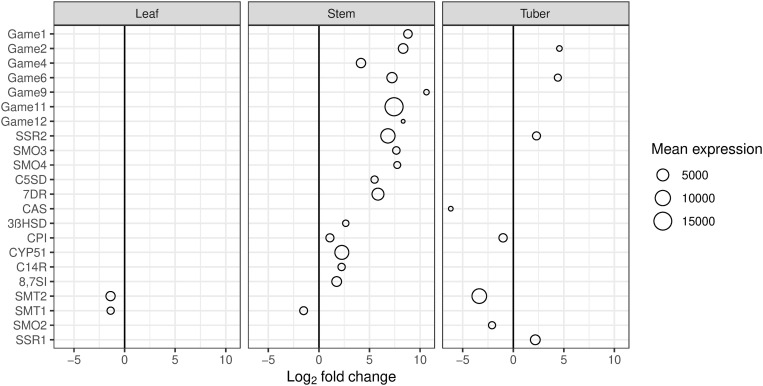 Figure 6
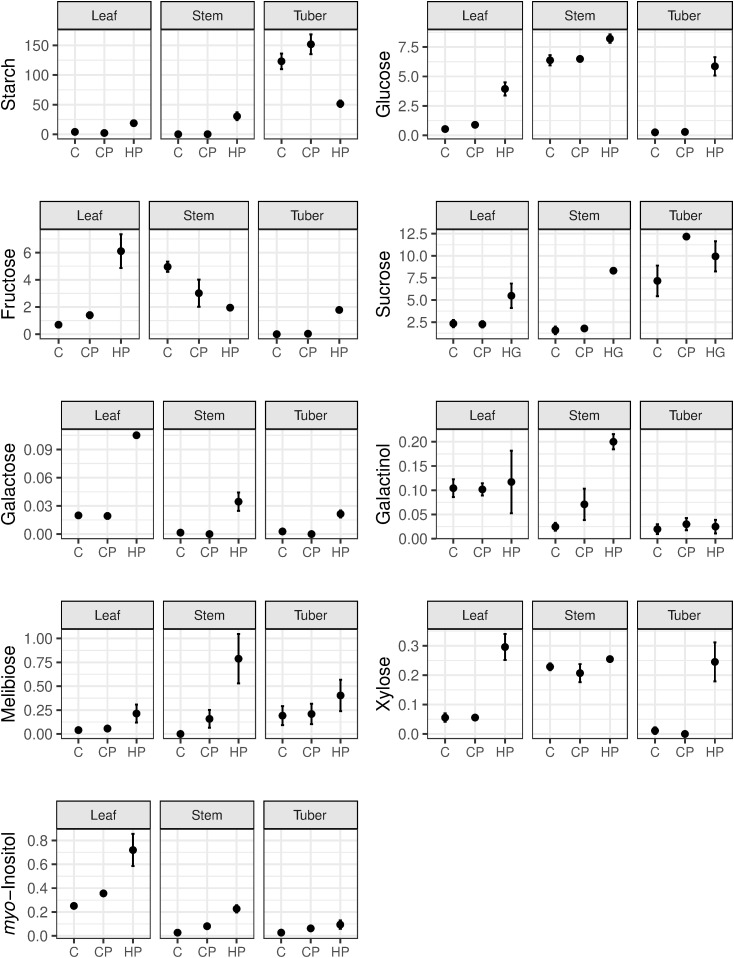 Figure 7
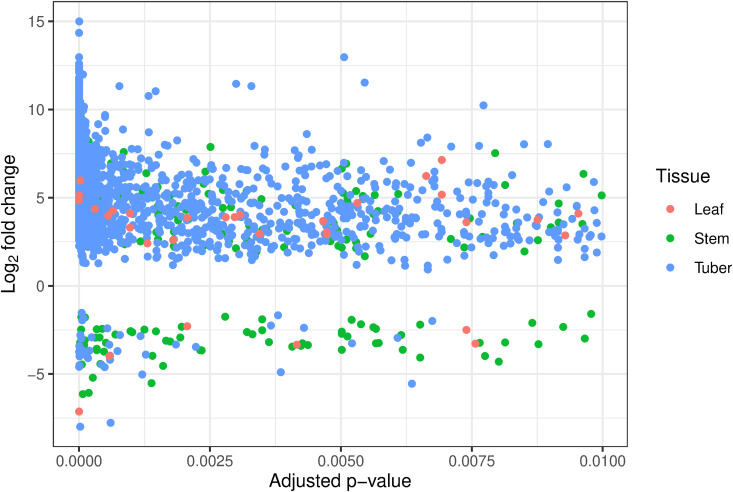 Figure 8
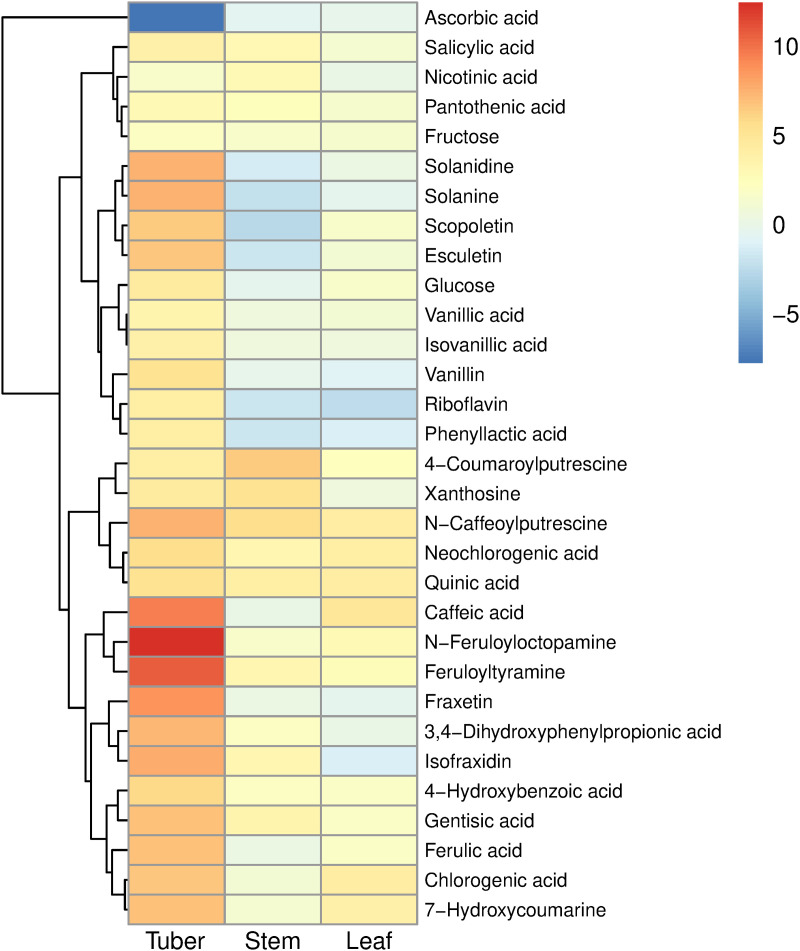 Figure 9
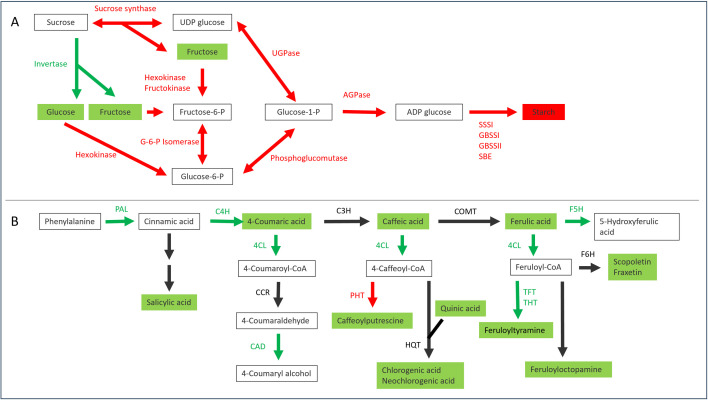 Figure 10
 Figure 11
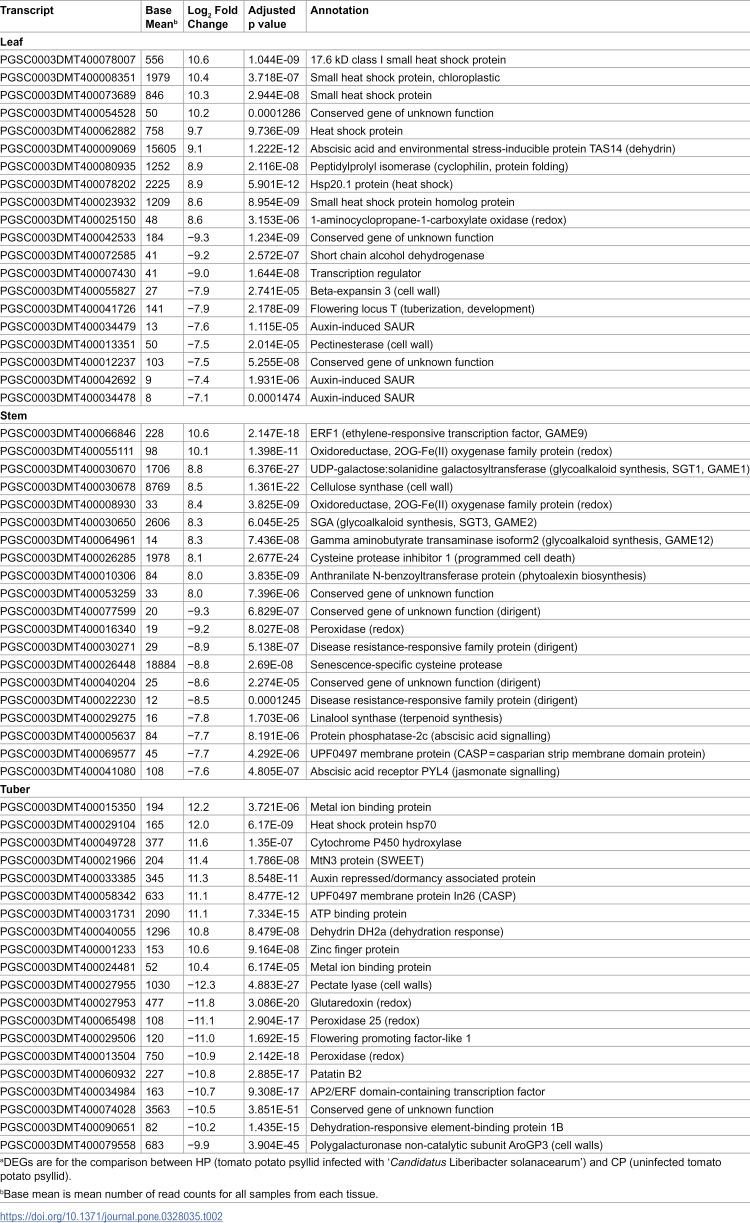 Figure 12
Peer Reviews
No public reviews on file for this paper yet. If you reviewed it on a platform where reviews are public (OpenReview, ICLR, NeurIPS, ICML), you can paste yours below so the community can read it here.
Videos
No videos yet. Explain this paper in a talk, walkthrough, or lecture? Add one.
Taxonomy
TopicsPlant Pathogens and Resistance · Plant Disease Resistance and Genetics · Plant Pathogens and Fungal Diseases