Pain-stimulated ultrasound vocalizations and their impact on pain response in mice
Satoka Kasai, Saki Ukai, Junpei Kuroda, Tsugumi Yamauchi, Daisuke Yamada, Akiyoshi Saitoh, Satoshi Iriyama, Masashi Suzuki, Kazuki Arita, Yoshio Nakano, Satoru Miyazaki, Kazumi Yoshizawa, Santosh Kumar Mishra, Santosh Kumar Mishra, Santosh Kumar Mishra

TL;DR
This study shows that pain-related ultrasound vocalizations in mice can cause stress-induced inflammation and worsen pain responses.
Contribution
The study identifies a novel link between pain-induced ultrasound vocalizations, psychological stress, and inflammatory pain mechanisms in mice.
Findings
Exposure to pain-related ultrasound vocalizations in mice led to decreased tactile thresholds and increased inflammation-related gene expression.
Inhibitors of inflammation-related genes reduced sound stress-induced hyperalgesia in mice.
Sound stress prolonged inflammatory pain and reduced the effectiveness of analgesic drugs in a mouse model.
Abstract
Pain is a complex phenomenon encompassing both the physiological and psychological aspects of sensation and emotion, respectively. In recent years, pain has been clarified to arise even without direct injury, with emotional transmission as a cause. However, the specific mechanisms behind emotional transmission are still not well understood. In this study, sounds in the ultrasonic domain that were recorded during pain stimulation in mice were used as sound stress to examine the effects of psychological stress caused by exposure to ultrasound on tactile thresholds. We also examined the effects of psychological stress caused by the ultrasound on an inflammatory pain model of mice. The tactile threshold decreased the next and three days after sound stress exposure in mice. DNA microarray analysis of the mouse thalamus exposed to sound stress revealed increased expression of…
Genes, proteins, chemicals, diseases, species, mutations and cell lines named across the full text — each resolved to its canonical identifier and authoritative record.
Click any figure to enlarge with its caption.
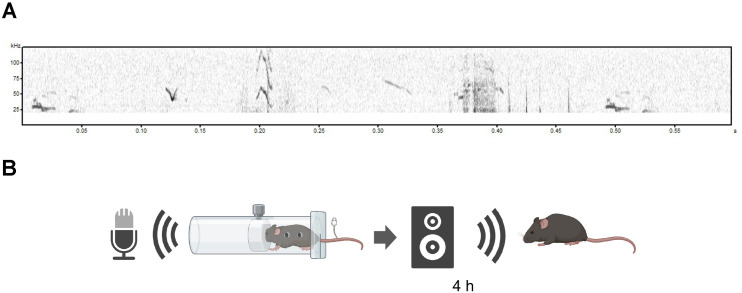 Figure 1
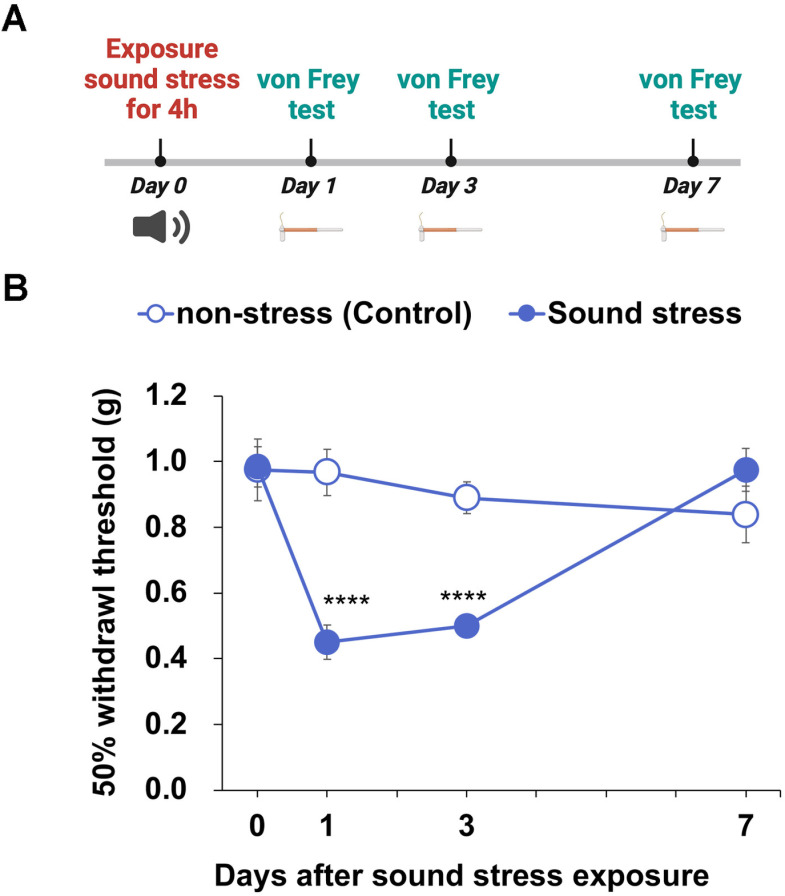 Figure 2
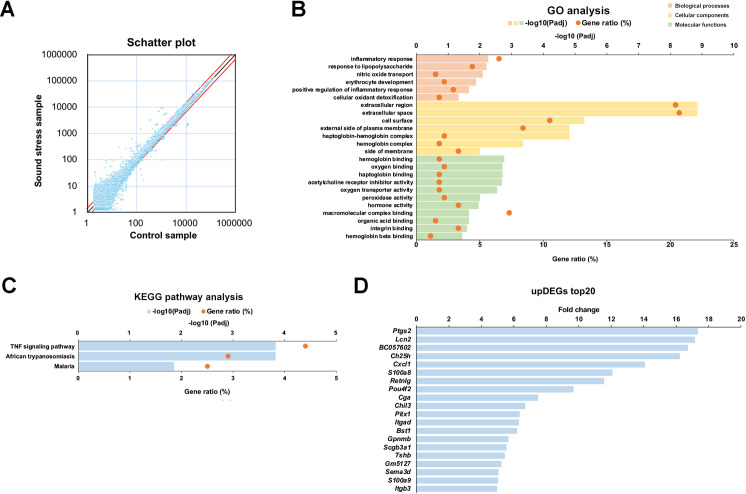 Figure 3
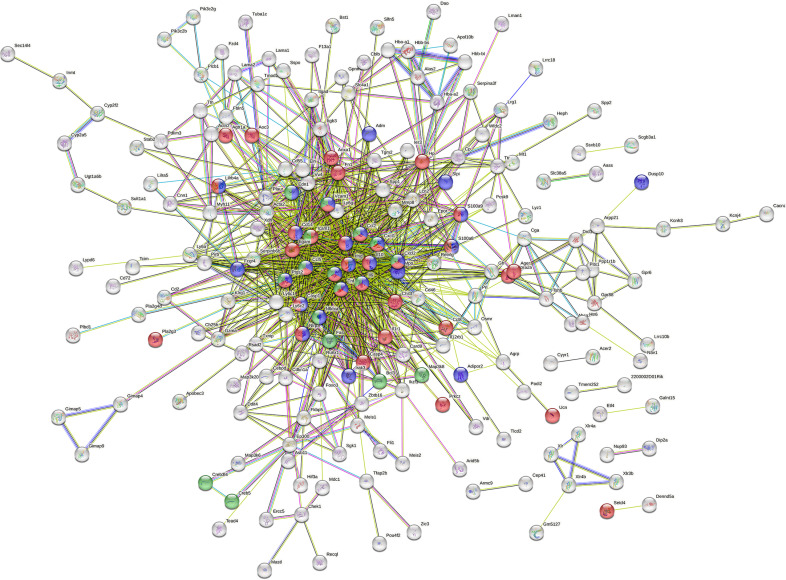 Figure 4
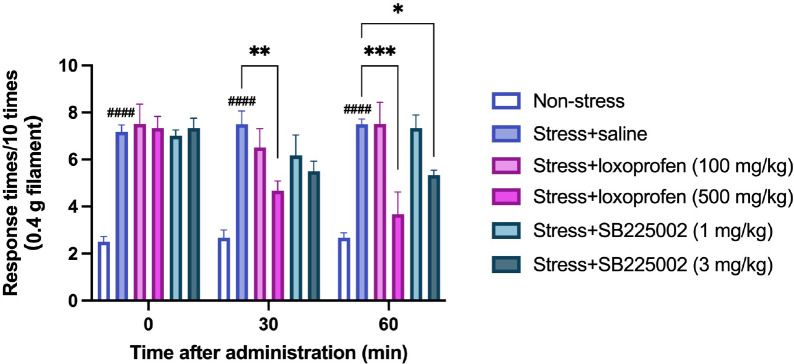 Figure 5
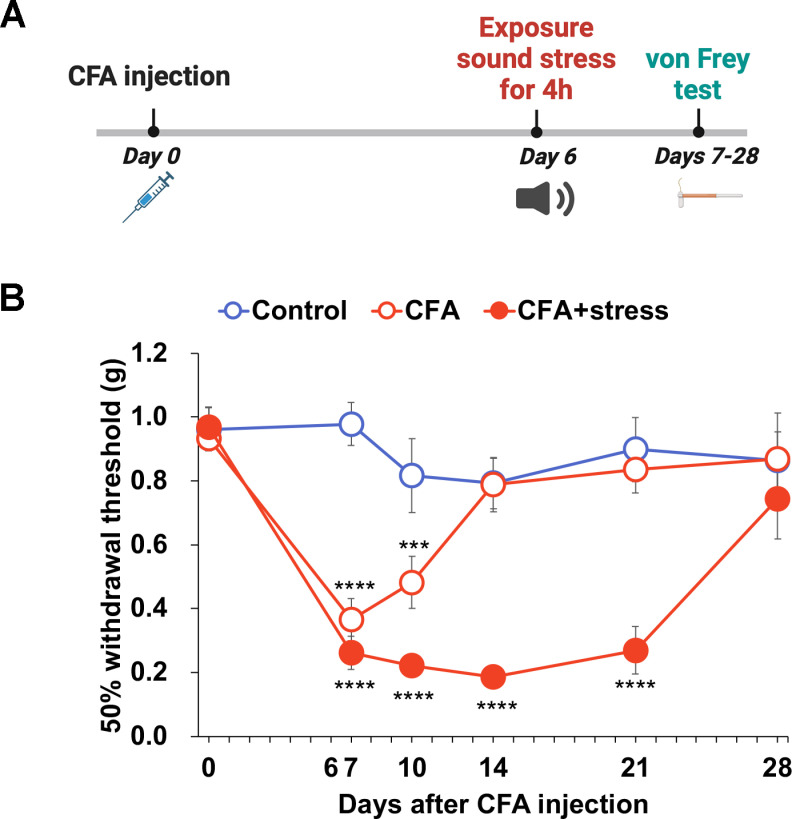 Figure 6
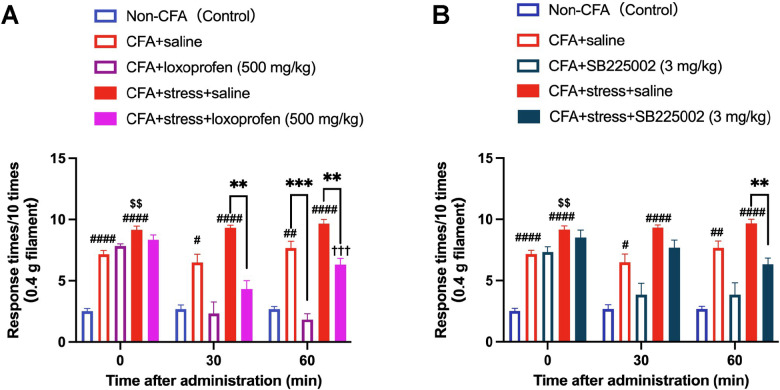 Figure 7
Peer Reviews
No public reviews on file for this paper yet. If you reviewed it on a platform where reviews are public (OpenReview, ICLR, NeurIPS, ICML), you can paste yours below so the community can read it here.
Videos
No videos yet. Explain this paper in a talk, walkthrough, or lecture? Add one.
Taxonomy
TopicsNeuroendocrine regulation and behavior · Stress Responses and Cortisol · Infant Health and Development