Clinical and Autoimmune Profiles of Omani Patients with True Versus False Positive Autoimmune Encephalitis Antibodies Panels
Ahmed Al-Qassabi, Haifa Al-Abri, Mahmood Al Kindi, Abdullah Al-Asmi, Jalila AlShekaili, Said Al Farsi, Rawan Al Hinai, Ikram Al Lawati, Arunodaya R. Gujjar

TL;DR
This study compares clinical features of Omani patients with true versus false positive autoimmune encephalitis antibodies to identify distinguishing characteristics.
Contribution
The study identifies subacute memory disturbance as a significant predictor of true autoimmune encephalitis in Omani patients.
Findings
True-positive AE patients were more likely to have subacute memory disturbances, seizures, abnormal EEGs, and limbic MRI signals.
Subacute memory disturbance was a significant predictor for true positivity (OR = 17.807).
Anti-NMDAR encephalitis was the most frequent AE type in the cohort.
Abstract
This study aimed to explore the clinical profiles of Omani patients with true-positive autoimmune encephalitis (AE) autoantibodies and compare them with those having false-positive autoantibodies. The incidence of AE is rising due to growing awareness and the detection of new autoantibodies. Coinciding with this rise are false positive autoantibodies without clinical correlates. The medical records of all patients who tested positive for AE antibodies in Sultan Qaboos University Hospital, Muscat, Oman, from May 2016 to December 2022 were reviewed. Cases were verified by three neurologists based on the existing criteria for AE. The participants comprised 67 patients, 19 (28%) of whom met the criteria for AE. True-positive AE patients had a mean age of 35.3 ± 4.7 years (P = 0.010) and were more likely to present with subacute memory disturbances (6/19; 32%; P = 0.030), seizures (12;…
Genes, proteins, chemicals, diseases, species, mutations and cell lines named across the full text — each resolved to its canonical identifier and authoritative record.
Click any figure to enlarge with its caption.
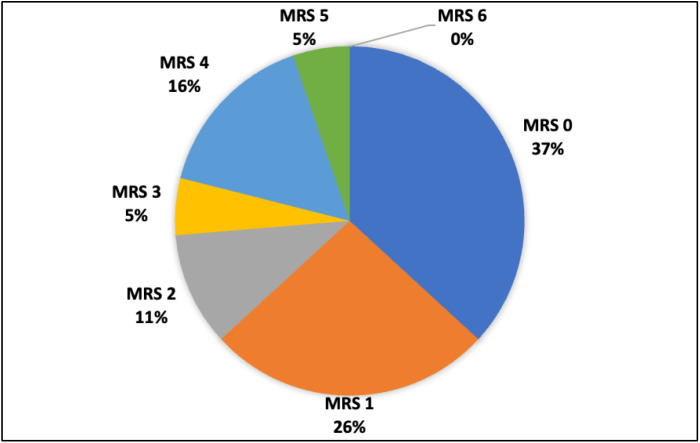 Figure 1
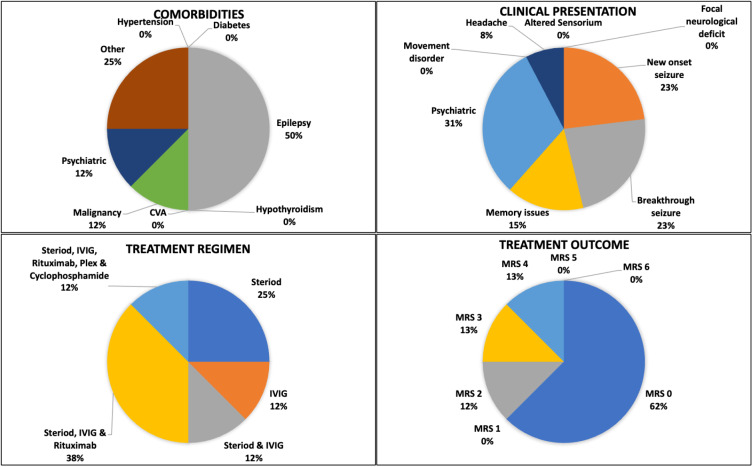 Figure 2
Peer Reviews
No public reviews on file for this paper yet. If you reviewed it on a platform where reviews are public (OpenReview, ICLR, NeurIPS, ICML), you can paste yours below so the community can read it here.
Videos
No videos yet. Explain this paper in a talk, walkthrough, or lecture? Add one.
Taxonomy
TopicsAutoimmune Neurological Disorders and Treatments · Peripheral Neuropathies and Disorders · Cytomegalovirus and herpesvirus research