The subfamily Attageninae (Coleoptera, Dermestidae) from Saudi Arabia

Abstract
Genes, proteins, chemicals, diseases, species, mutations and cell lines named across the full text — each resolved to its canonical identifier and authoritative record.
Click any figure to enlarge with its caption.
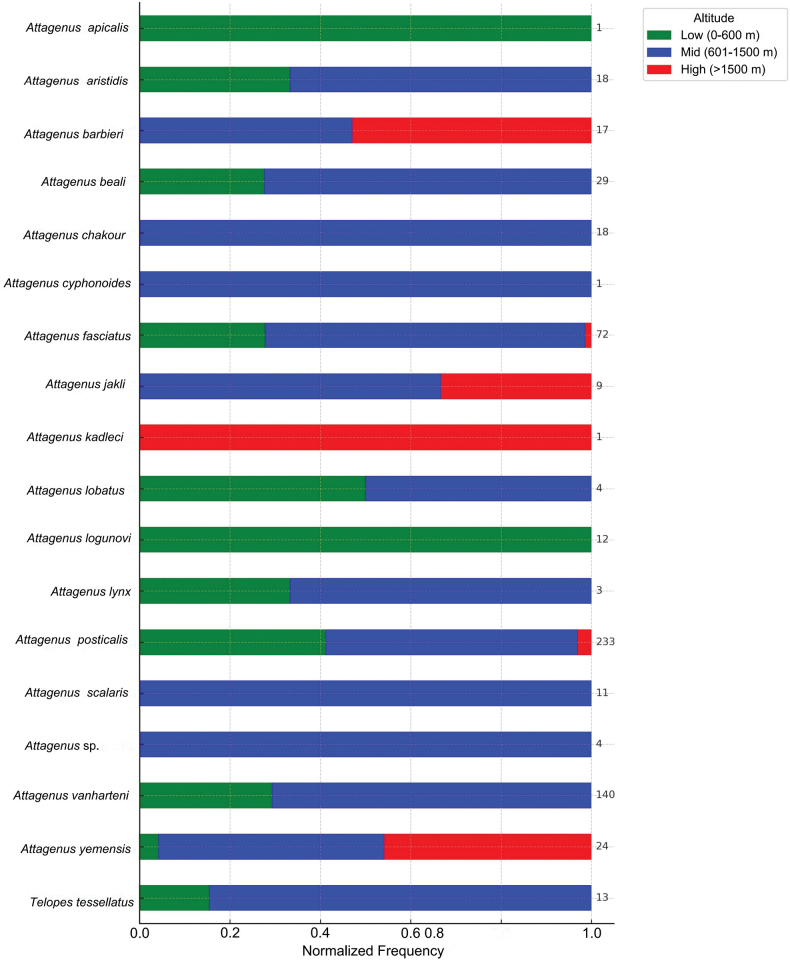 Figure 1
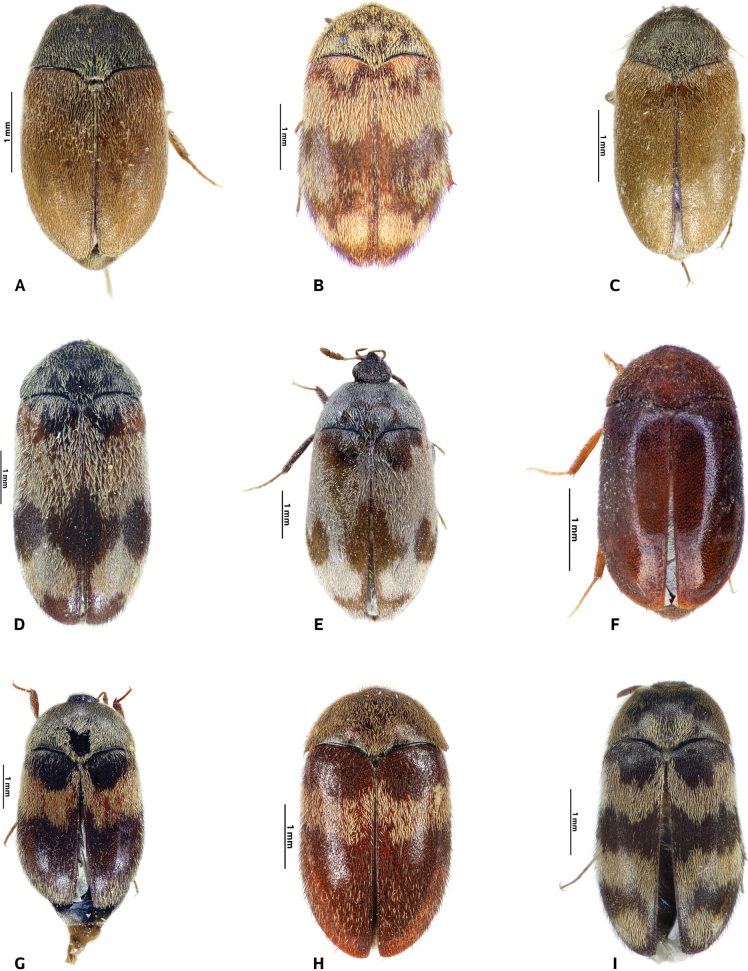 Figure 2
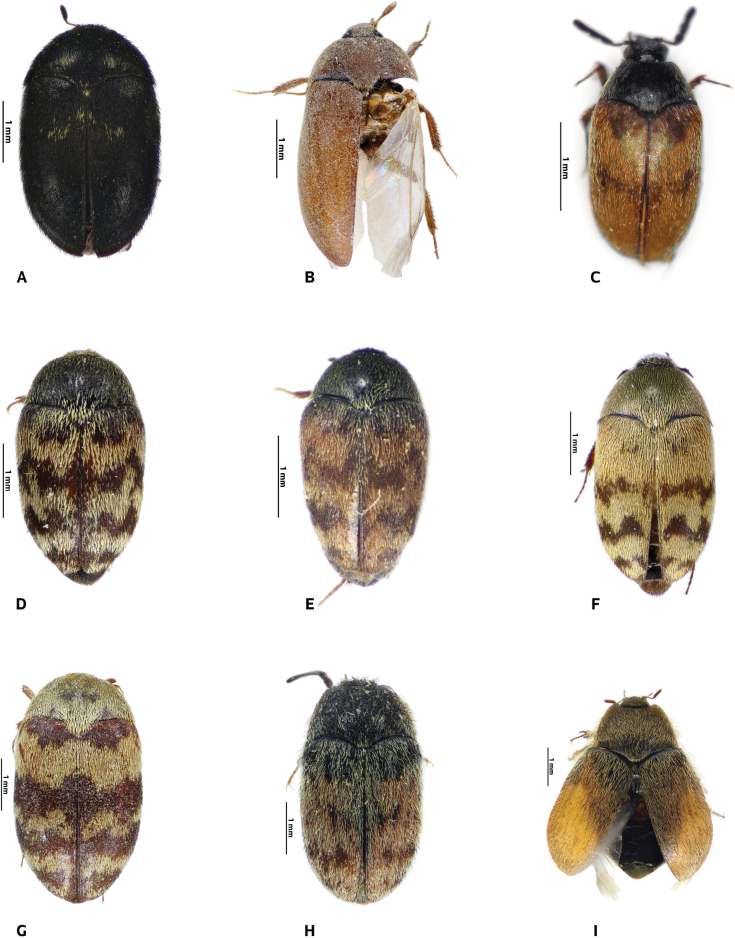 Figure 3
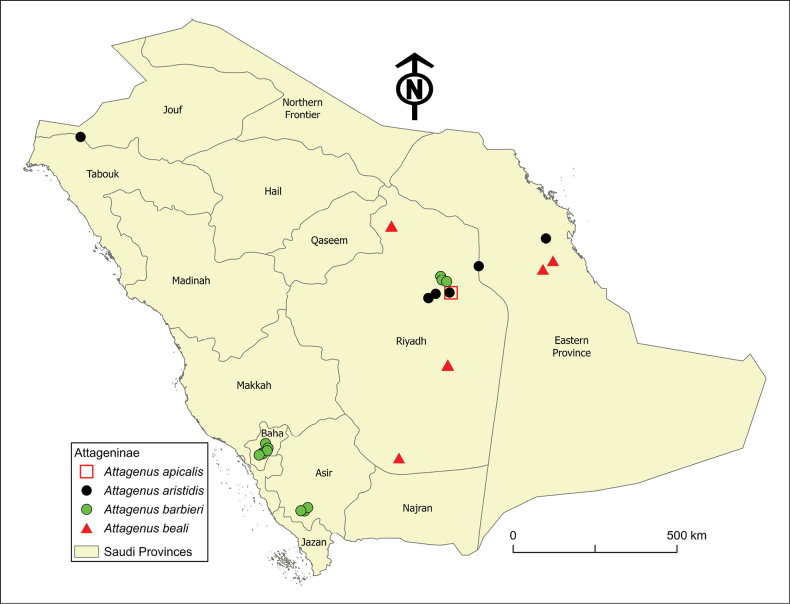 Figure 4
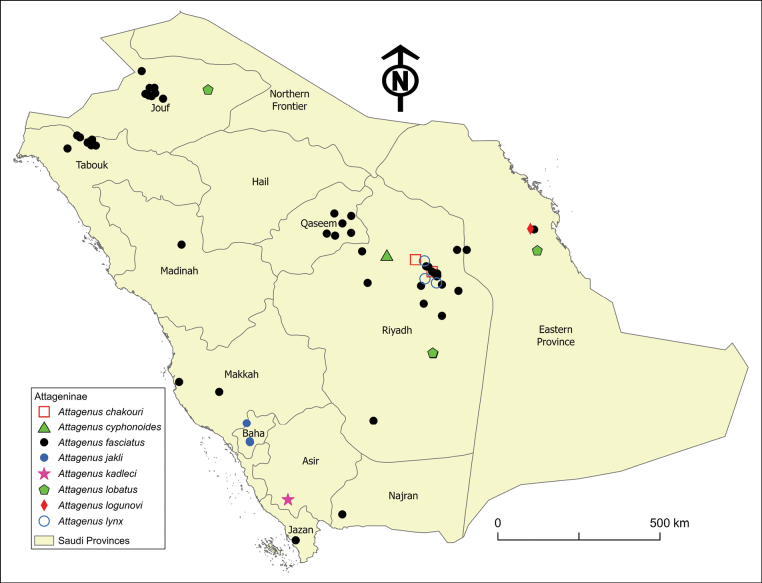 Figure 5
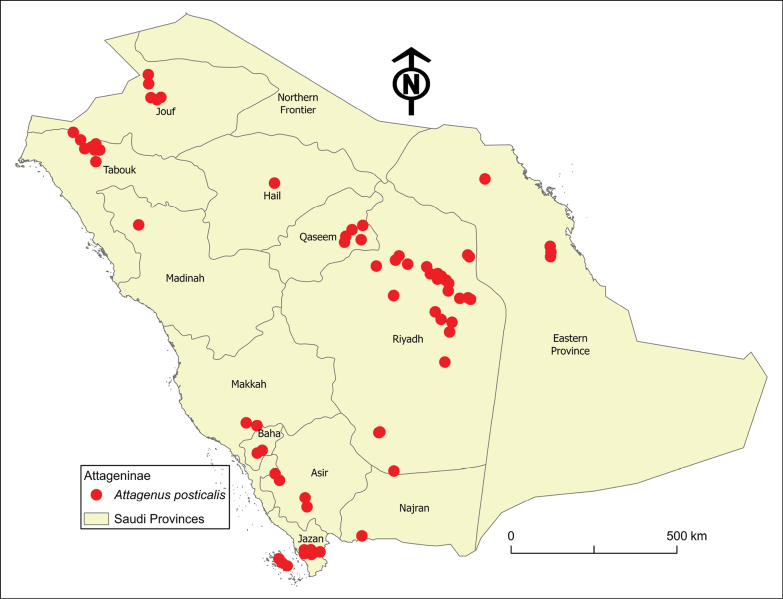 Figure 6
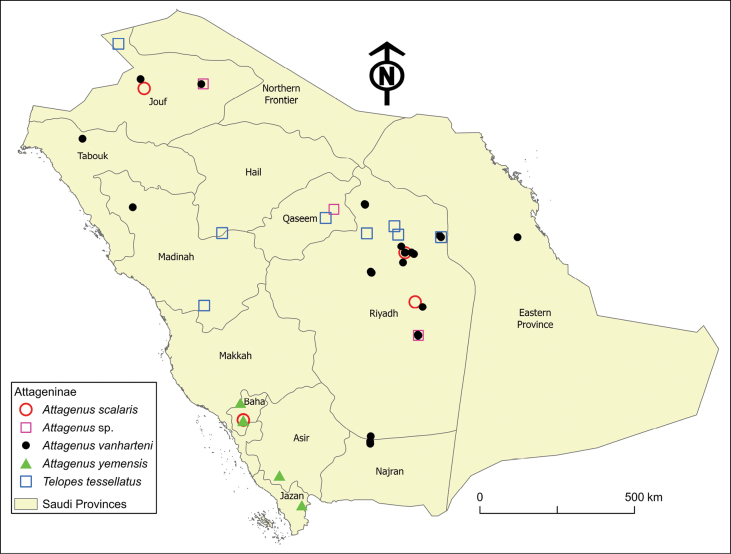 Figure 7
| Species | Saudi Arabia | Continental Saudi Arabia |
|---|---|---|
| Farasan Archipelago | ||
| *? | ||
| * | ||
| ONC | ||
| NR | ||
| * | ||
| * | ||
| * | ||
| X | ||
| * | ||
| X | ||
| X | ||
| NR | ||
| NR | ||
| * | ||
| * | ||
| *? | ||
| * | ||
| * | * | |
| * | ||
| * | ||
| NR | ||
| NR | ||
| X | ||
| X | ||
| NR |
| Species | Kuwait | Oman | Qatar | Saudi Arabia | Yemen | United Arab Emirates | ||
|---|---|---|---|---|---|---|---|---|
| Continent | Farasan Archipelago | Continent | Socotra Island | |||||
| *? | ||||||||
| * | * | * | ||||||
| *? | * | |||||||
| * | ||||||||
| * | * | * | ||||||
| * | ||||||||
| * | ||||||||
| * | * | * | * | * | * | |||
| * | ||||||||
| * | * | |||||||
| * | ||||||||
| * | * | |||||||
| * | ||||||||
| * | * | * | ||||||
| * | ||||||||
| * | *? | |||||||
| * | ||||||||
| * | * | * | ||||||
| * | ||||||||
| * | * | |||||||
| * | * | * | * | |||||
| * | * | * | * | * | * | * | ||
| * | ||||||||
| * | * | * | ||||||
| * | * | * | * | |||||
| * | * | |||||||
| * | ||||||||
Peer Reviews
No public reviews on file for this paper yet. If you reviewed it on a platform where reviews are public (OpenReview, ICLR, NeurIPS, ICML), you can paste yours below so the community can read it here.
Videos
No videos yet. Explain this paper in a talk, walkthrough, or lecture? Add one.
Taxonomy
TopicsColeoptera Taxonomy and Distribution · Coleoptera: Cerambycidae studies · Scarabaeidae Beetle Taxonomy and Biogeography
Introduction
The subfamily Attageninae (Coleoptera: Dermestidae) is a widely distributed group of skin beetles, with the majority of species occurring in the Palaearctic, Afrotropical, and Nearctic regions (Háva 2015b, 2020, 2024). Globally, the subfamily comprises five tribes, 15 genera, and approximately 311 species (Háva 2024). The Palaearctic region hosts approximately five genera with 75 species, while the Afrotropical, Nearctic, Neotropical, and Oriental regions harbor seven genera with 45 species and four with 28 species, respectively (Háva 2015b, 2024).
Members of Attageninae are small (2.0–9.0 mm), oval-shaped beetles with distinctive scales or bristles and mottled coloration. Ecologically, larvae of many species play critical roles as decomposers by feeding on keratinous and decaying organic materials, including animal remains (Kadej et al. 2020). Adult beetles occasionally contribute to pollination (Muñoz-Rodríguez et al. 2024), but are more commonly associated with their pest status, causing economic damage to textiles, stored products, and museum collections (Hinton 1945; Panagiotakopulu 2003; Hagstrum and Subramanyam 2009; El-Hassan et al. 2021).
Among Dermestidae, Attagenus Latreille, 1802, is the type genus of Attageninae and is the most diverse within the subfamily, with ~ 240 species (Háva 2015b, 2024). Recent taxonomic revisions have elevated the subgenera Aethriostoma Motschulsky, 1858 (8 species) and Telopes Redtenbacher in Russegger, 1843 (18 species) to independent separate genera (Zhou et al. 2022). Despite this global diversity, the Attageninae fauna of Saudi Arabia remains poorly studied. Currently, only two genera, Attagenus and Telopes, have been recorded in the country (Háva 2024). Early studies (Shalaby 1961; Mroczkowski 1979, 2002; Zhantiev 2005; Háva 2007, 2011, 2015a; Abdel-Dayem and Háva 2020) provided limited records of Attageninae in Saudi Arabia, highlighting significant gaps in knowledge. This paper represents the third study on the family Dermestidae in Saudi Arabia, following earlier works on the subfamily Thorictinae (Háva et al. 2021) and the subfamily Dermestinae (Háva et al. 2023).
This study aims to fill gaps in faunal records by documenting new records, revising misidentified species, and providing an updated checklist of Attageninae in Saudi Arabia. The findings will enhance our understanding of Attageninae and its biodiversity within the biogeographically vital Arabian Peninsula in regards to our knowledge of this group of beetles.
Materials and methods
Specimen sources and collection
This study is primarily based on specimens curated at the King Saud University Museum of Arthropods (KSMA) in Riyadh, Saudi Arabia, as the main source of faunal data and newly recorded species. Additional specimens were examined from international institutional and private entomological collections (see acronyms below). The collection data spans 1975 to 2023, covering all months of the year.
Adult beetles were collected using different methods, including beating sheets (BS), handpicking (HP), light traps (LT), Malaise traps (ML), pheromone traps (PH), pitfall traps (PT), sticky traps (ST), sweeping nets (SW), and vacuum sampling (VC). These collection efforts covered a wide range of habitats and elevations across different provinces of Saudi Arabia.
Depository acronyms
The following acronyms are used in the text to represent depositories of the examined materials:
FSCAFlorida State Collection and Arthropods, Gainesville, U.S.A.;
JHAC Jiří Háva, Private Entomological Laboratory and Collection, Únětice u Prahy, Prague-West, Czech Republic;
KSMA King Saud University Museum of Arthropods, Plant Protection Department, College of Food and Agricultural Sciences, King Saud University, Riyadh, Saudi Arabia;
MMUEManchester Museum, The University of Manchester, Manchester, United Kingdom;
NHMBNatural History Museum of Basel, Basel, Switzerland;
NMWCNatural Sciences National Museum Wales, Cardiff, United Kingdom.
Distribution data and nomenclature
Species distributions were visualized using ArcGIS Pro 3.2 to map their Saudi geographic ranges. The global distribution was sourced from the catalogue of Háva (2015b, 2024). The nomenclature is primarily derived from Motyka et al. (2022), with supplementary updates from Zhou et al. (2022). The genus Attagenus is treated sensu stricto, adhering to current taxonomic conventions.
Altitudinal records of Attageninae species were grouped into three elevation categories: low (0–600 m), mid (601–1500 m), and high (> 1500 m). For each species, occurrence counts were summed by altitude group and normalized to show relative proportions. A horizontal stacked bar chart was created to visualize these proportions, with color codes representing altitude bands and total record counts labeled at the end of each bar. Data processing and visualization were done using Python.
Results
The present study provides a comprehensive review of the subfamily Attageninae (Coleoptera: Dermestidae) based on examining specimens from different localities across Saudi Arabia. A total of 20 species belonging to two genera, Attagenus (19 species) and Telopes (one species), were identified (Tables 1, 2). Six species are reported as new records for Saudi Arabia (Table 1): A.barbieri Pic, 1946; A.jakli Háva, 2021; A.kadleci Háva, 2012; A.vanharteni Háva, 2009; A.yemensis Háva & Herrmann, 2014; and Telopestessellatus Reitter, 1887.
The revision of historical records led to the exclusion of five species previously listed for the country (Table 1), including A.dichrous Roth, 1851; A.fasciolatus (Solsky, 1876); A.heydeni (Reitter, 1881); Telopesobtusus (Gyllenhal in Schönherr, 1808); and Telopesreitteri (Mroczkowski, 1968). These exclusions were based on morphological differences and updated distributional data. Similarly, the potential existence of A.atripennis Pic, 1938, A.pellio (Linnaeus, 1758), and A.smirnovi Zhantiev, 1973 remains uncertain (Table 1).
The altitudinal distributional patterns of Attageninae species in Saudi Arabia (Fig. 1) demonstrate distinct ecological preferences, with certain species restricted to particular altitudinal ranges, while others exhibit a broader elevational distribution. Species such as A.apicalis and A.logunovi are restricted to low altitudes (≤ 600 m). In contrast, A.kadleci was exclusively found in high-altitude environments (> 2000 m). The mid-altitude range (601–1500 m) supports a diverse assemblage of 14 Attageninae species, including A.chakouri, A.cyphonoides, and A.scalaris. Between lowland (< 500 m) and highland (> 1500 m) habitats, species such as A.fasciatus, A.posticalis, and A.yemensis thrive.
Normalized altitudinal occupancy of Attageninae species in Saudi Arabia. At the end of each bar, a total record count is presented.
Five of the Attageninae species recorded from the Arabian Peninsula are noteworthy for their possible endemicity. Based on current records, Attagenusjakli is confined to Oman and Saudi Arabia; A.kadleci is restricted in Saudi Arabia and Yemen; A.vanharteni is distributed across Oman, Qatar, Saudi Arabia, the United Arab Emirates, and Yemen; A.yemensis is confined to Saudi Arabia and Yemen; and A.logunovi is exclusively endemic to Saudi Arabia.
Species accounts
Family Dermestidae Latreille, 1804
Subfamily Attageninae Laporte de Castelnau, 1840
Tribe Attagenini Laporte de Castelnau, 1840
Genus Attagenus Latreille, 1802
Attagenus
apicalis
Taxon classificationAnimaliaColeopteraDermestidae
Pic, 1942
DC2B445E-D2FA-5C2F-BDAF-F3A8863EA913
Previous records.
Wadi Shaib Luha (Mroczkowski 1979).
Remarks.
Since no additional specimens have been collected since Mroczkowski (1979), the specimen from Wadi Shaib Luha requires further revision.
Distribution.
The distribution range of this species is very restricted both locally and globally. Within Saudi Arabia, it is confined to the arid areas of Riyadh Province (Fig. 4) at an elevation of 560 m a.s.l. Globally, its range is limited to Eritrea and Saudi Arabia.
Attagenus
aristidis
Taxon classificationAnimaliaColeopteraDermestidae
(Pic, 1894)
CFC2085A-78EF-5AB0-A5A7-06BE7A87575F
Previous records.
Riyadh-Dammam (Mroczkowski 1979 as A.dichrous) and Eastern Province, Ain Dar (Háva 2011).
Material examined.
Saudi Arabia • 2 ex; Riyadh Province, Al Hair, c. 22 km S of Riyadh, W of Al Hair; 24°26.66'N, 46°38.489'E; 14.iii.2023, ing. M. Krejčíř lgt.; JHAC • 1 ex; Riyadh Province, Muzahimiyah, Al Khararah; 24°24'21"N, 46°14'40"E; 30.iii.2011; Y. Drayhim, H. Al Dhafer, A. Al Gharbawy, H. Setyaningrum & A. Al Ansi leg.; SW; J. Háva det.; KSMA • 4 ex; 23 km S of Jaww, route 30; 24°17'1"N, 46°2'49"E; 13–14.iii.2023; M. Šárovec lgt.; JHAC • 4 ex; same collection data as preceding; cca 70 km WSW of Riyadh, 3 km along the route Nr.30; 24°17.172'N, 46°2.014'E; 16–18.iii.2023; ing M. Krejčíř lgt.; JHAC • 3 ex; Riyadh Province, Riyadh-Dammam, km 85; 26.iv.1976; W. Wittmer & W. Büttiker lgt.; Attagenusdichrous Mroczkowski det., J. Háva det.; NHMB • 1 ex; Tabuk Province, Al Uyaynah, Abdullah Khader Al Atawi Farm (F118); 28°53.209'N, 36°7.201'E; Alt 723 m; 24.v.2018; H. Al Dhafer et al. leg.; SW; J. Háva det.; KSMA.
Dorsal habitus of Attagenus species AA.aristidis (Pic, 1894) BA.barbieri Pic, 1942 CA.beali Zhantiev, 2005 DA.chakouri Pic, 1907 male EA. A.chakouri Pic, 1907 female FA.cyphonoides Reitter, 1881 female G, HA.fasciatus (Thunberg, 1795) IA.jakli Háva, 2021.
Distribution.
This species is distributed in the central (Riyadh Province), eastern (Eastern Province), and northwestern (Tabouk Province) regions of Saudi Arabia (Fig. 4) at elevations ranging from 12 to 746 m a.s.l. The species is distributed across a broad geographical area, spanning from North Africa, including Algeria, Egypt, Libya, Morocco, and Tunisia, extending eastward to the Levant, the Arabian Peninsula, including Qatar, Saudi Arabia, and the United Arab Emirates, and Iran.
Attagenus
atripennis
Taxon classificationAnimaliaColeopteraDermestidae
Pic, 1938
BDDC52FE-5503-50B1-AF22-CDC6ADF3F17C
Remarks.
The species was initially described from Yemen, and Mroczkowski (1979) suggested its potential occurrence in Saudi Arabia.
Attagenus
barbieri
Taxon classificationAnimaliaColeopteraDermestidae
Pic, 1946
329DF765-5BF5-5169-8991-DF81162D4F46
Previous records.
Asir Provence, Abha (Háva and Herrmann 2009 as A.heydeni).
Material examined.
Saudi Arabia • 1 ex; Asir Province, Abha, Raydah, 18°13.347'N, 42°24.133'E; 2717 m; 26.iv.2014; Al Dhafer H, Fadl H., Abdeldayem M., El Torkey A. & El Gharbawy A. leg.; SW; J. Háva det.; KSMA; • 2 ex; Baha Province, Al Baha, Shabreqah, Baha Station, 20°08.034'N, 41°23.597'E; Alt. 2014 m; 24.iv.2013; Al Ansi A. & Al Harbi M. leg.; BS; J. Háva det.; KSMA • 1 ex; ibidem; Town Center, King Saud Road, 20°00.284'N, 41°27.912'E; Alt 2132 m; 25.iv.2013;Al Ansi A. & Al Harbi M. leg.; BS; J. Háva det.; KSMA • 1 ex; Baha Province, Belgershi, Elqamh park, 19°48.407'N, 41°12.738'E; Alt 1931 m; 17.v.2010; Dr. M R. Sharaf leg.; J. Háva det.; KSMA • 1 ex; Baha Province, Mukhwah, Shada Al Ala, 19°51.762'N, 41°18.089'E; Alt 1225 m; 16.ii.2014; Abdeldayem M. & Rasool I. leg.; HP; J. Háva det.; JHAC • 1 ex; ibidem; 19°50.575'N, 41°18.691'E; Alt 1666 m; 4.v.2015; Al Dhafer H., Fadl H., Abdeldayem M., El Torkey A.& El Gharbawy A. leg.; KSMA; • 1 ex; ibidem; Thee Ain Village, 19°55.727'N, 41°26.462'E; Alt 754 m; 15.v.2011; H. Al Fadly, A El Torkey, M. Sharaf & H. Setyaningrum leg.; SW; J. Háva det.; JHAC • 1 ex; Riyadh Province, Diriah, Al Ammariyah; 3.v.2011; Koko leg.; LT; J. Háva det.; KSMA • 1 ex; ibidem; Al Uyanah; 28.4.2010; Hazari T. leg.; SW; J. Háva det. KSMA • 1 ex; Riyadh Province, Diriah; 17.iii; SW (Dill); KSMA • 2 ex; ibidem; 24.iii; (Dill); KSMA
Remarks.
Háva and Herrmann (2009) initially identified A.barbieri as A.heydeni (Reitter, 1881) in Saudi Arabia. However, A.heydeni is not part of the Saudi Arabian fauna.
Distribution.
The species is found at altitudes ranging from 661 to 2717 m a.s.l. It is distributed across both lowland areas in the central region (Riyadh Province) and the mountainous regions in the southwest (Asir and Baha provinces) of Saudi Arabia (Fig. 4). Globally, it is known from Egypt, Israel, Jordan, and Palestine, and is new to Saudi Arabia.
Attagenus
beali
Taxon classificationAnimaliaColeopteraDermestidae
Zhantiev, 2005
E2056CFE-CBB0-5698-9B14-2DC76D59DD5E
Previous records.
Al Hufuf (Zhantiev 2005) and Udhailiyah Camp (Háva 2011) in the Eastern Province.
Material examined.
Saudi Arabia • 9 ex; Riyadh Province, Al Aflag, Al Naifiah, Farshet Sheaal, 22.40962°N, 46.59249°E; Alt. 601 m; 12.iv.2015; Abdeldayem M. et.al. leg.; LT; J. Háva det.; KSMA • 1 ex; ibidem; 22.40268°N, 46.59245°E; Alt. 588 m; 13.iv.2015; Abdeldayem M. et.al. leg.; PT; J. Háva det.; KSMA • 1 ex; ibidem; 22.41558°N, 46.558812°E; Alt. 599 m; 13.iv.2015; Abdeldayem M. et.al. leg.; PT; J. Háva det.; KSMA • 1 ex; ibidem; 22.43200°N, 46.58500°E; Alt. 597 m; 13.iv.2015; Al Dhafer H., Abdeldayem M., El Torkey A. El Gharbawy A., & Soliman A. leg.; PT; KSMA • 4 ex; Riyadh Province, Az Zulfi, Rawdat Al Sabalh, 26°21.792'N, 44°58.801'E; Alt. 666 m; 19.v.2015; M.S. Abdel-Dayem et al., leg.; LT; KSMA • 3 ex; ibidem; J. Háva det.; JHAC • 1 ex; ibidem; 26°22.429'N 44°58.241'E; Alt. 670 m; 20.v.2015; M.S. Abdel-Dayem et al., leg.; PT; J. Háva det.; KSMA • 2 ex; ibidem; 26°21.228'N, 44°58.999'E; Alt. 678 m; 26.viii.2015; Al Dhafer H., Fadl H., Abdeldayem M., El Gharbawy A., El Torkey A. & Soliman A. leg.; LT; J. Háva det.; KSMA • 3 ex; ibidem; 25.x.2015; Al Dhafer H., Fadl H., Abdeldayem M., El Gharbawy A., El Torkey A. & Soliman A. leg.; LT; J. Háva det.; KSMA • 1 ♀; Riyadh Province, Wadi ad-Dawasir, Uruq Bani Ma´arid, Site A, W. Merakha, 19°44'42"N, 45°11'52"E; Alt. 825 m; 6.iv.2021; Al Dhafer H., Soliman A. & Rassol I. leg.; LT; J. Háva det.; KSMA.
Remarks.
The species was first described from Saudi Arabia by Zhantiev in 2005, with subsequent records published by Háva (2011). This report provides additional locality records for the species.
Distribution.
This species is recorded at altitudes from 153 to 825 m a.s.l. It is found in the central region (Riyadh Province) and the eastern region (Eastern Province) of Saudi Arabia (Fig. 4). Globally, its distribution is confined to the Arabian Peninsula, with confirmed occurrences in Oman, Saudi Arabia, the United Arab Emirates, and Yemen.
Attagenus
chakouri
Taxon classificationAnimaliaColeopteraDermestidae
Pic, 1907
07059D69-1997-5BBC-94D9-22138D8C420F
Previous records.
Saudi Arabia (Háva 2015b).
Material examined.
Saudi Arabia • 1 ♀; Riyadh Province, Ad Diriyah, 17.iii; (Dill); J. Háva det.; KSMA; • 2 ♀; ibidem; (Watercress); J. Háva det., KSMA; • 4 ex; ibidem; (Flowering Watercress); J. Háva det.; KSMA • 1 ♂; ibidem; 24.iii, (Dill); J. Háva det.; KSMA • 2 ♂; ibidem; (Flowering Watercress); J. Háva det.; KSMA • 1 ♂; 29.iii; (Flowering Watercress); J. Háva det.; KSMA • ♀ ex; 1941; (Casuarina); KSMA • 7 ex; without label; KSMA. • 7 ex; Riyadh Province, Huraymila, Wadi Hurayamala; 770 m; 10.iii.1988; C. Mills, Y. Aldryhim & A. Al-Dawood lgt.; J. Háva det.; FSCA.
Distribution.
In Riyadh Province in the central arid region of Saudi Arabia (Fig. 5), it is observed between 661 and 770 m a.s.l. Globally, it is known from Egypt, India (Uttar Pradesh), Iran, Iraq, Pakistan and Saudi Arabia.
Attagenus
cyphonoides
Taxon classificationAnimaliaColeopteraDermestidae
Reitter, 1881
94EB001A-E098-55C9-ABDF-749A55BFC817
Previous records.
Saudi Arabia (Hagstrum and Subramanyam 2009); Saudi Arabia (Háva 2015b).
Material examined.
Saudi Arabia • 1 ♀; Riyadh Province, Shaqra; 17.ii.1978; (Mill waste); J. Háva det.; KSMA.
Distribution.
Confined to the arid region of central Saudi Arabia, particularly in Riyadh Province (Fig. 5) at an elevation of 709 m a.s.l. The species is known from Europe, Egypt, Morocco, Nigeria, Senegal, South Sudan, Sudan, Tunisia, Afghanistan, China, India, Iran, Iraq, Israel, Kazakhstan, Mongolia, Pakistan, Palestine, Russia, Saudi Arabia, Tajikistan, Turkmenistan, Uzbekistan, Canada, Mexico, the United States, and Australia: Queensland (introduced).
Attagenus
fasciatus
Taxon classificationAnimaliaColeopteraDermestidae
(Thunberg, 1795)
A3651327-E64A-507D-B533-63ACFFE65B79
Previous records.
Shalaby (1961) reported the species in Jeddah as A.gloriosus, while Mroczkowski (1979) identified specimens from Taif and Riyadh as A.cinnamomeus. Additionally, Mroczkowski (2002) recorded specimens from Jeddah as A.fasciatus.
Material examined.
99 specimens listed in Suppl. material 1.
Remarks.
Shalaby (1961) documented the occurrence of A.gloriosus in Jeddah, while Mroczkowski (1979) also recorded A.cinnamomeus from Riyadh and Taif. Both A.cinnamomeus and A.gloriosus are now recognized as synonyms of A.fasciatus.
Distribution.
The species is locally widespread across different elevation ranges (26–1652 m a.s.l.). The distribution spans different regions of Saudi Arabia, including the central regions (Qassim and Riyadh provinces), the eastern region (Eastern Province), the western regions (ranging from Jazan in the south to Tabouk in the north), and the northern region (Jouf Province) of Saudi Arabia (Fig. 5). Attagenusfasciatus is a cosmopolitan species.
Attagenus
jakli
Taxon classificationAnimaliaColeopteraDermestidae
Háva, 2021
0CF9AE49-EC21-5D47-B590-7914EC6B2260
Material examined.
Saudi Arabia • 1 ♀; Baha Province, Al-Mandaq, W.Tourbah; 3.vi.2012; HP; Al Ansi A., Kondratieff B., Al Dhafer H. leg.; J. Háva det.; KSMA • 1 ex; Baha Province, Al-Mukhwah, Shada Al Ala, 19°51.762'N, 41°18.089'E; 1225 m; 2.iii.2015; LT; El Torkey A., El Gharbawy A., Mostafa A., Al Ansi A. & Rasool I. leg.; J. Háva det.; KSMA 1 ex; ibidem; JHAC • 2 ex; ibidem; 21.iv.2014; LT; Al Dhafer H., Fadl H., Abd el Dayem, M., El Torkey A. & El Gharbawy A. leg.; KSMA • 1 ex; ibidem; 19°51.066'N, 41°18.037'E; 1325 m, 21.iv.2014; LT; Al Dhafer H., Fadl H., Abd el Dayem, M., El Torkey A. & El Gharbawy A. leg., KSMA • 1 ex; ibidem; 19°50.329'N, 41°18.604'E; 1563 m; 21.iv.2014; LT; 21.iv.2014; LT; Al Dhafer H., Fadl H., Abd el Dayem, M., El Torkey A. & El Gharbawy A. leg., KSMA • 1 ♀; ibidem; 5.v.2015; LT; Al Dhafer H., Fadl H., Abd el Dayem, M., El Torkey A. & El Gharbawy A. leg.; J. Háva det.; JHAC.
Distribution.
The species is restricted to the mountainous regions (1225–1600 m a.s.l.) of southwestern Saudi Arabia, particularly Baha Province (Fig. 3). It is endemic to the Arabian Peninsula, described from Oman, and is here reported for the first time in Saudi Arabia.
Dorsal habitus A–GAttagenus species AA.kadleci Háva, 2012 female BA.lobatus Rosenhauer, 1856 female CA.logunovi Háva, 2015 DA.posticalis Fairmaire, 1878 EA. A.scalaris (Pic, 1894) FA.vanharteni Háva, 2009 GA.yemensis Háva & Herrmann, 2014 HTelopestessellatus Reitter, 1887 male IT.tessellatus Reitter, 1887 female.
Distribution map of the Attagenus species in Saudi Arabia: A.apicalis, A.aristidis, A.barbieri, and A.beali.
Attagenus
kadleci
Taxon classificationAnimaliaColeopteraDermestidae
Háva, 2012
C8F5BD82-D377-510A-8A06-55CE2990D348
Material examined.
Saudi Arabia • 1 ♀; Asir Province, Abha, Raydah, 18°11.766'N 42°24.315'E; 2285 m; 5.ix.2015; SW; Al Dhafer H., Fadl H., Abdel-Dayem M., El Gharbawy A., El Torkey A. & Soliman A.; J. Háva det.; JHAC.
Distribution.
It may be a montane species found at an elevation of 2285 m a.s.l. in the southwestern region of Saudi Arabia, especially Asir Province (Fig. 5). Attagenuskadleci is endemic to the Arabian Peninsula, previously described from Yemen, and is here newly recorded in Saudi Arabia.
Distribution map of Attagenus species in Saudi Arabia: A.chakouri, A.cyphonoides, A.fasciatus, A.jakli, A.kadleci, A.lobatus, A.logunovi, and A.lynx.
Attagenus
lobatus
Taxon classificationAnimaliaColeopteraDermestidae
Rosenhauer, 1856
6304165A-2AB6-5F79-9E03-5967A1C9B13F
Previous records.
Hofuf in the Eastern Province, Hedjaz (Mroczkowski 1979), and Saudi Arabia (Hagstrum and Subramanyam 2009).
Material examined.
Saudi Arabia • 1 ex; Jouf Province, Sakaka, Salem Al Salem Farm, 30°00'40.2"N, 40°05'58.7"E; 21.vi.2022; SW (Parsley); A. Al Ansi et al. Leg.; M.S. Abdel-Dayem det.; KSMA • 1 ex; Riyadh Province, Al-Aflag, Al Naifiyah, Farshet Sheal; 22.4279°N, 46.5747°E; 612 m; 13.iv.2015; PT (Acacia); Al Dhafer H., Fadl H., Abdel-Dayem M., El Gharbawy A., El Torkey A. & Soliman A. Leg.; M.S. Abdel-Dayem det.; KSMA • ♀; J. Háva det.; KSMA.
Remarks.
The records from Rawdhat Khorim (Al Dhafer et al. 2016; Abdel-Dayem et al. 2017) and Wadi Hanifa (Abdel-Dayem et al. 2023) should be attributed to A.vanharteni.
Distribution.
The species is locally distributed within Saudi Arabia in the central region (Riyadh Province), the eastern region (Eastern Province), and the northern region (Jouf Province) (Fig. 5). It inhabits elevations from 153 to 605 m a.s.l. Globally, its distribution spans a wide range of habitats, from deserts to temperate zones. The species is known from Europe (Bulgaria, Czech Republic, France, Greece, Italy, Romania, Sardinia, Spain, Turkey, Ukraine), Africa (Algeria, Egypt, Morocco, Sudan, Tunisia), Asia (Afghanistan, China, India, Iran, Iraq, Kazakhstan, Kyrgyzstan, Mongolia, Pakistan, Russia, Saudi Arabia, Syria, Tajikistan, Turkmenistan, United Arab Emirates, and Uzbekistan), and North America (U.S.A.).
Attagenus
logunovi
Taxon classificationAnimaliaColeopteraDermestidae
Háva, 2015
64A0B329-B6D4-555B-81ED-DB4B1516FFF5
Previous records.
Eastern Province, Ain Dar (Háva 2015a).
Material examined.
Saudi Arabia • 7 ♀, 2 ♂; Eastern Province, Ain Dar; 25.991°N, 49.389°E; Alt. 146 m; 16.iv.1982; Pitcher D.A. leg.; J. Háva det.; MMUE • 7 ♀, 2 ♂; ibidem; 16.iv.1982; Pitcher D.A. leg.; J. Háva det.; JHAC.
Distribution.
The species is endemic to Saudi Arabia, found at an elevation of 146 m a.s.l. Its existence is restricted to the eastern region, specifically the Eastern Province (Fig. 5).
Attagenus
lynx
Taxon classificationAnimaliaColeopteraDermestidae
(Mulsant & Rey, 1868)
95417F3D-9491-5FD2-B357-772C14518377
Previous records.
Wadi Mizbil, Wadi Salbukh, Wadi Shaib Luha (Mroczkowski 1979) in Riyadh Province.
Remarks.
The material mentioned by Mroczkowski (1979) needs to be examined, as it probably belongs to a different species. Specimens from Ibex Reserve, initially noted by Al Dhafer et al. (2012), were subsequently identified as A.scalaris. Similarly, specimens from Wadi Hanifa, identified by Abdel-Dayem et al. (2023), were later determined to belong to A.vanharteni and A.posticalis.
Distribution.
The species is found in the arid areas within the central region (Riyadh Province) of Saudi Arabia (Fig. 5) between 560 and 680 m a.s.l. It is globally known from Armenia, Azerbaijan, Finland (introduced), Egypt, Iran, Israel, Kazakhstan, Mongolia, Pakistan, Palestine, Poland (introduced), Qatar, Russia, Saudi Arabia, Syria, Tadzhikistan, Turkey, Turkmenistan, and Uzbekistan.
Attagenus
pellio
Taxon classificationAnimaliaColeopteraDermestidae
(Linnaeus, 1758)
DCD8A50B-808A-51AE-9730-B097B69E5EC1
Previous records.
Saudi Arabia (Hagstrum and Subramanyam 2009)
Remarks.
Hagstrum and Subramanyam (2009) referenced the species without specifying its locality.
Attagenus
posticalis
Taxon classificationAnimaliaColeopteraDermestidae
Fairmaire, 1879
452FE661-8FE2-50C3-96CF-FD4BAA7A2C3C
Previous records.
The species has been reported from the Eastern Province, Al Uyun, Al Hasa (Háva 2011); Rhawdet Khorim (Al Dhafer et al. 2016; Abdel-Dayem et al. 2017); and the Farasan Archipelago, Farasan and Sajid islands (Abdel-Dayem et al. 2020). Although Mroczkowski (2002) reported Wattayah (23°36'N, 58°30'E) as a locality for this species in Saudi Arabia, this locality is situated in Oman, not Saudi Arabia.
Material examined.
242 specimens listed in Suppl. material 1.
Distribution.
This species is the most prevalent and widely distributed member of the Attageninae in Saudi Arabia, found in almost all provinces (Fig. 6), with an elevation range of 6–1990 m a.s.l. Globally, its distribution spans the Afrotropical region, including Eritrea, Ethiopia, and Senegal. It extends northward into the Sahel region, encompassing Mauretania, Niger, and Sudan; as well as North Africa, including Algeria, Egypt, Morocco, and Tunisia; and reaches into southern Europe (Spain). To the east, it is found in the Levant region, which includes Jordan, Palestine, and Syria, as well as across the Arabian Peninsula, encompassing Kuwait, Oman, Qatar, Saudi Arabia, the United Arab Emirates, and Yemen.
Distribution map of Attagenusposticalis in Saudi Arabia.
Attagenus
scalaris
Taxon classificationAnimaliaColeopteraDermestidae
(Pic, 1894)
764F7D25-766F-563B-A75D-DF9AFFC97DEA
Previous records.
Riyadh (Alsuhaibani 1996) and Ibex Reserve (Al Dhafer et al. 2012 as A.lynx) in Riyadh Province.
Material examined.
Saudi Arabia • 1 ex; Baha Province, Al-Mukhwah, Shada Al Ala, 19°51.066'N, 41°18.037'E; Alt. 1325 m; 26.i.2015; PT; Al Dhafer H., Fadl H., Abd el Dayem, M., El Torkey A. & El Gharbawy A. leg.; J. Háva det.; KSMA • 1 ex; ibidem; 8.xii.2014; PT; Al Dhafer H., Fadl H., Abd el Dayem, M., El Torkey A. & El Gharbawy A. leg.; J. Háva det.; KSMA • 1 ex; ibidem; 19°50.710'N, 41°18.267'E; Alt. 1474 m; 3.vi.2014; LT; Al Dhafer H., Fadl H., Abd el Dayem, M., El Torkey A. & El Gharbawy A. leg.; J. Háva det.; KSMA • 1 ex; Jouf Province, Tabarjal, Basieta, NADEC, F138, 29°52.29'N, 38°18.403'E; Alt. 635 m; 24.v.2018, SW (Olive); Hathal et al. leg.; J. Háva det.; JHAC • 1 ex; Riyadh Province, Diriyah, Al Uyaynah, Wadi Hanifa, WHN02, 24.9119°N, 46.187792°E; Alt. 806.755 m; 29.iv.2015; PT; Abdel-Dayem M. et al. leg.; J. Háva det.; KSMA • 1 ex; Riyadh Province, Hutet Beni Tamem, Ibex Reserve National Park, W. 180 km S Riyadh Region; 20.x.2007, Al Doryhem Y., Aldhafer H., Almotairy M. & Algharbawy A. leg.; Attagenuslynx; J. Háva det.; KSMA • 1 ex; without data; M.S. Abdel-Dayem det.; KSMA.
Distribution.
The species is found at elevations ranging from 635 to 1474 m a.s.l. across the central region (Riyadh Province), southwestern region (Baha Province), and northern region (Jouf) (Fig. 7). Globally, it is known from Egypt, Libya, Israel, Palestine, and Saudi Arabia.
Distribution map of Attageninae species in Saudi Arabia: Attagenusscalaris, A. sp., A.vanharteni, A.yemensis, and Teleopestessellatus.
Attagenus
smirnovi
Taxon classificationAnimaliaColeopteraDermestidae
Zhantiev, 1973
543F8FE0-087A-5EC4-878B-CB2FD89B357D
Previous records.
Saudi Arabia (Hagstrum and Subramanyam 2009)
Remarks.
Although Hagstrum and Subramanyam (2009) mentioned the species from Saudi Arabia, they did not provide specific details about its locality; from the Arabian Peninsula the species is known from Oman and Yemen
Attagenus
vanharteni
Taxon classificationAnimaliaColeopteraDermestidae
Háva, 2009
46576BE0-ED8D-5DF3-9F4C-A3C3966DBC36
Previous records.
The species was previously reported from Hofuf (Mroczkowski 1979 and Rhawdet Khorim (Al Dhafer et al. 2016; Abdel-Dayem et al. 2017) under the name A.fasciolatus.
Material examined.
126 specimens listed in Suppl. material 1.
Remarks.
Mroczkowski (1979) and Al Dhafer et al. (2016) previously reported the species in Saudi Arabia as A.fasciolatus. However, this species is excluded from the fauna of Saudi Arabia as the specimens reported actually belong to A.vanharteni Háva, 2009.
Distribution.
The species is found at elevations between 153 and 980 m a.s.l. It is recorded across different regions of Saudi Arabia, including the central region (Riyadh Province), the eastern region (Eastern Province), the northern regions (Jouf, Madinah, and Tabouk provinces) and the southern region (Najran Province) (Fig. 7). Globally, it is endemic to the Arabian Peninsula, with known occurrences in Oman, Qatar, the United Arab Emirates, and Yemen; and here it is newly recorded in Saudi Arabia.
Attagenus
yemensis
Taxon classificationAnimaliaColeopteraDermestidae
Háva & Herrmann, 2014
2EC91F70-2D8B-5F19-B22D-484DA32FA9C6
Material examined.
Saudi Arabia • 4 ex; Asir, Abha, Raydah, 18°11.618'N, 42°23.420'E; Alt. 1772 m; 8.vi.2014; LT 8; Al Dhafer H., Fadl H., Abdeldayem M., El Torkey A & El Gharbawy A. leg.; J. Háva det.; KSMA • 3 ex; Bahah Province, Al-Mukhwah, Shada Al Ala, 19°51.762'N, 41°18.089'E; Alt. 1225 m; 5.v.2015; LT 6; Al Dhafer H., Fadl H., Abdeldayem M., El Torkey A. & El Gharbawy A. leg.; J. Háva det.; KSMA • 1 ex; ibidem; 3.vi.2014; LT 4; J. Háva det.; JHAC • 1 ex; ibidem; 2.ix.2015; LT 2; J. Háva det.; KSMA • 4 ex; ibidem; 27.vii.2015; J. Háva det.; KSMA • 3 ex; Baha Province, Al-Mandaq, W.Tourbah; 3.vi.2012; HP; Al Ansi A., Kondratieff B. & Al Dhafer H. leg.; J. Háva det.; KSMA • 1 ex; ibidem; J. Háva det.; JHAC • 1 ex; Jizan Province, Al-Idabi, Aiban, W. Gowra, 17°17.569'N, 43°04.211'E; Alt. 451 m; 11.xi.2012; BS; H.H. Fadl leg.; J. Háva det.; KSMA.
Distribution.
This species is confined to the southwestern regions of Saudi Arabia, specifically Asir, Baha, and Jazan provinces (Fig. 7), and is found at altitudes ranging from 451 to 1897 m a.s.l. It is endemic to the Arabian Peninsula, described from Yemen, and here, newly recorded in Saudi Arabia.
Attagenus
Taxon classificationAnimaliaColeopteraDermestidae
sp.
9A65081E-BDB5-5537-BBE0-185AA1ECC0F0
Material examined.
Saudi Arabia • 1 ♀; Jouf Province, Sakaka, Saleem Al Salim F., 30°00.407'N, 40°05.587'E; 21.vi.2022; SW (Parsely); A., Al Ansi et al. leg.; J. Háva det.; JHAC • 1 ♀; Qassim Province, Buraydah; 26°12.954'N, 44°02.483'E; Alt. 633 m; 17.ix.2011; SW; H. Setyaningrum & A. Al Ansi leg.; J. Háva det.; KSMA • 1 ♀; Riyadh Province, Al Aflag, Al Naifiyah, Farshet Sheaal, 22.4062°N, 46.59249°E; Alt. 601 m; 13.iv.2015; PT (Leptadeniapyrotechnica), Al Dhafer H., Abdeldayem M, El Torkey A., El Gharbawy A., Soliman A. leg.; J. Háva det.; KSMA.
Remarks.
These female specimens likely represent a new species, closely resembling A.geisthardti Herrmann & Háva, 2017. However, the species is not described in this study due to the unavailability of a male specimen, which is necessary for a comprehensive taxonomic description.
Distribution.
The species is found at elevations ranging from 601 to 633 m a.s.l. and is distributed in the central region (Qassim and Riyadh provinces) and the northern region (Jouf Province) of Saudi Arabia (Fig. 7).
Genus Telopes Redtenbacher in Russiger 1843
Telopes
tessellatus
Taxon classificationAnimaliaColeopteraDermestidae
Reitter, 1887
CBA44421-EC7A-58C7-B2CC-9D04AA4BF833
Previous records.
Rhodet Khorim in Riyadh (Abdel-Dayem et al. 2017 1979 as A.reitteri).
Material examined.
Saudi Arabia • 1 ♀; Hail Province, Al Hayit, 15 km S of Fanudah, 25°30'14.7"N, 40°39'48.6"E; 7.iii.2021, M. Šárovec lgt.; J. Háva det.; JHAC • 1 ♂; Jouf Province, Al-Qurrayat, Rashid Manateh Farm, 31°13'24.3"N, 37°31'45.1"E; 8.iii.2022; SW (Onion); A. Al Ansi et al. leg.; Attagenusreitteri; J. Háva det.; KSMA • 1 ex; Madinah Province, Madinah, Hazem, Awad Farm, 23°18'15.3"N, 40°07'17.6"E; Alt. 1026 m; 7.ii.2022; Sw (Tomato); Attagenusreitteri; J. Háva det.; KSMA • 1 ♂; Qassim Province, Al-Badai, Abdullah Ashimbani Farm, 25°57'25"N, 43°47'31"E; Alt. 700 m; 15.ii.2022; SW (Barley); H. Chebbi & H. Abbad leg.; Attagenusreitteri; J. Háva det.; KSMA • 1 ♂; Riyadh Province, Al-Majmaah, Tumayr, 25°42'36"N, 45°52'11"E; 1.ii.2010; MT; Al Dhafer H. & Al Husein F. leg.; Attagenusreitteri; J. Háva det.; KSMA • 2 ♂; ibidem; 8.ii.2010; MT; Al Dhafer H. & Al Husein F. leg.; Attagenusreitteri; J. Háva det.; KSMA • 2 ex; ibidem; JHAC • 1 ♀; ibidem; 15.ii.2010; Attagenusreitteri; J. Háva det.; KSMA • 1 ♂; ibidem; 26.ii.2010; Attagenusreitteri; J. Háva det.; KSMA • 1 ♂; Riyadh Province, Ramah, Rhodet Khorim, 25°22.986'N, 47°16.712'E; Alt. 559 m; 9.ii.2013, SW (Rhazyasteicta); Attagenusreitteri Mroczkowski, 1968; J. Háva det.; KSMA • 1 ♂; Riyadh Province, Shaqra, 20 km NW Ushaiqur, 25°29'47.9"N, 45°02'14"E; 5–6.iii.2023, M. Šárovec lgt.; J. Háva det.; JHAC • 1 ♀; Riyadh Province, Thadiq, cca 90 km NNW of Riyadh, 25°27'25.4"N, 45°59'5.6"E; 5.iii.2023; M. Krejčíř lgt.; J. Háva det.; JHAC.
Remarks.
The species was previously misidentified as Attagenusreitteri Mroczkowski, 1968 by Abdel-Dayem et al. (2017). However, that taxon is now excluded from the fauna of Saudi Arabia.
Distribution.
This species, new to Saudi Arabia, is found in the central region (Hail, Qassim, and Riyadh provinces), the western region (Madinah Province), and the northern region (Jouf Province) (Fig. 7). Its elevation ranges from 518 to 1136 m a.s.l. Globally, it is distributed across the Mediterranean Basin, including Egypt, Libya, Israel, Palestine, Syria, and Turkey.
Discussion
This study explores the subfamily Attageninae (Coleoptera: Dermestidae) in Saudi Arabia, focusing on expanding species records, exhibiting distributional patterns, and revising historical records. Twenty species from two genera (Attagenus and Telopes) were documented, and six were reported for the first time in the country. This Attageninae species richness represents a significant portion (26.7%) of the known Palaearctic fauna, which comprises ~ 75 species across five genera (Háva 2015b, 2024). The endemic Attageninae species comprises ~ 1% (one species) and 18.5% (5 species) of the known Saudi and Arabian faunas, respectively. The findings of this study contribute to our understanding of the Attageninae fauna in Saudi Arabia and the Arabian Peninsula. The Arabian Peninsula in general and Saudi Arabia in particular is home to a remarkable biodiversity (Mallon 2011), which supports the importance of further the necessity of further exploration and taxonomic studies. The new records of A.barbieri, A.jakli, A.kadleci, A.vanharteni, A.yemensis, and Telopestessellatus mark a notable increase in the known Attageninae species by 43% in Saudi Arabia and 7% in the Arabian Peninsula. The inclusion of these species highlights Saudi Arabia’s biogeographic importance as a bridge connecting the Afrotropical and Palaearctic regions, as previously documented by El-Hawagry et al. (2016) and Abdel-Dayem et al. (2017, 2020).
Based on morphological examinations, five species (A.dichrous, A.fasciolatus, A.heydeni, Telopesobtusus, and Telopesreitteri) previously reported in the Attageninae fauna of Saudi Arabia were excluded due to the incorrect identification (Mroczkowski 1979; Háva and Herrmann 2009; Al Dhafer et al. 2016; Abdel-Dayem et al. 2017). This emphasizes the critical need for ongoing taxonomic research. Despite prior reports of A.apicalis, A.atripennis, A.lynx, A.pellio, and A.smirnovi (Mroczkowski 1979; Hagstrum and Subramanyam 2009), no specimens have been collected in subsequent surveys. Thus, the occurrence status of these species in Saudi Arabia remains unknown, requiring further research to determine their rarity or local extinction.
Attageninae species exhibit distinct altitudinal distributions in Saudi Arabia, reflecting their ecological adaptations to varying environmental conditions. The exclusive presence of A.apicalis and A.logunovi in low-altitude regions (≤ 600 m) highlights their adaptation to arid and semi-arid lowland environments. Such habitat specificity is aligned with global observations of lowland-adapted species, where factors like high temperatures, aridity, and specific vegetation types create niche environments (Konstantinov et al. 2009; Sømme 2012). On the other hand, A.kadleci may certainly be restricted to high-altitude ecosystems, reflecting a distinct preference for montane ecosystems. This altitudinal limitation emphasizes its adaptation to cooler, high-altitude environments, aligning with similar observations documented in Yemen (Háva 2012). The mid-altitude range emerges as a zone of highest species richness, hosting 70% (14 species) of Attageninae. This richness likely results from the transitional nature of mid-altitudes, which bridge the distinct ecological characteristics of lowlands and highlands. Mid-altitudes offer more diverse environmental gradients (e.g., temperature, moisture, and vegetation) that create multiple niches conducive to species coexistence. These results align with ecological theories predicting a mid-elevation peak in biodiversity due to overlapping environmental conditions (McCain and Grytnes 2010). Generalist species (e.g., A.fasciatus, A.posticalis, and A.yemensis) exhibit considerable ecological plasticity, thriving across lowland to highland habitats. This adaptability may be attributed to broader physiological tolerances, diverse feeding habits, or reproductive strategies that enable survival across varying conditions (Hodkinson 2005). These findings highlight the role of generalist traits in maintaining biodiversity in regions with dynamic environmental gradients (Carnicer et al. 2012). Climate change could significantly impact this altitudinal distribution of Attageninae species in Saudi Arabia, potentially causing range shifts or local extinctions (McCain and Garfinkel 2021), especially for altitude-restricted species like A.kadleci. Additionally, increasing anthropogenic activities, such as urbanization and land-use changes, may further fragment habitats and disrupt the distribution patterns of Attageninae species (Miličić et al. 2021), particularly in mid-altitude regions where species richness is highest.
From a conservation perspective, approximately 40% of Attageninae species in Saudi Arabia are conserved within the country’s protected areas. The Graf Raydah Nature Reserve in Asir Province provides a habitat for A.barbieri, A.kadleci, and A.yemensis, species associated with montane environments (Háva 2012, 2021; Háva and Herrmann 2014; Abdel-Dayem et al. 2018). The Shada Al Ala Nature Reserve in Baha Province supports a higher Attageninae species richness, including A.barbieri, A.jakli, A.posticalis, A.scalaris, and A.yemensis. This nature reserve is recognized as a biodiversity hotspot, supporting a diverse species assemblage (El-Hawagry et al. 2016; Abdel-Dayem et al. 2019). The presence of A.scalaris in the Ibex Reserve highlights the importance of preserving arid and semi-arid ecosystems to sustain such specialized fauna (Al Dhafer et al. 2012). Meanwhile, Rhawdet Khorim National Park sustains populations of A.fasciatus, A.posticalis, and A.vanharteni, demonstrating its role in conserving species with both endemic and broader distribution ranges (Al Dhafer et al. 2012; Abdel-Dayem et al. 2017). These findings underscore the effectiveness of protected areas in Saudi Arabia in conserving endemic and regionally significant Attageninae species and their habitats.
The Attageninae fauna of Saudi Arabia demonstrates notable similarities and distinctions compared to adjacent countries within the Arabian Peninsula. Studies indicate that Saudi Arabia hosts most of the Attageninae species documented in the region, accounting for approximately 74% of the known species (Háva 2021, 2024). Comparatively, Saudi Arabia shares notable similarities of its Attageninae with those of Yemen (40%), Oman and the United Arab Emirates (35% for each), Qatar (20%), and Kuwait (15%) (Háva 2024). This emphasizes Saudi Arabia’s potential for revealing unique species and, moreover, extending the known ranges of Attageninae.
Conclusions
This study contributes to our understanding of the Attageninae fauna in Saudi Arabia by addressing taxonomic gaps, expanding the catalog of recorded species, and providing detailed distributional data. The results emphasize the critical need for systematic biodiversity research in the region. Future studies should focus on molecular phylogenetic approaches and explore the ecological roles of these species to gain a more comprehensive understanding of Attageninae diversity and its role in ecosystem functioning.
Supplementary Material
XML Treatment for Attagenus apicalis
XML Treatment for Attagenus aristidis
XML Treatment for Attagenus atripennis
XML Treatment for Attagenus barbieri
XML Treatment for Attagenus beali
XML Treatment for Attagenus chakouri
XML Treatment for Attagenus cyphonoides
XML Treatment for Attagenus fasciatus
XML Treatment for Attagenus jakli
XML Treatment for Attagenus kadleci
XML Treatment for Attagenus lobatus
XML Treatment for Attagenus logunovi
XML Treatment for Attagenus lynx
XML Treatment for Attagenus pellio
XML Treatment for Attagenus posticalis
XML Treatment for Attagenus scalaris
XML Treatment for Attagenus smirnovi
XML Treatment for Attagenus vanharteni
XML Treatment for Attagenus yemensis
XML Treatment for Attagenus
XML Treatment for Telopes tessellatus
The reference list from the paper itself. Each links out to its DOI / PubMed record.
- 1Abdel-Dayem MSHáva J (2020) Corrigenda: The first survey of the beetles (Coleoptera) of the Farasan Archipelago of the southern Red Sea, Kingdom of Saudi Arabia.Zoo Keys 1005: 151–152. 10.3897/zookeys.1005.6181236761984 PMC 9848932 · doi ↗ · pubmed ↗
- 2Abdel-Dayem MS Fad HH El-Torkey AM Elgharbawy AA Aldryhim YN Kondratieff BC Al Ansi AN Aldhafer HM (2017) The beetle fauna (Insecta, Coleoptera) of the Rawdhat Khorim National Park, Central Saudi Arabia.Zoo Keys 653: 1–78. 10.3897/zookeys.653.10252 PMC 534537528331393 · doi ↗ · pubmed ↗
- 3Abdel-Dayem MS Rasool I Elgharbawy AA Nagel P Aldhafer HM (2018) Faunistic inventory and zoogeographical analysis of the ground beetles (Coleoptera, Carabidae) of Garf Raydah Nature Reserve, Southwestern of Saudi Arabia, and description of a new species of Paussinae.Zootaxa 4514(3): 341–371. 10.11646/zootaxa.4514.3.330486202 · doi ↗ · pubmed ↗
- 4Abdel-Dayem MS Elgharbawy AA Rasool I Nagel P Aldhafer HM (2019) The Carabidae (Coleoptera) of Shada Al-A’Ala Nature Reserve, Southwestern Saudi Arabia, with description of a new species of Paussinae.Zoo Keys 812: 93–131. 10.3897/zookeys.812.30937 PMC 632852830636912 · doi ↗ · pubmed ↗
- 5Abdel-Dayem MS Abu El-Ghiet UM Elsheikh TM Elgharbawy AA Al-Fifi ZIA Aldhafer HM (2020) The first survey of the Beatles (Coleoptera) of the Farasan Archipelago of the southern Red Sea, Kingdom of Saudi Arabia.Zoo Keys 959: 17–86. 10.3897/zookeys.959.5122432879610 PMC 7442752 · doi ↗ · pubmed ↗
- 6Abdel-Dayem MS Sharaf MR Majer JD Al-Sadoon MK Soliman AM Aldawood AS Aldhafer HM Orabi GM (2023) Does a Rural-Urban Gradient Affect Beetle Assemblages in an Arid Ecosystem? Diversity 15(2): 303. 10.3390/d 15020303 · doi ↗
- 7Al Dhafer HM Aldryhim YN El Grarbawy AA Fadl HH (2012) Insects Associated with Milkweed Calotropisprocera (Ait.) Ait. in the Ibex Reserve in the Central Region of the Kingdom of Saudi Arabia.Entomological News 122(3): 233–246. 10.3157/021.122.0304 · doi ↗
- 8Al Dhafer HM Abdel-Dayem MS Aldryhim YN Fadl HH El-Torkey AM Elgharbawy AA Setyaningrum H (2016) Diversity and composition of ground-dwelling beetle assemblages (Insecta: Coleoptera) in Rawdhat Khorim National Park, Kingdom of Saudi Arabia.Journal of Arid Environments 127: 187–191. 10.1016/j.jaridenv.2015.11.007 · doi ↗