SpyDen: simplifying molecular and structural analysis across spines and dendrites
Maximilian F Eggl, Surbhit Wagle, Jean P Filling, Thomas E Chater, Yukiko Goda, Tatjana Tchumatchenko

TL;DR
SpyDen is a user-friendly, open-source Python package for analyzing molecular and structural data in neural compartments like spines and dendrites.
Contribution
SpyDen introduces a customizable, open-access platform for multi-task molecular imaging analysis across various spatial resolutions.
Findings
SpyDen provides robust temporal tracking and spatial analysis for 2D microscopy time-series data.
The package was validated using expert annotations across multiple use cases, showing high reproducibility.
SpyDen includes a graphical user interface and video tutorials for ease of use and accessibility.
Abstract
Investigating the molecular composition of different neural compartments such as axons, dendrites, or synapses is critical for understanding learning and memory. State-of-the-art microscopy techniques now resolve individual molecules and pinpoint their position with a micrometer or nanometre resolution across hundreds of micrometres, allowing the labelling of multiple structures of interest simultaneously. Algorithmically, tracking individual molecules across hundreds of micrometres and determining whether they are inside a particular cellular compartment can be challenging. Historically, microscopy images are annotated manually, often using multiple software packages to detect fluorescence puncta and quantify cellular compartments of interest. Advanced ANN-based automated tools, while powerful, often can only help with selected parts of the data analysis, may be optimized for specific…
Genes, proteins, chemicals, diseases, species, mutations and cell lines named across the full text — each resolved to its canonical identifier and authoritative record.
Click any figure to enlarge with its caption.
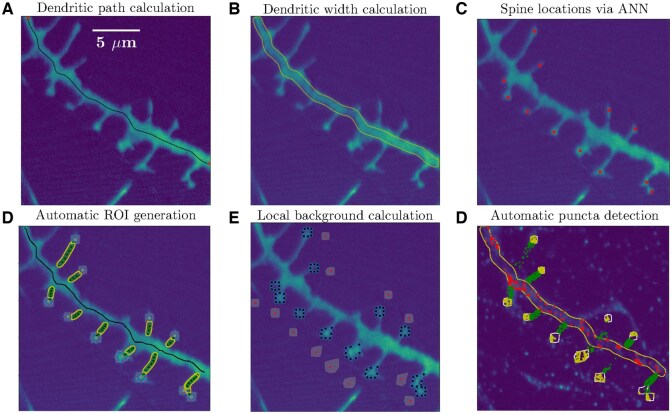 Figure 1
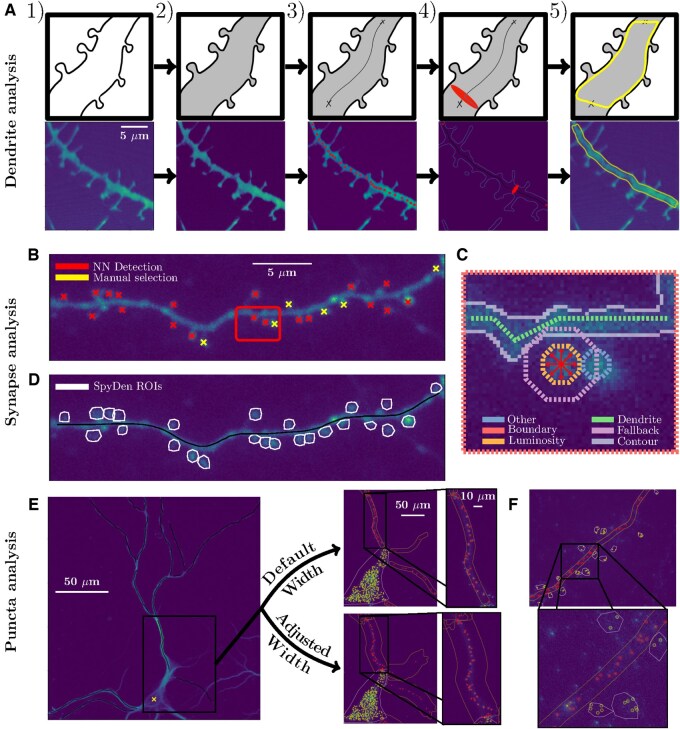 Figure 2
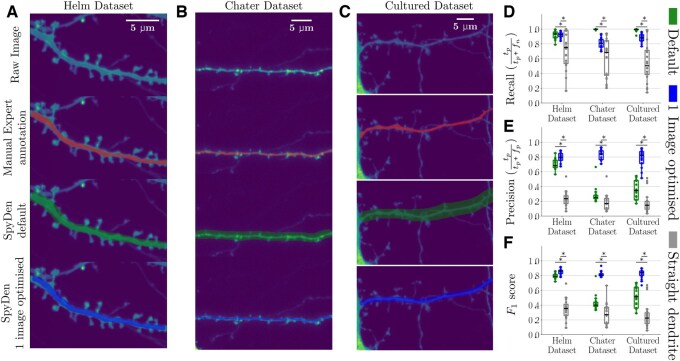 Figure 3
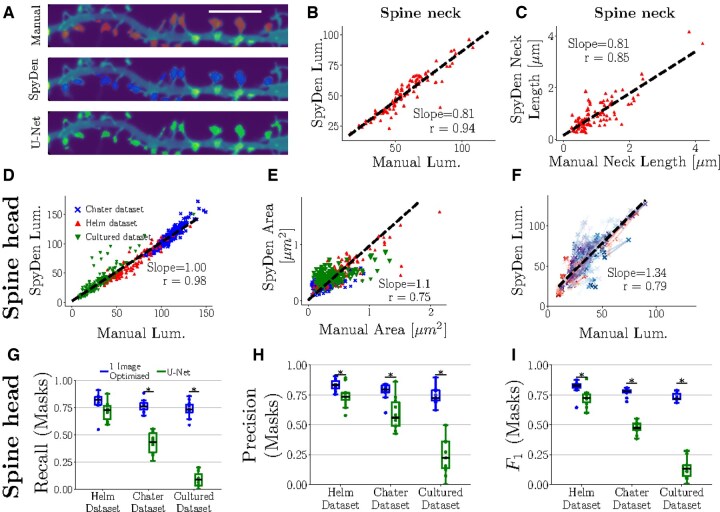 Figure 4
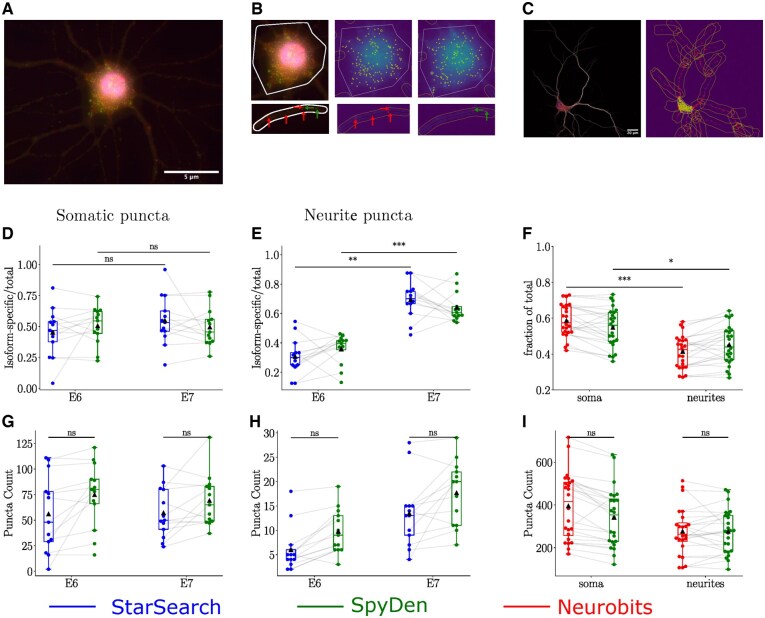 Figure 5
Peer Reviews
No public reviews on file for this paper yet. If you reviewed it on a platform where reviews are public (OpenReview, ICLR, NeurIPS, ICML), you can paste yours below so the community can read it here.
Videos
No videos yet. Explain this paper in a talk, walkthrough, or lecture? Add one.
Taxonomy
TopicsCell Image Analysis Techniques · Advanced Fluorescence Microscopy Techniques · Photoreceptor and optogenetics research