Thymines opposite to bulky aristolactam-DNA adducts in duplex DNA are not targeted by human thymine-DNA glycosylase
Diana Manapkyzy, Gulzhan Zhamanbayeva, Viktoriya Sidorenko, Radha Bonala, Francis Johnson, Bakhyt T. Matkarimov, Dmitry Zharkov, Murat K. Saparbaev, Sabira Taipakova

TL;DR
This study shows that human thymine-DNA glycosylase does not efficiently repair DNA damage caused by aristolochic acids, which are linked to urothelial cancer.
Contribution
The study reveals that TDG does not target thymine opposite bulky aristolactam-DNA adducts, clarifying its role in aristolochic acid-induced DNA repair.
Findings
TDG does not excise thymine opposite dA-AL or dG-ALII adducts efficiently in duplex DNA.
TDG efficiently excises thymine opposite guanine and hypoxanthine in mismatched DNA pairs.
These findings suggest TDG is not involved in repairing aristolochic acid-induced DNA damage.
Abstract
Consumption of aristolochic acids (AA) from the plant Aristolochia results in the formation of bulky aristolactam-dA (dA-AL) and aristolactam-dG (dG-AL) adducts in cellular DNA ultimately leading to the development of urothelial cancer. Intriguingly, the dA-AL adducts induce A•T→T•A transversions in tumor cells preferentially in CpA*→TpG context. The human mismatch-specific thymine-DNA glycosylase (TDG) protects cells against mutagenesis induced by spontaneous deamination of 5-methylcytosine (5mC) by removing thymine opposite to guanine in a CpG context in the base excision repair (BER) pathway. Nevertheless, challenges for DNA glycosylases to the faithful discrimination between non-damaged and damaged DNA strands do exist, such as mismatched pairs between two canonical bases, which may result due to DNA polymerase errors during replication. Previously, we demonstrated that TDG is prone…
Genes, proteins, chemicals, diseases, species, mutations and cell lines named across the full text — each resolved to its canonical identifier and authoritative record.
Click any figure to enlarge with its caption.
 Figure 1
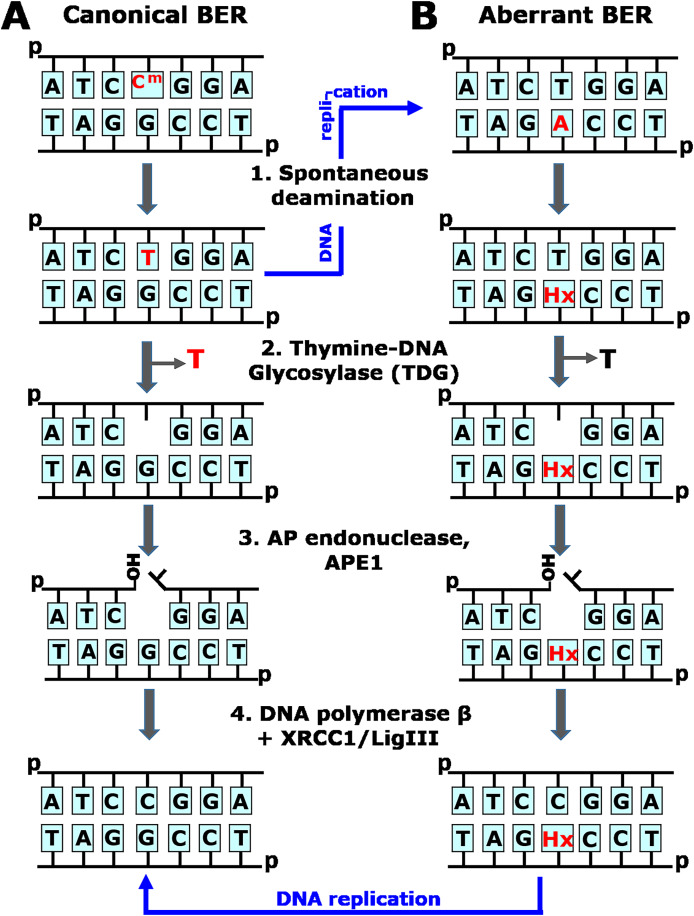 Figure 2
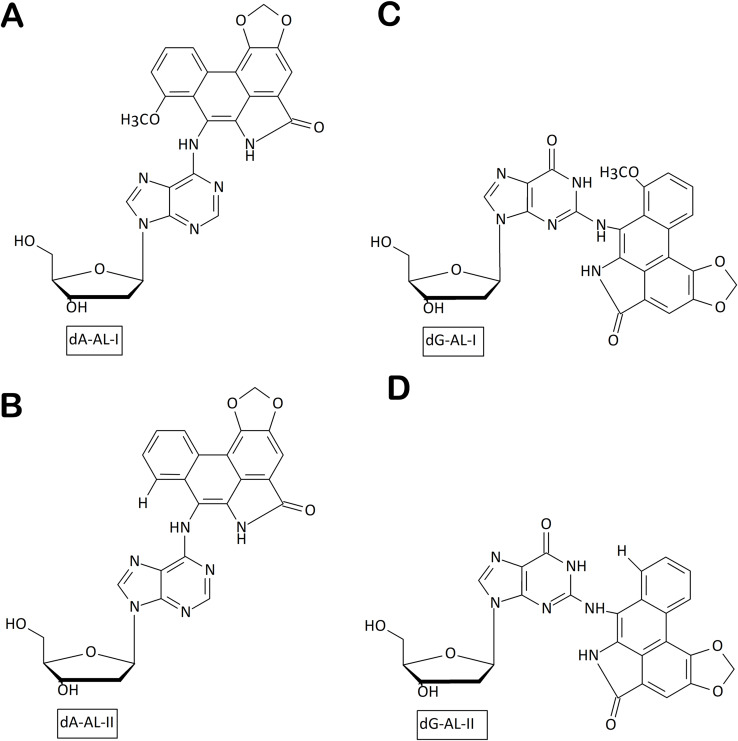 Figure 3
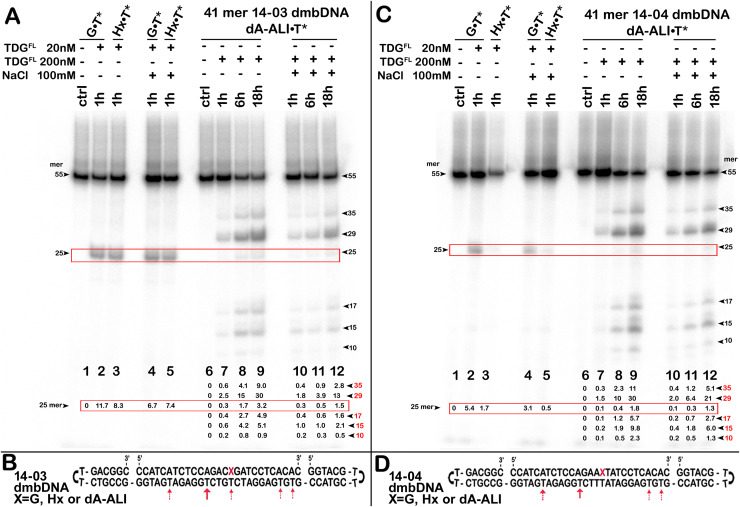 Figure 4
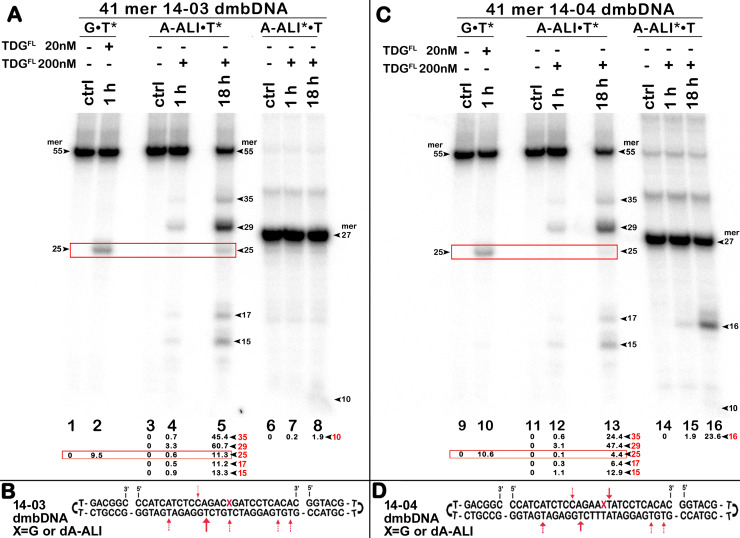 Figure 5
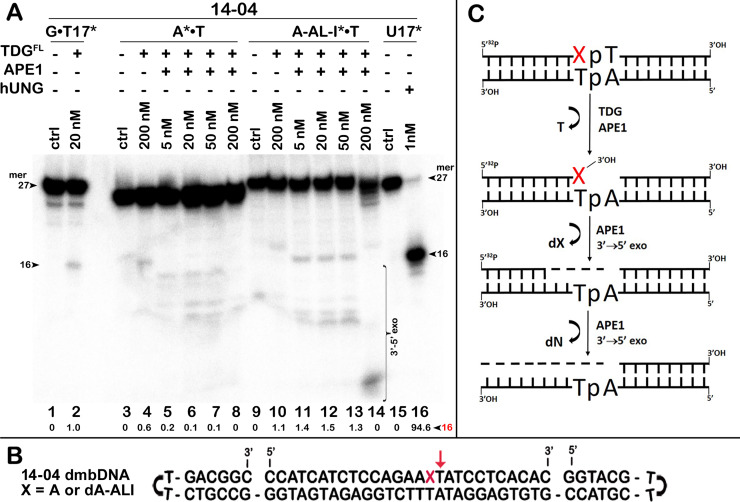 Figure 6
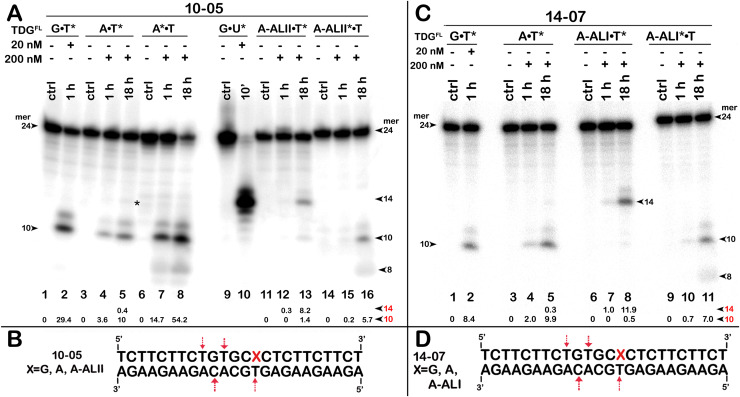 Figure 7
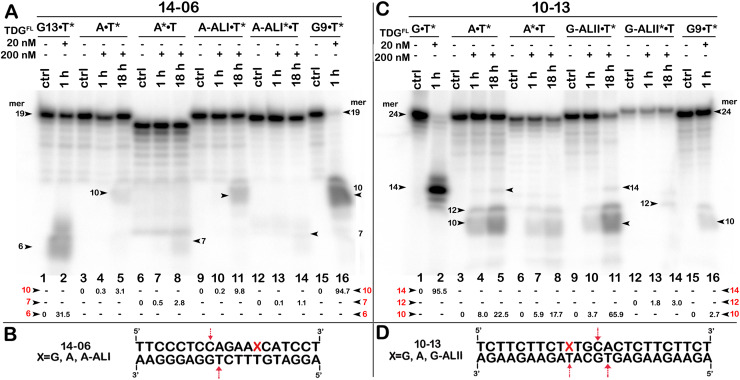 Figure 8
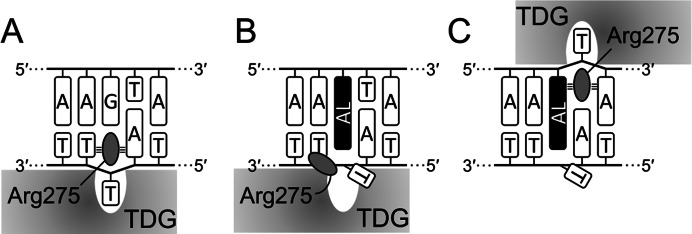 Figure 9
 Figure 10
Peer Reviews
No public reviews on file for this paper yet. If you reviewed it on a platform where reviews are public (OpenReview, ICLR, NeurIPS, ICML), you can paste yours below so the community can read it here.
Videos
No videos yet. Explain this paper in a talk, walkthrough, or lecture? Add one.
Taxonomy
TopicsNephrotoxicity and Medicinal Plants · DNA Repair Mechanisms