Enterotoxigenic Escherichia coli heat-labile enterotoxin induces cell death and disrupts effector functions in porcine monocytes
Jinglin Ma, Hans Van der Weken, Leen Hermans, Matthias Dierick, Eric Cox, Bert Devriendt

TL;DR
This study shows that a toxin from Escherichia coli harms pig monocytes, weakening their immune functions and possibly helping the bacteria evade the immune system.
Contribution
The study reveals that heat-labile enterotoxin (LT) from ETEC disrupts monocyte function and survival, unlike heat-stable toxin STa.
Findings
LT reduces porcine monocyte viability and impairs phagocytosis of E. coli.
LT decreases PMA-induced ROS production and enhances intracellular ETEC survival.
LT increases production of pro-inflammatory cytokines and chemokines in monocytes.
Abstract
Enterotoxigenic Escherichia coli (ETEC) is a common cause of diarrhea in humans and animals, including pigs. Enterotoxins are important virulence factors for ETEC. Although much is known about the mechanism of enterotoxin-induced diarrhoea, less is known about its effects on innate immune cells such as monocytes. Monocytes can differentiate into macrophages and dendritic cells and play a pivotal role in bridging the innate and adaptive immune systems. Understanding the interaction between ETEC enterotoxins and monocytes can help in the development of more effective preventive and therapeutic strategies to combat this disease. In this study, we aimed to investigate the effects of heat labile enterotoxin (LT) and heat stable enterotoxin a (STa) produced by ETEC on porcine monocytes. Our results showed that STa did not affect the viability or effector functions of monocytes. LT, on the…
Genes, proteins, chemicals, diseases, species, mutations and cell lines named across the full text — each resolved to its canonical identifier and authoritative record.
Click any figure to enlarge with its caption.
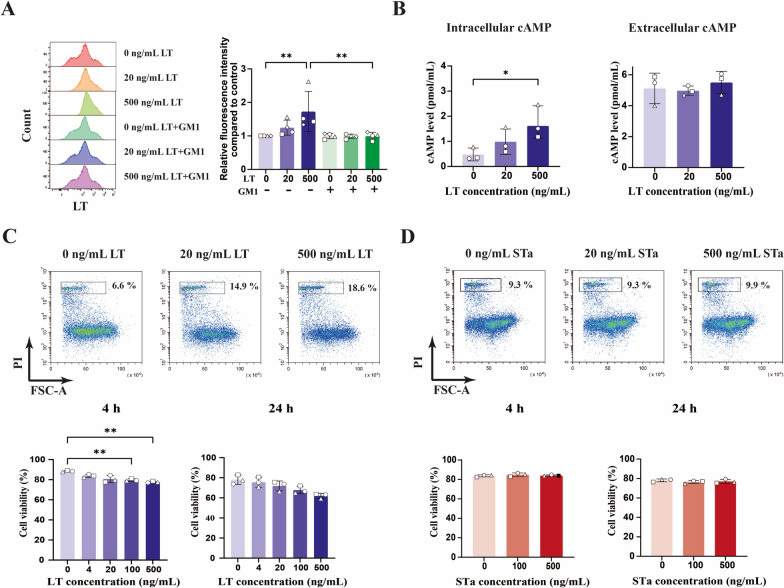 Figure 1
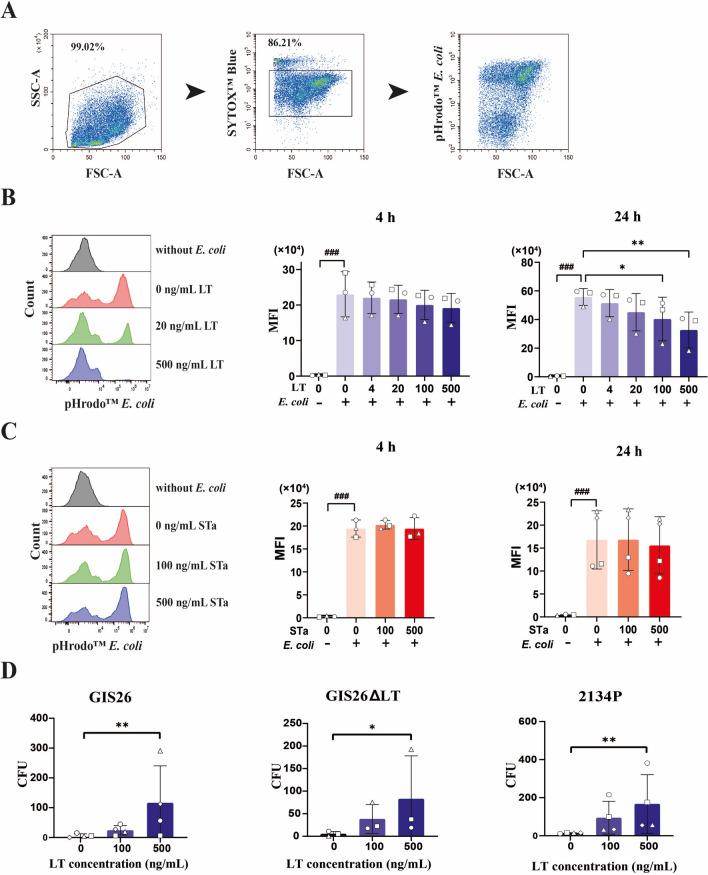 Figure 2
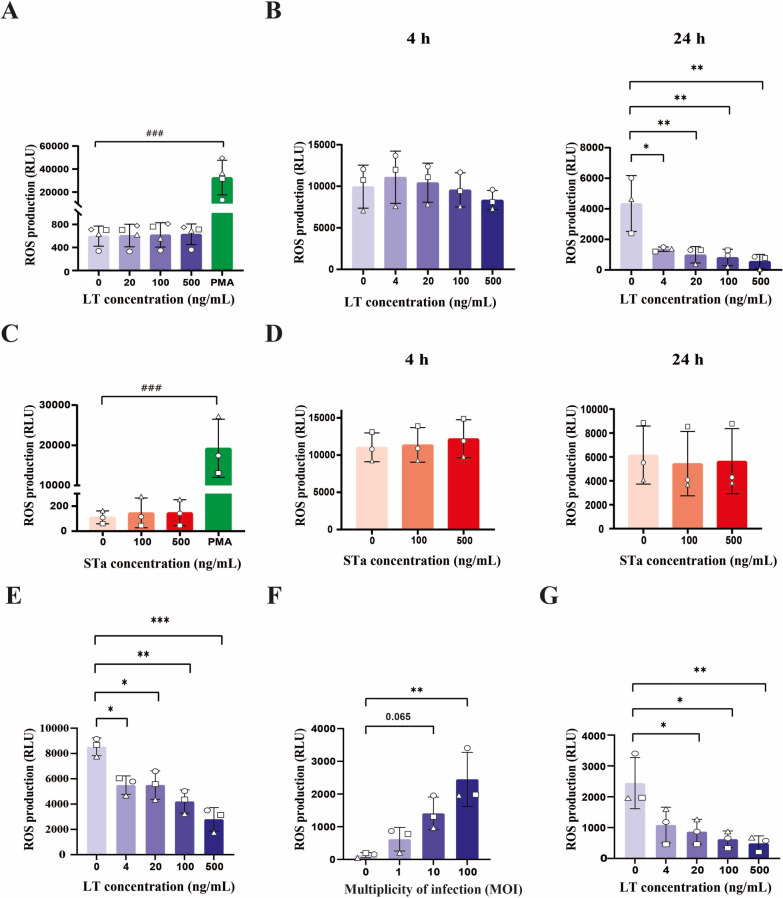 Figure 3
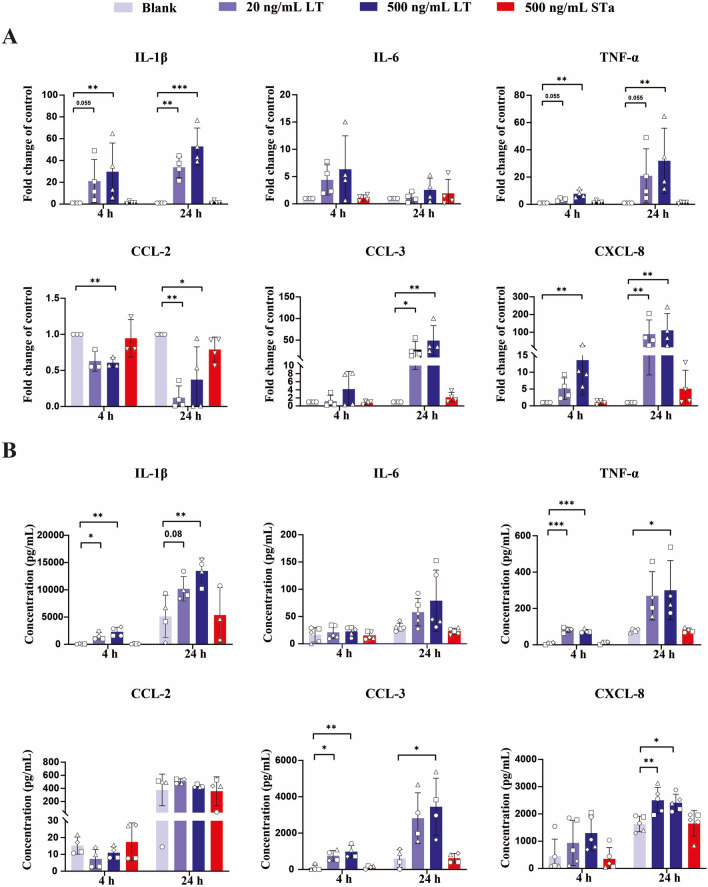 Figure 4
Peer Reviews
No public reviews on file for this paper yet. If you reviewed it on a platform where reviews are public (OpenReview, ICLR, NeurIPS, ICML), you can paste yours below so the community can read it here.
Videos
No videos yet. Explain this paper in a talk, walkthrough, or lecture? Add one.
Taxonomy
TopicsEscherichia coli research studies · Immune Cell Function and Interaction · Mycobacterium research and diagnosis