Characterizing healthcare resource utilization in two rare diseases (Kleefstra syndrome and SLC6A1 epileptic encephalopathy) using multimodal real-world data
Caitlin A. Nichols, Ella Nysetvold, Mike Jackson, Ainslie Tisdale, Christine M. Cutillo, Shannon Rego, Ashley N. Cogell, Nelson D. Pace, Kristina Cotter

TL;DR
This study examines healthcare resource use in two rare genetic diseases, finding that diagnosis leads to changes in the types of care received.
Contribution
The study provides new insights into healthcare resource utilization patterns before and after diagnosis in two rare diseases using real-world data.
Findings
Healthcare encounters did not significantly change in number pre- and post-diagnosis, but the types of encounters did.
Genetics encounters decreased post-diagnosis, while cardiology and radiology encounters increased in Kleefstra syndrome.
Survey responses indicated that 68% of caregivers reported changes in care after diagnosis.
Abstract
The cumulative economic burden of rare diseases surpasses that of common conditions, yet patterns of healthcare resource utilization (HRU) across rare diseases remain poorly characterized. This study leverages multimodal data collected during clinical care and through surveys to provide an in-depth evaluation of HRU across the disease journey of individuals with rare genetic diseases. Individuals with a confirmed diagnosis of Kleefstra syndrome (KS; n = 40) or SLC6A1 epileptic encephalopathy (SLC6A1; n = 30) were recruited. Structured and unstructured data were abstracted from participants’ medical records. Encounters per person-year of follow-up were calculated and compared pre- and post-diagnosis. Parents/guardians completed surveys assessing the impact of the participant’s diagnosis on their care. Records were available for a median of 6.4 years of follow-up from 268 unique…
Genes, proteins, chemicals, diseases, species, mutations and cell lines named across the full text — each resolved to its canonical identifier and authoritative record.
Click any figure to enlarge with its caption.
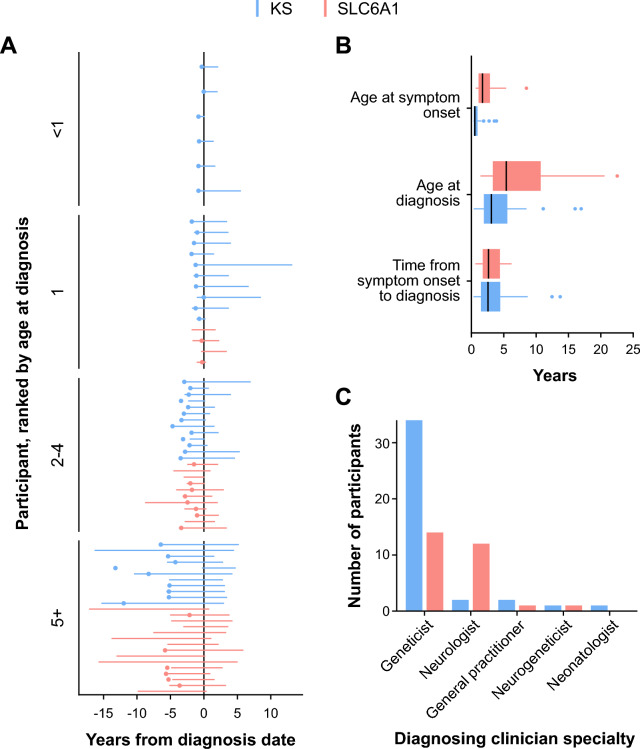 Figure 1
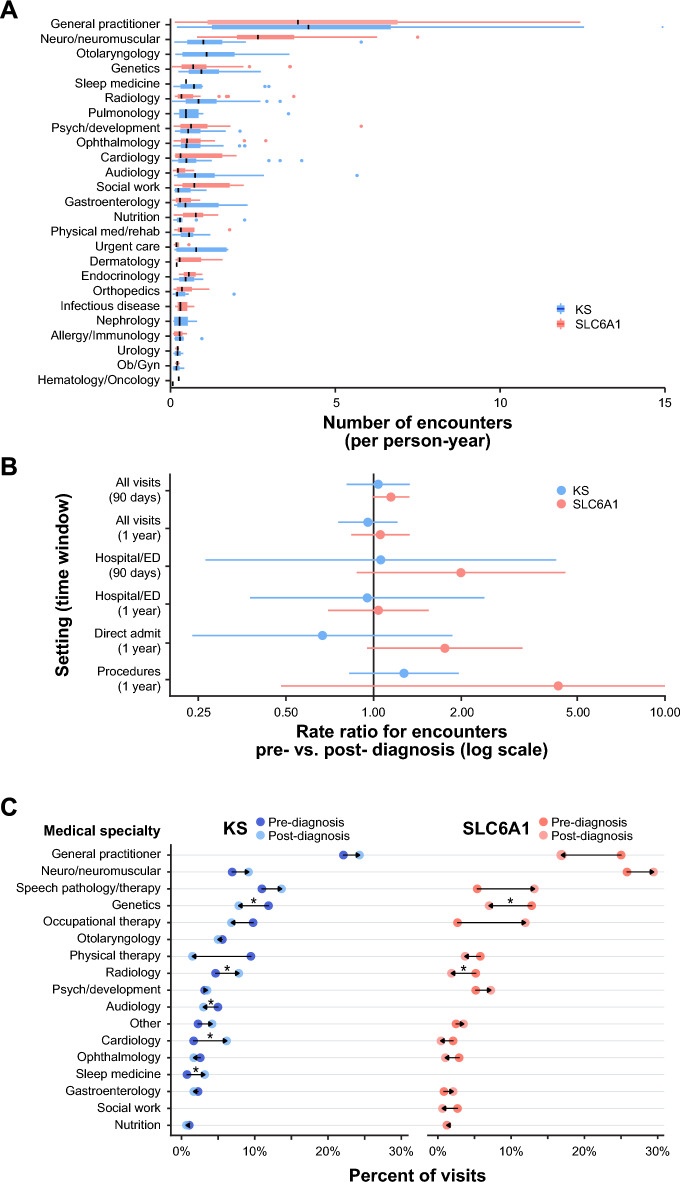 Figure 2
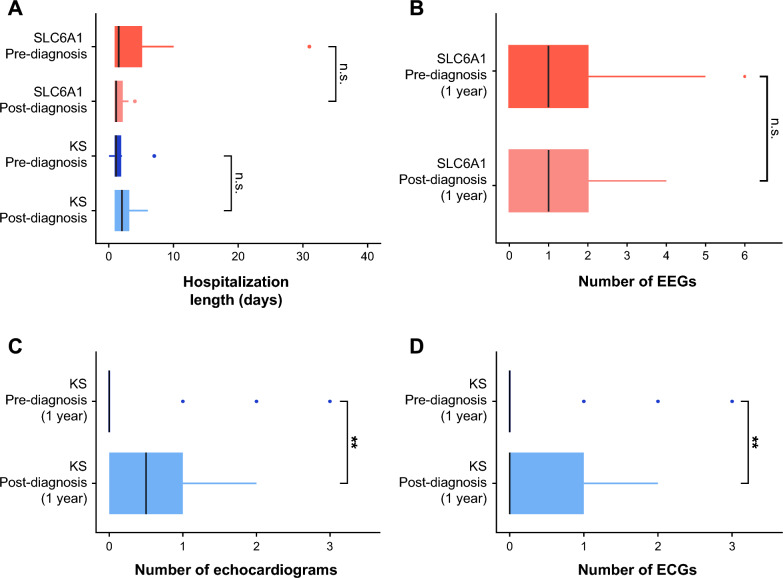 Figure 3
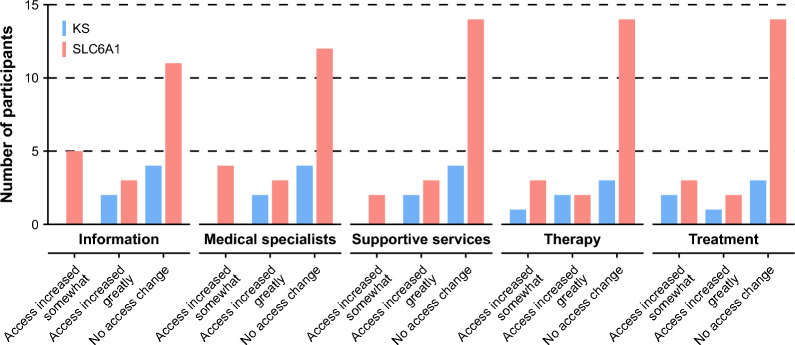 Figure 4
Peer Reviews
No public reviews on file for this paper yet. If you reviewed it on a platform where reviews are public (OpenReview, ICLR, NeurIPS, ICML), you can paste yours below so the community can read it here.
Videos
No videos yet. Explain this paper in a talk, walkthrough, or lecture? Add one.
Taxonomy
TopicsCystic Fibrosis Research Advances · Genomics and Rare Diseases · Genomic variations and chromosomal abnormalities