Repositioning of moxidectin: a promising approach in cutaneous leishmaniasis therapy
Lynn Al Samra, Mohamad El Nahas, Ilham Mneimneh, Sima Tokajian, Georges Nemer, Aia Sinno, Kelven Rahy, Sergio Thoumi, Zahraa Zibara, Ahmad El Khatib, Dalal Sabbagh, Jacques Guillot, Louna Karam, Lazo Ali, Ruqaya Baghdadi, Charbel Al Khoury

TL;DR
Moxidectin shows strong potential as a new treatment for cutaneous leishmaniasis due to its effectiveness and low resistance development.
Contribution
The study reveals moxidectin's mechanism of action and its potential as a repositioned drug for leishmaniasis therapy.
Findings
Moxidectin had the highest selectivity index against Leishmania tropica stages.
Moxidectin showed low resistance acquisition after 15 rounds of artificial selection.
Moxidectin disrupted the chloride channel of L. tropica, potentially killing the parasite.
Abstract
Cutaneous leishmaniasis presents a significant challenge to public health due to its diverse clinical manifestations, resistance development, and treatment-related adverse effects. Here, we examined the efficacy of ivermectin, moxidectin (MOX), afoxolaner, and permethrin against all stages of Leishmania tropica and THP-1 cells. We also assessed the potential for resistance acquisition after 15 rounds of artificial selection. To elucidate the mode of action of MOX, we employed RNA sequencing, molecular dynamics simulation, and chloride flux assays. Additionally, we evaluated the therapeutic index of MOX using the Galleria mellonella infection model. MOX demonstrated the highest selectivity index against leishmaniasis (promastigotes: 0.58 μM; amastigotes: 0.96 μM; host cells: 60.29 μM). Moreover, MOX exhibited the lowest resistance acquisition in both promastigotes and intracellular…
Genes, proteins, chemicals, diseases, species, mutations and cell lines named across the full text — each resolved to its canonical identifier and authoritative record.
Click any figure to enlarge with its caption.
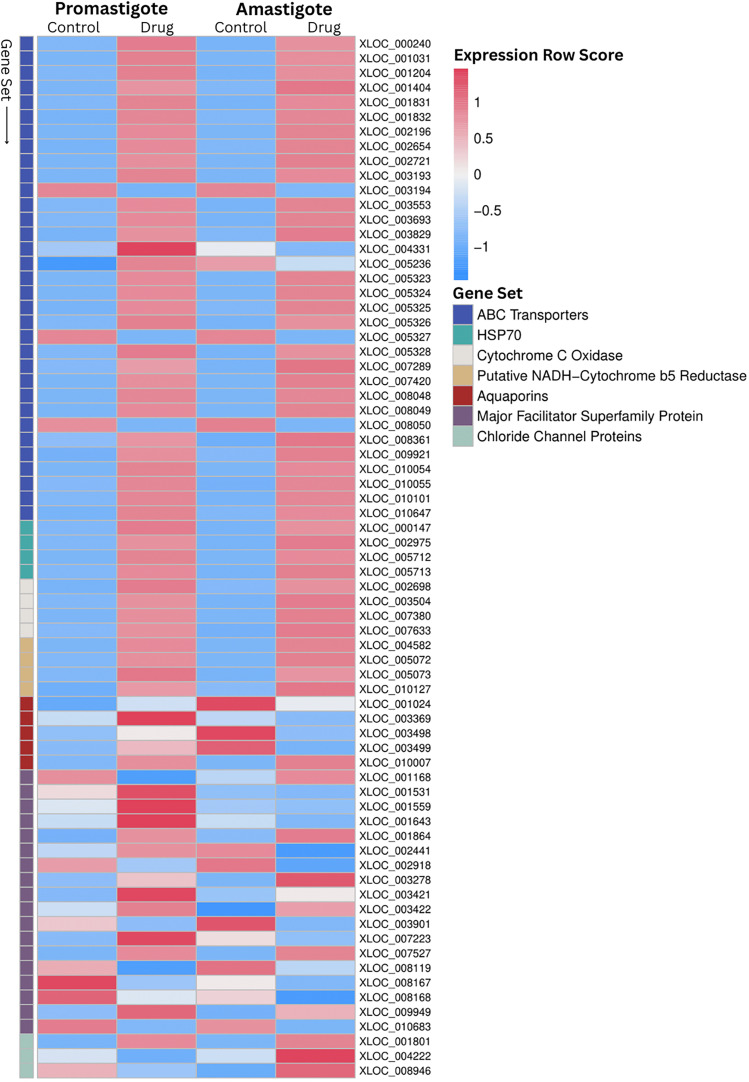 Figure 1
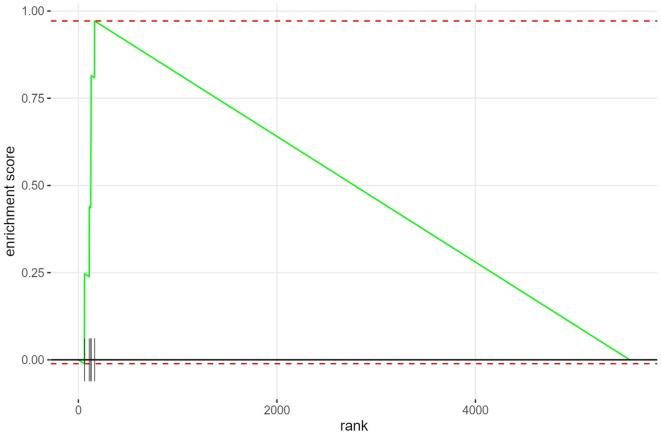 Figure 10
 Figure 10
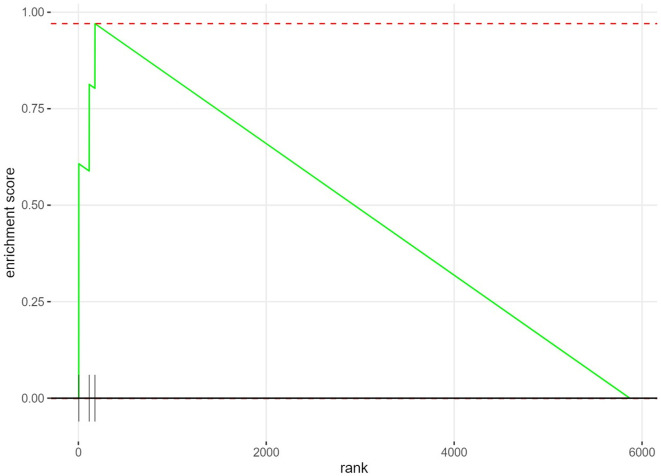 Figure 11
 Figure 11
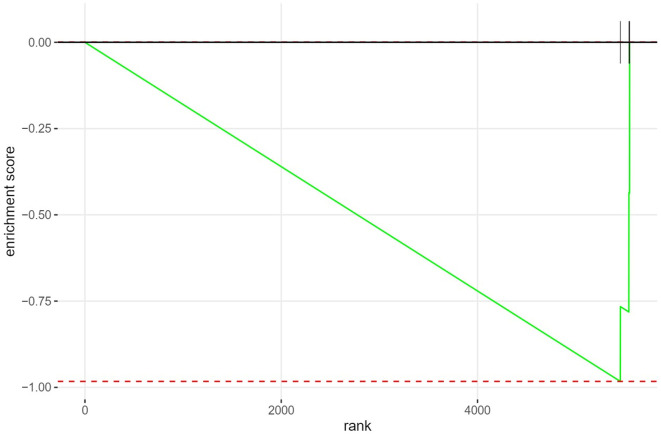 Figure 12
 Figure 12
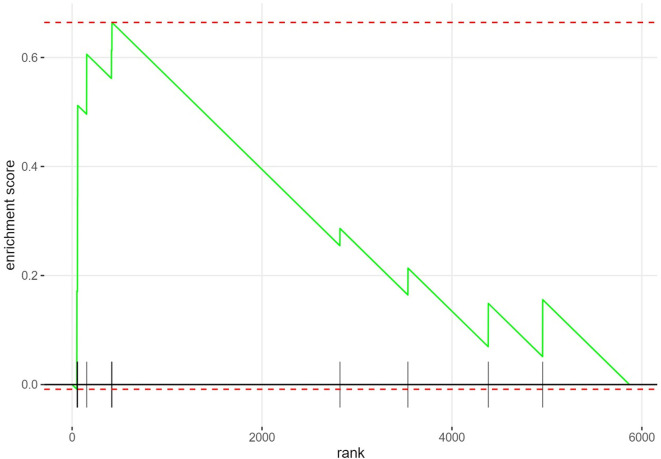 Figure 13
 Figure 13
 Figure 14
 Figure 14
 Figure 15
 Figure 15
 Figure 16
 Figure 16
 Figure 17
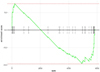 Figure 17
 Figure 18
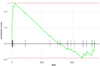 Figure 18
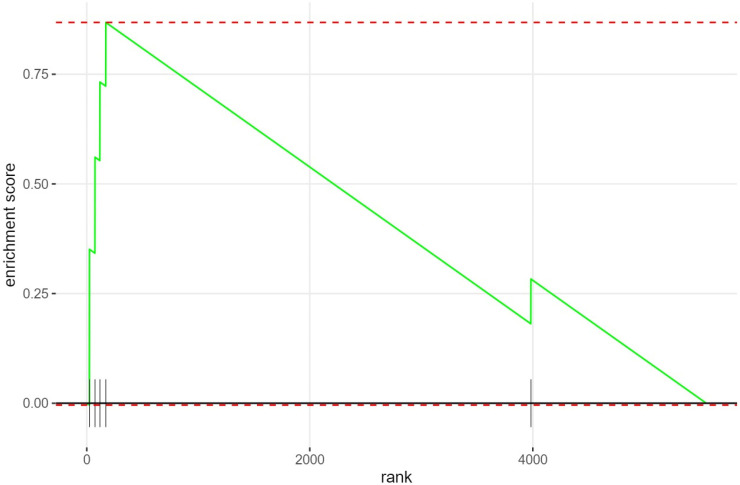 Figure 19
 Figure 19
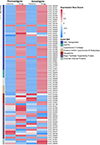 Figure 1
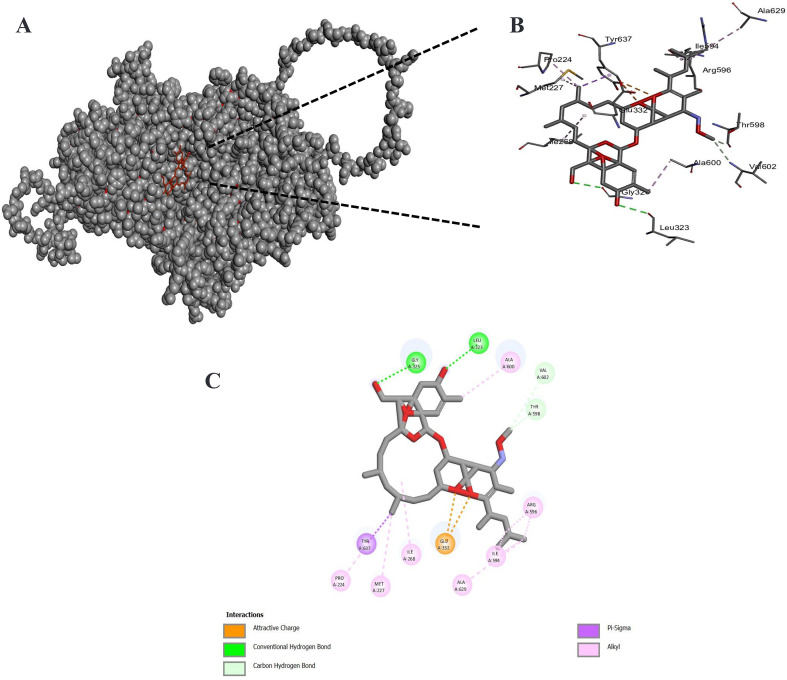 Figure 2
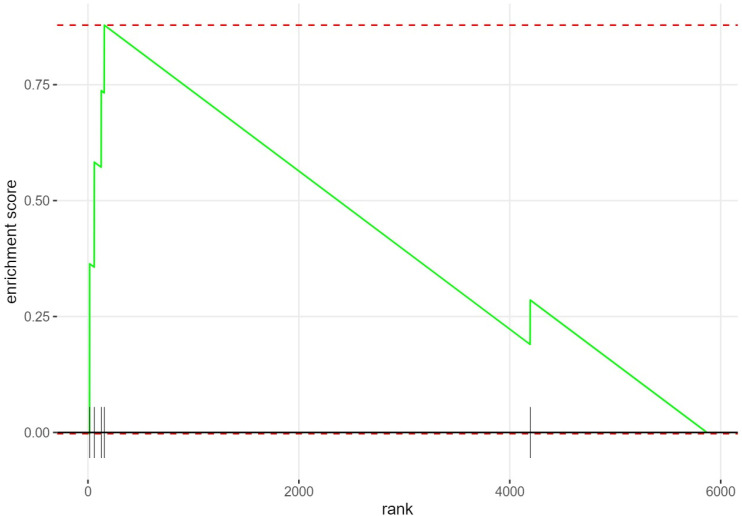 Figure 20
 Figure 20
 Figure 2
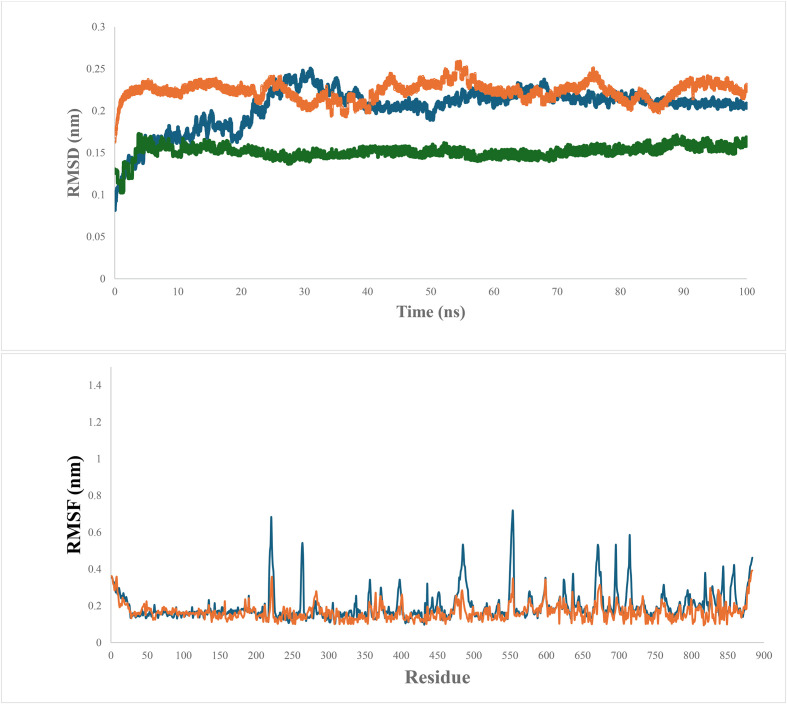 Figure 3
 Figure 3
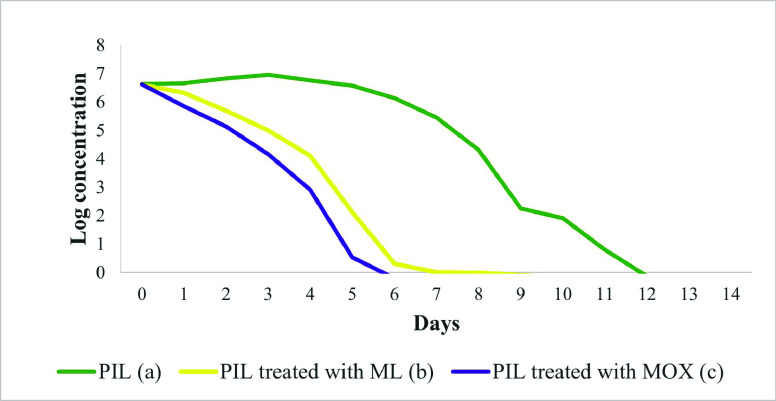 Figure 4
 Figure 4
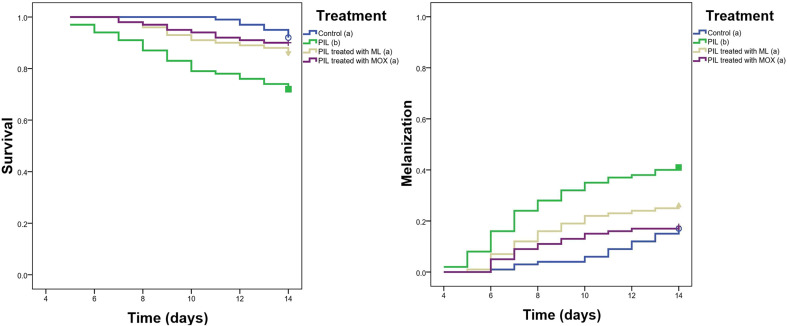 Figure 5
 Figure 5
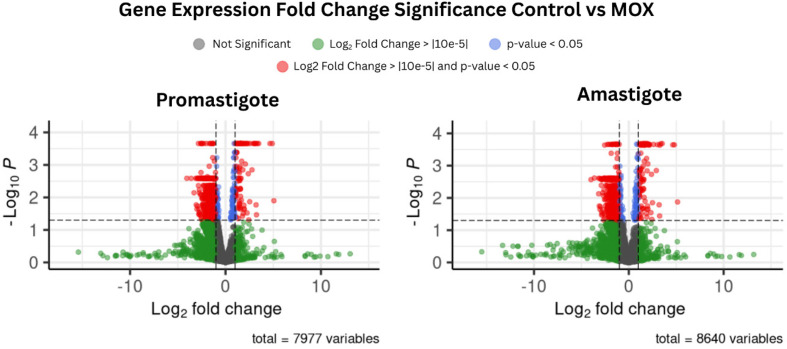 Figure 6
 Figure 6
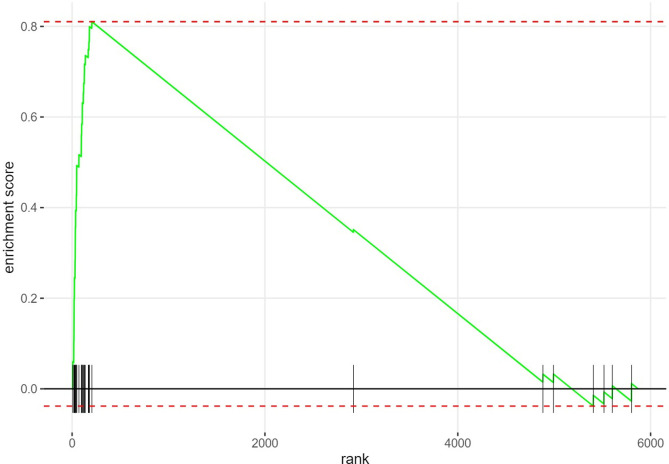 Figure 7
 Figure 7
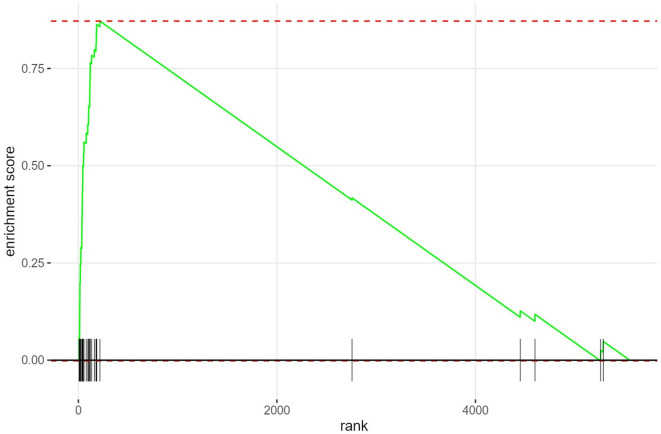 Figure 8
 Figure 8
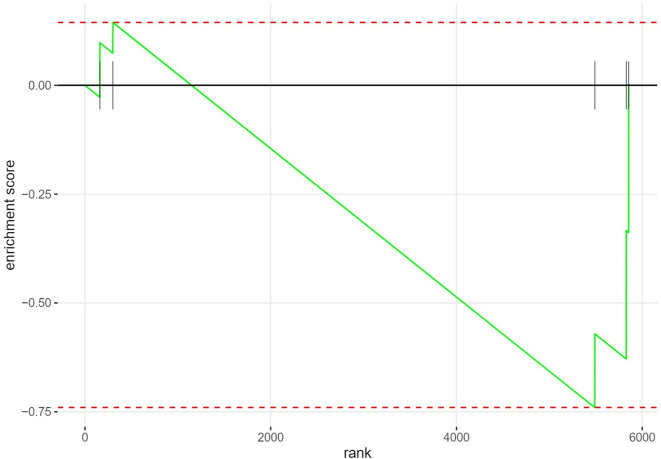 Figure 9
 Figure 9
Peer Reviews
No public reviews on file for this paper yet. If you reviewed it on a platform where reviews are public (OpenReview, ICLR, NeurIPS, ICML), you can paste yours below so the community can read it here.
Videos
No videos yet. Explain this paper in a talk, walkthrough, or lecture? Add one.
Taxonomy
TopicsResearch on Leishmaniasis Studies · Parasites and Host Interactions · Trypanosoma species research and implications