Amniotic fluid reduces liver fibrosis by attenuating hepatic stellate cell activation
Charles M Bowen, Frederick Ditmars, Naiyou Liu, Jose Marri Abril, David Ajasin, William K Russell, Heather L Stevenson, Eliseo A Eugenin, Jeffrey H Fair, W Samuel Fagg

TL;DR
Amniotic fluid helps reduce liver scarring by preventing harmful cell changes linked to fibrosis in mice and lab models.
Contribution
Demonstrates that cell-free amniotic fluid can safely reduce liver fibrosis by inhibiting stellate cell activation in multiple models.
Findings
cfAF reduced liver fibrosis and weight loss in mice with chronic liver damage.
cfAF treatment lowered EMT and MFA biomarkers in hepatic spheroids and HSC cultures.
Multiomics analyses showed cfAF attenuates TGFβ-induced MFA and inflammation.
Abstract
Regardless of the source of injury or metabolic dysfunction, fibrosis is a frequent driver of liver pathology. Excessive liver fibrosis is caused by persistent activation of hepatic stellate cells (HSCs), which is defined by myofibroblast activation (MFA) and the epithelial-mesenchymal transition (EMT). Strategies to prevent or reverse this HSC phenotype will be critical for successful treatment of liver fibrosis. We have previously shown that full-term, cell-free human amniotic fluid (cfAF) inhibits MFA and EMT in fibroblasts in vitro. We hypothesize that cfAF treatment can attenuate HSC activation and limit liver fibrosis. We tested if cfAF could prevent liver fibrosis or HSC activation in murine models of liver damage, 3-dimensional hepatic spheroids, and HSC cultures. Administering cfAF prevented weight loss and the extent of fibrosis in mice with chronic liver damage without…
Genes, proteins, chemicals, diseases, species, mutations and cell lines named across the full text — each resolved to its canonical identifier and authoritative record.
Click any figure to enlarge with its caption.
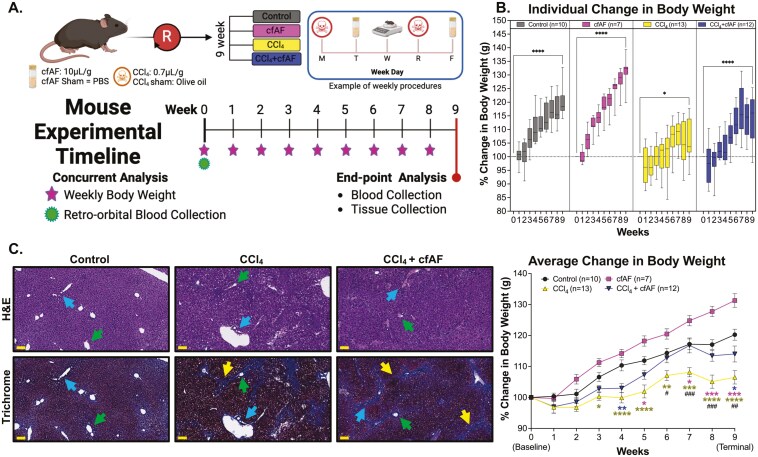 Figure 1
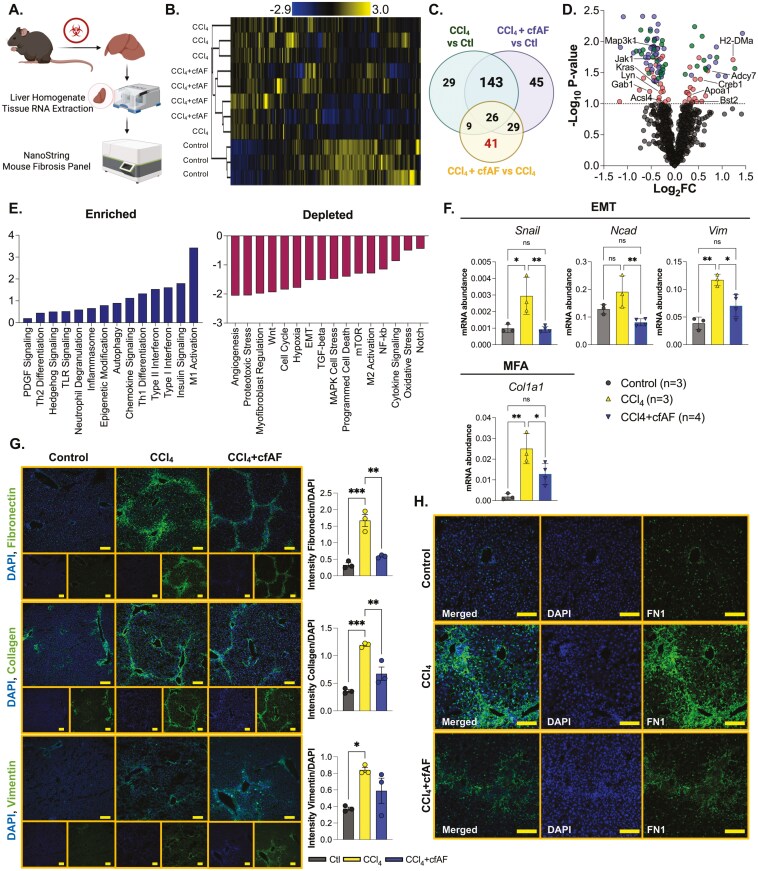 Figure 2
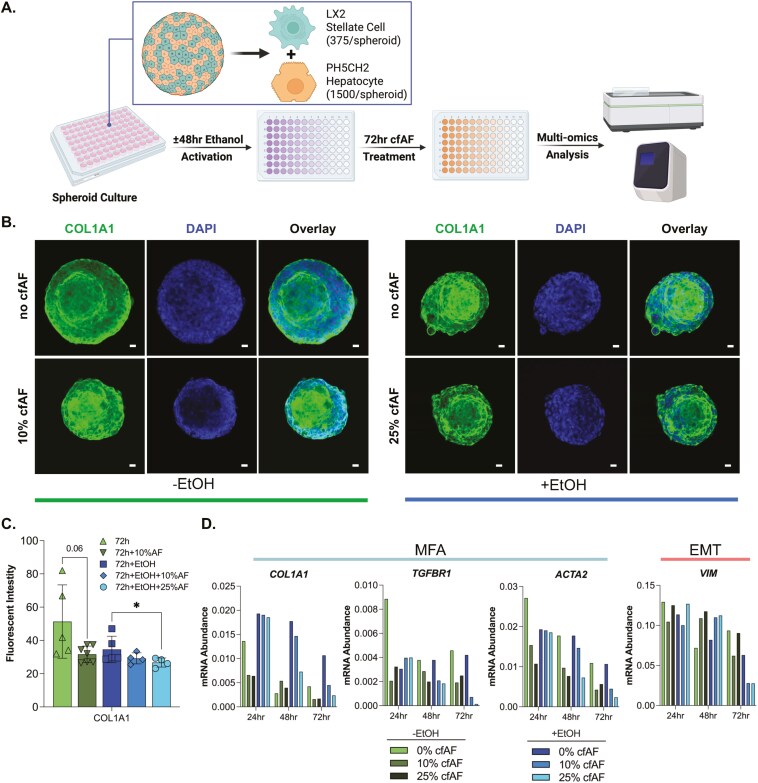 Figure 3
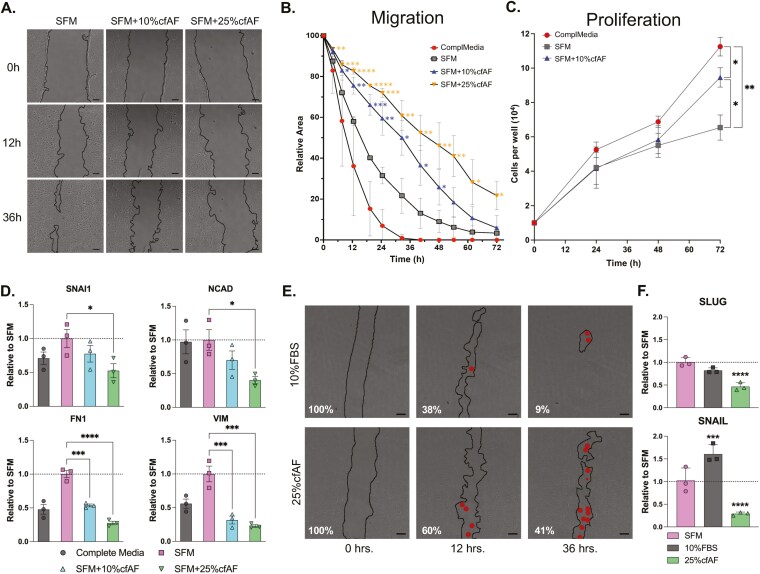 Figure 4
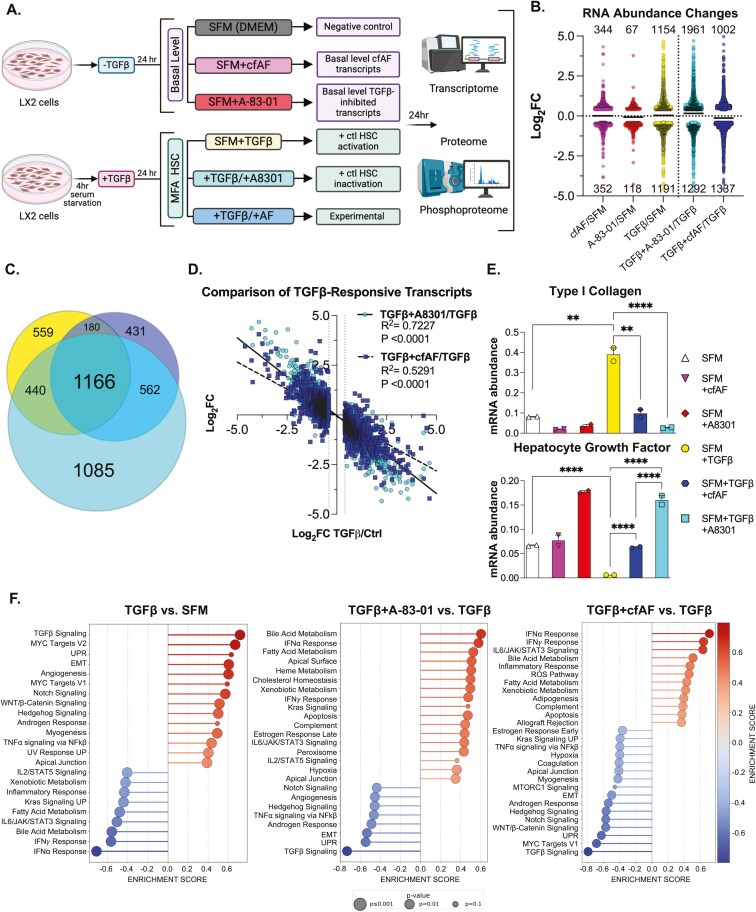 Figure 5
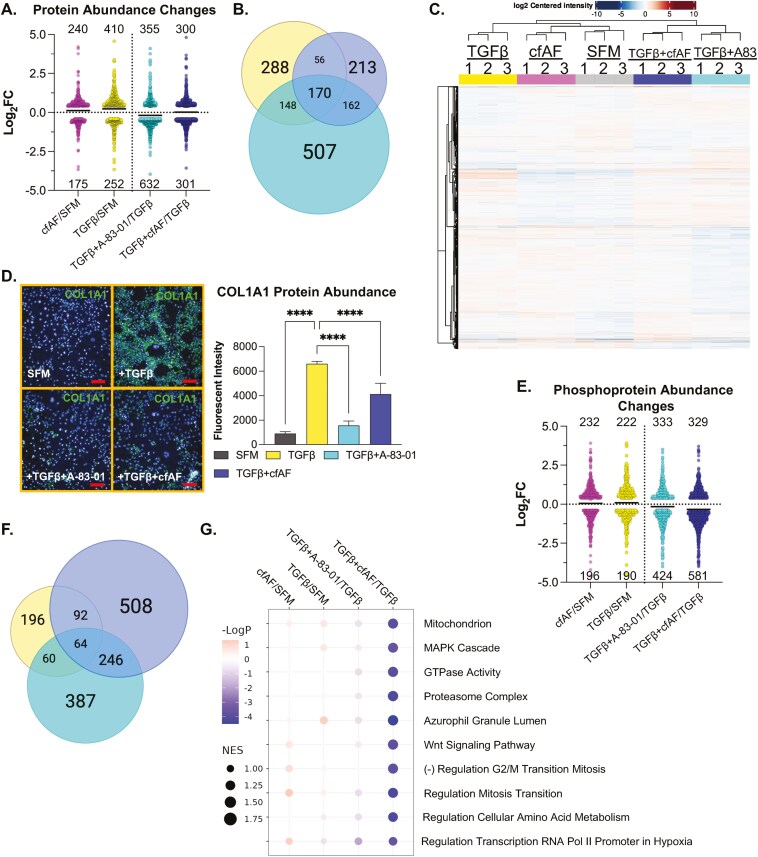 Figure 6
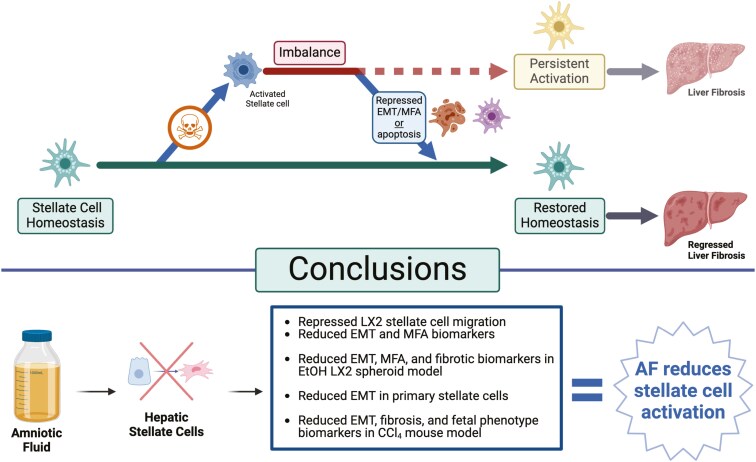 Figure 7
Peer Reviews
No public reviews on file for this paper yet. If you reviewed it on a platform where reviews are public (OpenReview, ICLR, NeurIPS, ICML), you can paste yours below so the community can read it here.
Videos
No videos yet. Explain this paper in a talk, walkthrough, or lecture? Add one.
Taxonomy
TopicsLiver physiology and pathology · Liver Disease Diagnosis and Treatment · Organ Transplantation Techniques and Outcomes