Cruciferous vegetables improve glycaemic control compared to root/squash vegetables in a randomized, controlled, crossover trial: The VEgetableS for vaScular hEaLth (VESSEL) study
Emma L. Connolly, Alex H. Liu, Richard J. Woodman, Armaghan Shafaei, Lisa G. Wood, Richard Mithen, Anthony P. James, Carl J. Schultz, Seng Khee Gan, Catherine P. Bondonno, Joshua R. Lewis, Jonathan M. Hodgson, Lauren C. Blekkenhorst

TL;DR
Eating cruciferous vegetables like broccoli improves blood sugar control after meals compared to root or squash vegetables in adults with high blood pressure.
Contribution
This study provides causal evidence that cruciferous vegetables improve postprandial glycaemic control compared to root/squash vegetables.
Findings
Glycaemic variability was 2.0% lower with cruciferous vegetables compared to root/squash vegetables.
Dinner postprandial glucose response was significantly reduced with cruciferous vegetables.
No difference in mean continuous glucose levels was observed between the two vegetable types.
Abstract
Higher cruciferous vegetable (e.g., broccoli) intake is associated with lower risk of type 2 diabetes and cardiovascular disease, but limited causal evidence exists. We investigated if cruciferous vegetable intake improved glycaemic control compared to root/squash vegetables in non‐diabetic adults with elevated blood pressure. This randomized, controlled, crossover trial consisted of two 2‐week dietary interventions (300 g/day cruciferous [active] and root/squash [control] soups with standardized lunch/dinner meals) separated by a 2‐week washout. Participants were blinded to the intervention allocation. Glycaemic measures were a pre‐specified secondary outcome. Flash glucose monitoring measured interstitial glucose every 15‐min throughout both interventions. Mealtimes and consumption were recorded in food diaries. Differences in continuous glucose, glycaemic variability (coefficient of…
Genes, proteins, chemicals, diseases, species, mutations and cell lines named across the full text — each resolved to its canonical identifier and authoritative record.
Click any figure to enlarge with its caption.
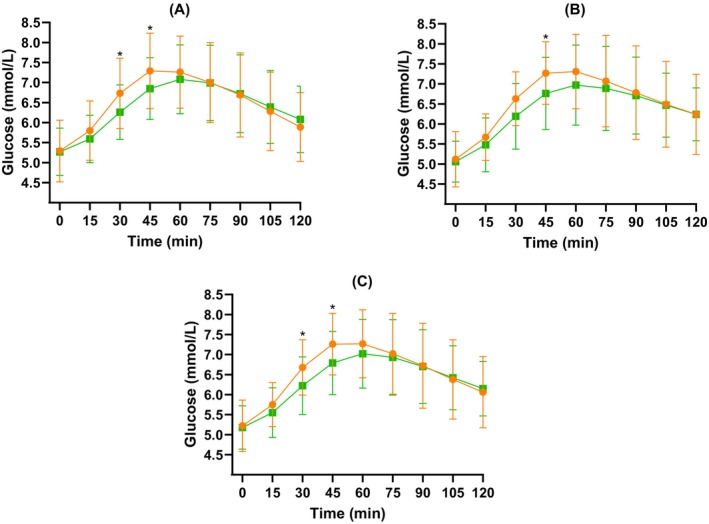 Figure 1
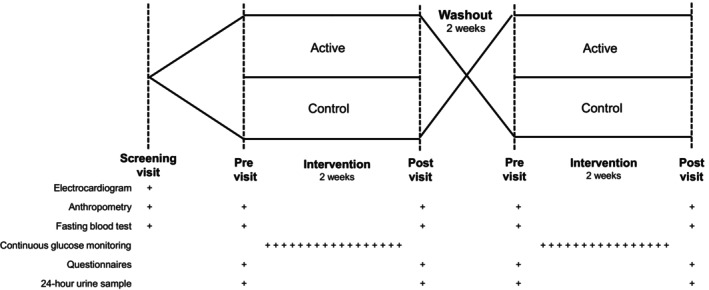 Figure 2
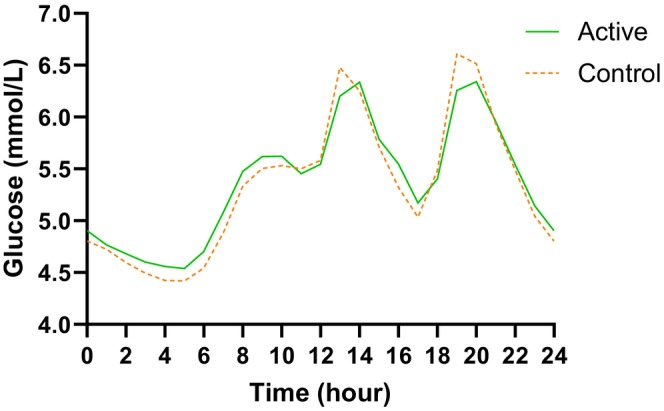 Figure 3
Peer Reviews
No public reviews on file for this paper yet. If you reviewed it on a platform where reviews are public (OpenReview, ICLR, NeurIPS, ICML), you can paste yours below so the community can read it here.
Videos
No videos yet. Explain this paper in a talk, walkthrough, or lecture? Add one.
Taxonomy
TopicsGenomics, phytochemicals, and oxidative stress · Nutrition and Health in Aging · Nutrition, Genetics, and Disease