Diatom-Based Artificial Antigen-Presenting Cells: A Novel Approach for Adaptive Immune Modulation
Asrizal Abdul Rahman, Isma Liza Mohd Isa, Manus J. Biggs, Abhay Pandit

TL;DR
This paper introduces diatom-based artificial antigen-presenting cells that can modulate immune responses, offering a new approach for immunotherapy.
Contribution
The novel use of calcium-modified diatoms as artificial antigen-presenting cells for adaptive immune modulation is presented.
Findings
Amine polymerization on calcium-modified diatoms improved attachment of immunomodulatory proteins to the surface.
Diatom-based aAPCs promoted T cell activation markers and proliferation through costimulatory signaling.
Diatom-based aAPCs favored glycolysis over mitochondrial respiration to support immune activation.
Abstract
Artificial antigen-presenting cells (aAPCs) offer a precise system for modulating immune cells, effectively addressing major challenges in immunotherapy, such as unintended effects. Diatoms have attracted considerable interest as natural templates for biomaterials owing to their surface characteristics, which can replicate those found in cellular structures. In this study, we introduced the creation of calcium-modified diatoms that act as artificial antigen-presenting cells. This innovative strategy aims to enhance immunological interactions and emulate the functions of natural antigen-presenting cells. Our findings indicate that amine polymerization on calcium-modified diatoms improved the attachment of immunomodulatory proteins (anti-CD28 and anti-CD3) to the diatom surface, thereby promoting specific antibody–antigen interactions with human T cells, as evidenced by the formation of…
Genes, proteins, chemicals, diseases, species, mutations and cell lines named across the full text — each resolved to its canonical identifier and authoritative record.
Click any figure to enlarge with its caption.
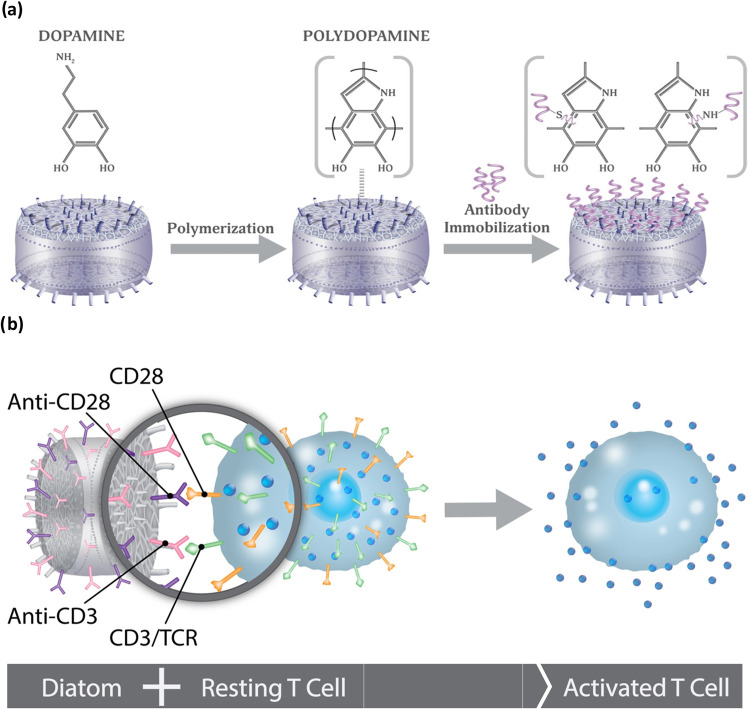 Figure 1
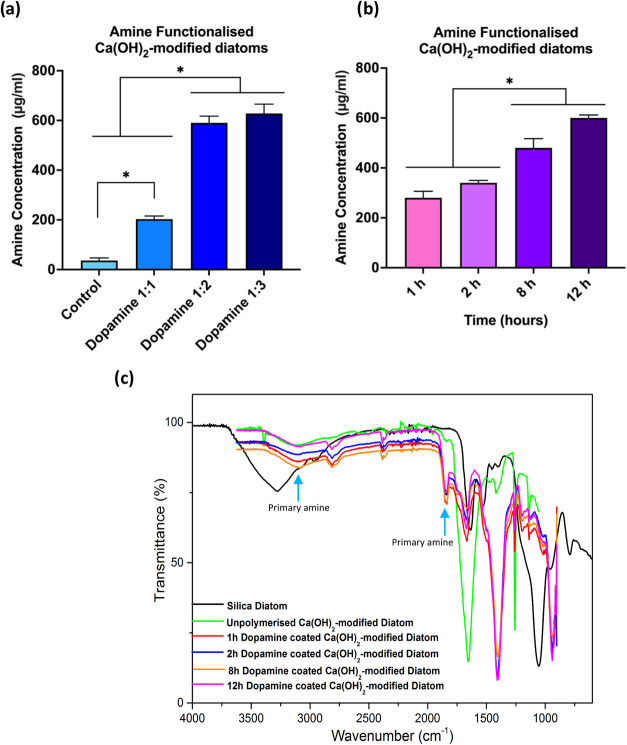 Figure 2
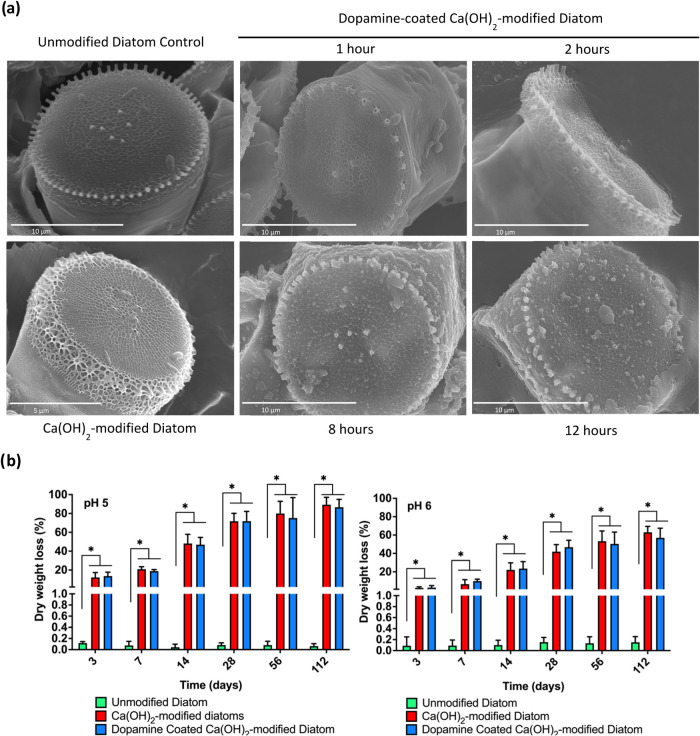 Figure 3
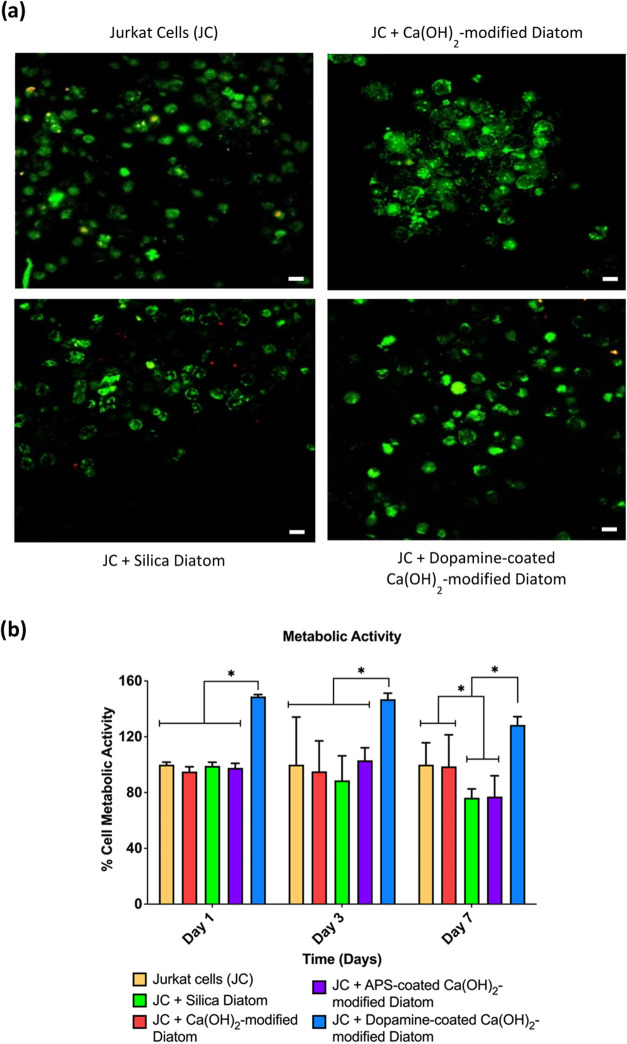 Figure 4
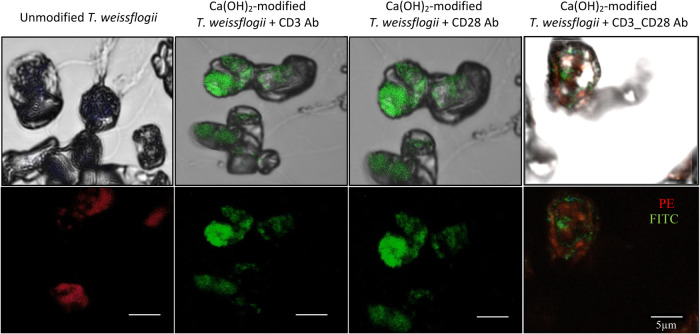 Figure 5
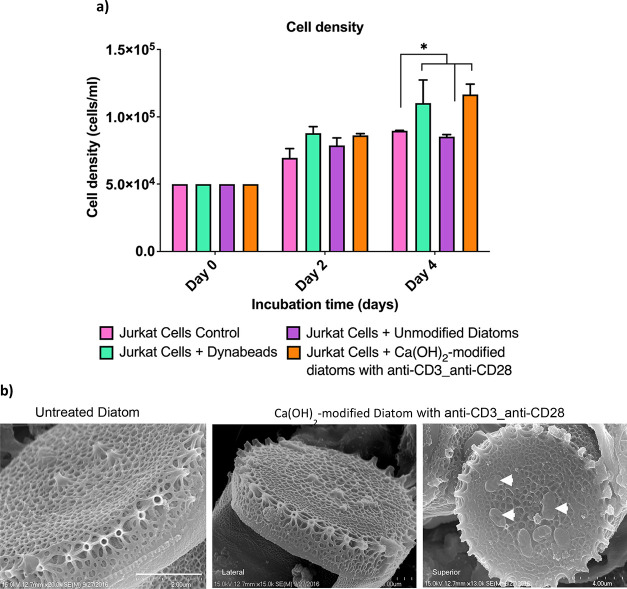 Figure 6
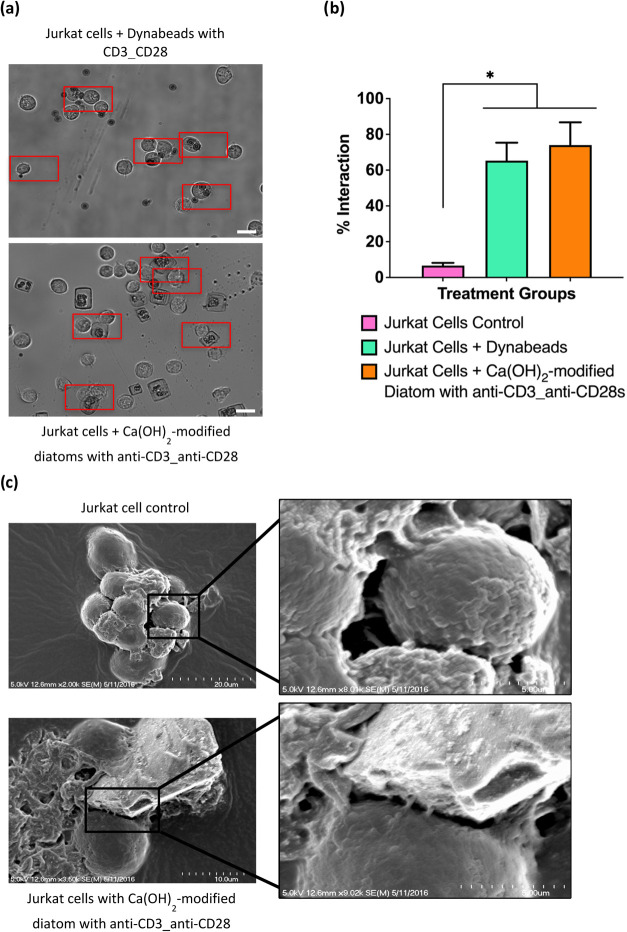 Figure 7
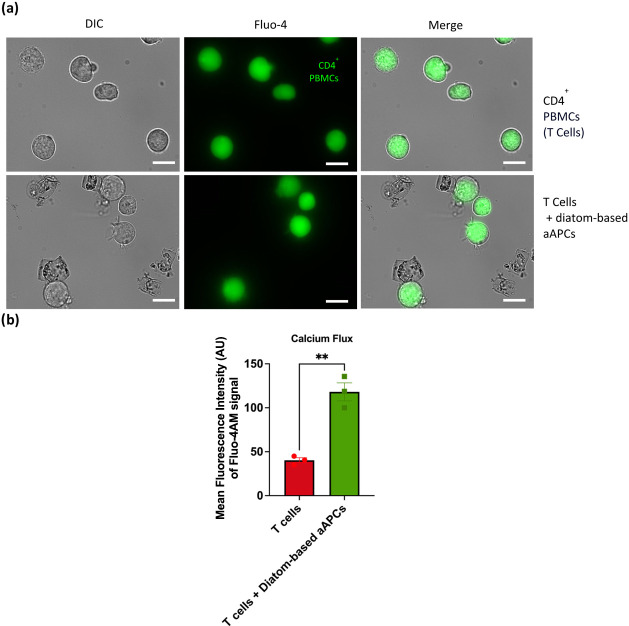 Figure 8
 Figure 9
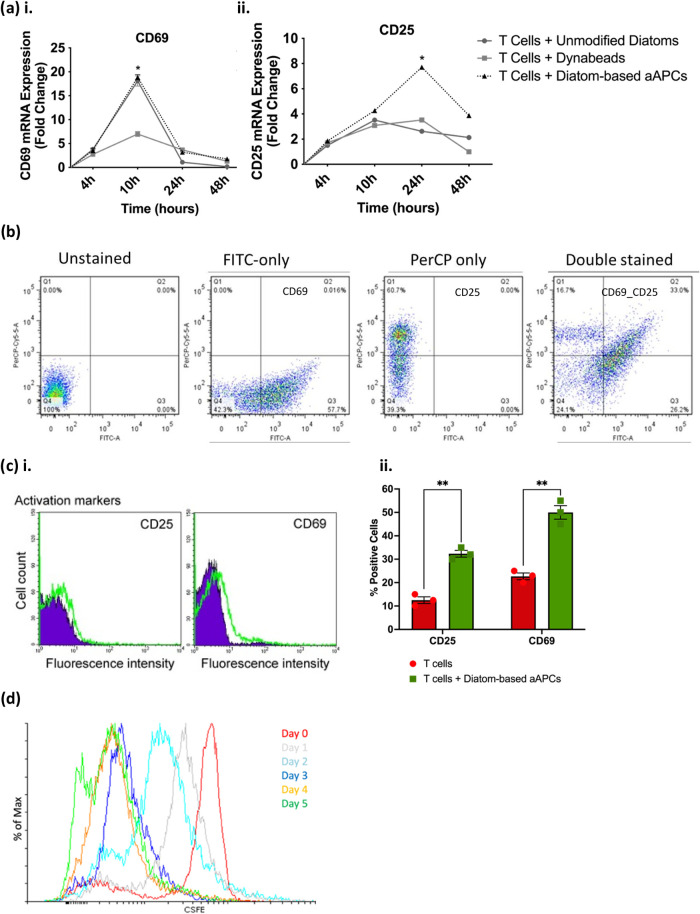 Figure 10
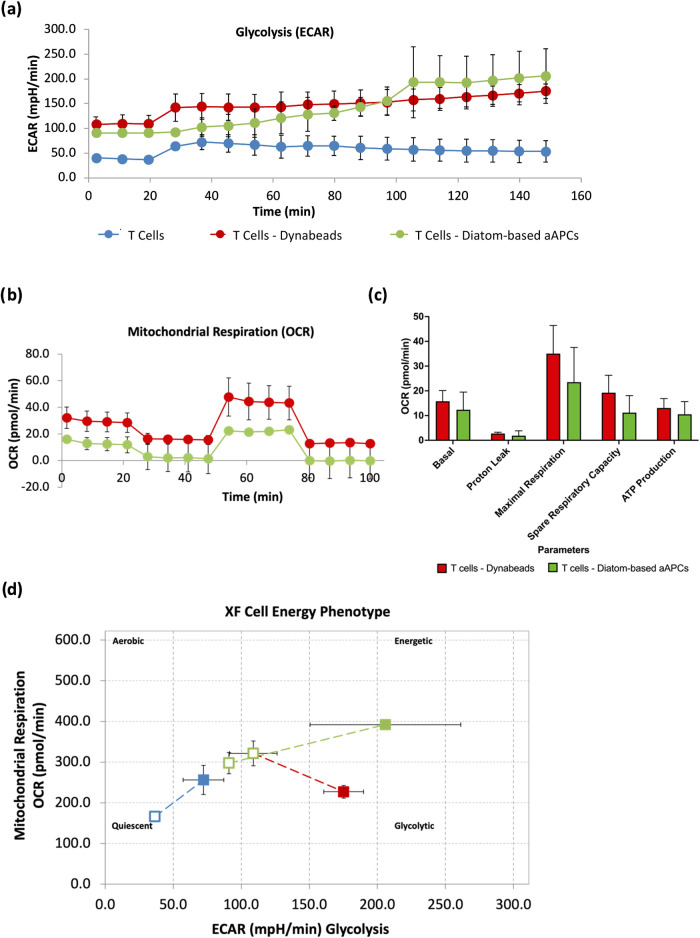 Figure 11
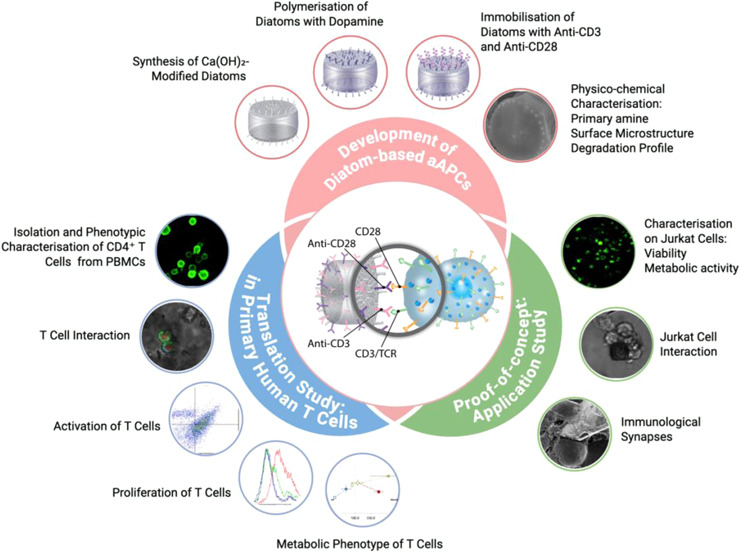 Figure 12
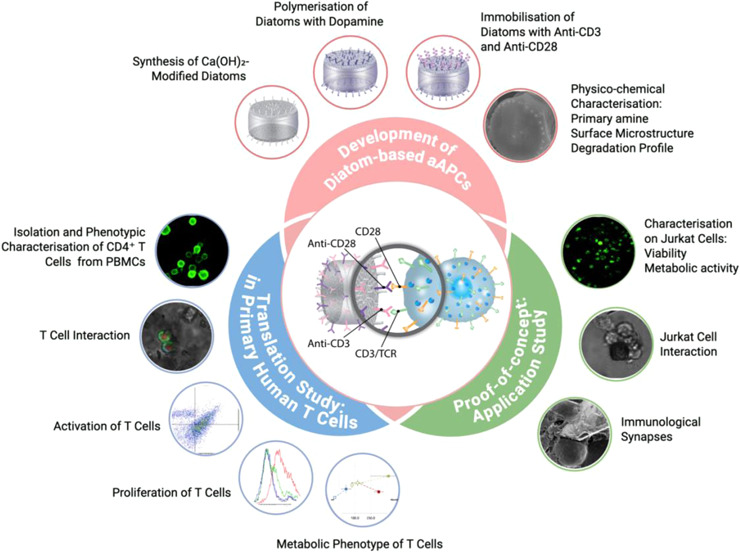 Figure 13
 Figure 14
Peer Reviews
No public reviews on file for this paper yet. If you reviewed it on a platform where reviews are public (OpenReview, ICLR, NeurIPS, ICML), you can paste yours below so the community can read it here.
Videos
No videos yet. Explain this paper in a talk, walkthrough, or lecture? Add one.
Taxonomy
TopicsNanoplatforms for cancer theranostics · Glycosylation and Glycoproteins Research · Monoclonal and Polyclonal Antibodies Research