Perspectives and Limitations of Tartaric Acid Diamides as Phase Change Materials for Sustainable Heat Applications
Magdalena Gwóźdź, Natalia Siodłak, Anna Chrobok, Karolina Matuszek, Alina Brzęczek‐Szafran

TL;DR
This paper explores tartaric acid diamides as sustainable phase change materials for thermal energy storage at intermediate temperatures, offering improved melting points and enthalpy.
Contribution
The study introduces tartaric acid diamides as a novel class of phase change materials with melting temperatures suitable for renewable energy storage.
Findings
TA diamides exhibit melting temperatures between 130 and 190 °C, suitable for intermediate thermal applications.
Melting enthalpies of TA diamides reach up to 173 J g−1, showing good energy storage potential.
Characterization techniques reveal insights into the thermal behavior and limitations of TA-derived materials.
Abstract
Phase change materials (PCMs) with melting temperatures in the intermediate range (100–220 °C) have recently been in high demand for applications in solar and wind renewable energy storage. Such materials can help advance thermal battery technologies, e.g. Carnot batteries, that can reduce the amount of fossil fuels used to generate electricity, contributing to substantial savings in CO2 emissions. Recently, polyol esters have been recognized as robust PCMs with high stability and high energy storage density (up to 221 J g−1), additionally meeting sustainability and circularity criteria, being sourced from inexpensive, biorenewable tartaric acid (TA), which provides H‐bonding, boosting the esters’ thermal properties. However, the melting points of TA esters, which are below 100 °C, limit their suitability for applications in the intermediate temperature range. In this study, TA diamides…
Genes, proteins, chemicals, diseases, species, mutations and cell lines named across the full text — each resolved to its canonical identifier and authoritative record.
Click any figure to enlarge with its caption.
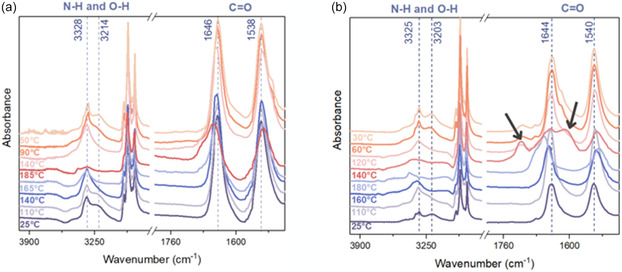 Figure 1
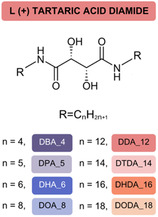 Figure 2
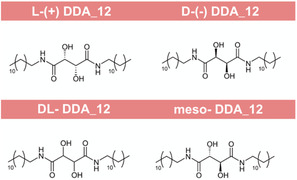 Figure 3
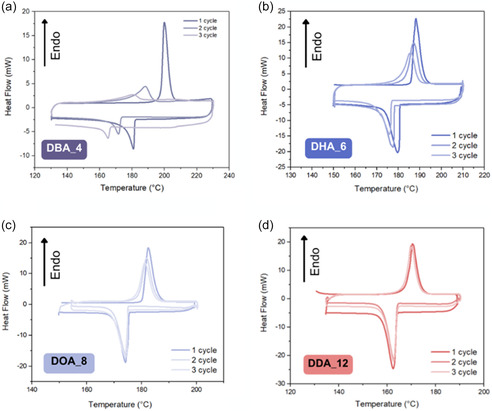 Figure 4
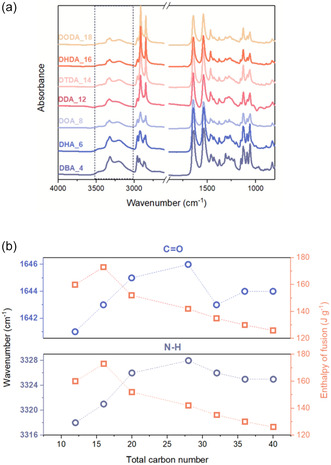 Figure 5
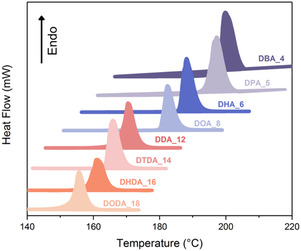 Figure 6
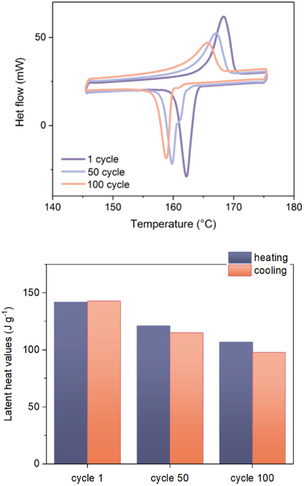 Figure 7
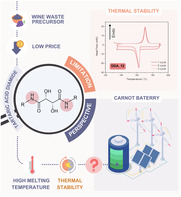 Figure 8
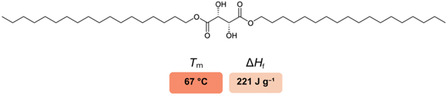 Figure 9
 Figure 10
Peer Reviews
No public reviews on file for this paper yet. If you reviewed it on a platform where reviews are public (OpenReview, ICLR, NeurIPS, ICML), you can paste yours below so the community can read it here.
Videos
No videos yet. Explain this paper in a talk, walkthrough, or lecture? Add one.
Taxonomy
TopicsPhase Change Materials Research