Computationally Guided Structural Modification of Centaureidin: A Novel Approach for Enhancing Antioxidant and Antitumor Activities for Drug Development
Reem S. Alruhaimi, Emadeldin M. Kamel, Sulaiman M. Alnasser, Ibrahim Elbagory, Ayman M. Mahmoud, Al Mokhtar Lamsabhi

TL;DR
Researchers used computational methods to modify a natural compound, centaureidin, to improve its antioxidant and cancer-fighting properties, creating a promising new drug candidate.
Contribution
A novel computational and experimental approach to enhance the therapeutic potential of centaureidin through structural modification.
Findings
CA1 and CA4 analogues showed stronger radical scavenging activity than centaureidin.
Both analogues inhibited MCF-7 cancer cell proliferation more effectively.
Modified compounds exhibited strong binding affinity to key cancer-related proteins.
Abstract
The development of novel therapeutic drugs with enhanced efficacy has gained significant attention in recent years. In this study, we aimed to enhance the radical scavenging and antitumor activities of centaureidin through computationally guided structural modifications. Centaureidin was initially isolated through extensive phytochemical fractionation from Centaurea scoparia. We employed Density Functional Theory (DFT) and multitarget molecular modeling to explore how modifying the carbon‐8 (C‐8) position influences bond dissociation enthalpies, radical scavenging mechanisms, and the structure‐antitumor activity relationships. Guided by computational analysis, we then modified the core skeleton of centaureidin using a facile multicomponent Mannich‐type synthesis, resulting in two newly substituted centaureidin analogues. The radical scavenging properties of centaureidin and its…
Genes, proteins, chemicals, diseases, species, mutations and cell lines named across the full text — each resolved to its canonical identifier and authoritative record.
Click any figure to enlarge with its caption.
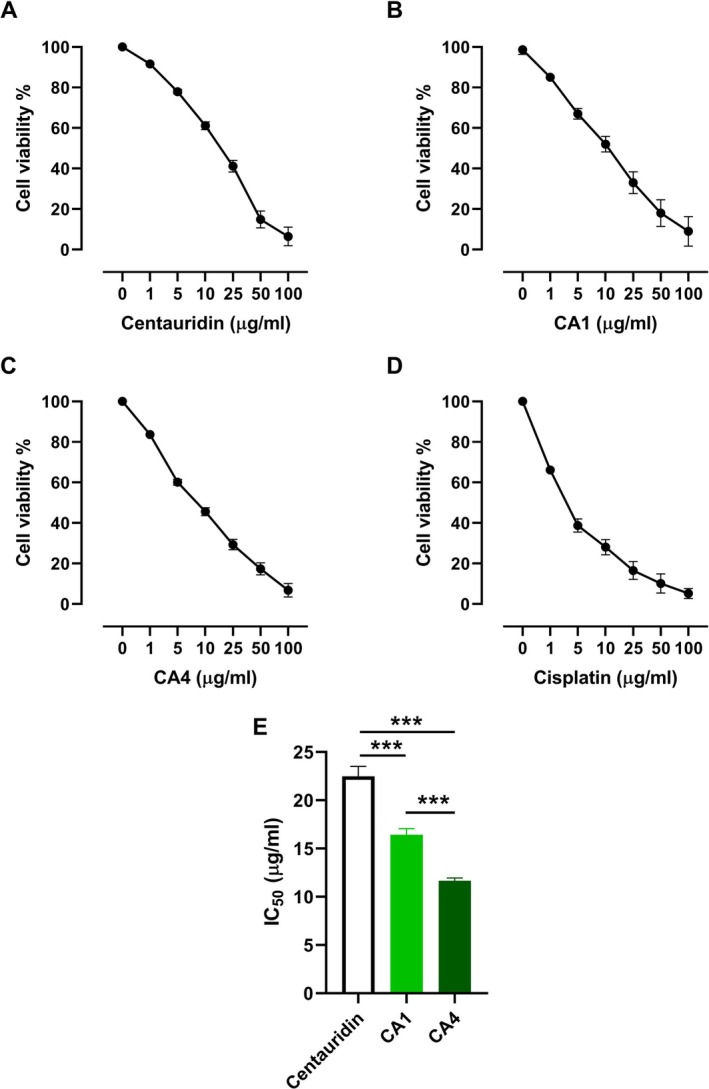 Figure 1
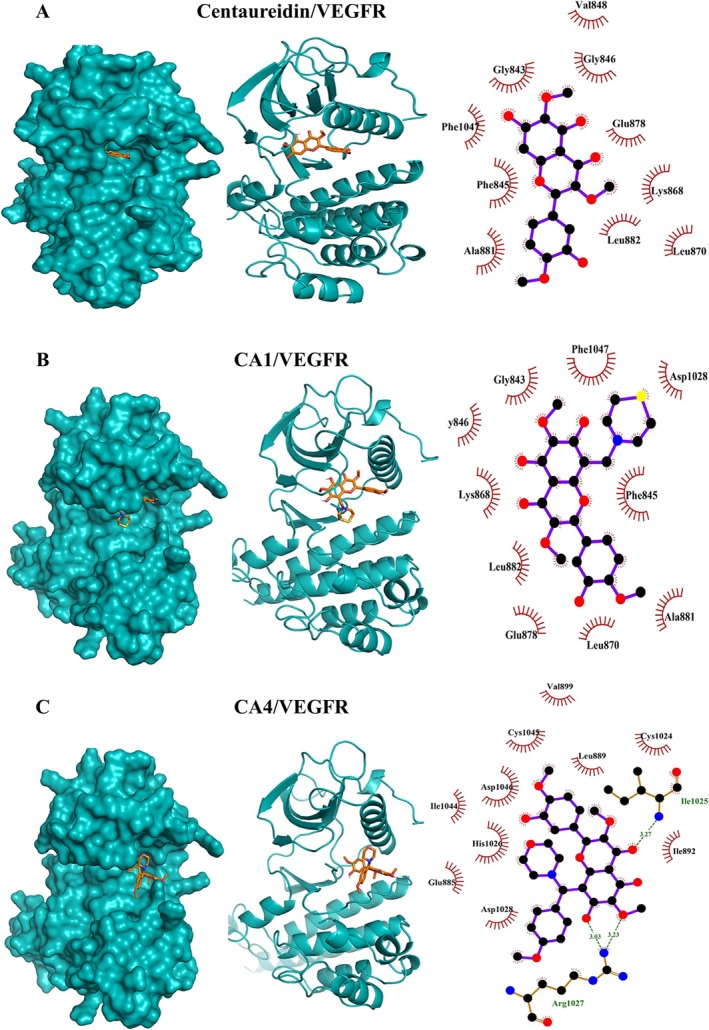 Figure 2
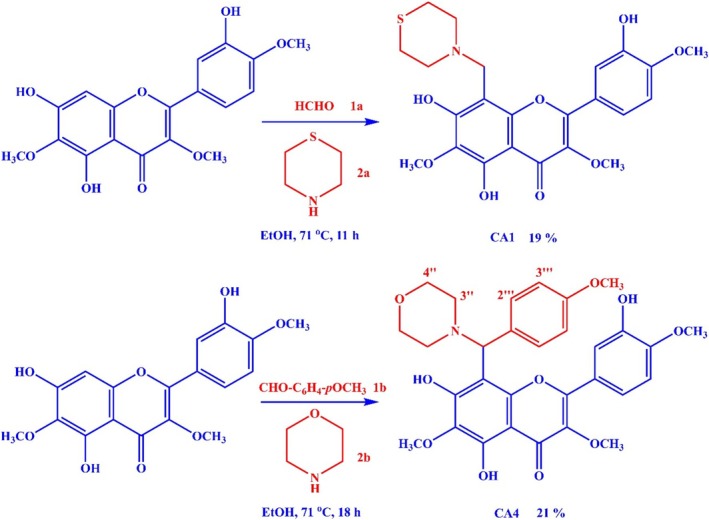 Figure 3
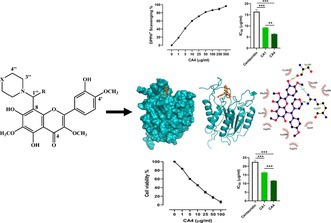 Figure 4
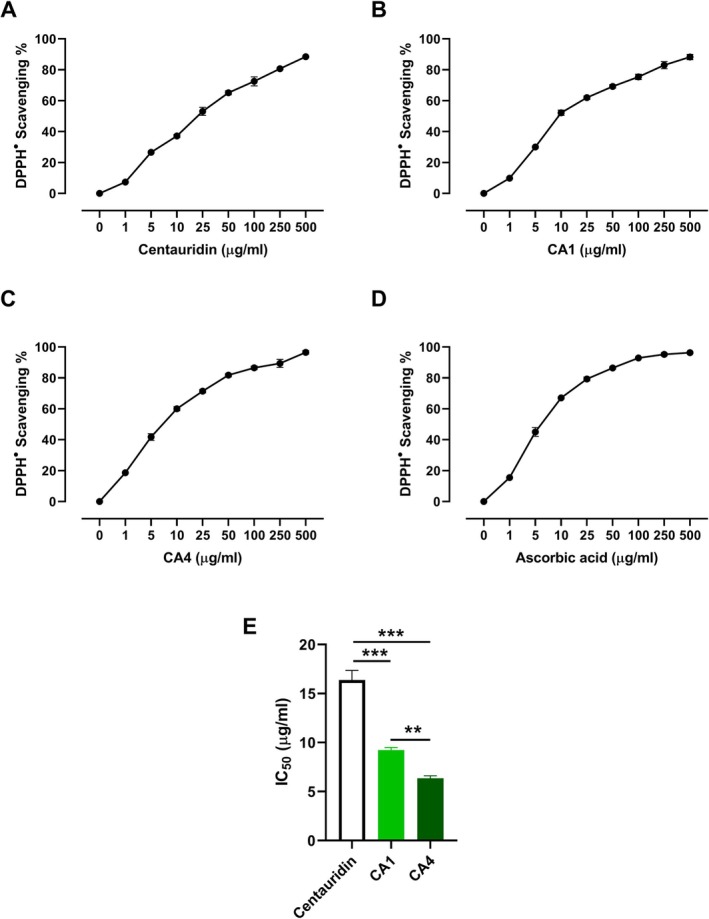 Figure 5
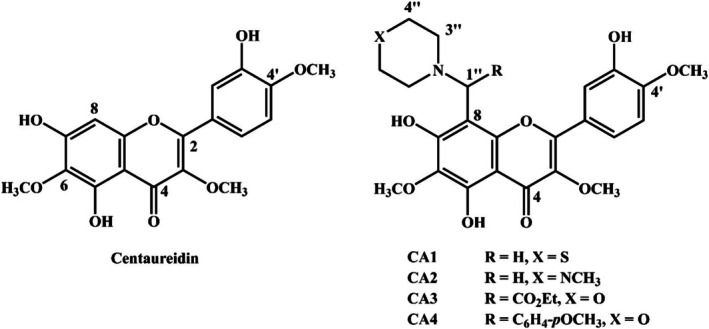 Figure 6
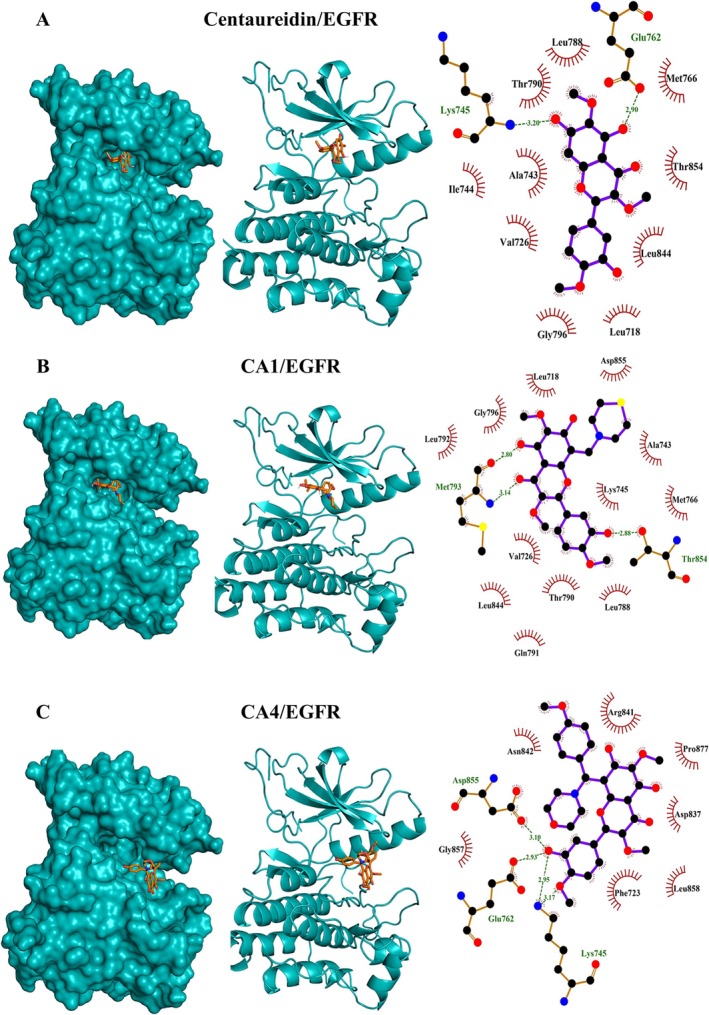 Figure 7
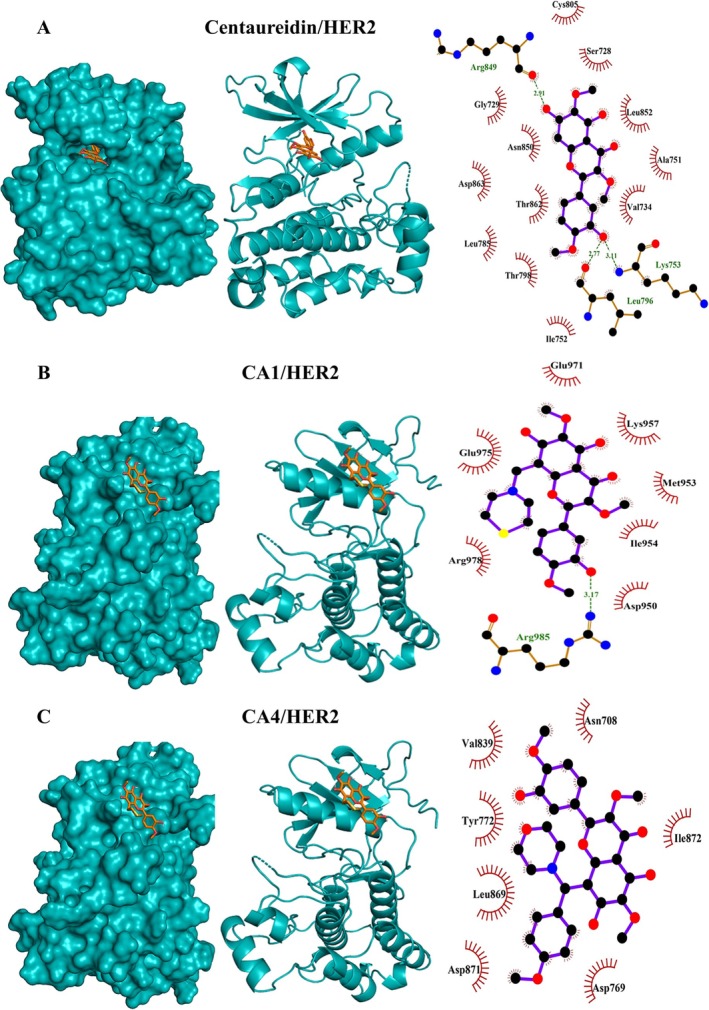 Figure 8
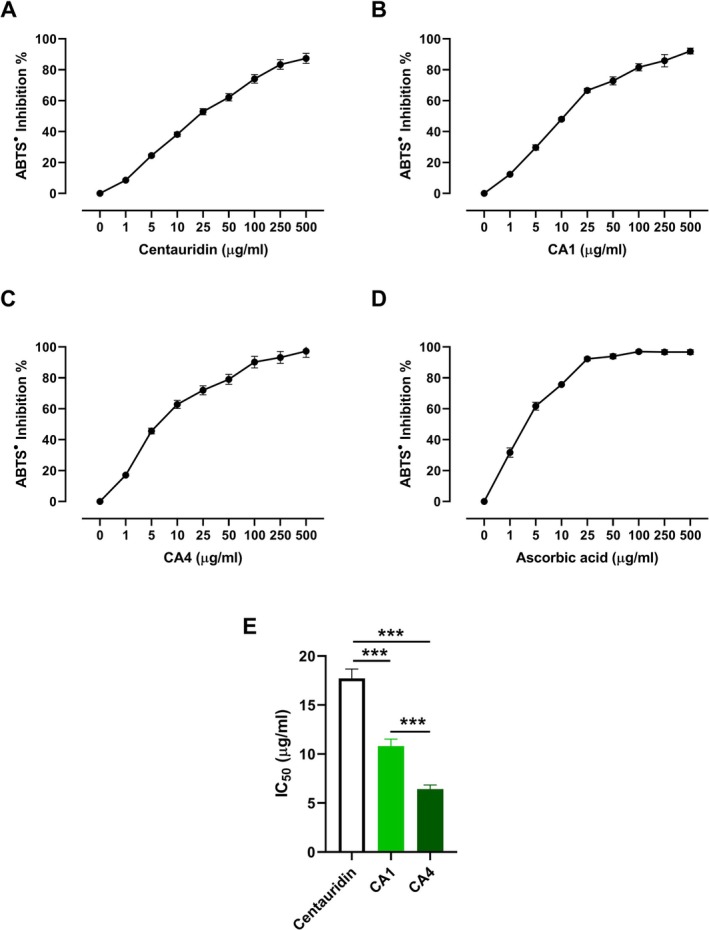 Figure 9
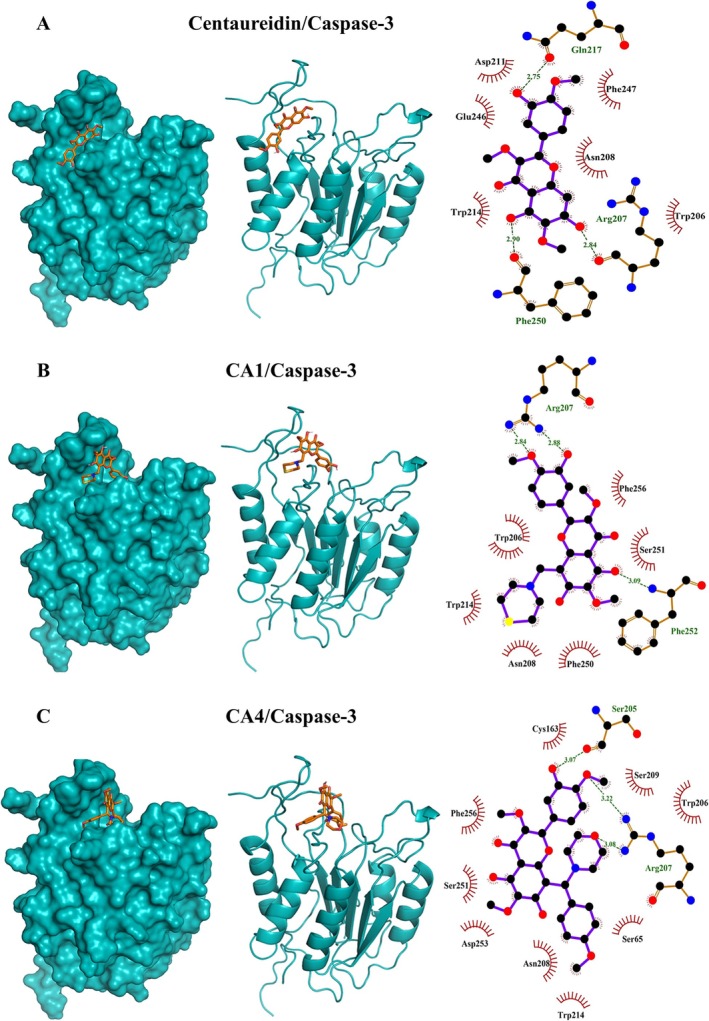 Figure 10
Peer Reviews
No public reviews on file for this paper yet. If you reviewed it on a platform where reviews are public (OpenReview, ICLR, NeurIPS, ICML), you can paste yours below so the community can read it here.
Videos
No videos yet. Explain this paper in a talk, walkthrough, or lecture? Add one.
Taxonomy
TopicsComputational Drug Discovery Methods · Free Radicals and Antioxidants · Bioactive Compounds and Antitumor Agents