Frailty in motion: Amnestic mild cognitive impairment and Alzheimer's disease cohorts display heterogeneity in multimorbidity classification and longitudinal transitions
Linzy Bohn, Yao Zheng, G Peggy McFall, Melissa K Andrew, Roger A Dixon

TL;DR
The study shows that people with memory issues and Alzheimer's show different patterns of health decline over time, including improvement, stability, and worsening.
Contribution
The novel contribution is identifying heterogeneous frailty transitions in aMCI and AD cohorts, including reversion, and linking them to specific person characteristics.
Findings
Factor analyses identified five domains of multimorbidity and deficit indicators at two time points.
Latent Transition Analysis revealed subgroup transitions including progression, stability, and reversion.
Baseline classifications and transitions varied by clinical cohort, cognition, sex, age, and education.
Abstract
Data-driven examination of multiple morbidities and deficits are informative for clinical and research applications in aging and dementia. Resulting profiles may change longitudinally according to dynamic alterations in extent, duration, and pattern of risk accumulation. Do such frailty-related changes include not only progression but also stability and reversion? With cognitively impaired and dementia cohorts, we employed data-driven analytics to (a) detect the extent of heterogeneity in frailty-related multimorbidity and deficit burden subgroups and (b) identify key person characteristics predicting differential transition patterns. We assembled baseline and 2-year follow-up data from the National Alzheimer's Coordinating Center for amnestic mild cognitive impairment (aMCI) and Alzheimer's disease (AD) cohorts. We applied factor analyses to 43 multimorbidity and deficit indicators.…
Genes, proteins, chemicals, diseases, species, mutations and cell lines named across the full text — each resolved to its canonical identifier and authoritative record.
Click any figure to enlarge with its caption.
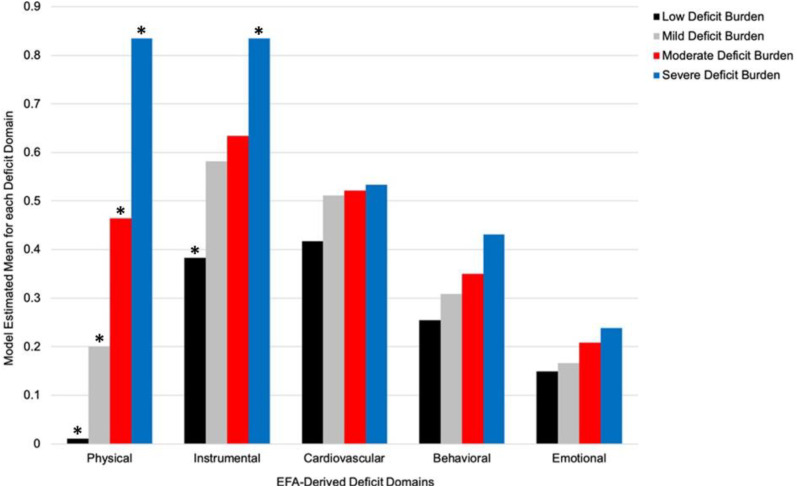 Figure 1
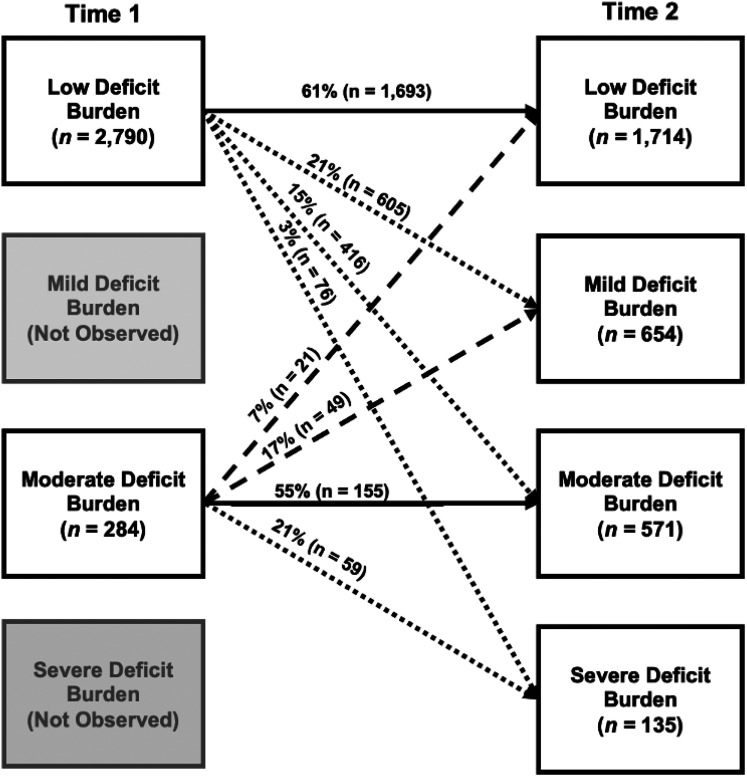 Figure 2
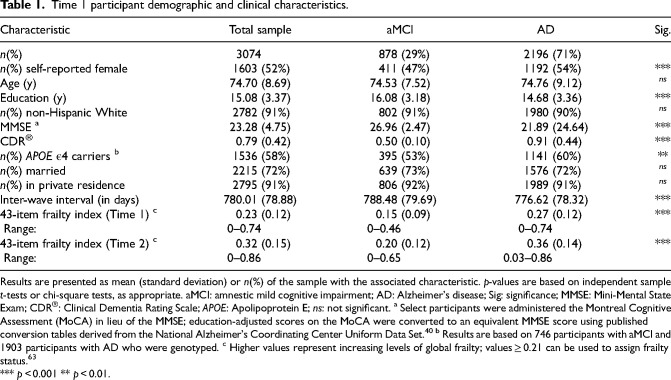 Figure 3
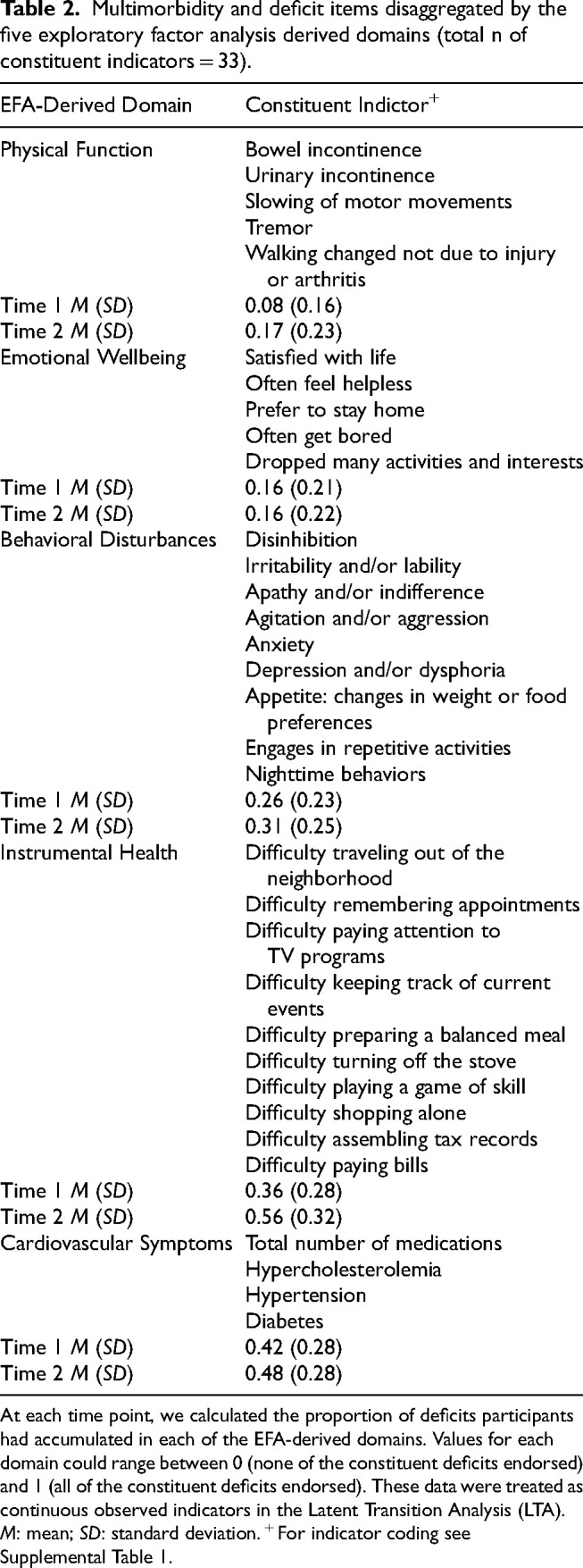 Figure 4
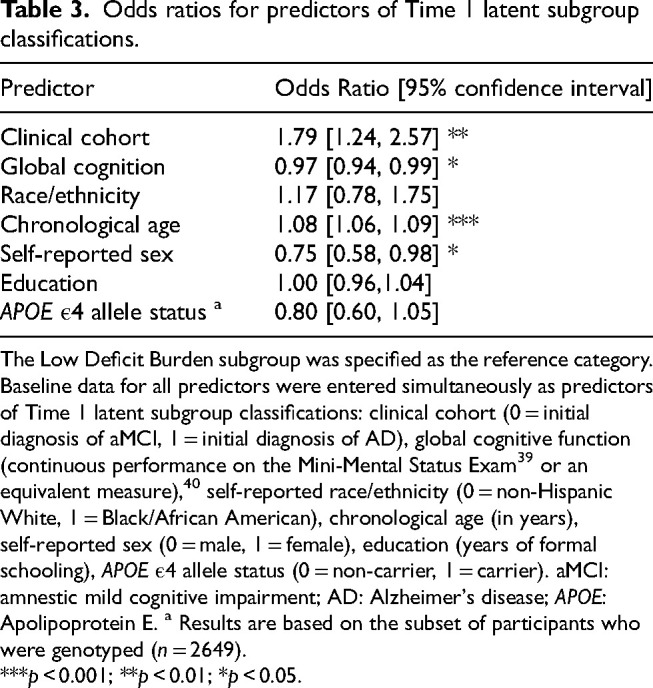 Figure 5
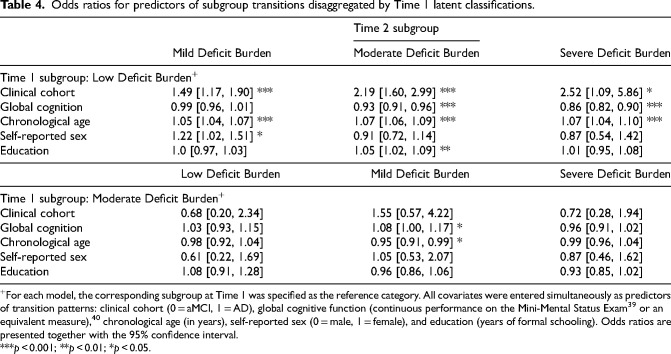 Figure 6
Peer Reviews
No public reviews on file for this paper yet. If you reviewed it on a platform where reviews are public (OpenReview, ICLR, NeurIPS, ICML), you can paste yours below so the community can read it here.
Videos
No videos yet. Explain this paper in a talk, walkthrough, or lecture? Add one.
Taxonomy
TopicsFrailty in Older Adults · Chronic Disease Management Strategies · Dementia and Cognitive Impairment Research