Cathepsin H increases the risk of diabetic retinopathy: evidence from Mendelian randomization and bioinformatic analysis
Xiudao Song, Jin Ma, Ting Zou, Rong Xin Lu, Wei Ji, Fei Huang, Meiqi Yin

TL;DR
This study finds that higher levels of Cathepsin H are linked to increased risk of diabetic retinopathy and its subtypes, suggesting it could be a new target for treatment.
Contribution
The study identifies Cathepsin H as a causal factor in diabetic retinopathy using Mendelian randomization and multi-omics analysis.
Findings
Cathepsin H is causally associated with diabetic retinopathy and maculopathy.
Higher Cathepsin H levels are linked to immune-inflammatory pathways in retinopathy.
No mediation by immunophenotypes was observed in the causal pathways.
Abstract
While lysosomal cathepsins are crucial in cellular homeostasis and may contribute to diabetic chronic complications, their precise causal relationships remain insufficiently characterized. This study employed comprehensive multidimensional Mendelian randomization (MR) analyses to investigate potential causal associations between nine cathepsins (B, E, F, G, H, L2, O, S, and Z) and six diabetic chronic complications encompassing both microvascular (nephropathy, retinopathy, proliferative retinopathy, maculopathy, neuropathy) and macrovascular manifestations (peripheral angiopathy). The analytical framework incorporated generalized summary-data-based MR (GSMR), univariable MR, multivariable MR, summary-data-based MR (SMR), and cis-expression quantitative trait locus (cis-eQTL) MR approaches, utilizing data derived from publicly available genome-wide association studies (GWAS). To further…
Genes, proteins, chemicals, diseases, species, mutations and cell lines named across the full text — each resolved to its canonical identifier and authoritative record.
Click any figure to enlarge with its caption.
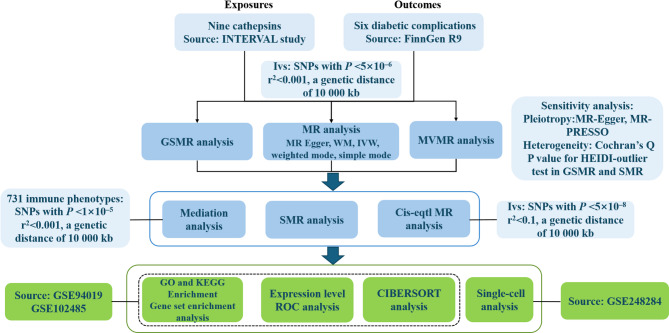 Figure 1
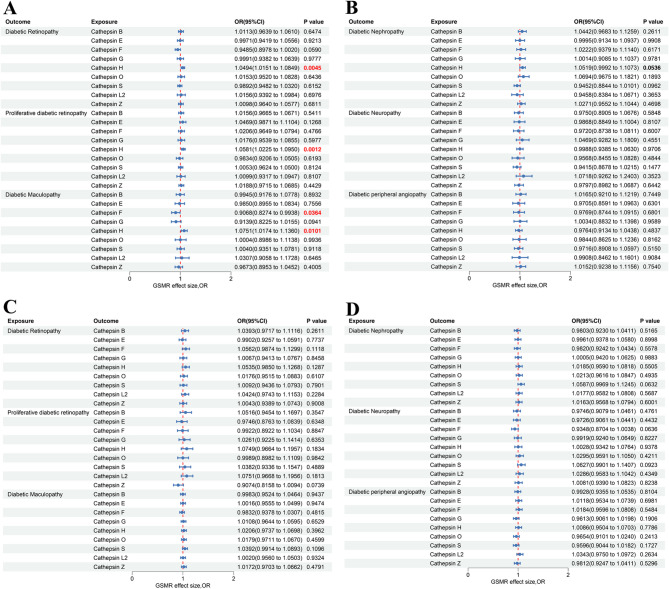 Figure 2
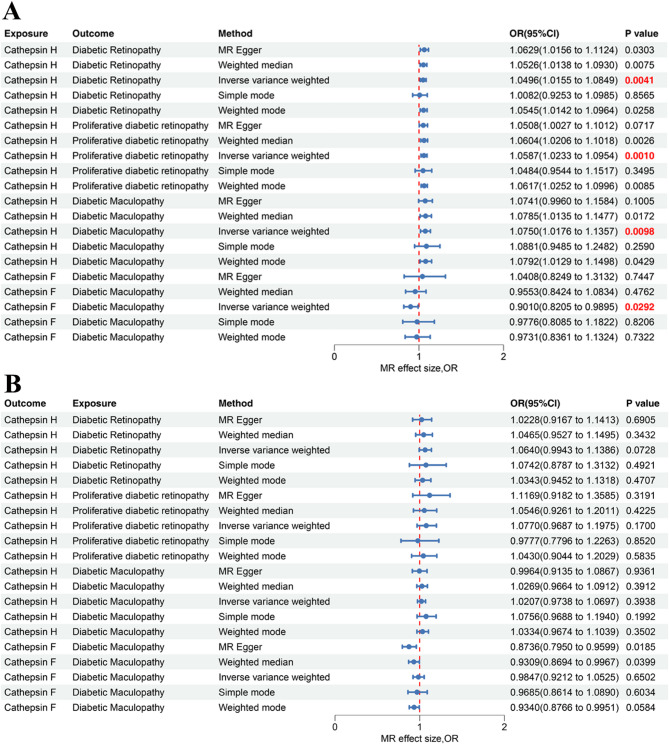 Figure 3
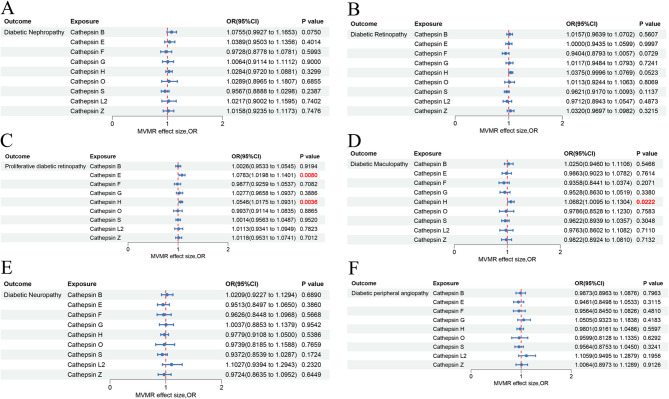 Figure 4
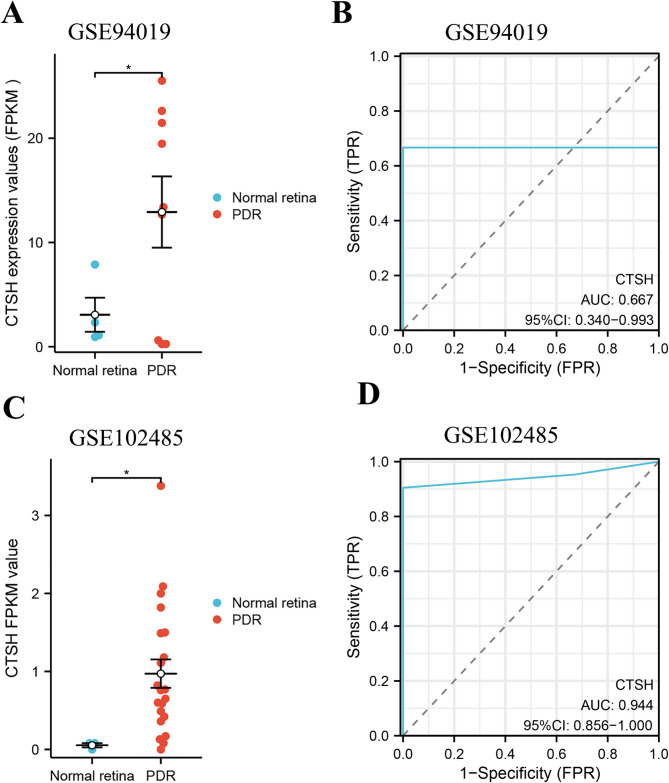 Figure 5
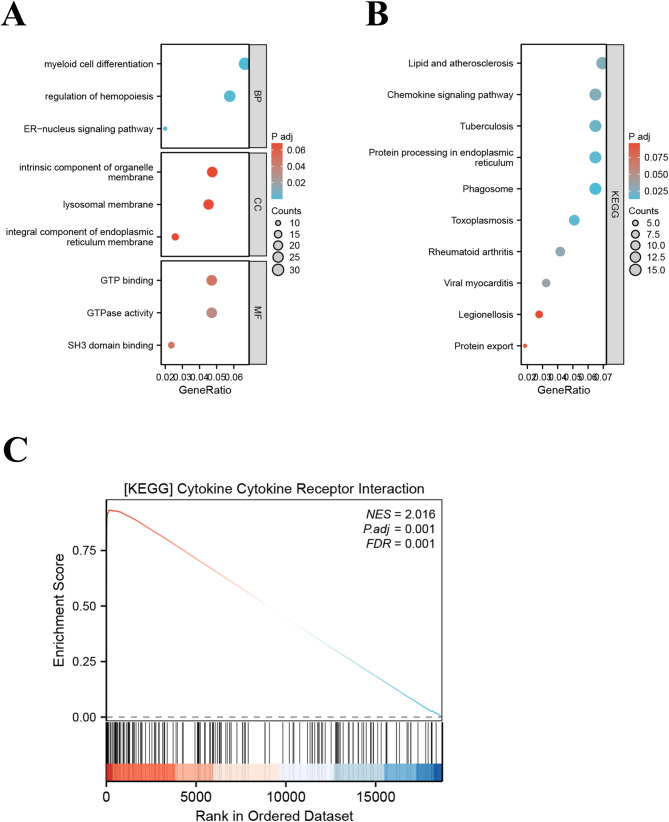 Figure 6
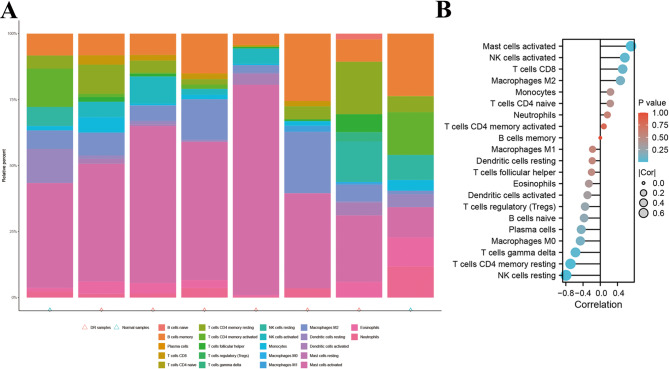 Figure 7
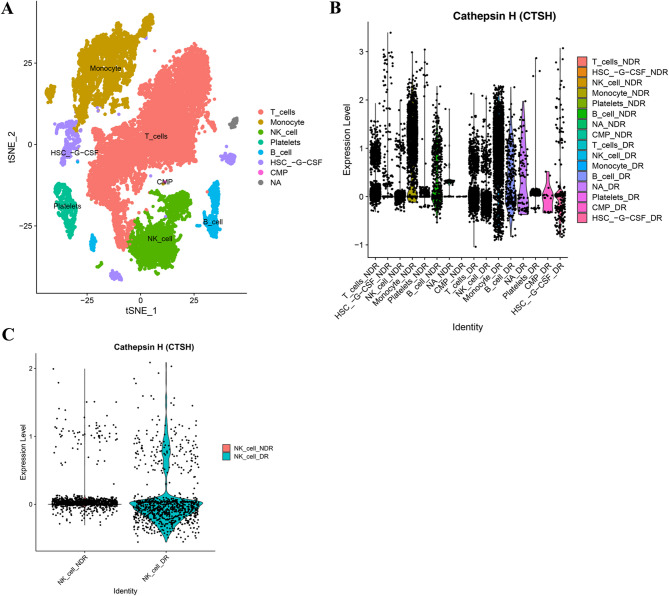 Figure 8
Peer Reviews
No public reviews on file for this paper yet. If you reviewed it on a platform where reviews are public (OpenReview, ICLR, NeurIPS, ICML), you can paste yours below so the community can read it here.
Videos
No videos yet. Explain this paper in a talk, walkthrough, or lecture? Add one.
Taxonomy
TopicsCalpain Protease Function and Regulation · Connexins and lens biology · Clusterin in disease pathology