Developing a learning tool for advanced life support and resuscitation: Performance Reflection Model for Resuscitation (PRM-Resus)
Yoriko Kikkawa, Leah McIntosh, Timothy J. Mavin, Melanie Barlow, Liam O’Brien, Steven Hodge, Sarah Janssens

TL;DR
This study developed a new learning tool called PRM-Resus to improve advanced life support training by helping learners reflect on their performance and understand team roles better.
Contribution
The study introduces PRM-Resus, a structured performance reflection model integrated with team models and video examples for advanced life support training.
Findings
PRM-Resus includes four domains with behavioral descriptors that experts found clear and educationally valuable.
The tool showed high internal consistency (α > 0.95) and supported deeper performance analysis in simulation training.
Combining PRM-Resus with the ALS Team Model and video exemplars enhanced post-simulation reflection and feedback delivery.
Abstract
Acquiring proficiency in advanced life support (ALS) can pose challenges for novice learners. Simulation-based training (SBT) is widely used to address this, offering learners opportunities to practise and receive feedback during debriefing. However, existing performance tools often lack the clarity, behavioural specificity, and educational scaffolding required to support deep reflective learning. This study aimed to develop and evaluate the Performance Reflection Model for Resuscitation (PRM-Resus) and to integrate it with the ALS Team Model and structured video exemplars as a comprehensive learning package to enhance ALS training. The study involved four phases. Phase 1 created the ALS Team Model to clarify individual roles. Phase 2 focused on co-designing PRM-Resus, using team expertise and the Team Model to create behaviourally anchored performance descriptors. In Phase 3, video…
Genes, proteins, chemicals, diseases, species, mutations and cell lines named across the full text — each resolved to its canonical identifier and authoritative record.
Click any figure to enlarge with its caption.
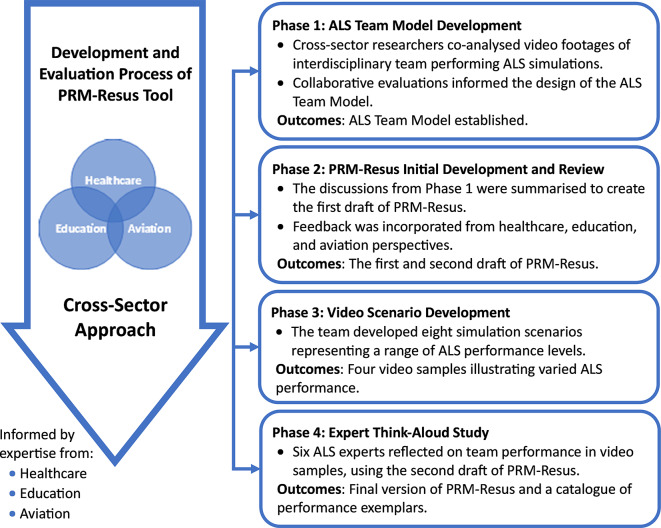 Figure 1
 Figure 2
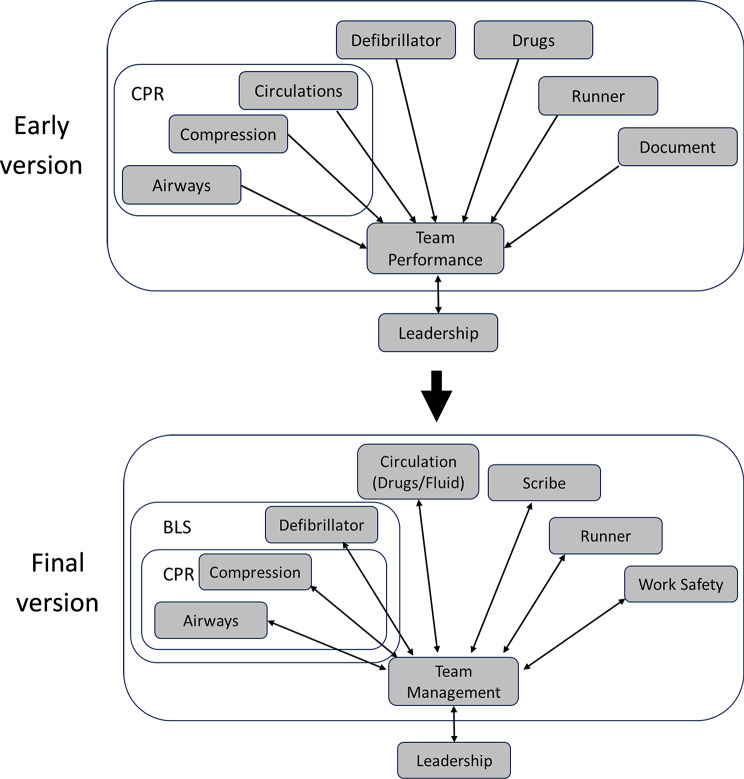 Figure 3
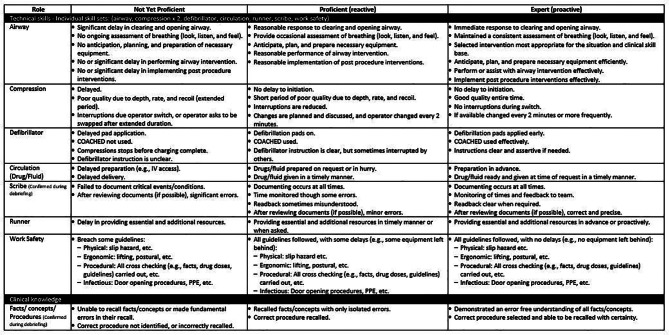 Figure 4
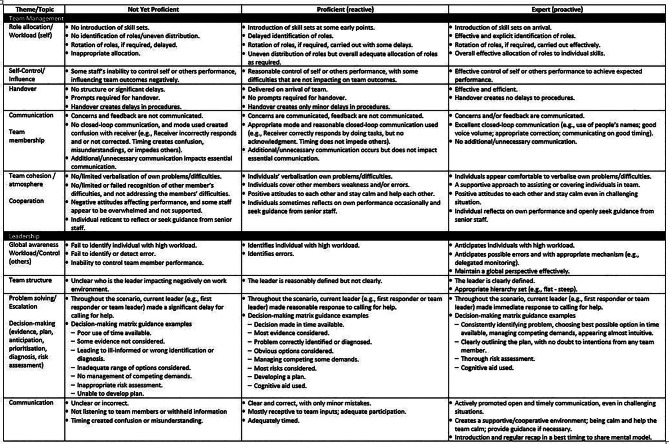 Figure 5
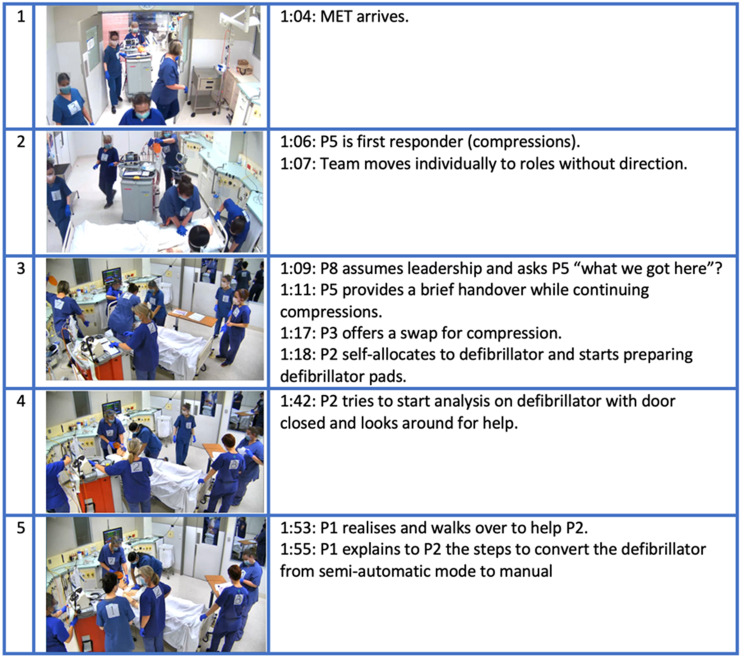 Figure 6
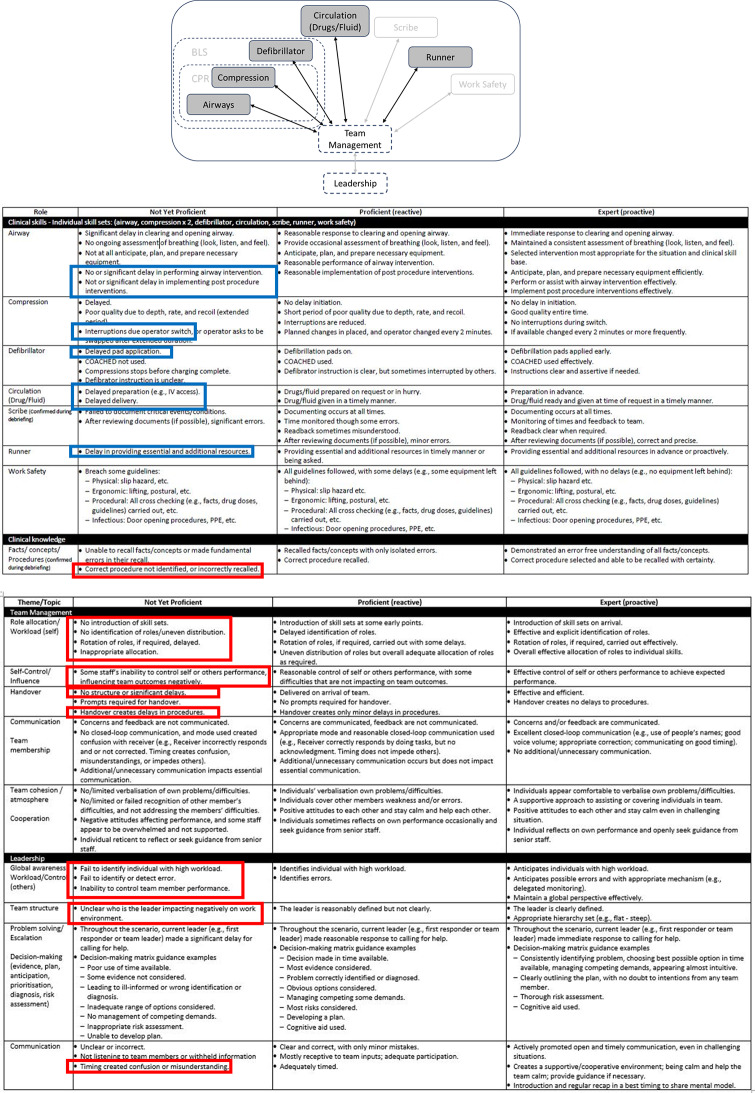 Figure 7
Peer Reviews
No public reviews on file for this paper yet. If you reviewed it on a platform where reviews are public (OpenReview, ICLR, NeurIPS, ICML), you can paste yours below so the community can read it here.
Videos
No videos yet. Explain this paper in a talk, walkthrough, or lecture? Add one.
Taxonomy
TopicsSimulation-Based Education in Healthcare · Cardiac Arrest and Resuscitation · Patient Safety and Medication Errors