Empirical classification of fatigue-induced physiological tremor in robot-assisted manipulation tasks using BiLSTM-GRU network
Poongavanam Palani, Siddhant Panigrahi, Gunarajulu Renganathan, Yuichi Kurita, Asokan Thondiyath

TL;DR
This study uses a new neural network to classify fatigue-induced tremors during robotic surgery tasks, achieving high accuracy to help surgeons manage tremors effectively.
Contribution
A novel BiLSTM-GRU network is introduced for classifying fatigue-induced tremor stages with high accuracy using multimodal sensor data.
Findings
The proposed BiLSTM-GRU model achieved 99% classification accuracy for tremor stages.
Cross-sectional area changes from vision sensors improved tremor classification performance.
Fatigue progression was effectively tracked through repeated pattern-tracing tasks.
Abstract
Physiological tremor arises due to stress, anxiety, fatigue, alcohol or caffeine. Under conventional circumstances, the physiological tremor would not be detrimental. Still, the mere presence of such a tremor during any microsurgical procedure can be catastrophic. In these instances, it is necessary to predict the progression of the tremor. This article proposes a novel sensing methodology and adds a distinctive feature to aid in classification. The classification of the progressive stages of fatigue-induced physiological tremor (FIPT) is based on the hybrid bidirectional long short-term memory neural network with a Gated Recurrent Unit (BiLSTM-GRU) presented in this work. Twenty healthy participants volunteered in the study, where a teleoperation stage was set up using the Geomagic Haptic device—Touch. On the master end, the participants were seated comfortably and asked to trace the…
Genes, proteins, chemicals, diseases, species, mutations and cell lines named across the full text — each resolved to its canonical identifier and authoritative record.
Click any figure to enlarge with its caption.
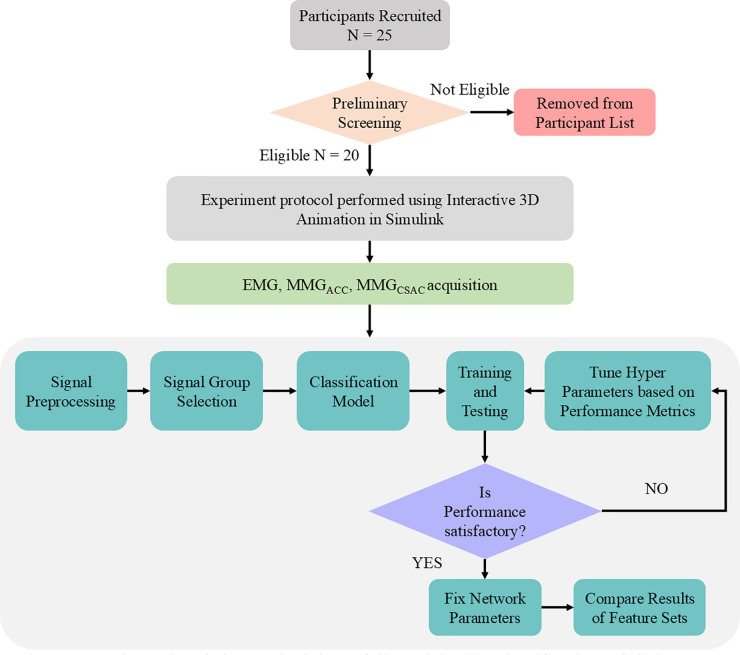 Figure 1
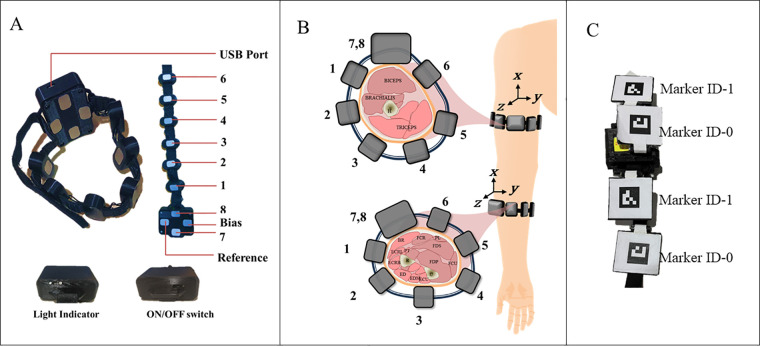 Figure 2
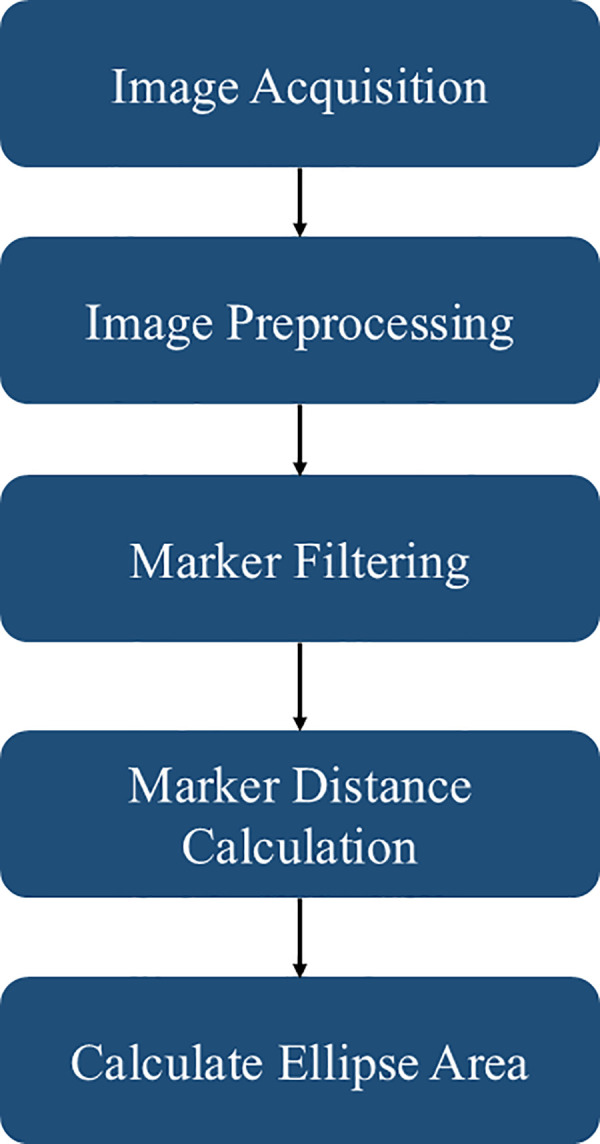 Figure 3
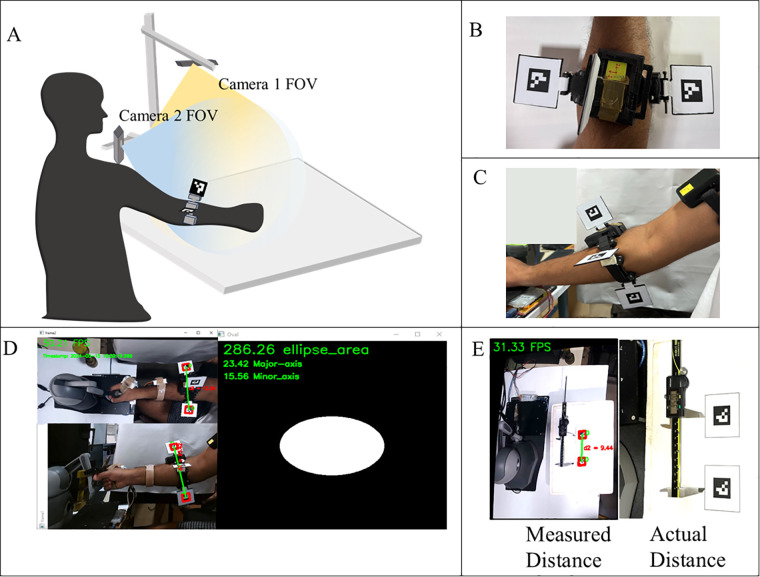 Figure 4
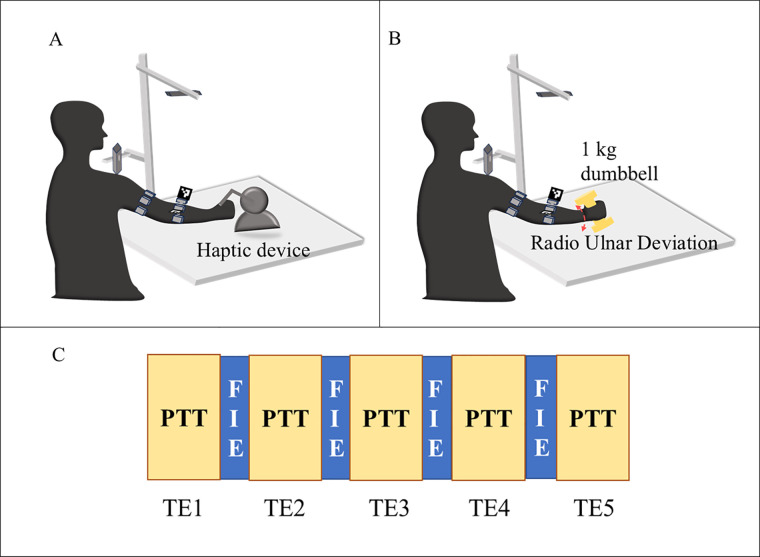 Figure 5
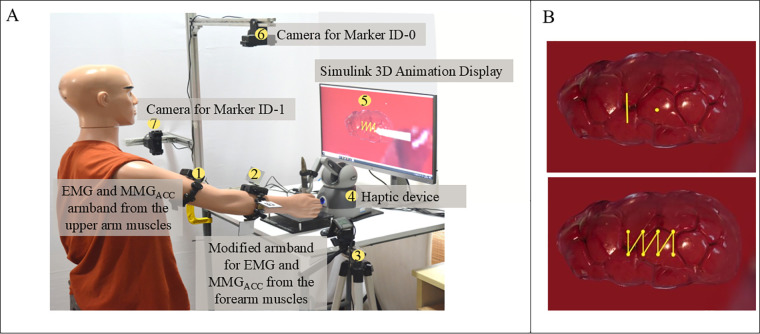 Figure 6
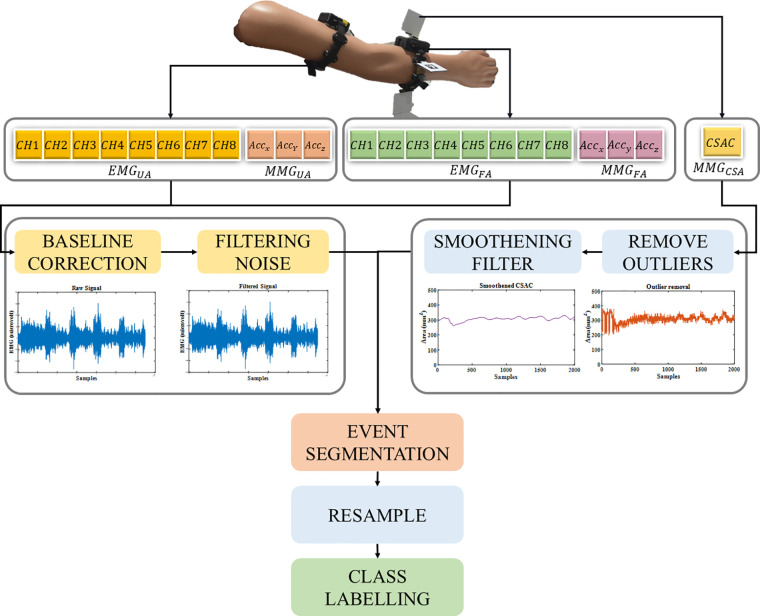 Figure 7
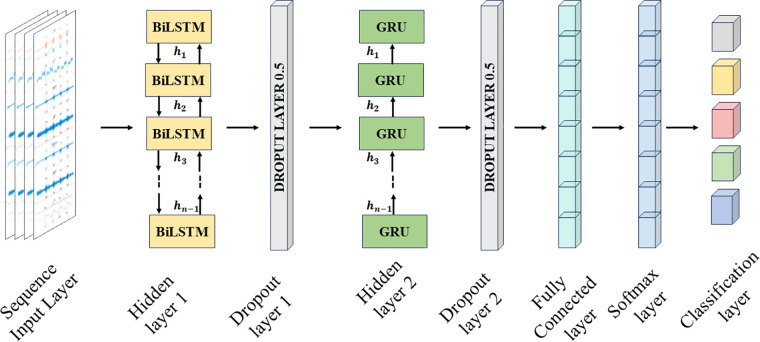 Figure 8
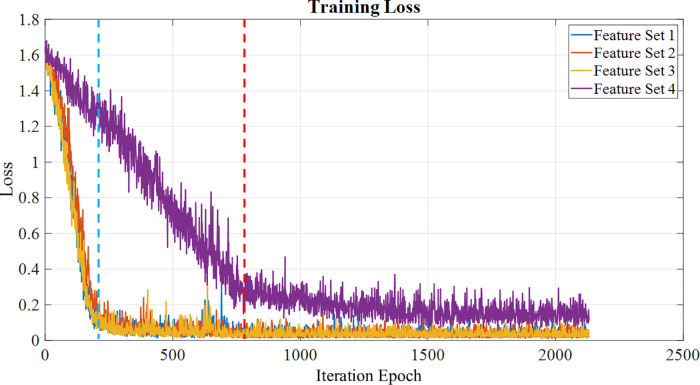 Figure 9
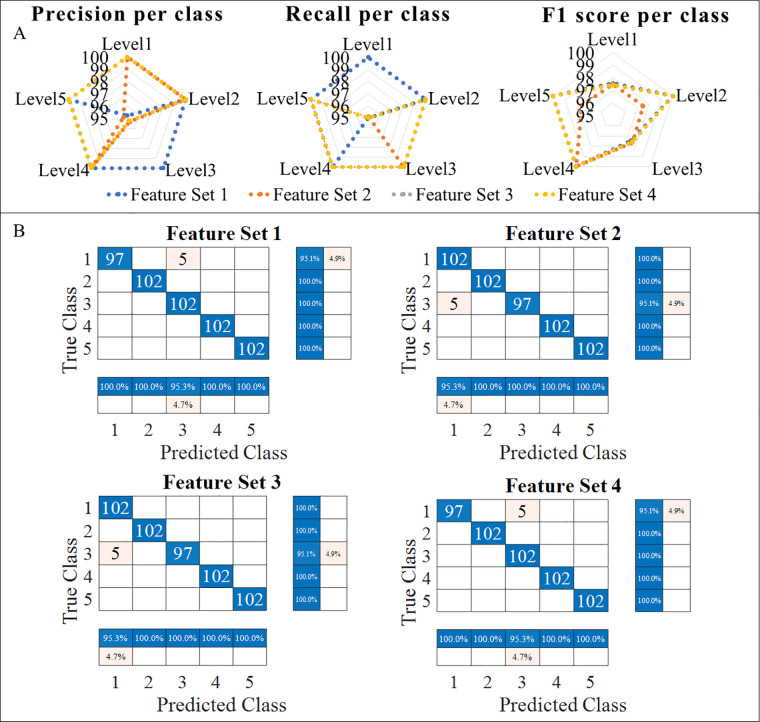 Figure 10
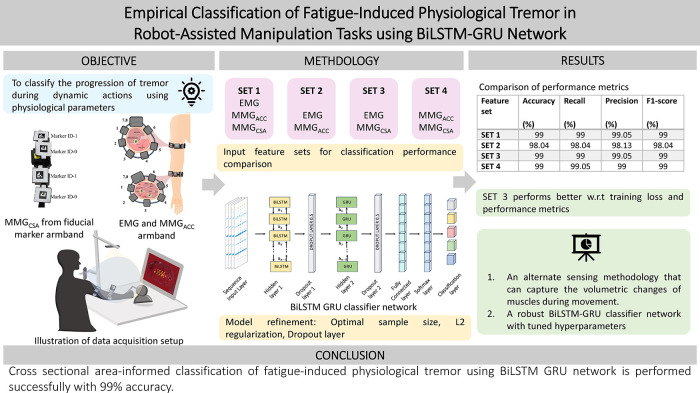 Figure 11
Peer Reviews
No public reviews on file for this paper yet. If you reviewed it on a platform where reviews are public (OpenReview, ICLR, NeurIPS, ICML), you can paste yours below so the community can read it here.
Videos
No videos yet. Explain this paper in a talk, walkthrough, or lecture? Add one.
Taxonomy
TopicsNeurological disorders and treatments · EEG and Brain-Computer Interfaces · Neuroscience and Neural Engineering