Applying user-centered design to enhance the usability and acceptability of an mHealth supervision tool for community health workers delivering an evidence-based intervention in rural Sierra Leone
Cara M. Antonaccio, Justin Preston, Chokdee Rutirasiri, Sunand Bhattacharya, Musu Moigua, Mahmoud Feika, Alethea Desrosiers, Sonal Mathur, Eugene Augusterfer, Sonal Mathur

TL;DR
A user-centered design approach was used to improve an mHealth tool for community health workers in rural Sierra Leone, making it more usable and acceptable despite challenges like connectivity.
Contribution
The study demonstrates how user-centered design can enhance mHealth tool usability in low-resource settings by incorporating feedback from health workers and supervisors.
Findings
The mHealth supervision tool was generally perceived as easy to use by community health workers and supervisors.
Challenges included connectivity issues, phone charging difficulties, and the need for more comprehensive training and support.
User-centered design improved the tool's usability and acceptability in a low-resource context.
Abstract
Mobile health (mHealth) platforms have the potential to increase access to evidence-based interventions in low-resource settings. This study applied a user-centered design (UCD) approach to develop and evaluate an mHealth supervision tool for community health workers (CHWs) delivering an early childhood development intervention in rural Sierra Leone. We engaged CHWs (N=8) and supervisors (N=4) in focus group discussions, user testing sessions and exit interviews to gather feedback on the mHealth supervision tool’s usability and acceptability. Mixed methods findings indicated that the tool was generally well-received and perceived as easy to use, but there were also challenges related to connectivity, phone charging and the need for more comprehensive training and support. Overall, this study suggests that a UCD approach can promote the usability of mHealth tools to support CHWs in…
Genes, proteins, chemicals, diseases, species, mutations and cell lines named across the full text — each resolved to its canonical identifier and authoritative record.
Click any figure to enlarge with its caption.
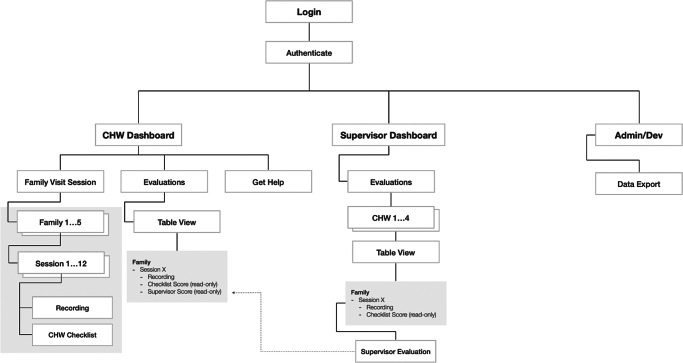 Figure 1
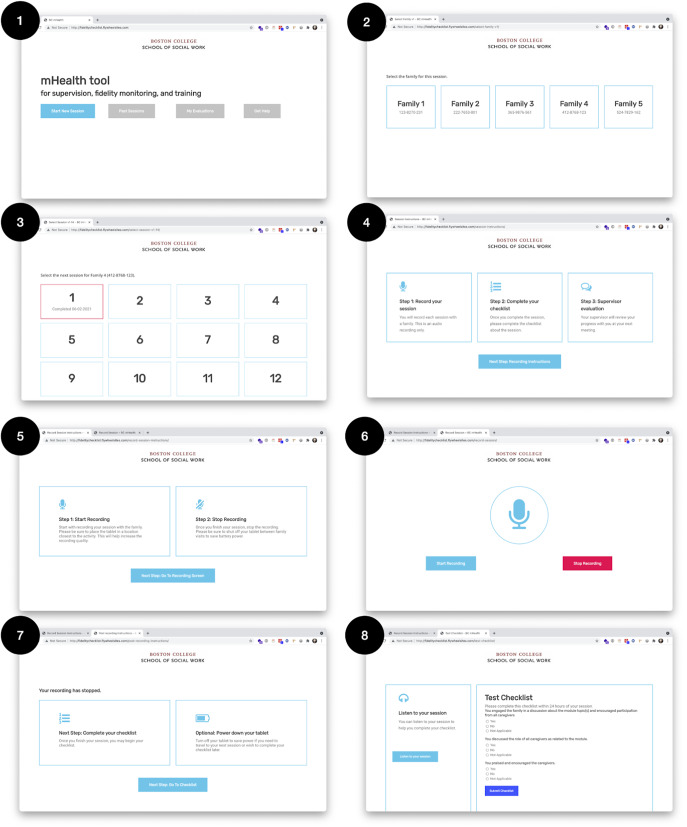 Figure 2
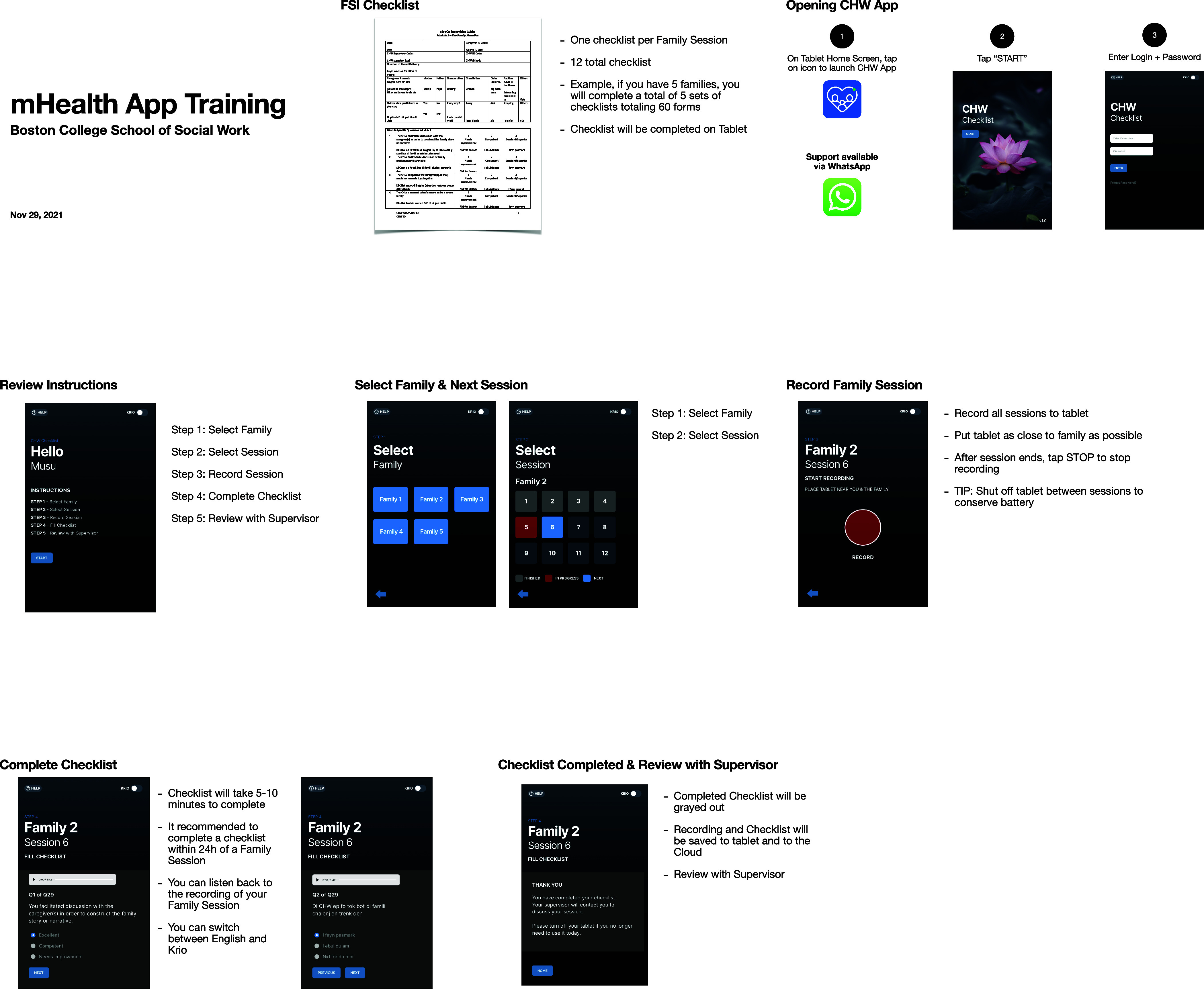 Figure 3
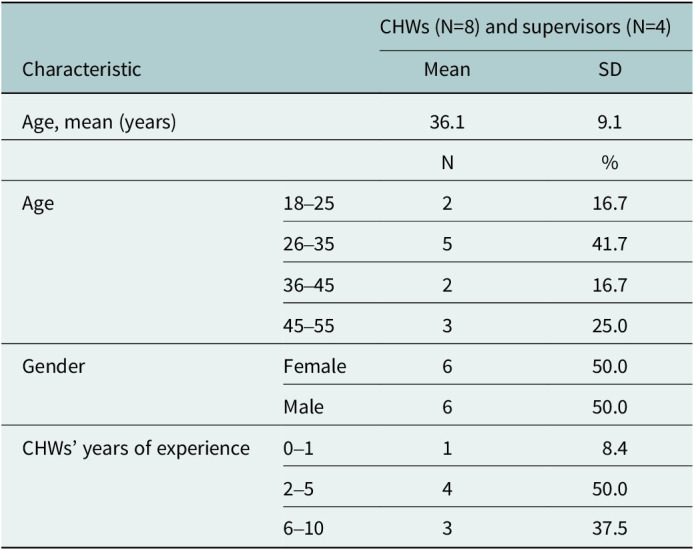 Figure 4
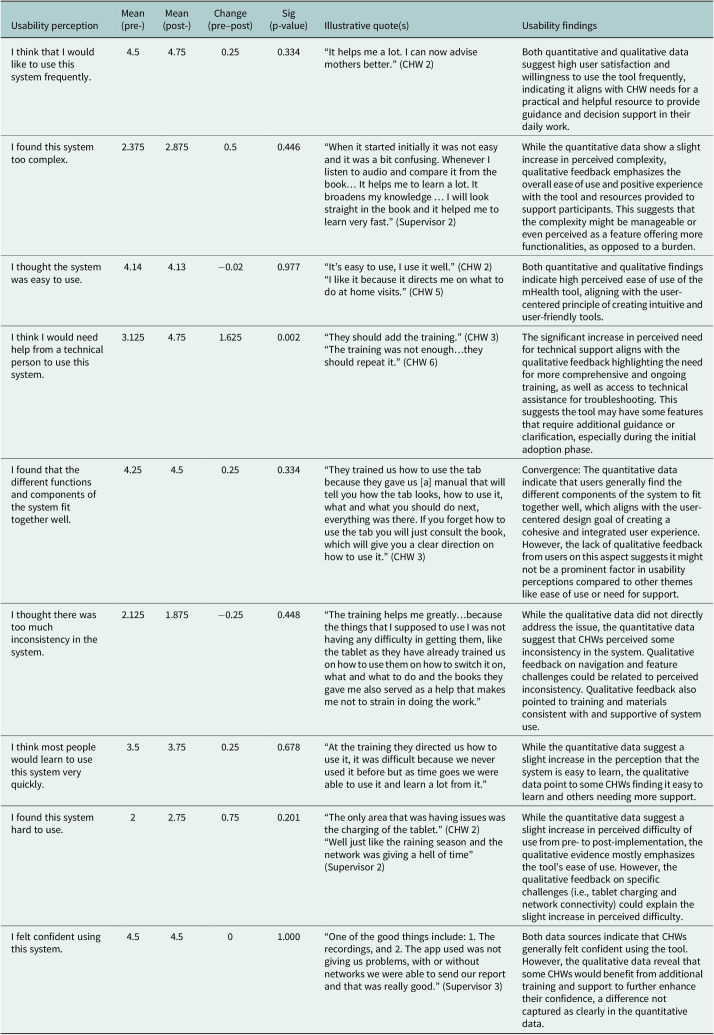 Figure 5
Peer Reviews
No public reviews on file for this paper yet. If you reviewed it on a platform where reviews are public (OpenReview, ICLR, NeurIPS, ICML), you can paste yours below so the community can read it here.
Videos
No videos yet. Explain this paper in a talk, walkthrough, or lecture? Add one.
Taxonomy
TopicsMobile Health and mHealth Applications