Patch clamp recordings of action potentials from pyramidal neuron in hippocampus CA1 under focused ultrasound neurostimulation with MEMS self-focusing acoustic transducer
Jaehoon Lee, Yongkui Tang, Akash Roy, Kianoush Sadeghian Esfahani, Su-Youne Chang, Eun S Kim

TL;DR
This study uses focused ultrasound to modulate action potentials in hippocampal neurons, showing both inhibitory and excitatory effects based on stimulation parameters.
Contribution
A novel neuromodulation platform combining high-frequency focused ultrasound with real-time patch clamp recordings at single-neuron resolution.
Findings
FUS induces both inhibitory and excitatory effects on action potential firing in hippocampal neurons.
Inhibition was dominant, with optimal results at 60 Vpp, 35 kCycles/pulse, and 100 Hz PRF.
Excitation was mainly due to thermal effects, observed at 120 Vpp, 50 kCycles/pulse, and 20 Hz PRF.
Abstract
Objective. This study aims to investigate the modulatory effects of focused ultrasound (FUS) on neuronal activity at the single-cell level, using whole-cell patch clamp recordings in hippocampal slices. Approach. A self-focused acoustic transducer (SFAT) was designed and fabricated on a 127 µm-thick translucent lead zirconate titanate substrate to allow infrared light transmission for visualizing neurons during patch clamp experiments. The SFAT operates at 18.4 MHz, producing low-intensity FUS with a 46 µm focal diameter at a depth of 400 µm. Three types of SFAT—active, FUS-blocking control, and low-electromagnetic interference (EMI) versions—were developed to assess the effects of acoustic stimulation, thermal heating, and EMI. Neuronal responses were recorded across 78 tissue samples from 29 animals using 48 combinations of acoustic parameters, including peak-to-peak voltage, pulse…
Genes, proteins, chemicals, diseases, species, mutations and cell lines named across the full text — each resolved to its canonical identifier and authoritative record.
Click any figure to enlarge with its caption.
 Figure 1
 Figure 2
 Figure 3
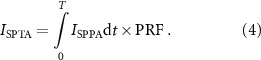 Figure 4
 Figure 5
 Figure 6
 Figure 7
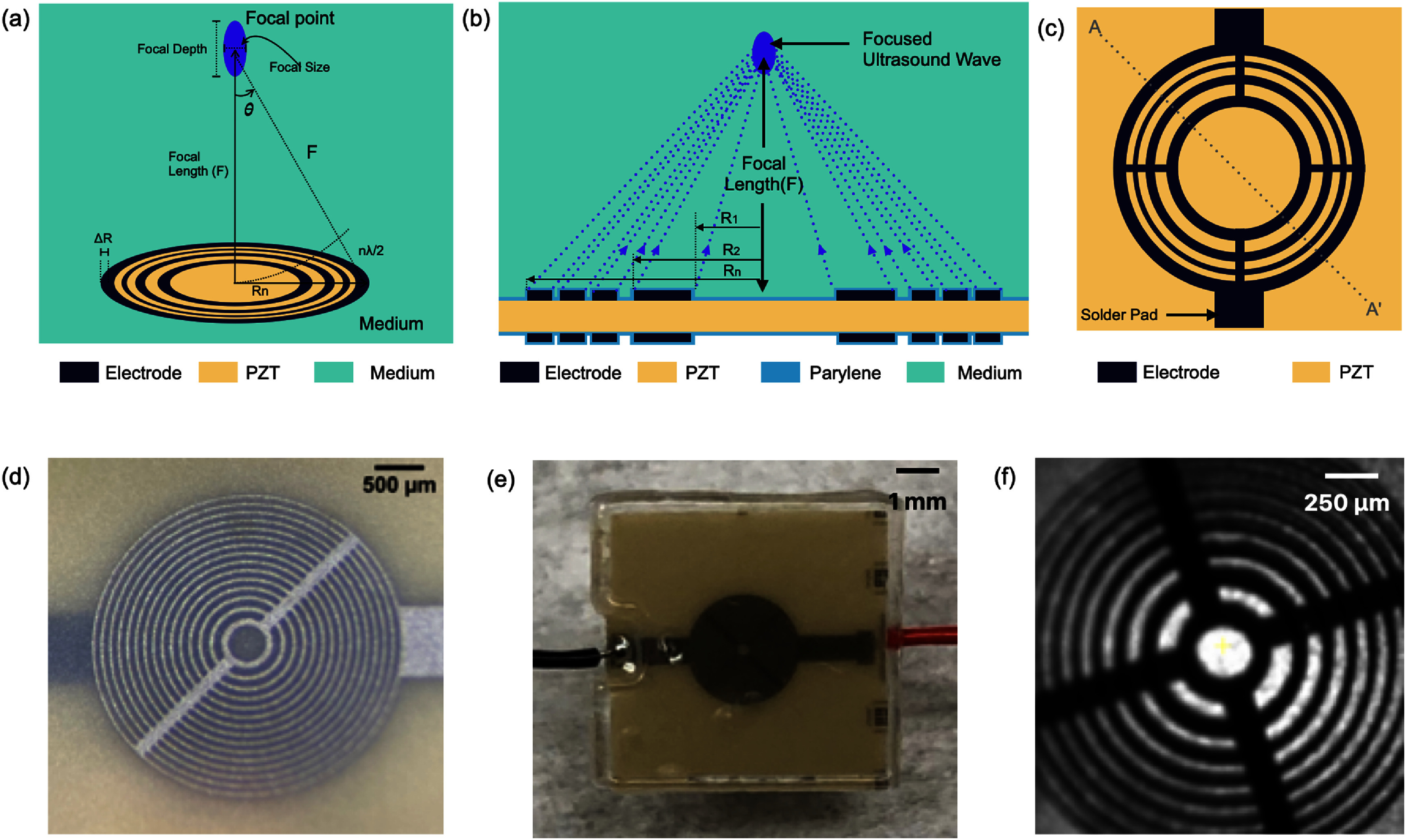 Figure 8
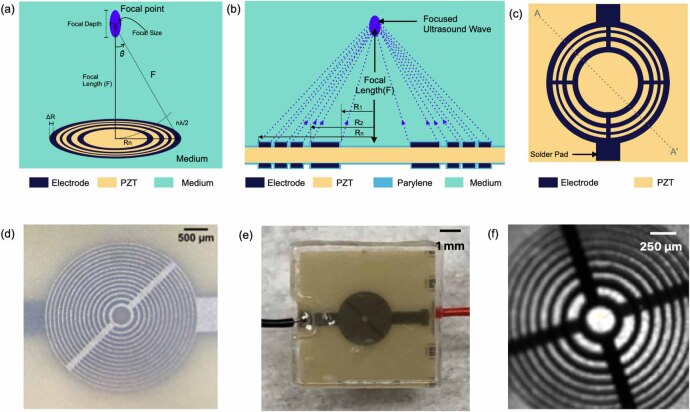 Figure 9
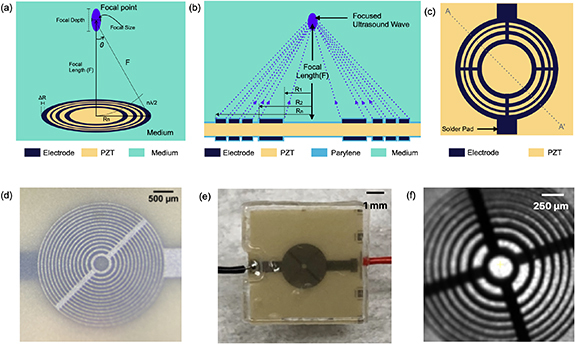 Figure 10
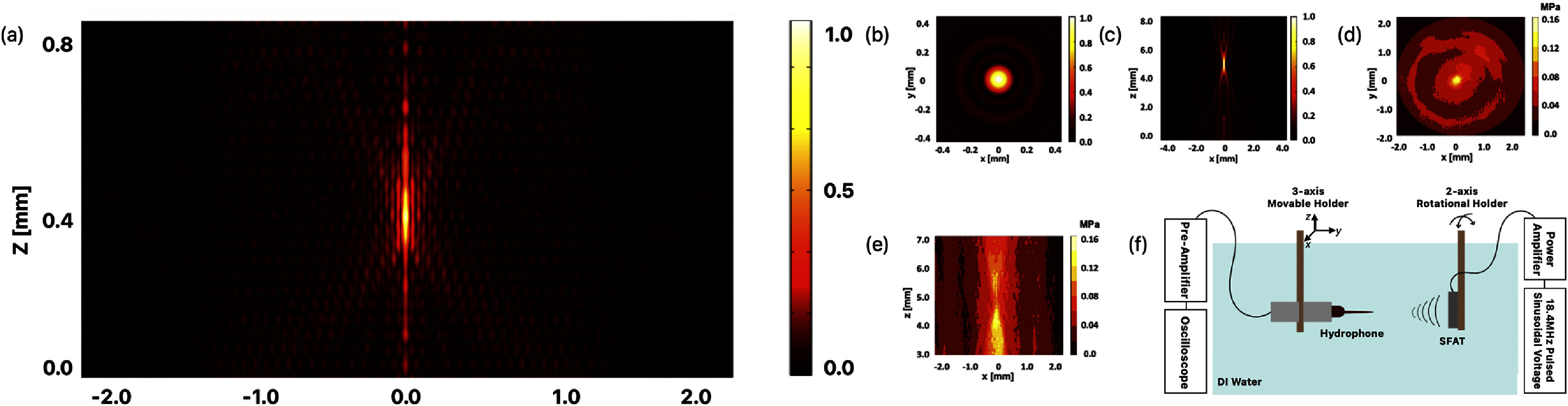 Figure 11
 Figure 12
 Figure 13
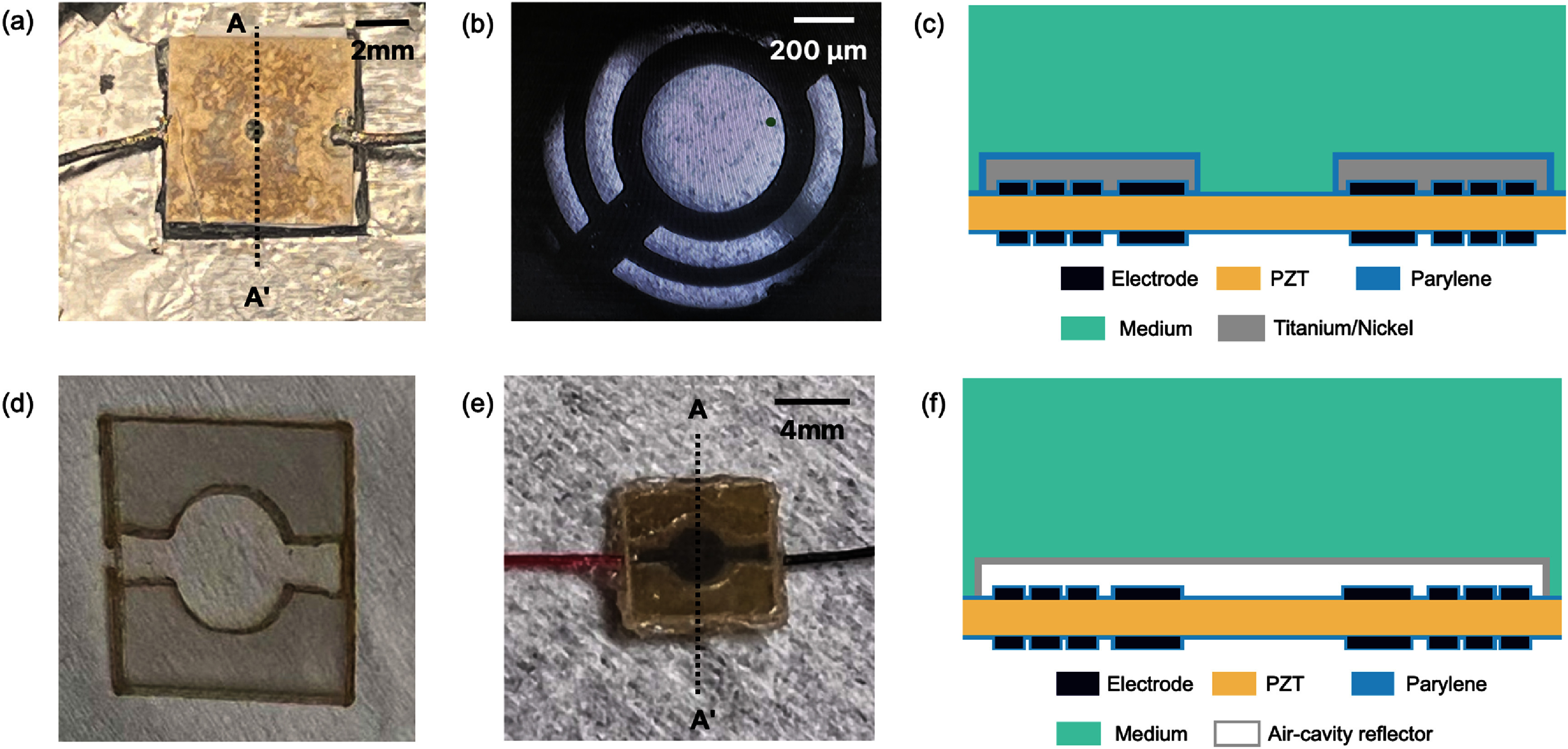 Figure 14
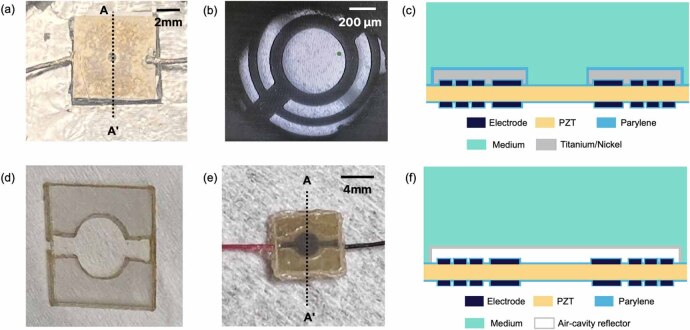 Figure 15
 Figure 16
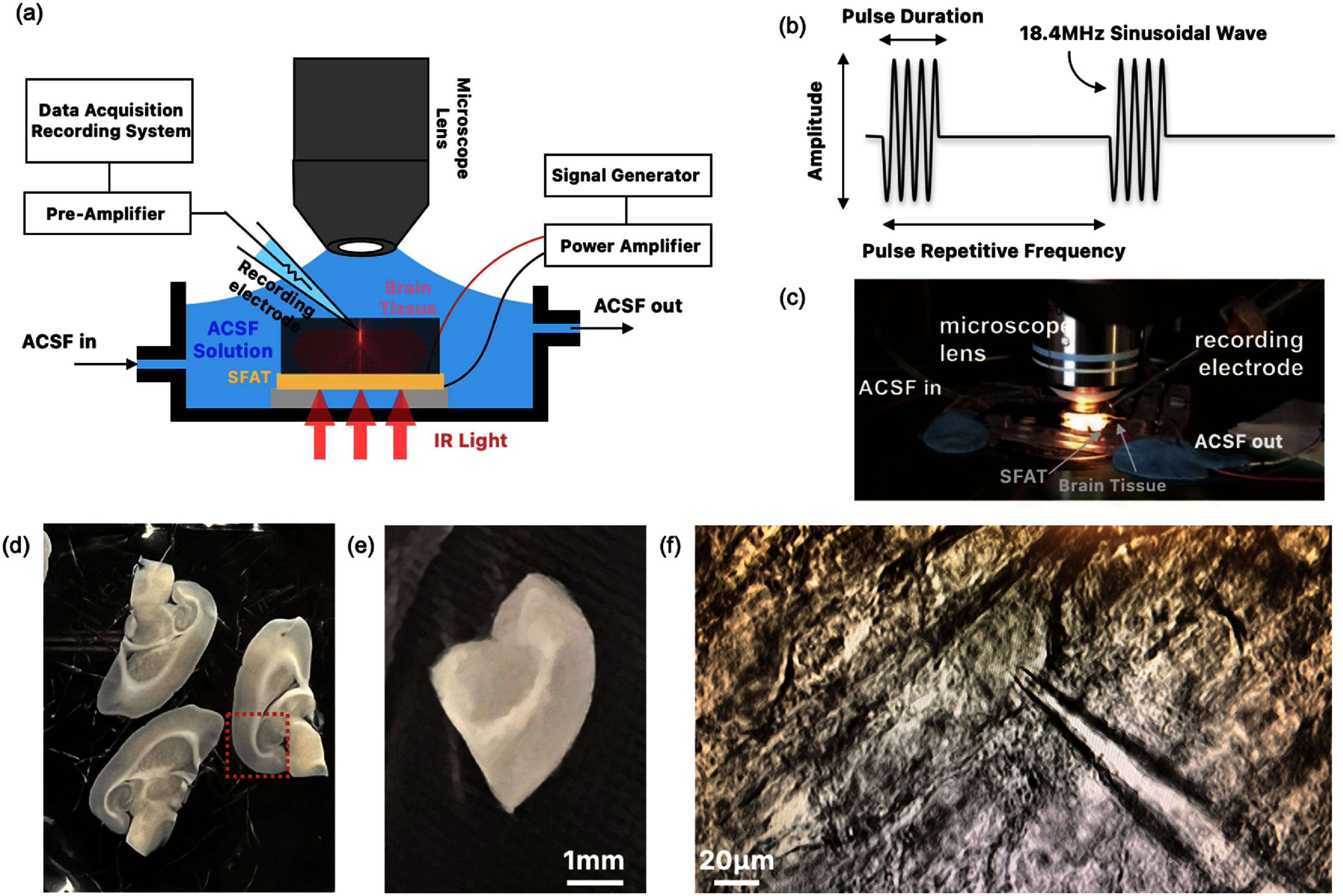 Figure 17
 Figure 18
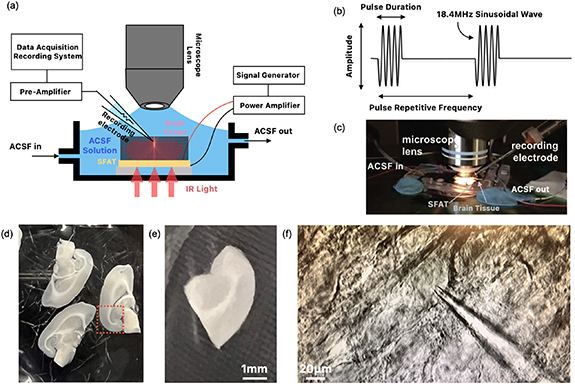 Figure 19
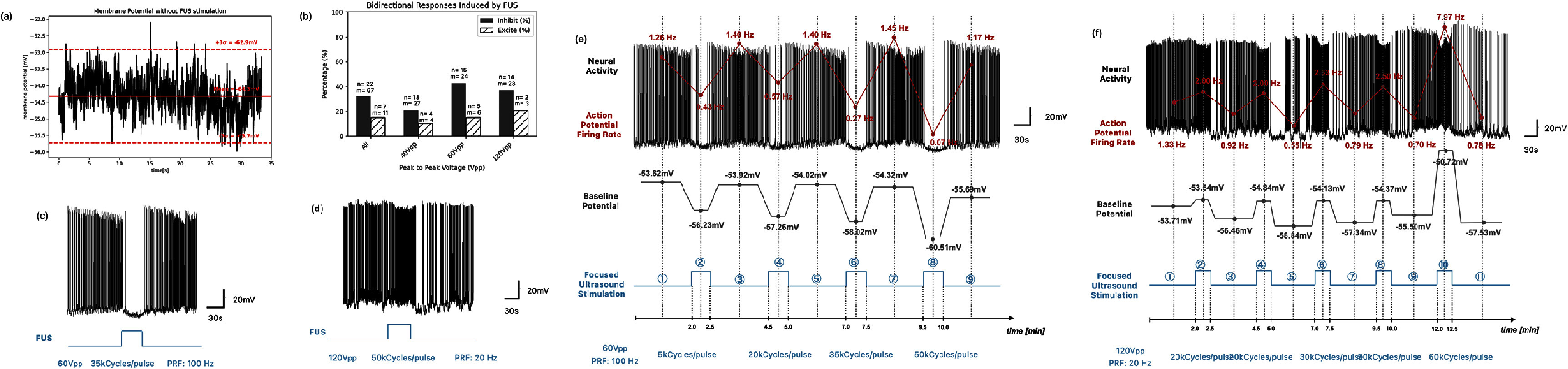 Figure 20
 Figure 21
 Figure 22
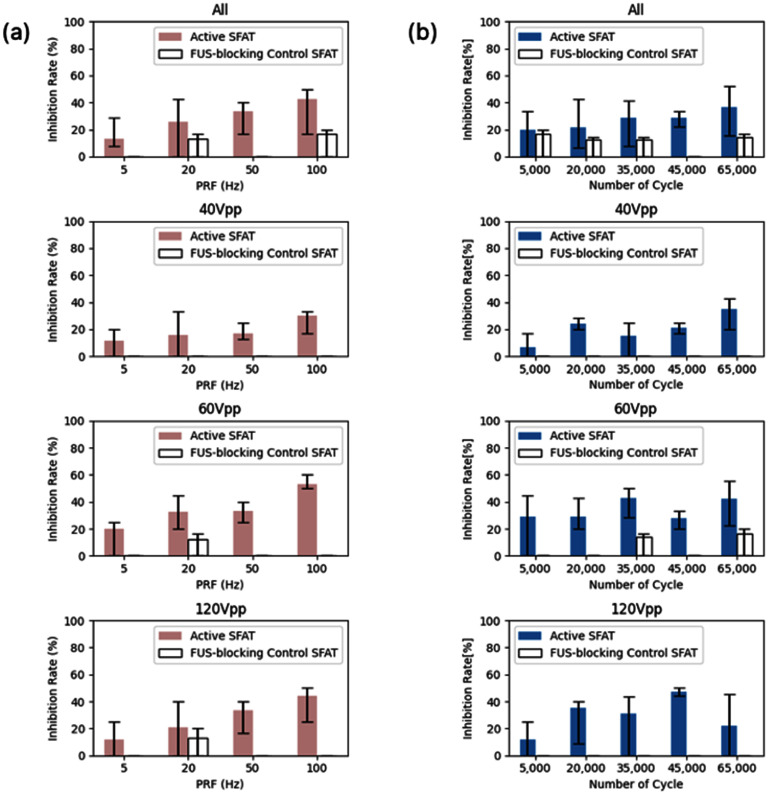 Figure 23
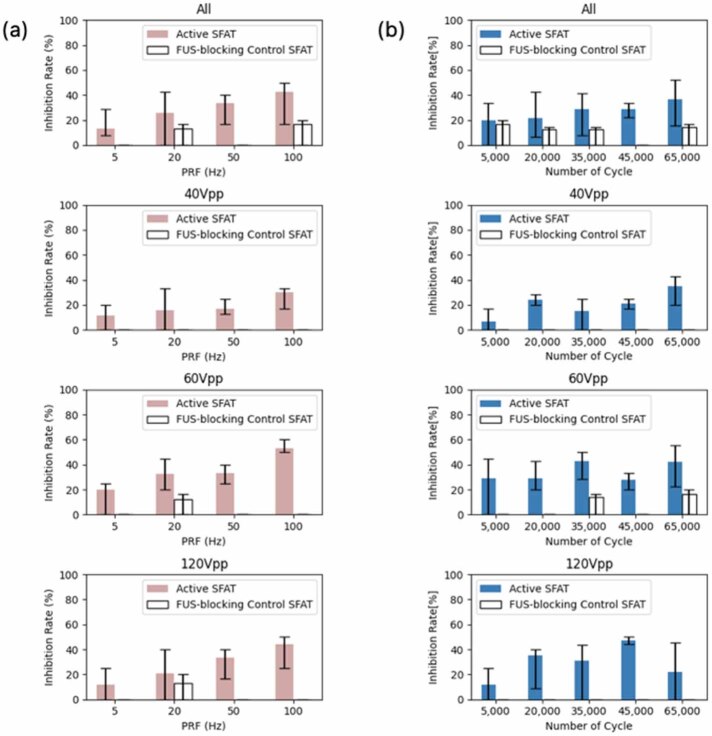 Figure 24
 Figure 25
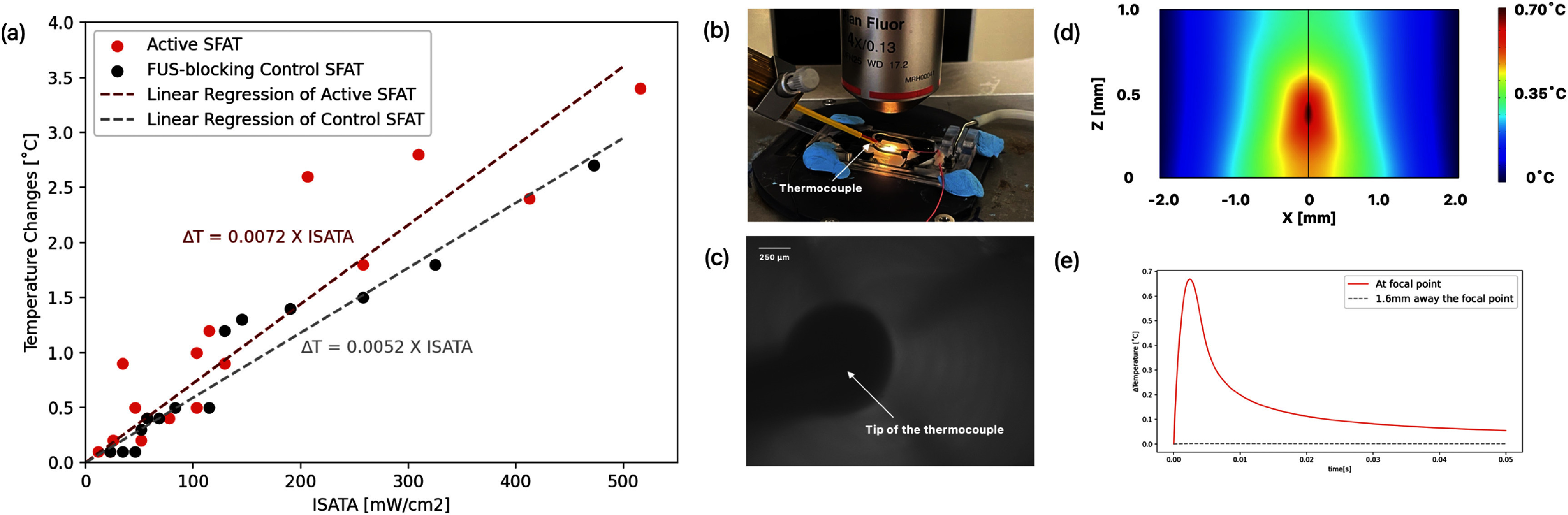 Figure 26
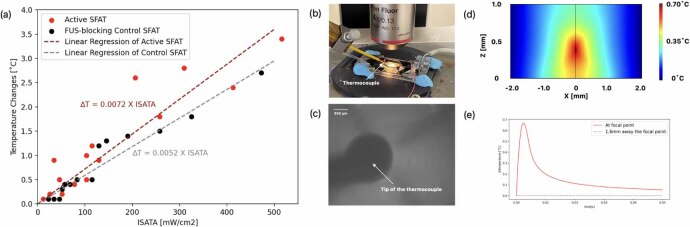 Figure 27
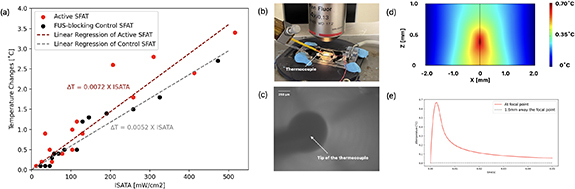 Figure 28
 Figure 29
 Figure 30
 Figure 31
 Figure 32
 Figure 33
 Figure 34
 Figure 35
 Figure 36
 Figure 37
 Figure 38
 Figure 39
 Figure 40
 Figure 41
 Figure 42
 Figure 43
 Figure 44
 Figure 45
 Figure 46
 Figure 47
 Figure 48
 Figure 49
 Figure 50
Peer Reviews
No public reviews on file for this paper yet. If you reviewed it on a platform where reviews are public (OpenReview, ICLR, NeurIPS, ICML), you can paste yours below so the community can read it here.
Videos
No videos yet. Explain this paper in a talk, walkthrough, or lecture? Add one.
Taxonomy
TopicsUltrasound and Hyperthermia Applications · Photoacoustic and Ultrasonic Imaging · Ultrasound and Cavitation Phenomena