Re‐evaluation of neotame (E 961) as food additive
Laurence Castle, Monica Andreassen, Gabriele Aquilina, Maria Lourdes Bastos, Polly Boon, Biagio Fallico, Reginald FitzGerald, Maria Jose Frutos Fernandez, Bettina Grasl‐Kraupp, Ursula Gundert‐Remy, Rainer Gürtler, Eric Houdeau, Marcin Kurek, Henriqueta Louro, Patricia Morales

TL;DR
The safety of neotame, a food additive, was re-evaluated, and it was found to be safe at current usage levels.
Contribution
The study re-evaluates neotame's safety and updates the acceptable daily intake based on new assessments.
Findings
Neotame is rapidly absorbed and metabolized, with no significant genotoxicity concerns.
An acceptable daily intake of 10 mg/kg body weight per day was established, replacing the previous 2 mg/kg.
Dietary exposure estimates for neotame do not exceed the new ADI for all population groups.
Abstract
The present opinion deals with the re‐evaluation of neotame (E 961) as a food additive. Neotame is the chemically manufactured compound N‐[N‐(3,3‐dimethylbutyl)‐l‐α‐aspartyl]‐l‐phenylalanine 1‐methyl ester. The main impurity of neotame (E 961) is also a degradation product (de‐esterified form), N‐[N‐(3,3‐dimethylbutyl)‐l‐α‐aspartyl]‐l‐phenylalanine (NC‐00751) and the primary metabolite. No new data were received following the call for biological and toxicological data. A summary of the toxicological studies available in the EFSA opinion of 2007 is presented and studies gathered from the literature are summarised. Neotame is rapidly absorbed and pre‐systemically metabolised, systemic intact neotame is likely to be excreted in the urine with its metabolites. The potential aneugenic effects at the site of contact are not expected to occur; overall, there is no concern for genotoxicity of…
Genes, proteins, chemicals, diseases, species, mutations and cell lines named across the full text — each resolved to its canonical identifier and authoritative record.
Click any figure to enlarge with its caption.
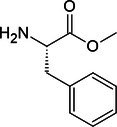 Figure 1
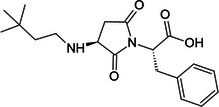 Figure 2
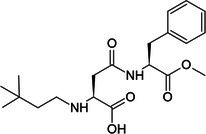 Figure 3
 Figure 4
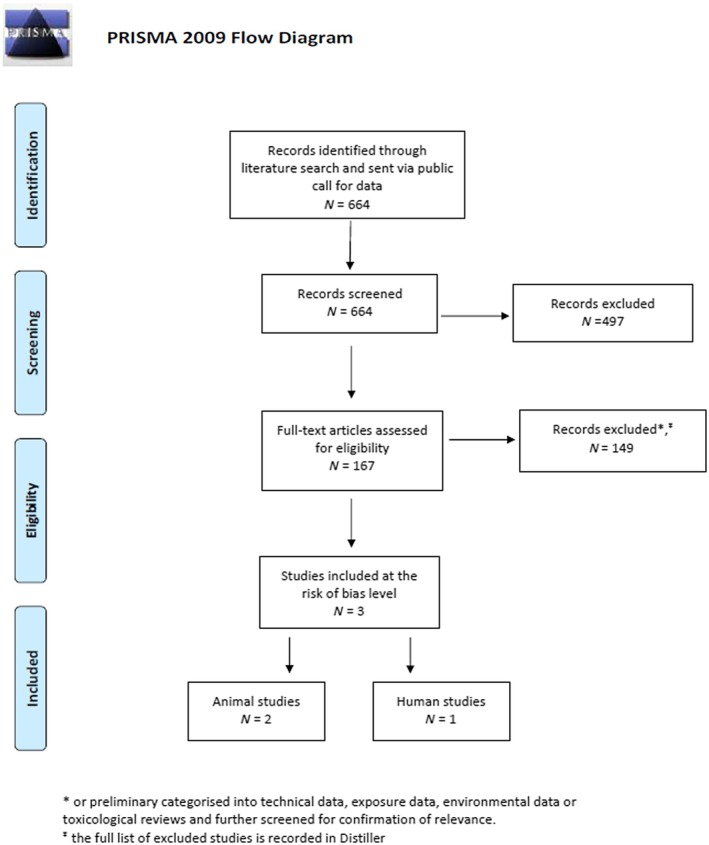 Figure 5
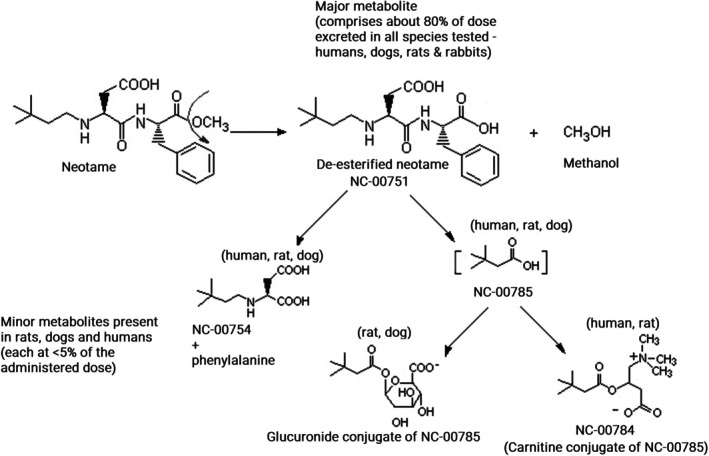 Figure 6
 Figure 7
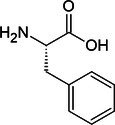 Figure 8
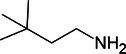 Figure 9
 Figure 10
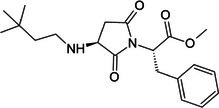 Figure 11
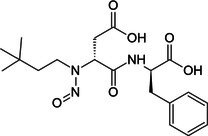 Figure 12
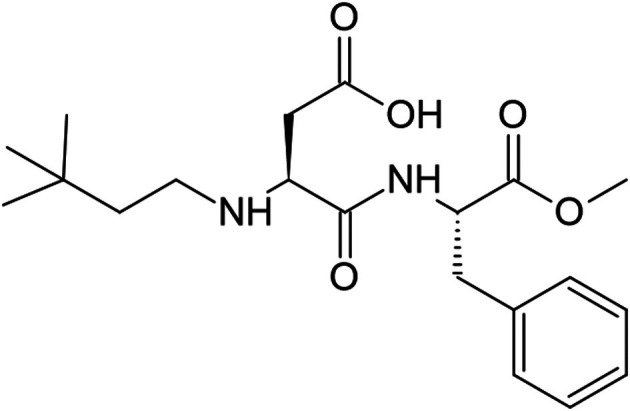 Figure 13
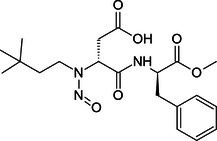 Figure 14
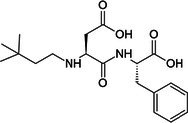 Figure 15
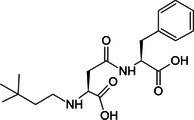 Figure 16
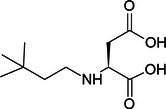 Figure 17
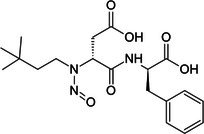 Figure 18
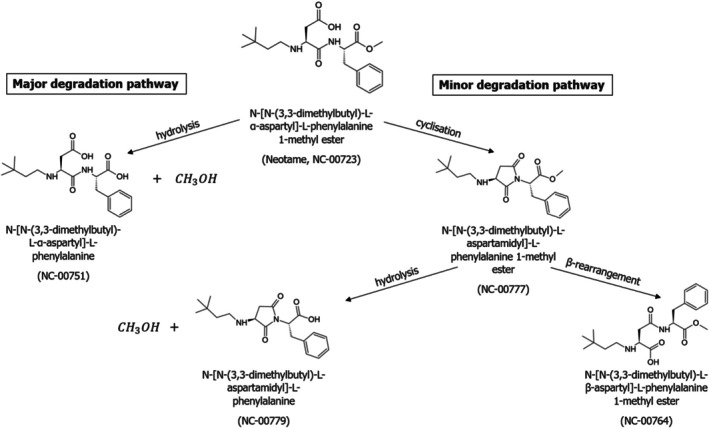 Figure 19
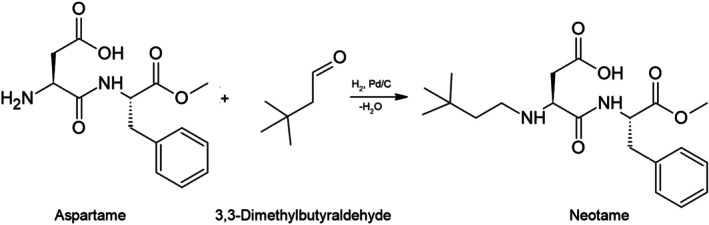 Figure 20
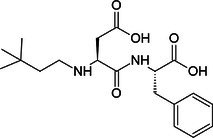 Figure 21
 Figure 22
 Figure 23
 Figure 24
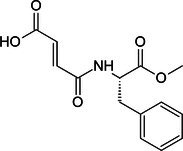 Figure 25
 Figure 26
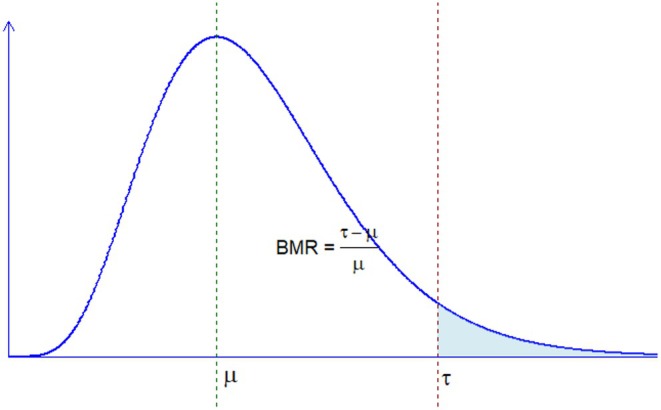 Figure 27
 Figure 28
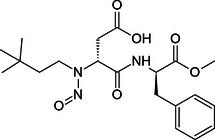 Figure 29
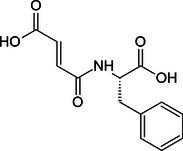 Figure 30
 Figure 31
Peer Reviews
No public reviews on file for this paper yet. If you reviewed it on a platform where reviews are public (OpenReview, ICLR, NeurIPS, ICML), you can paste yours below so the community can read it here.
Videos
No videos yet. Explain this paper in a talk, walkthrough, or lecture? Add one.
Taxonomy
TopicsCarcinogens and Genotoxicity Assessment · Dye analysis and toxicity · Radiation Effects and Dosimetry