Role for RTX-family toxin HlyA of extraintestinal pathogenic Escherichia coli in serum resistance
Naoise McGarry, Stephen G J Smith

TL;DR
This study shows that a toxin called HlyA helps a type of E. coli resist destruction by the immune system's serum, possibly by interacting with the bacteria's protective capsule.
Contribution
The study identifies HlyA as a novel virulence factor promoting serum resistance in CFT073 ExPEC through interactions with surface capsule.
Findings
A CFT073 hlyA mutant is significantly more sensitive to 50% serum than the wild-type.
HlyA may provide resistance to serum by interacting with the cell-associated capsule and other surface factors.
Culture supernatants protect CFT073 from serum killing, suggesting a secreted factor is involved.
Abstract
Extraintestinal pathogenic Escherichia coli (ExPEC) is a major cause of urinary tract infections, bacteraemia, and sepsis. CFT073 is a prototypic, urosepsis isolate of sequence type (ST) 73. ST73 isolates are associated with higher virulence scores than other pandemic clonal groups, such as ST131. This laboratory, among others, has previously shown that strain CFT073 is serum-resistant, with virulence factors such as the exopolysaccharide capsule and other extracellular polysaccharides imparting resistance to the complement system. In this study, it was shown that culture supernatants were protective in standardized serum killing assays, when compared to cultures standardized in fresh medium. Diluting cultures in fresh medium in place of conditioned medium significantly increased sensitivity of CFT073 to serum, indicating that a secreted factor may provide resistance to serum.…
Genes, proteins, chemicals, diseases, species, mutations and cell lines named across the full text — each resolved to its canonical identifier and authoritative record.
Click any figure to enlarge with its caption.
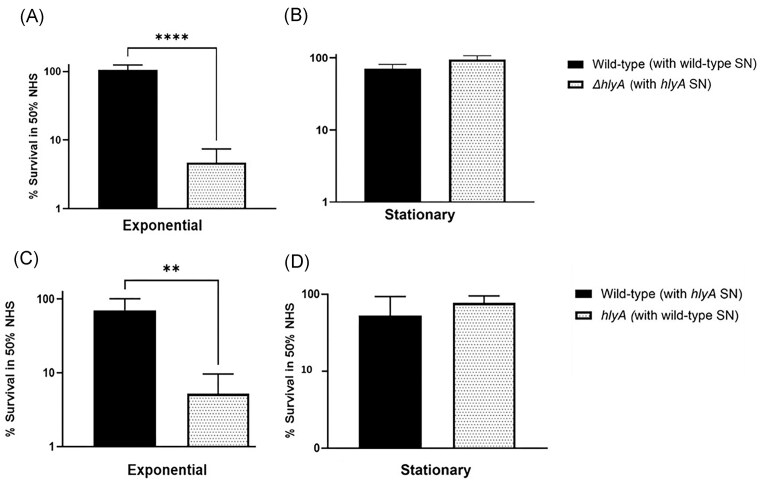 Figure 1
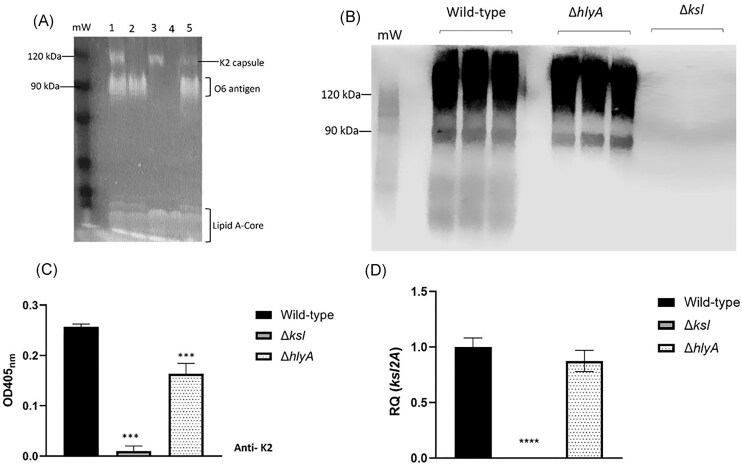 Figure 2
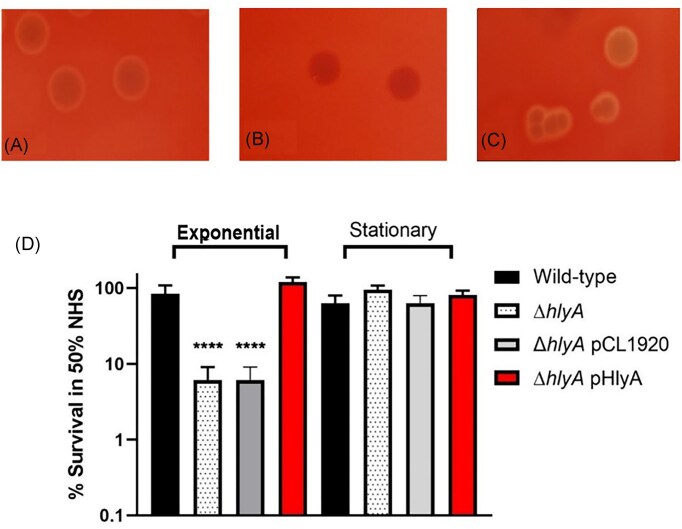 Figure 3
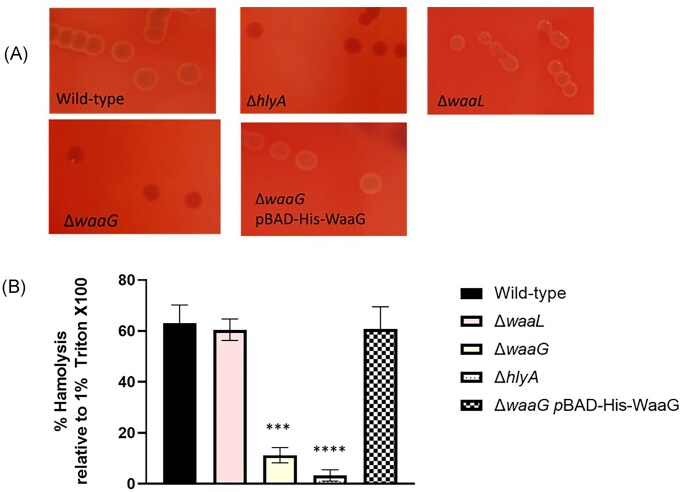 Figure 4
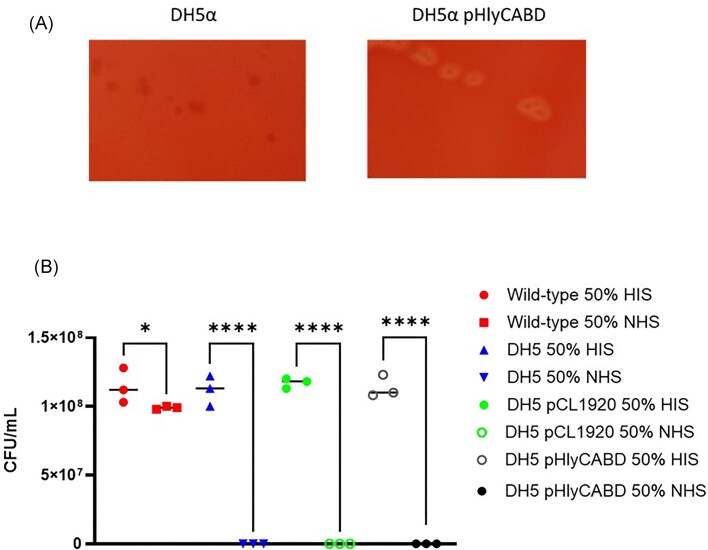 Figure 5
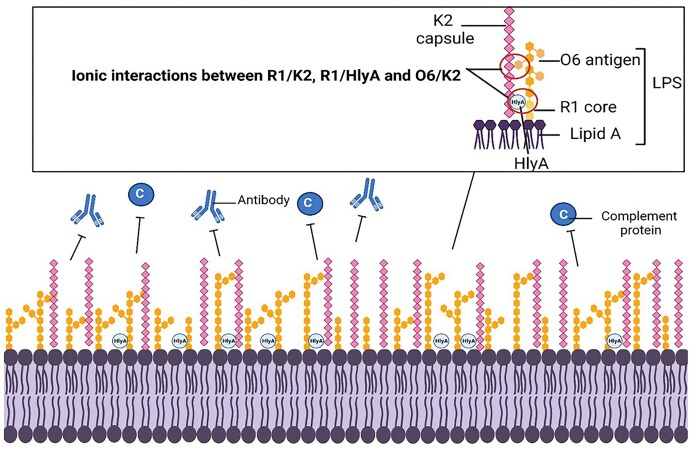 Figure 6
Peer Reviews
No public reviews on file for this paper yet. If you reviewed it on a platform where reviews are public (OpenReview, ICLR, NeurIPS, ICML), you can paste yours below so the community can read it here.
Videos
No videos yet. Explain this paper in a talk, walkthrough, or lecture? Add one.
Taxonomy
TopicsEscherichia coli research studies · Vibrio bacteria research studies · Antibiotic Resistance in Bacteria