The anti-cancer transition-state inhibitor MTDIA inhibits human MTAP, inducing autophagy in humanized yeast
Namal V. Coorey, Isaac Tollestrup, Peter W. Bircham, Jeffrey P. Sheridan, Gary B. Evans, Vern L. Schramm, Paul H. Atkinson, Andrew B. Munkacsi

TL;DR
This study uses a yeast model to uncover how MTDIA, a powerful anti-cancer drug, works by inhibiting MTAP and triggering autophagy.
Contribution
The study introduces a humanized yeast model to investigate MTDIA's anti-cancer mechanisms through genomic and proteomic analyses.
Findings
MTDIA inhibits MTAP and increases methylthioadenosine levels, leading to anti-tumor effects.
Genomic and proteomic analyses revealed that MTDIA affects ribosomal function and induces autophagy.
Deleting MEU1 in yeast produced similar effects, confirming it as MTDIA's target in yeast.
Abstract
Methylthioadenosine-DADMe immucillin-A (MTDIA) is a transition-state analog that potently inhibits the human protein 5′-methylthioadenosine phosphorylase (MTAP) at picomolar concentrations and elicits anti-tumor activity against lung, prostate, colon, cervical, head and neck, and triple-negative breast cancers in cell and animal models. The anti-cancer mechanisms of MTDIA involve elevated methylthioadenosine levels but are not fully understood. The yeast protein MEU1 is functionally equivalent to human MTAP. To gain further understanding, we performed chemical genetic analyses via gene deletion and GFP-tagged protein libraries in yeast that express a member of the human equilibrative nucleoside transporter (ENT) family to permit MTDIA uptake. Genomic and proteomic analyses identified genes and proteins critical to MTDIA bioactivity. Network analysis of these genes and proteins revealed…
Genes, proteins, chemicals, diseases, species, mutations and cell lines named across the full text — each resolved to its canonical identifier and authoritative record.
Click any figure to enlarge with its caption.
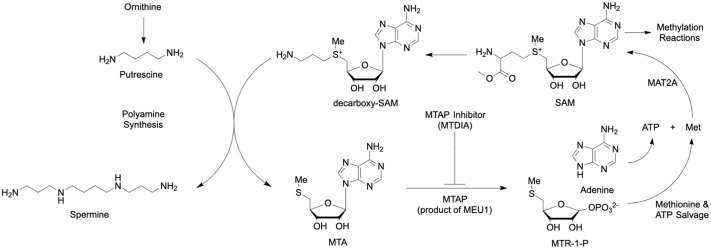 Figure 1
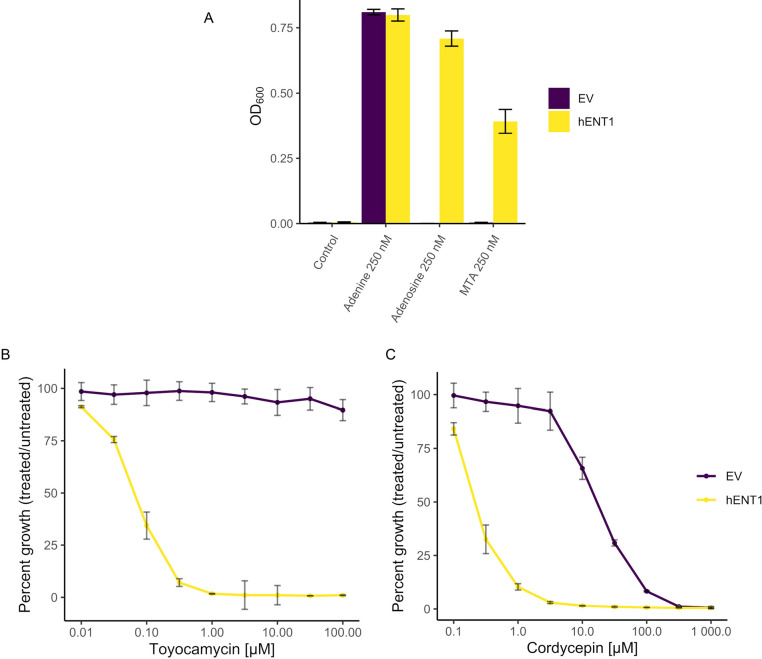 Figure 2
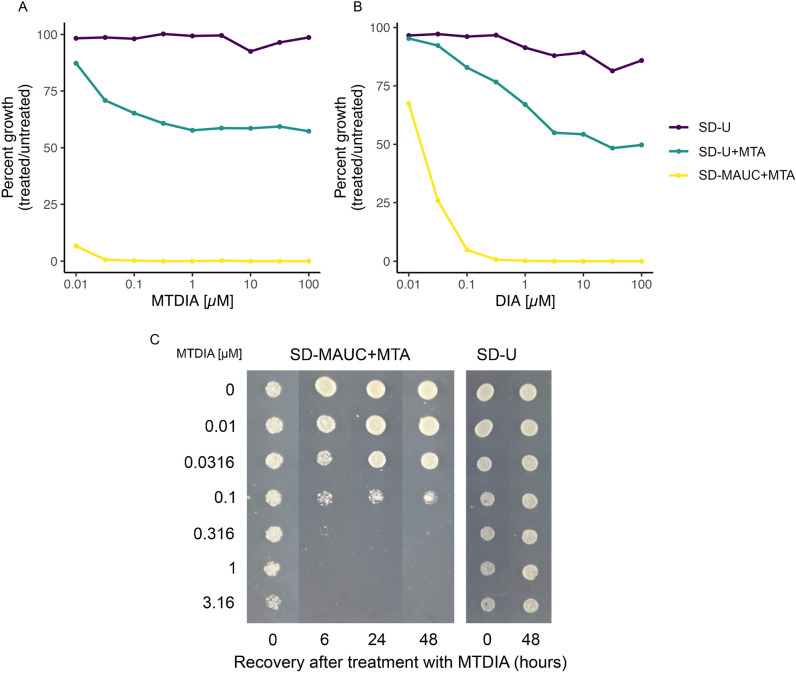 Figure 3
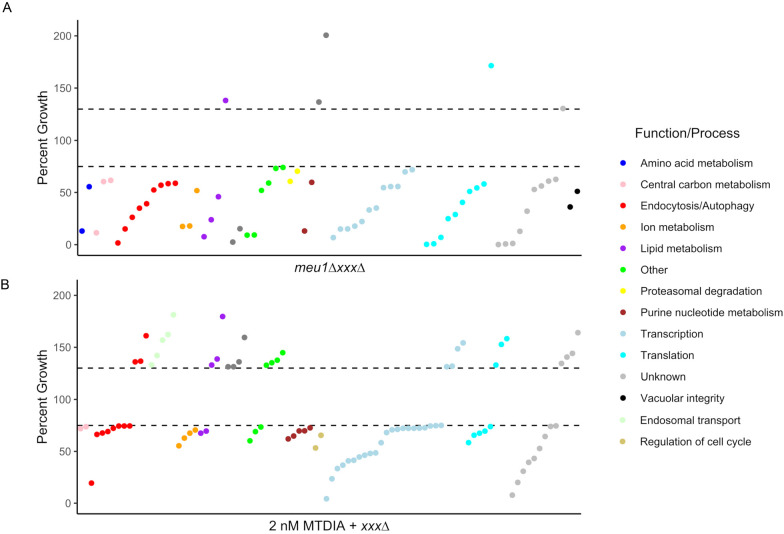 Figure 4
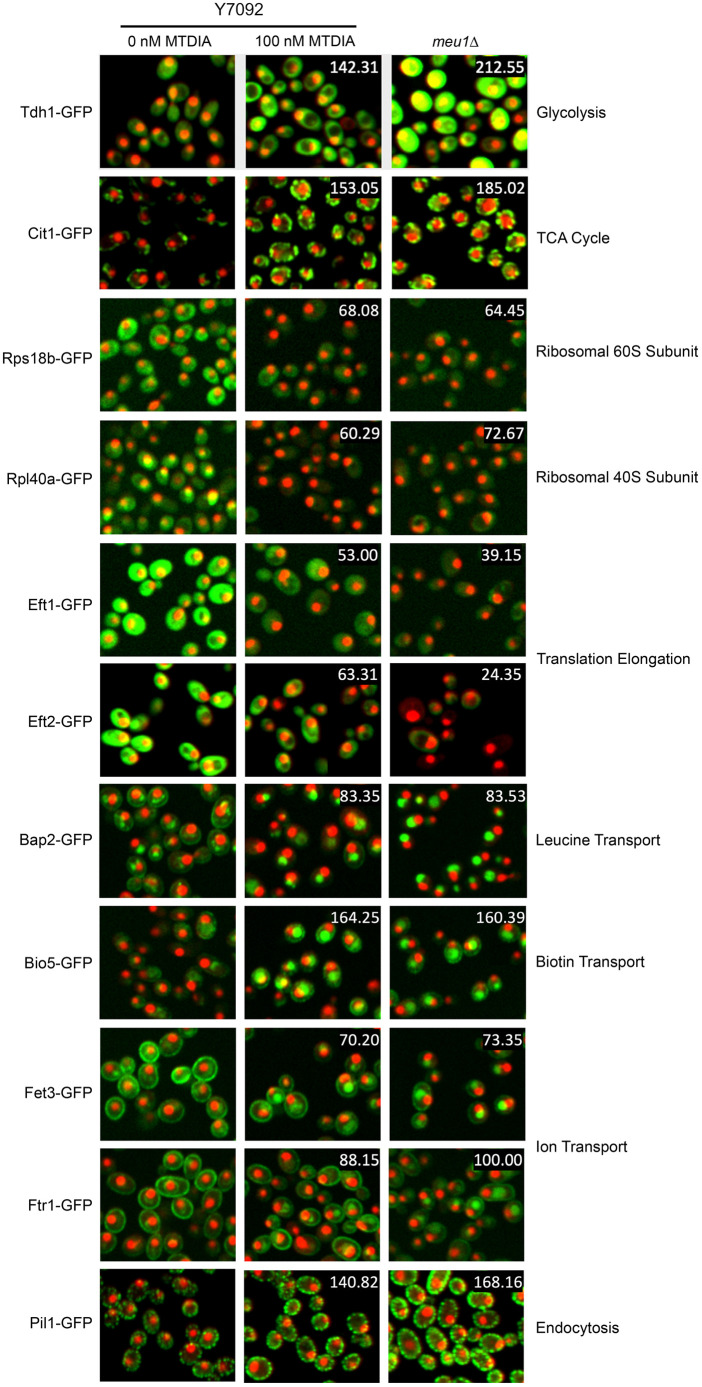 Figure 5
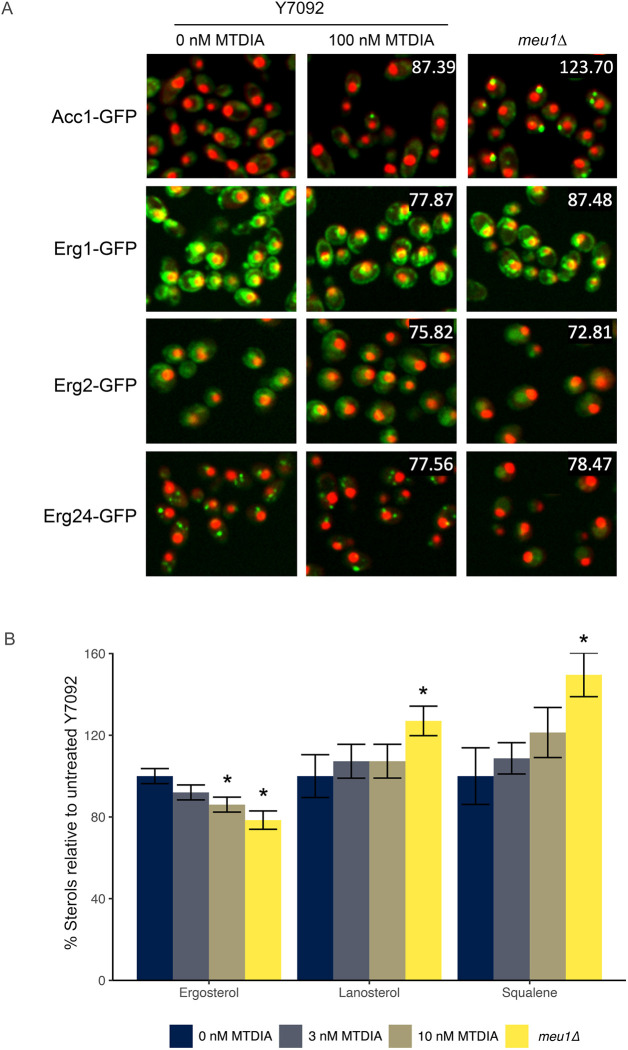 Figure 6
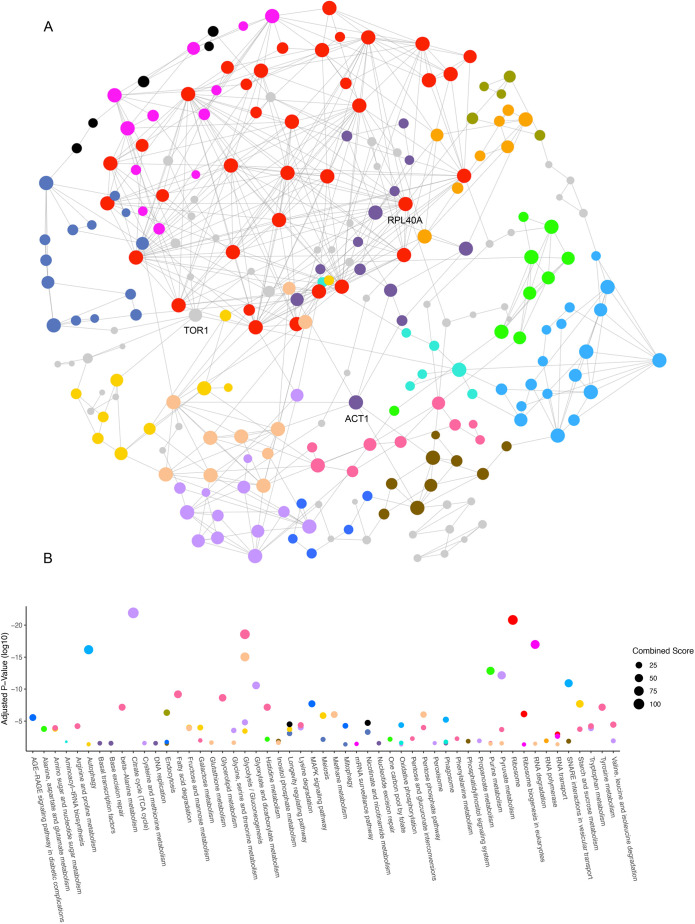 Figure 7
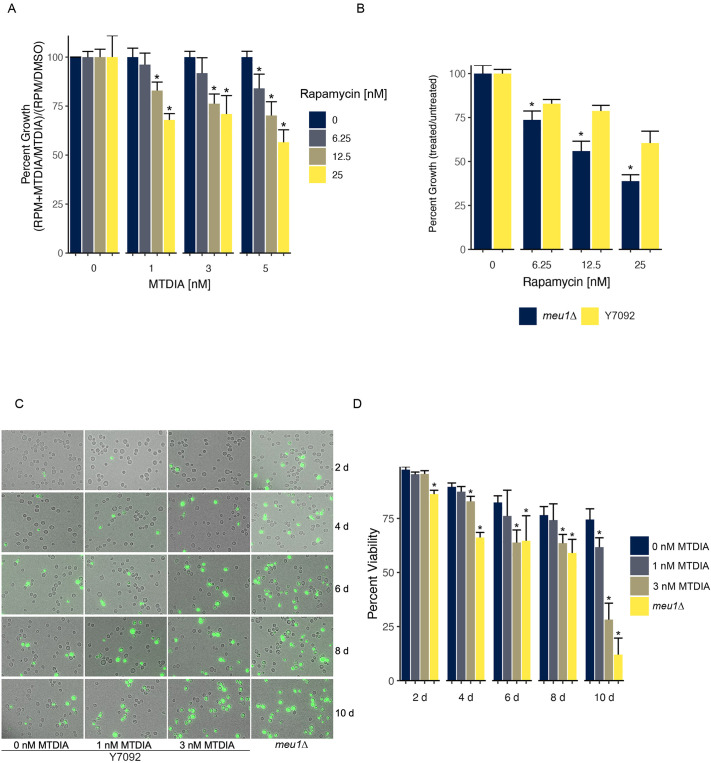 Figure 8
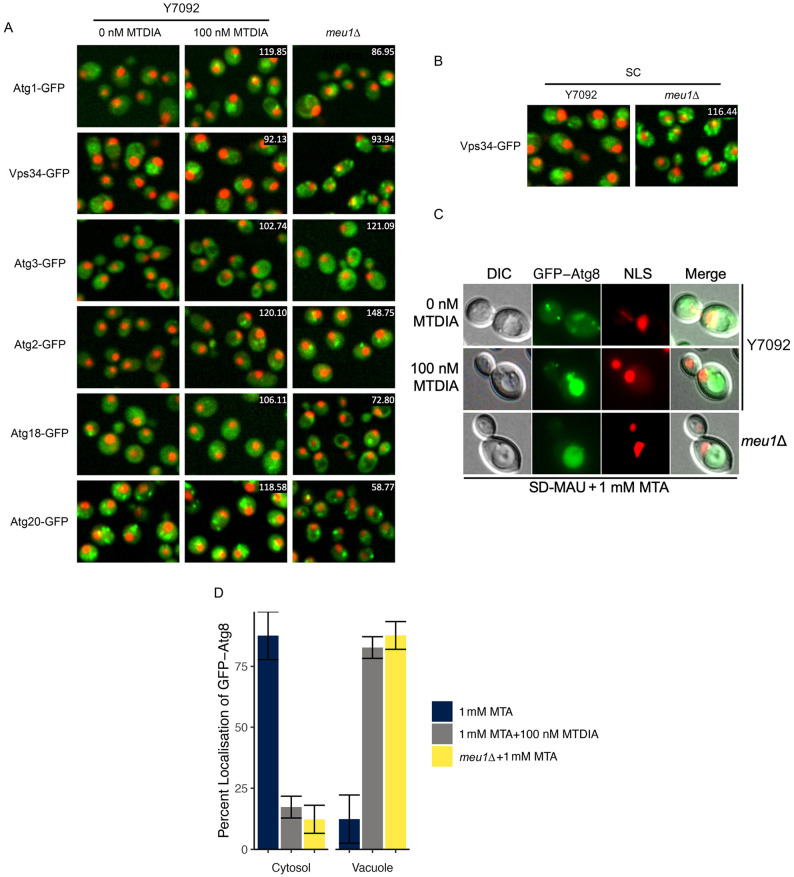 Figure 9
Peer Reviews
No public reviews on file for this paper yet. If you reviewed it on a platform where reviews are public (OpenReview, ICLR, NeurIPS, ICML), you can paste yours below so the community can read it here.
Videos
No videos yet. Explain this paper in a talk, walkthrough, or lecture? Add one.
Taxonomy
TopicsAutophagy in Disease and Therapy · Biochemical and Molecular Research · Adenosine and Purinergic Signaling