Characterizing Soil Dissolved Organic Matter Across a Permafrost Thaw Gradient (Continuous to Isolated Patches) in Northeastern China
Siyuan Zou, Xiaodong Wu, Jiawei Zhang, Nannan Zhang, Xiangwen Wu, Shuying Zang

TL;DR
This study examines how dissolved organic matter in permafrost soils changes as permafrost thaws, revealing differences in composition and quality with thawing stages in China.
Contribution
The study provides new insights into DOM dynamics and stability in permafrost zones under thawing, highlighting shifts in organic matter quality and microbial influence.
Findings
Soil dissolved organic carbon (DOC) content increases from continuous to isolated patch permafrost zones.
Tryptophan-like substances increase with soil depth in isolated patch permafrost, indicating microbial origin.
DOM characteristics shift from high aromaticity and plant origin at the surface to low aromaticity and microbial origin at depth.
Abstract
Permafrost zones are currently experiencing rapid warming, and dissolved organic matter (DOM) is a potentially important pathway for carbon release from permafrost after thawing. In this study, based on the UV–Vis spectral data and parallel factor analysis of fluorescence excitation‐emission matrix (EEM) spectrophotometry, we investigated the source and composition of DOM at different thawing stages in the permafrost zone of Northeast China. The results indicate that there are significant differences in the content of soil dissolved organic carbon (DOC) among different types of permafrost zones (continuous permafrost: 143–347 mg/kg, discontinuous permafrost 172–462 mg/kg, isolated patches permafrost 195–610 mg/kg), and the permafrost types had a significant effect on soil DOC (p < 0.05). Five fluorescent components were identified from all samples, including four humic acid‐like…
Genes, proteins, chemicals, diseases, species, mutations and cell lines named across the full text — each resolved to its canonical identifier and authoritative record.
Click any figure to enlarge with its caption.
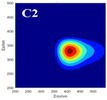 Figure 1
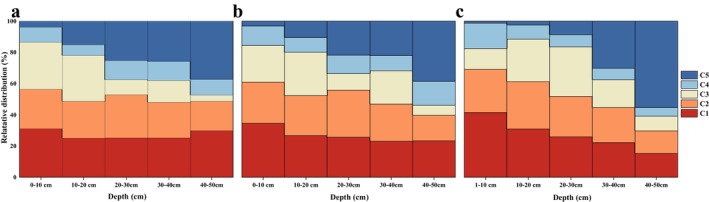 Figure 2
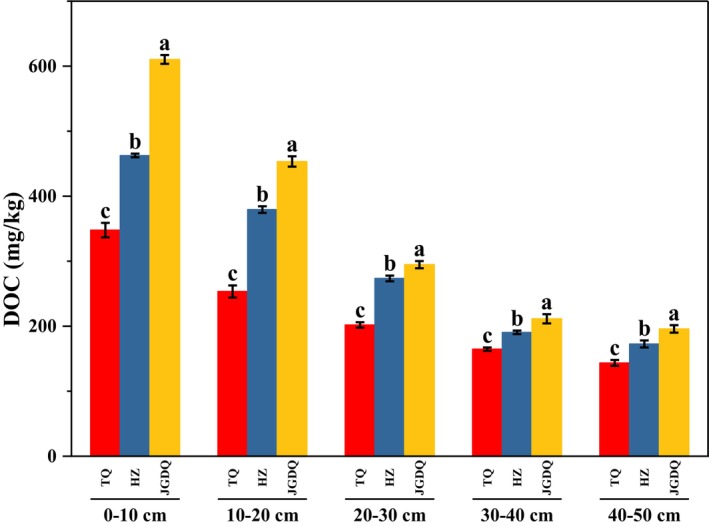 Figure 3
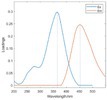 Figure 4
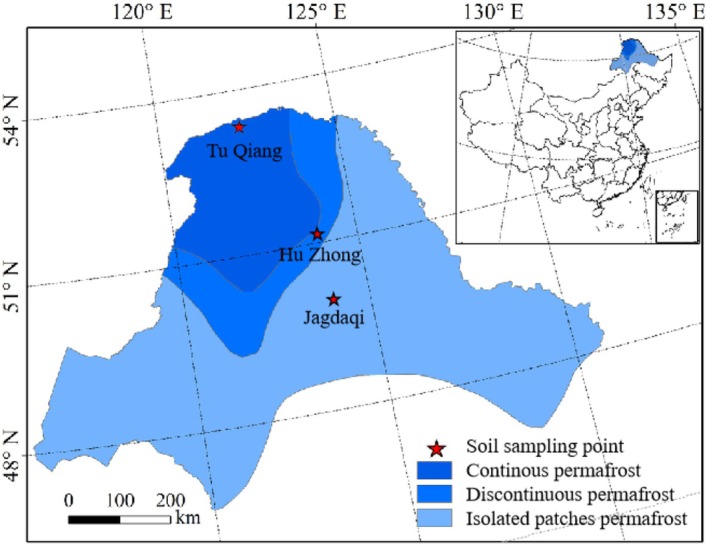 Figure 5
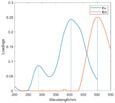 Figure 6
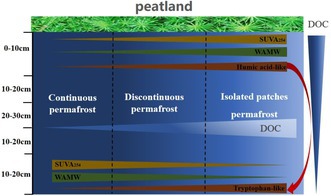 Figure 7
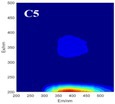 Figure 8
 Figure 9
 Figure 10
 Figure 11
 Figure 12
 Figure 13
 Figure 14
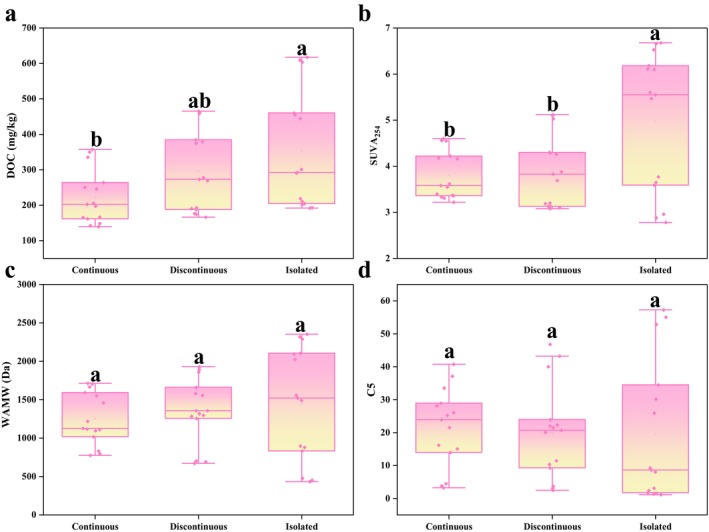 Figure 15
 Figure 16
 Figure 17
Peer Reviews
No public reviews on file for this paper yet. If you reviewed it on a platform where reviews are public (OpenReview, ICLR, NeurIPS, ICML), you can paste yours below so the community can read it here.
Videos
No videos yet. Explain this paper in a talk, walkthrough, or lecture? Add one.
Taxonomy
TopicsClimate change and permafrost · Cryospheric studies and observations · Peatlands and Wetlands Ecology