Occlusion Collusion: A Case of Acute Aortic Occlusion Mistaken for Acute Spinal Infarction
Rachel E Bridwell, Robert Conrad, Angela Curell, Joseph M Fierro, Brit Long

TL;DR
This paper discusses how acute aortic occlusion can be mistaken for spinal infarction due to similar symptoms, emphasizing the need for prompt diagnosis.
Contribution
The paper highlights the diagnostic challenge of acute aortic occlusion mimicking neurological conditions.
Findings
AAO can present with vague symptoms resembling less serious pathologies.
Distal occlusions often mimic neurological issues, leading to misdiagnosis.
Prompt imaging and vascular consultation are crucial for effective management.
Abstract
Acute aortic occlusion (AAO) carries high morbidity and mortality, though it can present with vague symptoms that mimic other less serious pathologies. Various comorbidities will predispose patients to AAO, including any hypercoagulable conditions, hypertension, diabetes, and tobacco use. The level of occlusion dictates symptomatology, with distal occlusions frequently mimicking neurologic pathology. Prompt imaging and vascular surgery consultation are critical for definitive management. Due to the challenging and protean presentations and severe complications, emergency clinicians must maintain a high index of suspicion for an AAO.
Genes, proteins, chemicals, diseases, species, mutations and cell lines named across the full text — each resolved to its canonical identifier and authoritative record.
Click any figure to enlarge with its caption.
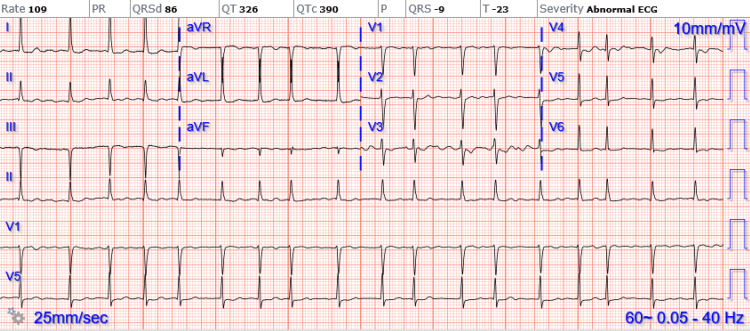 Figure 1
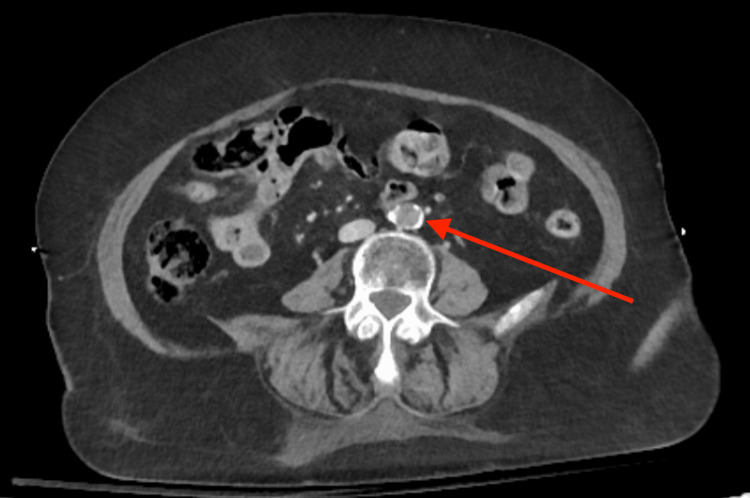 Figure 2
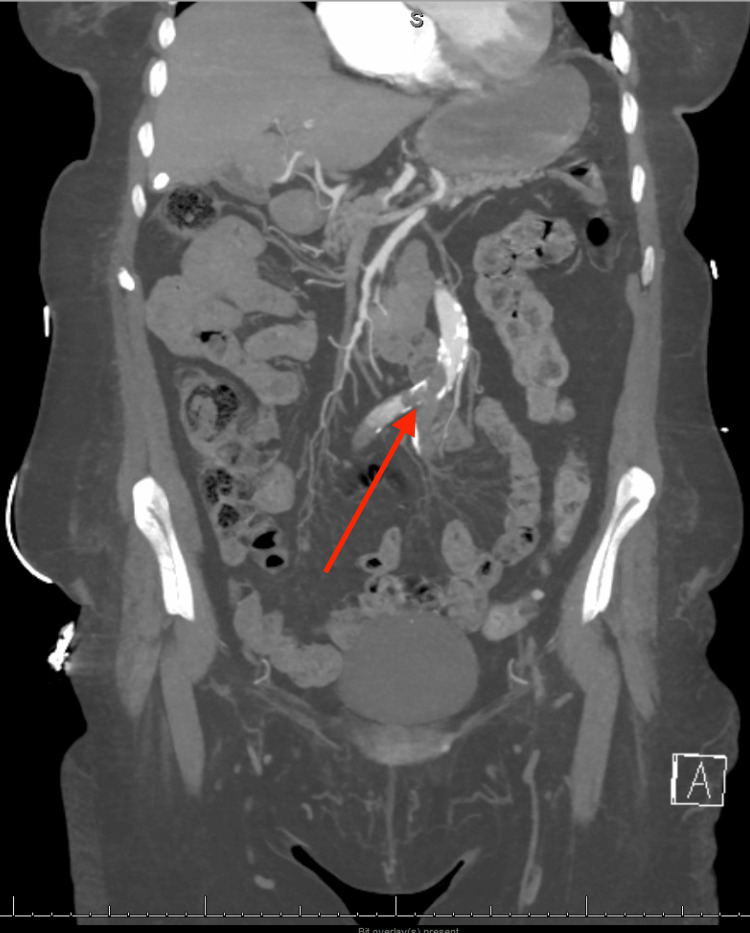 Figure 3
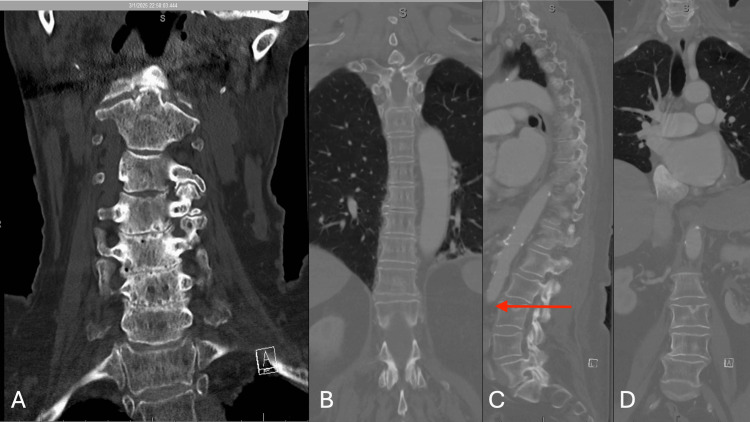 Figure 4
Peer Reviews
No public reviews on file for this paper yet. If you reviewed it on a platform where reviews are public (OpenReview, ICLR, NeurIPS, ICML), you can paste yours below so the community can read it here.
Videos
No videos yet. Explain this paper in a talk, walkthrough, or lecture? Add one.
Taxonomy
TopicsAortic Disease and Treatment Approaches · Aortic aneurysm repair treatments · Cardiac, Anesthesia and Surgical Outcomes