Insights into the evolution and regulation of miRNAs from the view of their DNA replication temporal domains
Xudong Wu, Tingting Liu

TL;DR
This study explores how DNA replication timing affects miRNA structure and function, revealing that late-replicating miRNAs adapt to mutation biases and regulate genes related to metabolism and immunity.
Contribution
The study introduces a novel SVM classifier for predicting miRNA replication timing domains and reveals how replication timing influences miRNA evolution and regulation.
Findings
Late pre-miRNAs maintain hairpin structures by extending their lengths while preserving GC content.
Late-miRNAs synergistically regulate genes involved in small molecule metabolism and immune responses.
Replication timing domain information is encoded in miRNA sequence-structure signatures.
Abstract
The DNA replication of eukaryotes proceeds in a defined temporal sequence known as the replication timing (RT) program. A recent study revealed that the early- and late-replication temporal domains have different DNA mutation patterns and that the late-replicating sequences have a substitution pattern biased towards A and T. It raises the interesting question of how the miRNAs in the late-replication domain cope with the mutation bias caused by RT. In this study, we characterized the genomic distribution of pre-miRNAs in relation to DNA replication timing, and identified 362 pre-miRNAs within late-replicating domains (late-miRNAs) and 631 pre-miRNAs within early-replicating domains (early-miRNAs). We comprehensively examined the multiple molecular features including the secondary structural properties, the genomic sequences surrounding the pre-miRNA loci, the Dicer processing motifs,…
Genes, proteins, chemicals, diseases, species, mutations and cell lines named across the full text — each resolved to its canonical identifier and authoritative record.
Click any figure to enlarge with its caption.
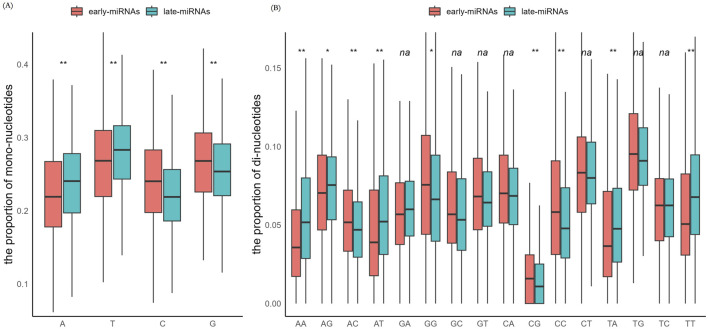 Figure 1
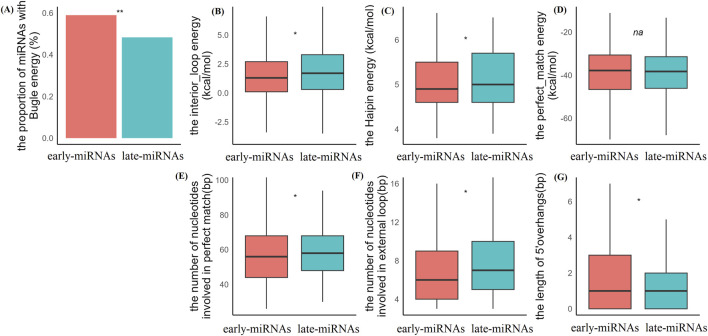 Figure 2
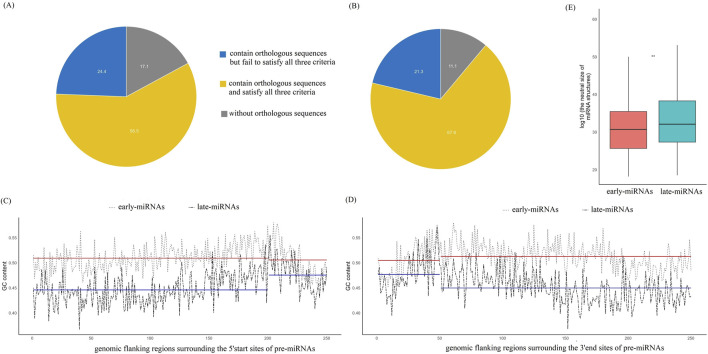 Figure 3
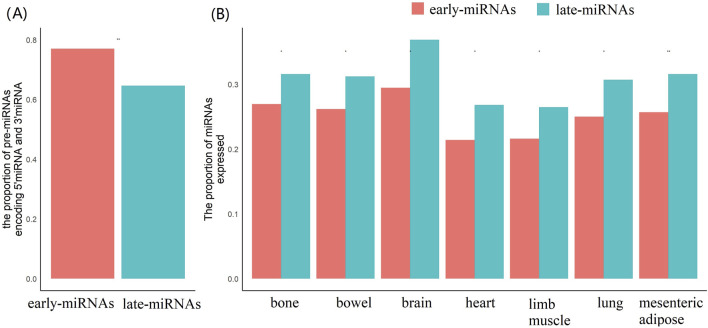 Figure 4
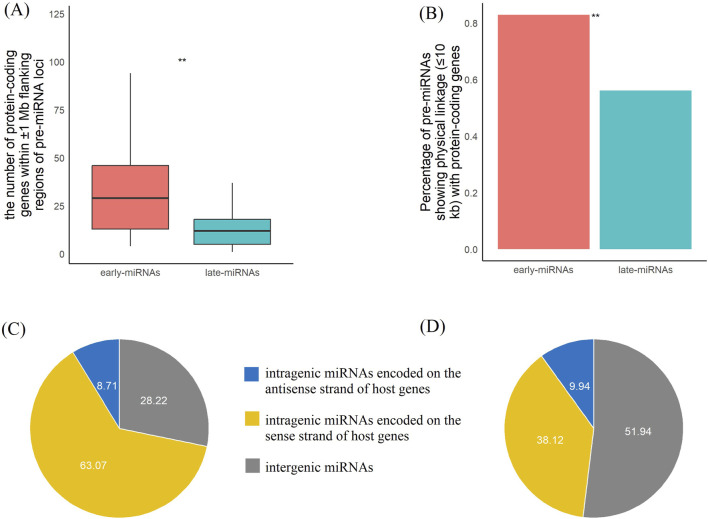 Figure 5
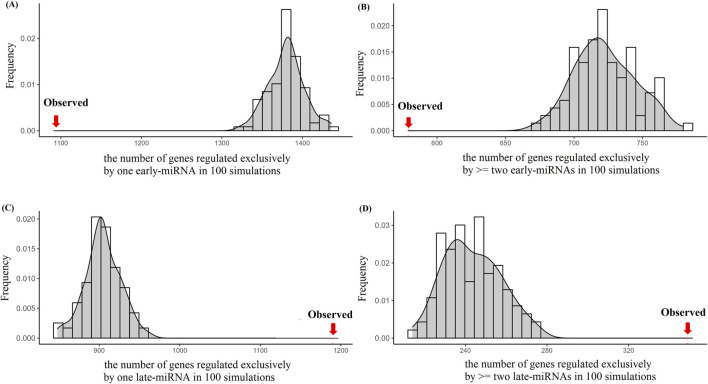 Figure 6
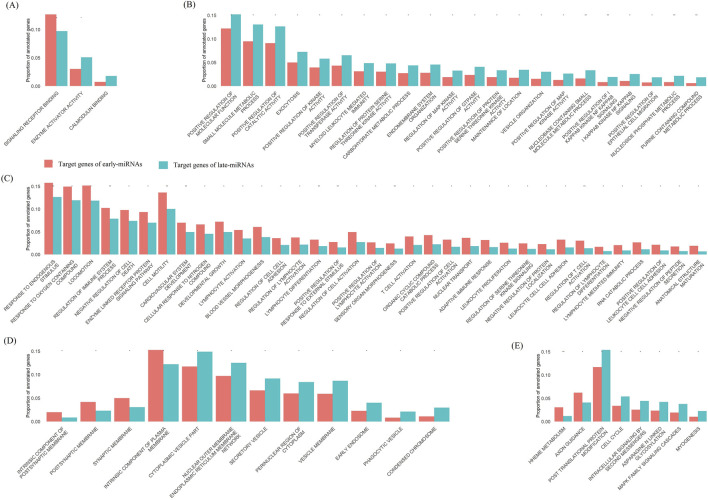 Figure 7
Peer Reviews
No public reviews on file for this paper yet. If you reviewed it on a platform where reviews are public (OpenReview, ICLR, NeurIPS, ICML), you can paste yours below so the community can read it here.
Videos
No videos yet. Explain this paper in a talk, walkthrough, or lecture? Add one.
Taxonomy
TopicsMicroRNA in disease regulation · RNA Research and Splicing · RNA modifications and cancer