Regional Climate Drives Spatial Variation in Species Richness in the Most Diverse Family of Neotropical Snakes (Colubroidea: Dipsadidae)
Juan P. Ramírez, Julián A. Velasco, Tod W. Reeder

TL;DR
The study finds that current climate factors, not evolutionary history, mainly explain the geographic patterns of snake species richness in Dipsadidae.
Contribution
The work provides new evidence that current climate seasonality and productivity directly drive species richness in Dipsadidae snakes.
Findings
Current climatic seasonality and productivity are the main drivers of species richness in Dipsadidae.
Macroevolutionary processes like speciation rates and evolutionary time have a limited role in explaining richness patterns.
High dispersal levels may obscure the influence of diversification and time on regional diversity.
Abstract
Species richness gradients are frequently associated with spatial variation of environmental conditions. However, understanding how the regional environment influences species assemblages is an ongoing topic of discussion, with three non‐exclusive explanations being proposed. Under these hypotheses, climate can determine the richness of regions in two main ways: (1) directly, by determining their carrying capacity, or (2) indirectly, through its effects on either (a) lineage diversification (i.e., the rates of speciation and/or extinction), or (b) the duration over which regions have been accumulating species. Recently, some studies have started to simultaneously evaluate and compare the role of these mechanisms in determining richness gradients. For this work, we set out to identify the factors that determine the spatial variation in richness of the hyperdiverse snake family…
Genes, proteins, chemicals, diseases, species, mutations and cell lines named across the full text — each resolved to its canonical identifier and authoritative record.
Click any figure to enlarge with its caption.
 Figure 1
 Figure 2
 Figure 3
 Figure 4
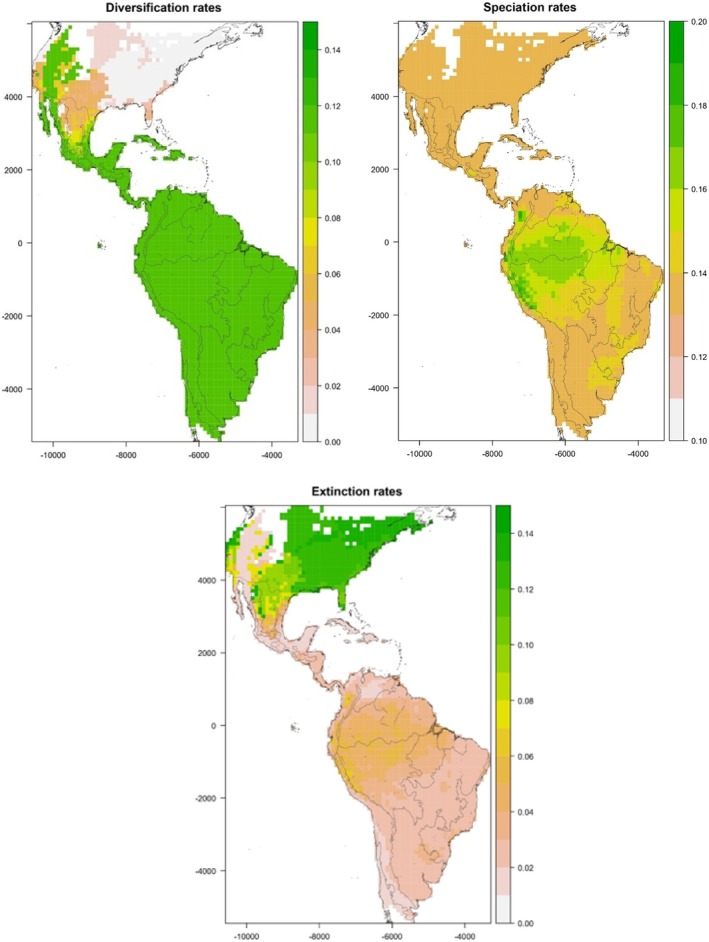 Figure 5
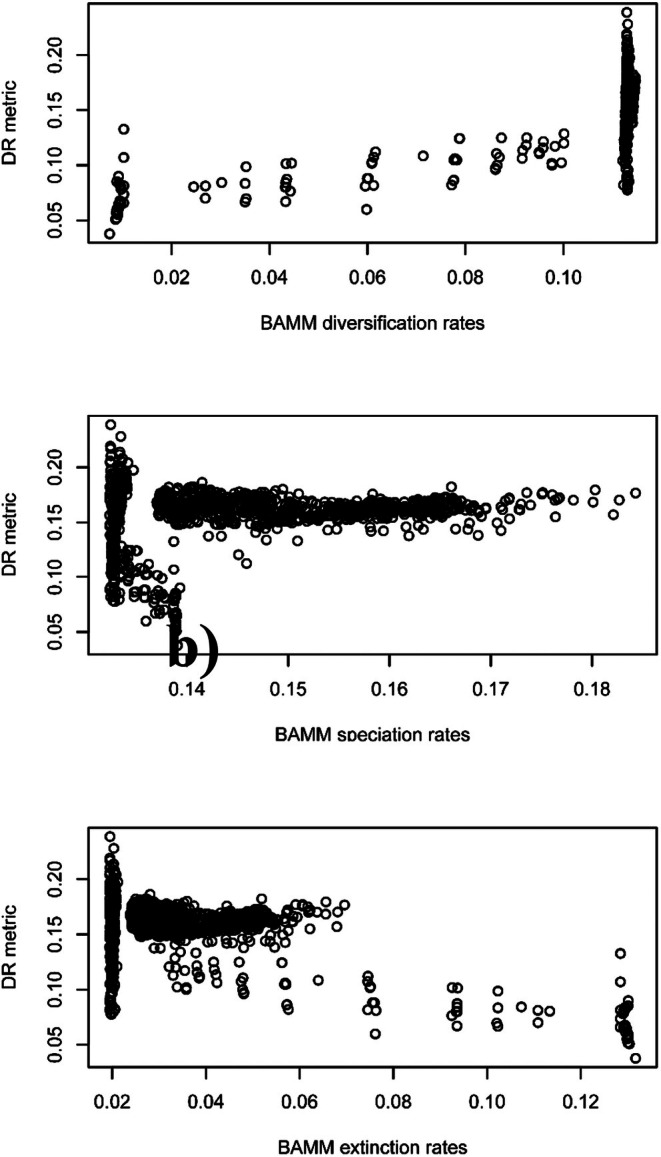 Figure 6
 Figure 7
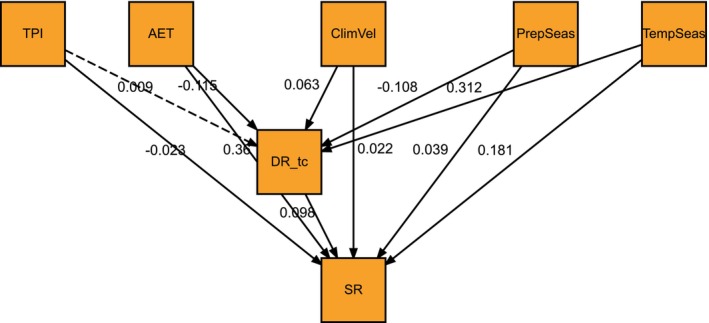 Figure 8
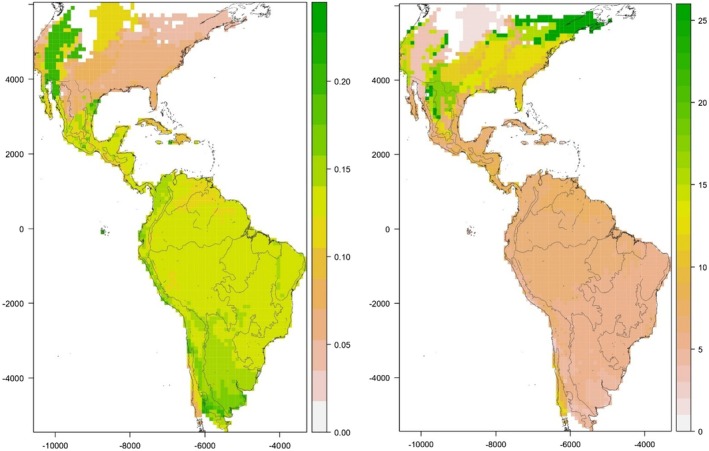 Figure 9
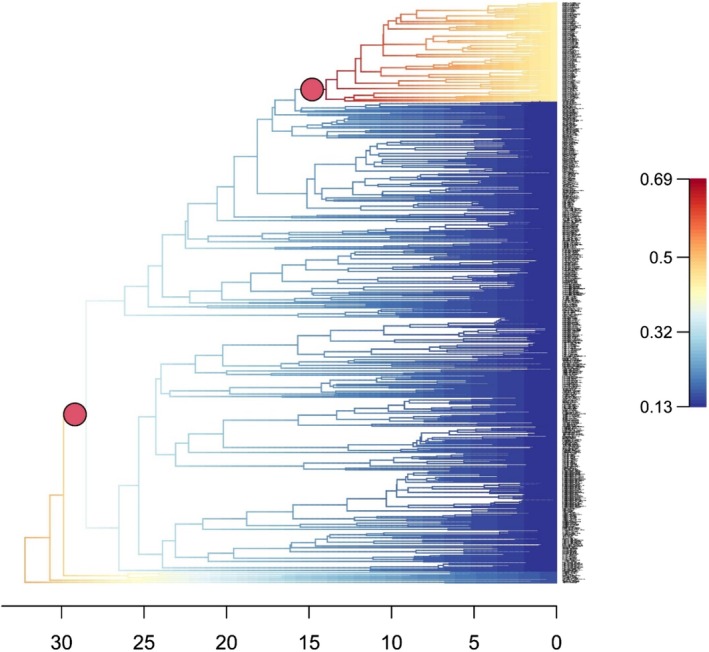 Figure 10
 Figure 11
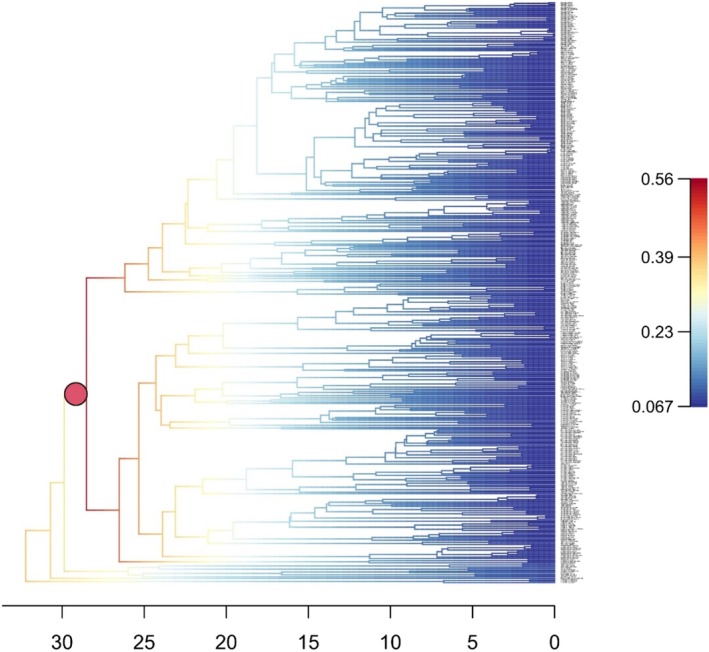 Figure 12
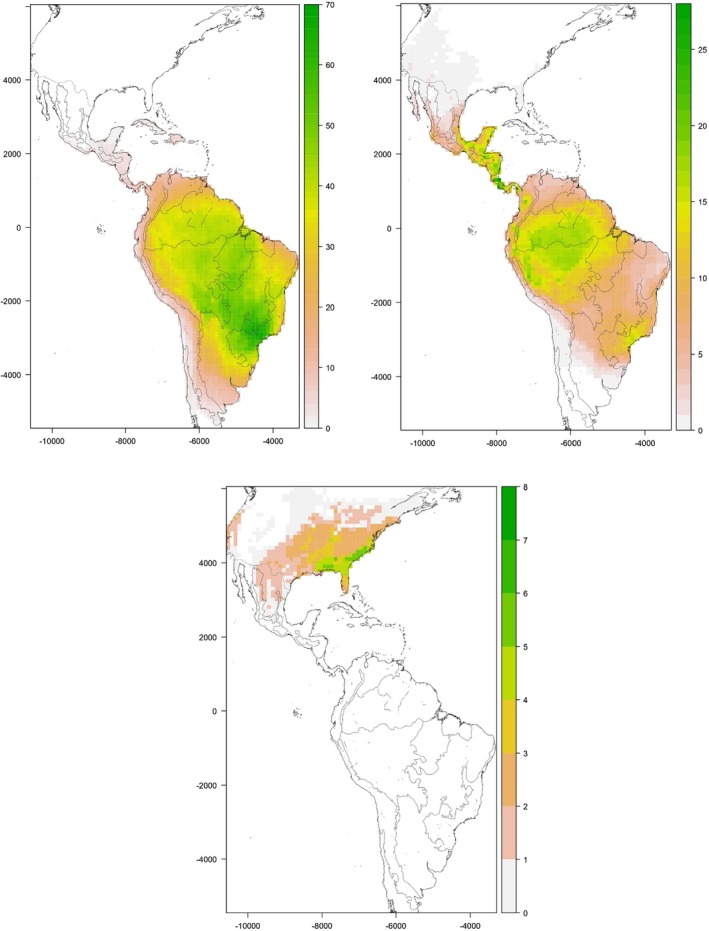 Figure 13
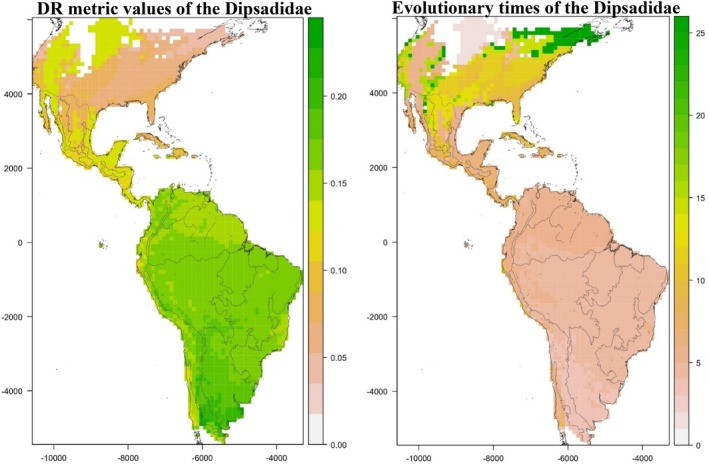 Figure 14
Peer Reviews
No public reviews on file for this paper yet. If you reviewed it on a platform where reviews are public (OpenReview, ICLR, NeurIPS, ICML), you can paste yours below so the community can read it here.
Videos
No videos yet. Explain this paper in a talk, walkthrough, or lecture? Add one.
Taxonomy
TopicsAmphibian and Reptile Biology · Species Distribution and Climate Change · Evolution and Paleontology Studies