Double-Pedicled Vertical Rectus Abdominis Myocutaneous Flap for Sternal Dehiscence Due to Deep Sternal Wound Infection: The Twelfth Intercostal Artery Perforator as an Additional Pedicle
Ryohei Ishiura, Kohei Mitsui, Kanako Danno, Kento Hosomi, Chihena Hansini Banda, Yasuhisa Urata, Mitsunaga Narushima

TL;DR
A new surgical technique using a double-pedicle flap successfully treated a severe chest wound infection in a patient with diabetes.
Contribution
A novel double-pedicle flap technique using the 12th intercostal artery perforator is introduced for treating sternal dehiscence.
Findings
The double-pedicle flap successfully managed a life-threatening sternal wound infection.
The 12th intercostal artery perforator provided an effective additional blood supply.
This technique offers a new therapeutic option for complex sternal dehiscence cases.
Abstract
A 50-year-old male with diabetes mellitus, who experienced recurrent sternal dehiscence secondary to a deep sternal wound infection, failed to respond to treatment with both pectoralis major muscle and greater omental flaps. Consequently, we performed a vertical rectus abdominis muscle flap in a double-pedicle fashion, utilizing the internal mammary artery and the 12th intercostal artery perforator. This intervention successfully addressed the condition. This novel technique offers an excellent therapeutic option for managing this life-threatening complication.
Genes, proteins, chemicals, diseases, species, mutations and cell lines named across the full text — each resolved to its canonical identifier and authoritative record.
Click any figure to enlarge with its caption.
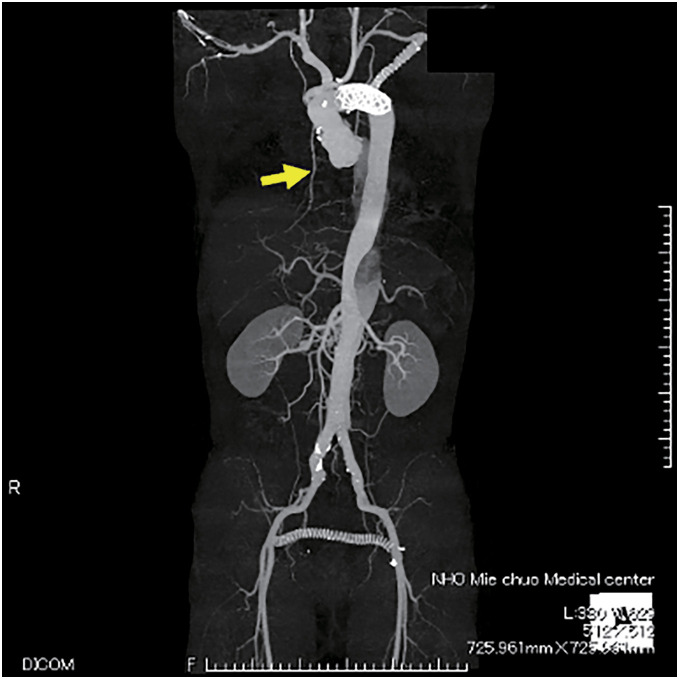 Figure 1
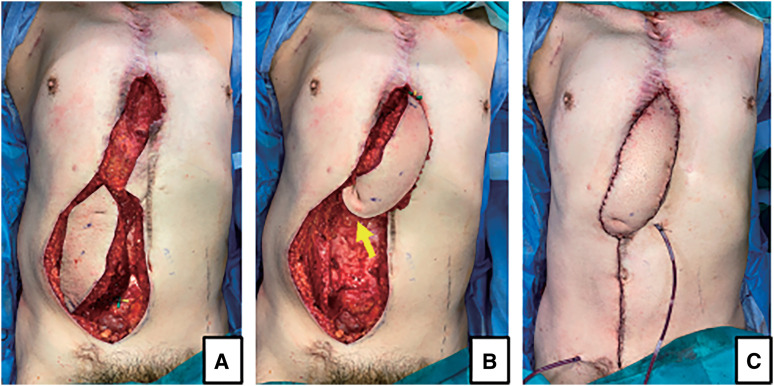 Figure 2
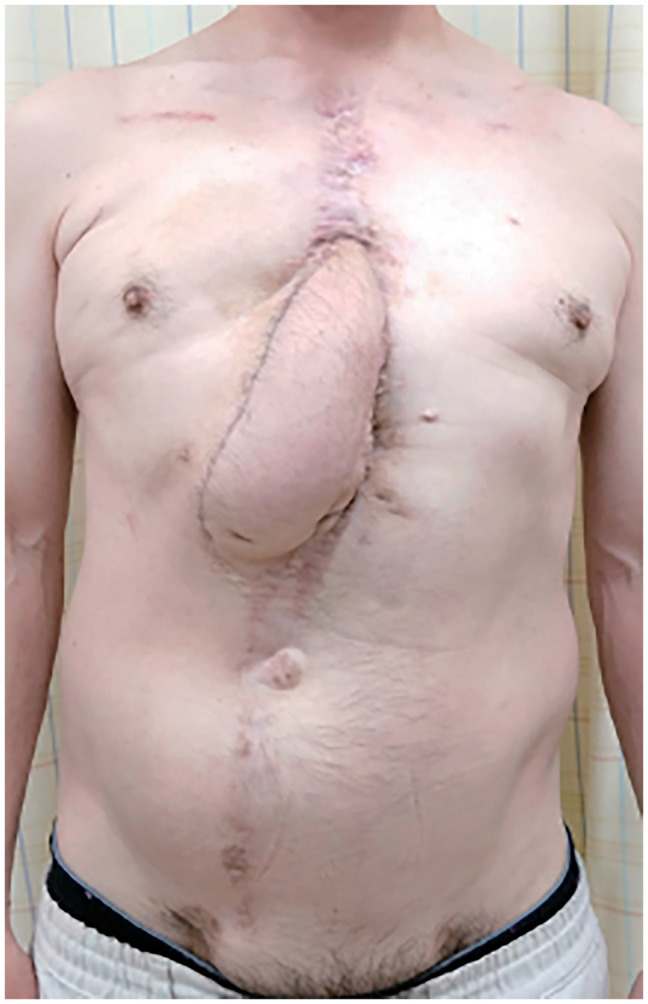 Figure 3
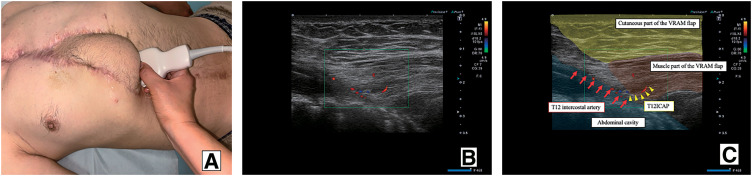 Figure 4
Peer Reviews
No public reviews on file for this paper yet. If you reviewed it on a platform where reviews are public (OpenReview, ICLR, NeurIPS, ICML), you can paste yours below so the community can read it here.
Videos
No videos yet. Explain this paper in a talk, walkthrough, or lecture? Add one.
Taxonomy
TopicsReconstructive Surgery and Microvascular Techniques · Trauma Management and Diagnosis · Surgical site infection prevention