A Comprehensive Description of the Roadmap to Identify and Validate a Myelin Biomarker
Giovanna Capodivento, Davide Visigalli, Andrea Armirotti, Chiara Demichelis, Marinella Carpo, Roberto Fancellu, Erika Schirinzi, Daniele Severi, Diego Franciotta, Fiore Manganelli, Gabriele Siciliano, Alessandro Beronio, Elisabetta Capello, Paola Lanteri, Eduardo Nobile-Orazio

TL;DR
The paper outlines a roadmap for validating sphingomyelin (SM) as a biomarker for myelin damage in neurological diseases, showing it can detect and monitor myelin changes in patients.
Contribution
The study provides a validated roadmap for using sphingomyelin as a reliable and practical myelin biomarker in clinical and preclinical settings.
Findings
SM dosage can monitor myelination, demyelination, and remyelination in experimental models.
SM is detectable in human biological fluids and indicates myelin damage in the CSF of neurological patients.
SM helps distinguish disease activity and variants in Guillain-Barré Syndrome and CIDP patients.
Abstract
Demyelination and remyelination are major issues for scientists dealing with myelin disorders in both clinical and research fields. Despite that, rapid, reliable and convenient tools to monitor myelin changes still lack both in central and peripheral nervous system. Given that myelin is enriched in specific lipids and proteins, it is reasonable they could represent eligible candidates as structural damage biomarkers for this characteristic membrane. Among them, we focused on sphingomyelin (SM) due to the enrichment in myelin and because it is easily measurable in different biological matrices. Depicting the roadmap to identify and validate SM dosage as a myelin biomarker useful for pre-clinical and clinical practice. This study adheres to STROBE guidelines for observational cross-sectional studies on human patients and to ARRIVE guidelines for animal models. Following the…
Genes, proteins, chemicals, diseases, species, mutations and cell lines named across the full text — each resolved to its canonical identifier and authoritative record.
Click any figure to enlarge with its caption.
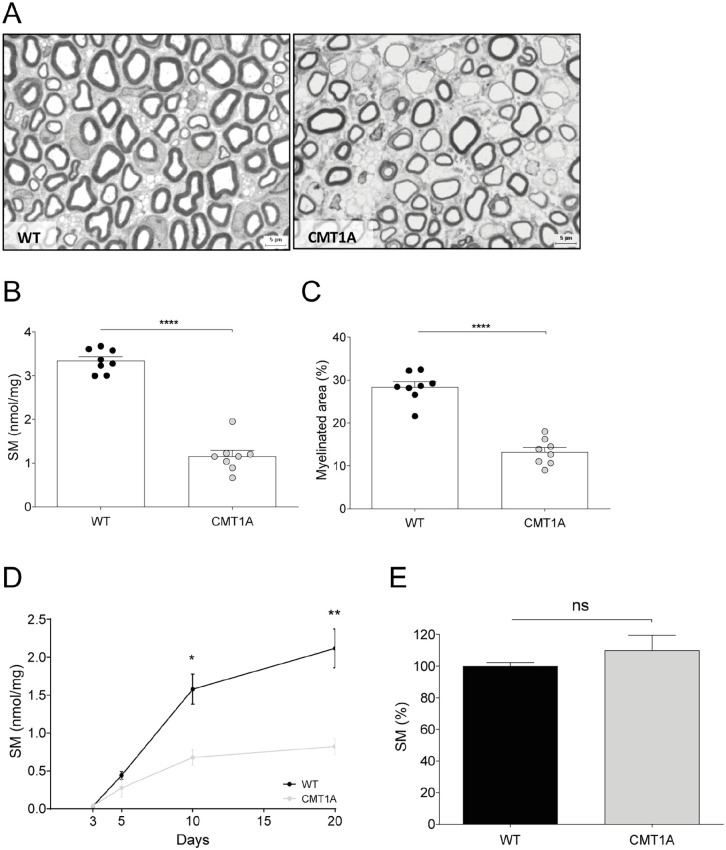 Figure 1
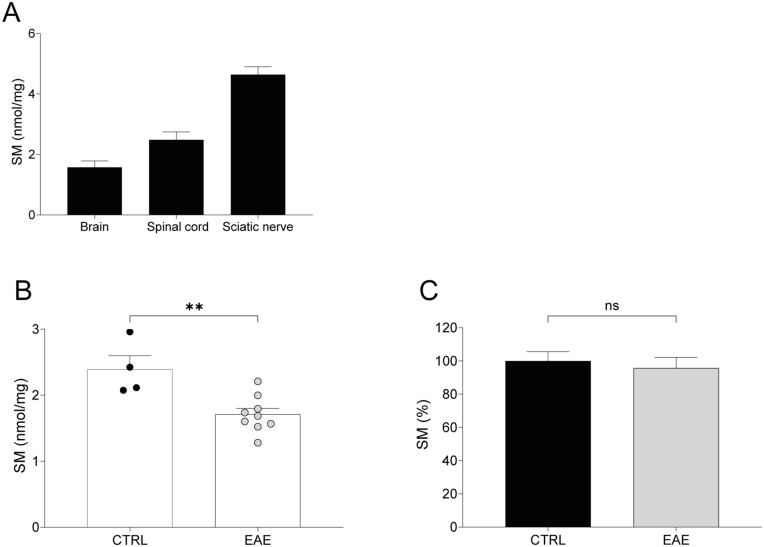 Figure 2
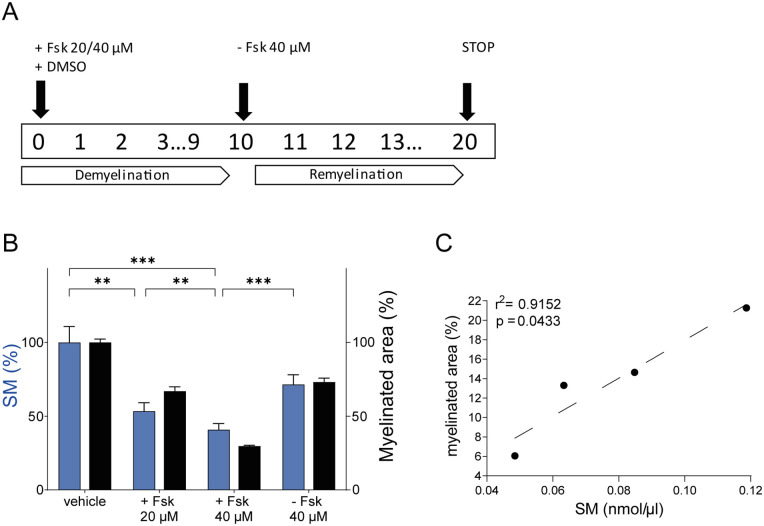 Figure 3
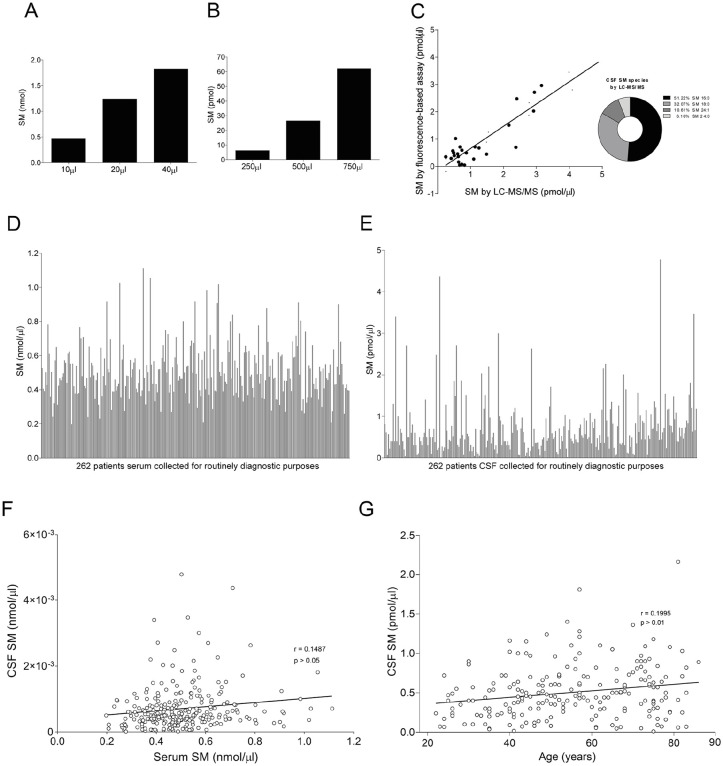 Figure 4
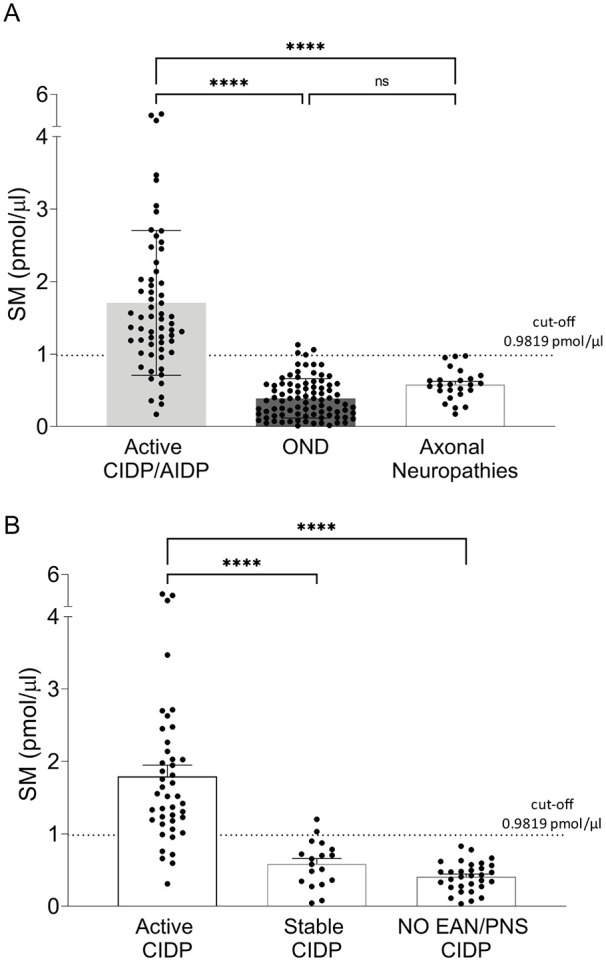 Figure 5
 Figure 6
Peer Reviews
No public reviews on file for this paper yet. If you reviewed it on a platform where reviews are public (OpenReview, ICLR, NeurIPS, ICML), you can paste yours below so the community can read it here.
Videos
No videos yet. Explain this paper in a talk, walkthrough, or lecture? Add one.
Taxonomy
TopicsPeripheral Neuropathies and Disorders · Hereditary Neurological Disorders · Sphingolipid Metabolism and Signaling