Reidentification of hybridization events with transcriptomic data and phylogenomic study in Seabuckthorn
Hui Zhang, Zhiqi Wang, Xue Su, Dong Han, Lujie Yang, Ying Zhang, Jing Fang, Jingyuan Wang, Kun Sun

TL;DR
This study uses transcriptomic data to identify hybrid sea buckthorn plants and explores their genetic makeup.
Contribution
The study confirms F1 hybrid status for H. goniocarpa and presents the first phylogenomic tree of the Hippophae genus using transcriptomic data.
Findings
Eight individuals, including H. goniocarpa, were identified as F1 hybrids.
Allele-specific expression and low transcript abundance affect SNP calling accuracy.
A phylogenomic tree of the Hippophae genus was constructed using transcriptomic data.
Abstract
Natural hybridization in sea buckthorn (Hippophae spp.) is well documented. While the parental species involved in these events have been identified, distinctions between F1 hybrids and later-generation (Fn) hybrids remain insufficiently explored, and their genetic compositions are not yet fully understood. In this study, we employed transcriptomic data and reference genomes to identify Fn hybrids in two natural hybrid populations, confirming eight individuals—including H. goniocarpa Lian. X. L. Chen et K. Sun and four members of a hybrid swarm from Qinghai, China—as F1 hybrids. These findings support the hypothesis that H. goniocarpa is not a distinct species, but rather an F1 hybrid within the genus. Additionally, we discuss limitations specific to SNP calling from transcriptomic data—such as allele-specific expression and low transcript abundance—which may lead to the…
Genes, proteins, chemicals, diseases, species, mutations and cell lines named across the full text — each resolved to its canonical identifier and authoritative record.
Click any figure to enlarge with its caption.
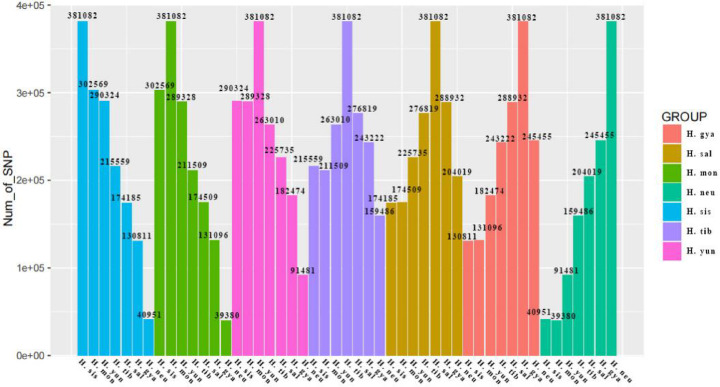 Figure 10
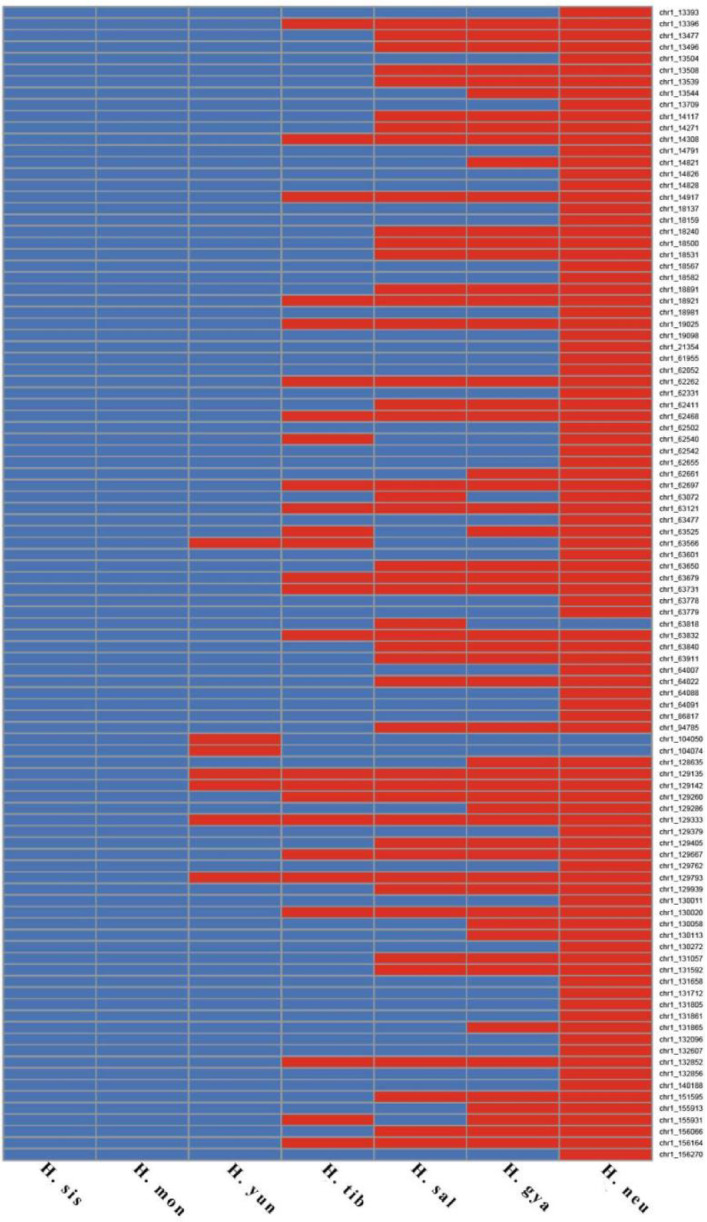 Figure 11
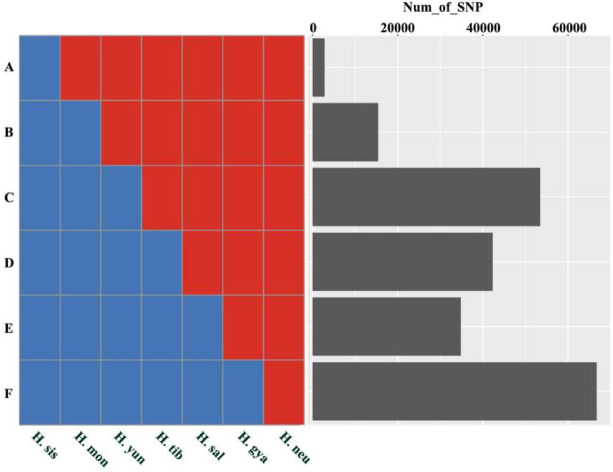 Figure 12
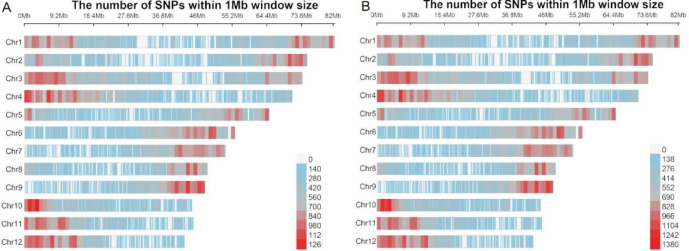 Figure 1
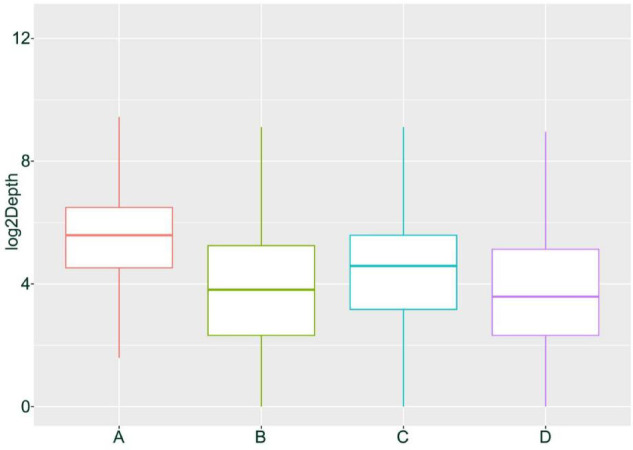 Figure 2
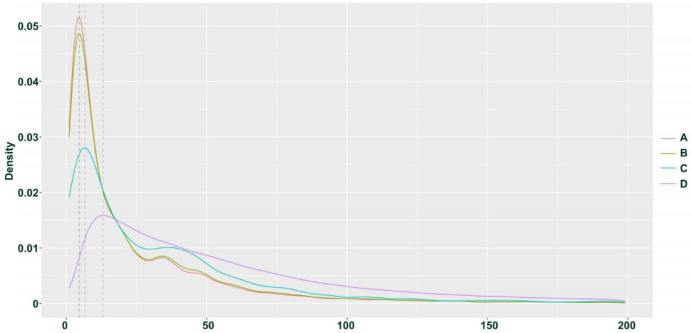 Figure 3
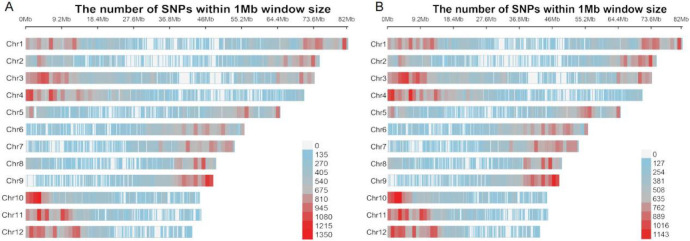 Figure 4
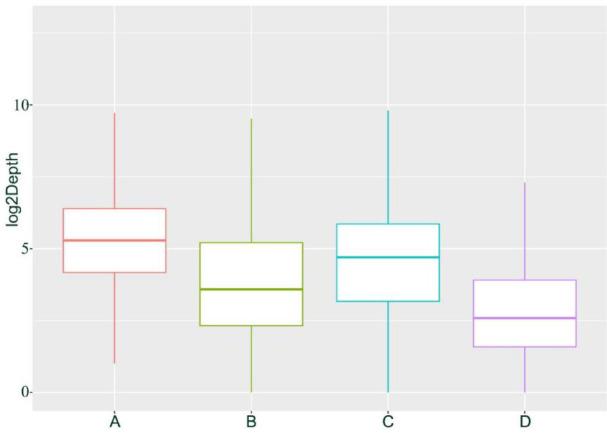 Figure 5
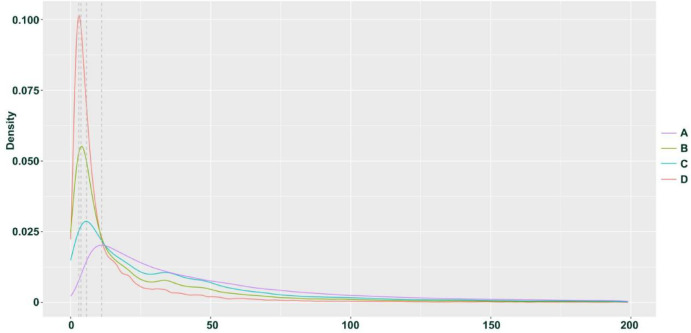 Figure 6
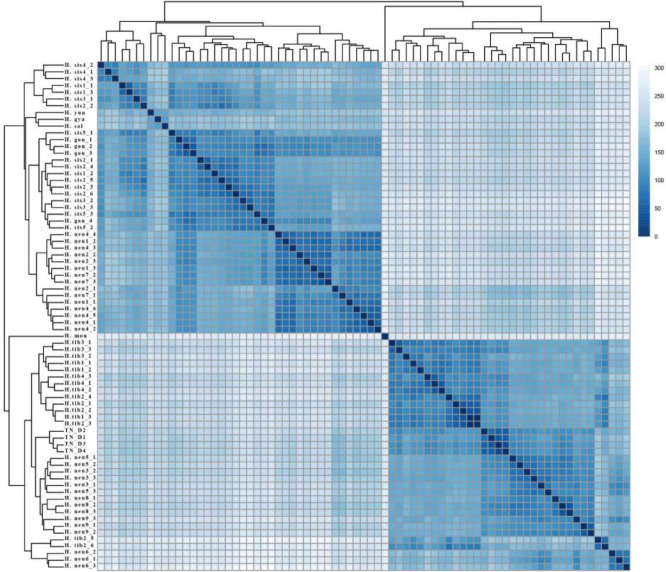 Figure 7
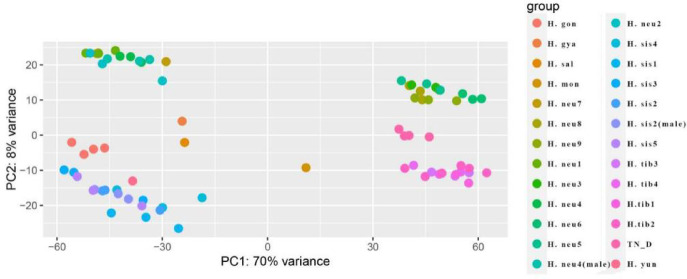 Figure 8
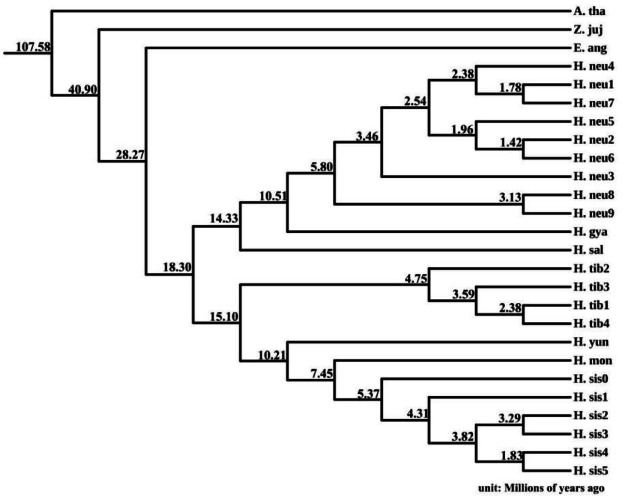 Figure 9
Peer Reviews
No public reviews on file for this paper yet. If you reviewed it on a platform where reviews are public (OpenReview, ICLR, NeurIPS, ICML), you can paste yours below so the community can read it here.
Videos
No videos yet. Explain this paper in a talk, walkthrough, or lecture? Add one.
Taxonomy
TopicsPhytochemical and Pharmacological Studies · Genetic diversity and population structure · Botanical Studies and Applications