Rotating-pulling-poking manipulation effectively alleviates pain symptoms of lateral ankle sprain: an animal experimental study
Haibao Wen, Jinghua Gao, Fudong Shi, Jin Li, Minrui Fu, Minshan Feng, Luguang Li, Chunyu Gao, Jianguo Li

TL;DR
This study shows that a specific manipulation technique can reduce pain from ankle sprains in rats by affecting brain pathways and inflammation.
Contribution
The study identifies the analgesic mechanism of Rotating-Pulling-Poking Manipulation through brain signaling and inflammation reduction in an animal model.
Findings
The 5-minute manipulation group showed the best analgesic effect with reduced pain thresholds and weight-bearing differences.
Manipulation increased MOR and 5-HT levels while decreasing BDNF, p-TrkB/TrkB, NR2A, and inflammatory markers in ankle tissues.
The technique activates descending pain inhibition and suppresses pain facilitation and inflammation pathways.
Abstract
This study aimed to explore the analgesic mechanism of the Rotating - Pulling - Poking Manipulation in treating acute lateral ankle sprain (ALAS). Thirty rats were randomly divided into 5 groups in the first experiment to determine the dose - effect relationship by detecting ankle pain thresholds at different time points. The results showed that the 5-min manipulation group had the best analgesic effect, with the bipedal weight - bearing difference decreasing over time and pain relief time shortened. In the second experiment, 30 rats were divided into 3 groups. After manipulation, samples from PAG and RVM were tested. The results indicated that compared with the model group, the 5-min manipulation group had increased MOR expression in PAG and 5 - HT concentration in cerebrospinal fluid, decreased expressions of BDNF, p - TrkB/TrkB in PAG and NR2A in RVM, and reduced contents of IL - 6,…
Genes, proteins, chemicals, diseases, species, mutations and cell lines named across the full text — each resolved to its canonical identifier and authoritative record.
Click any figure to enlarge with its caption.
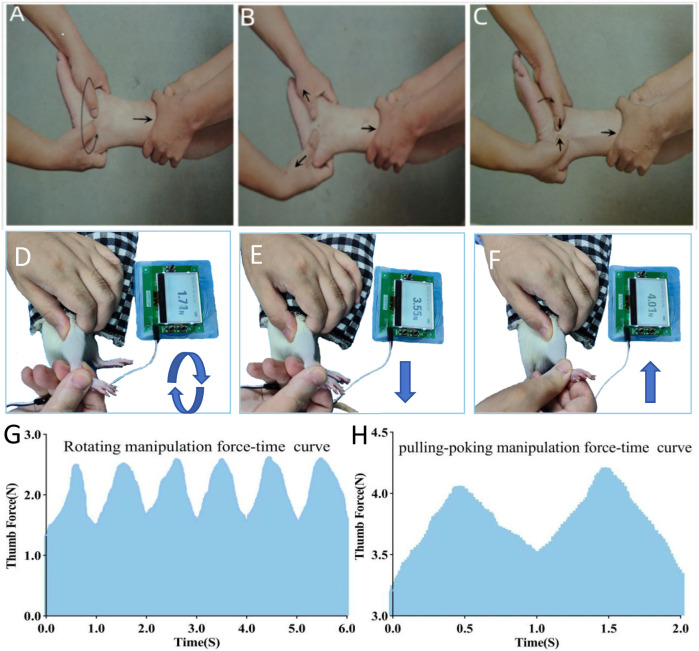 Figure 1
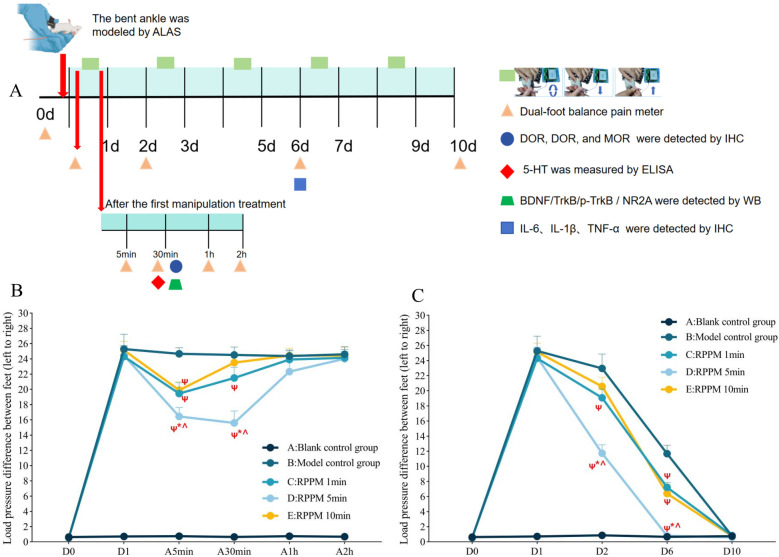 Figure 2
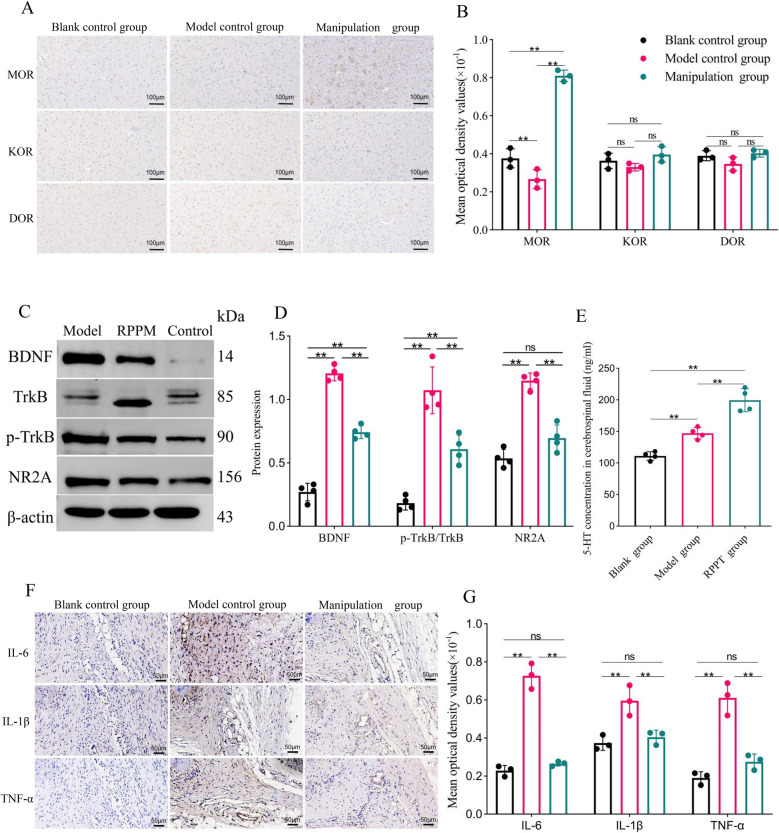 Figure 3
Peer Reviews
No public reviews on file for this paper yet. If you reviewed it on a platform where reviews are public (OpenReview, ICLR, NeurIPS, ICML), you can paste yours below so the community can read it here.
Videos
No videos yet. Explain this paper in a talk, walkthrough, or lecture? Add one.
Taxonomy
TopicsPain Mechanisms and Treatments · Healthcare and Venom Research · Exercise and Physiological Responses