Blood pressure control, hypertension phenotypes, and albuminuria: outcomes of the comprehensive Basel Postpartum Hypertension Registry
Leana N. Hotz, Thilo Burkard, Alessandro Rana, Celine A. Wenker, Subeedhja Jalanthiran, Leana Piattini, Noémie Strobel, Viviane Vorster, Zoë G. Menzinger, Sophia Eichler, Christina Schumacher, Michael Mayr, Michael Dickenmann, Irene Hoesli, Olav Lapaire, Beatrice Mosimann

TL;DR
This study tracks postpartum hypertension outcomes, finding that many women still have high blood pressure or kidney issues even after treatment.
Contribution
The study provides new insights into blood pressure and kidney outcomes across different types of postpartum hypertension beyond preeclampsia.
Findings
Many women with postpartum hypertension still require medication at 12 months.
Albuminuria decreases over time but remains present in some cases.
Non-preeclampsia cases also need strict monitoring for better outcomes.
Abstract
Postpartum hypertension (PPHT) affects 20% of pregnancies and is strongly correlated to cardiovascular and kidney disease. Most outcome data stems from preeclampsia (PE) neglecting other hypertensive disorders of pregnancy (HDP). This analysis aimed to investigate blood pressure (BP) control, BP phenotypes, therapeutic intensity scores (TIS), and albuminuria across the spectrum of PPHT in the short-medium term.This analysis prospectively followed 370 cases of PPHT. Automated office BP measurements (AOBPM), 24-hour ambulatory BP measurements (24ABPM), TIS and Kidney Disease Improving Global Outcomes (KDIGO) > A2 levels of albumin to creatinine ratio (ACR) were measured at 3 (V3) and 12 (V12) months postpartum. Outcomes were percentage of participants with non-hypertensive AOBPM and awake 24ABPM, whitecoat, and masked hypertension, and an A2 ACR at V3 and V12. The Basel-PPHT cohort…
Genes, proteins, chemicals, diseases, species, mutations and cell lines named across the full text — each resolved to its canonical identifier and authoritative record.
Click any figure to enlarge with its caption.
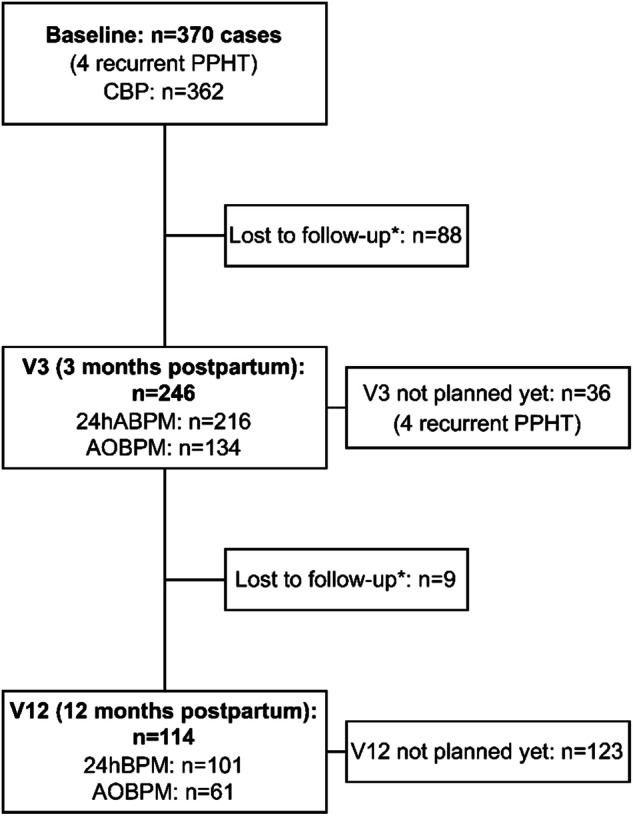 Figure 1
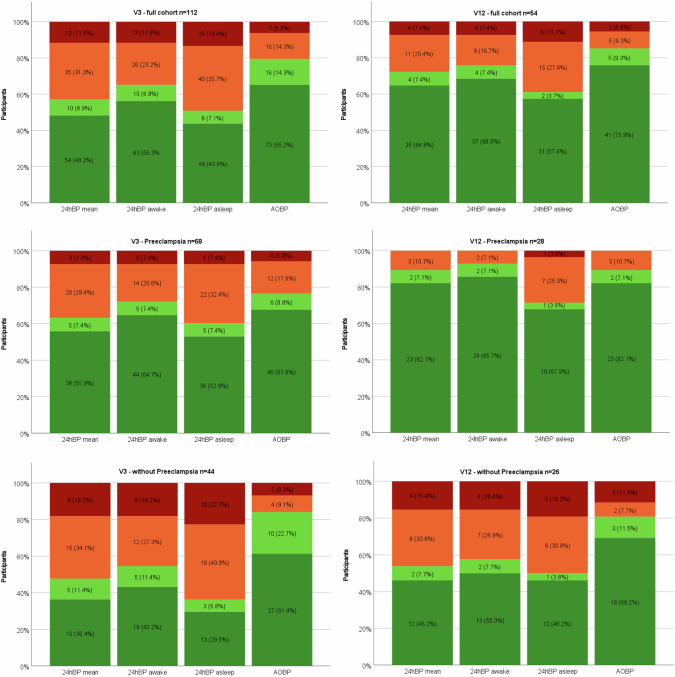 Figure 2
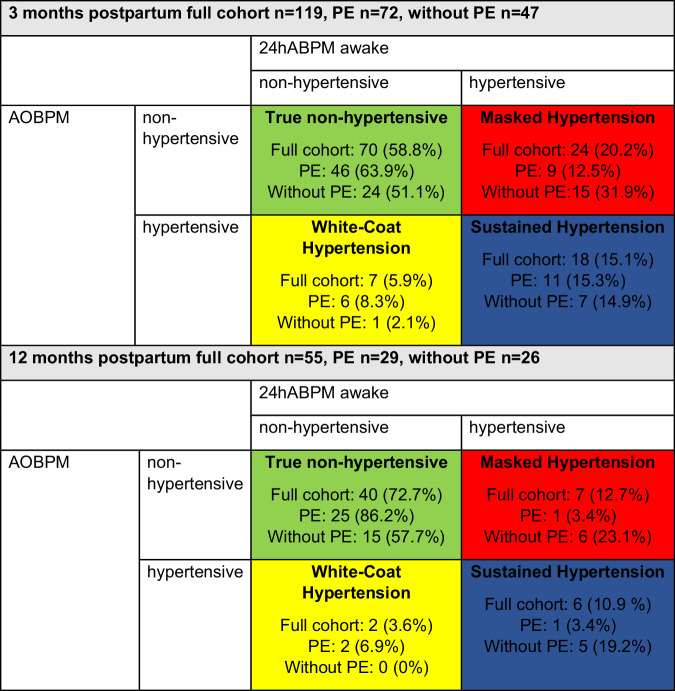 Figure 3
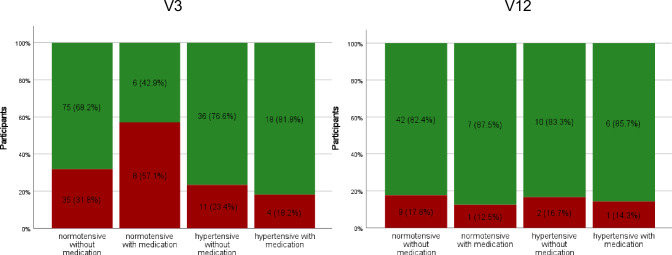 Figure 4
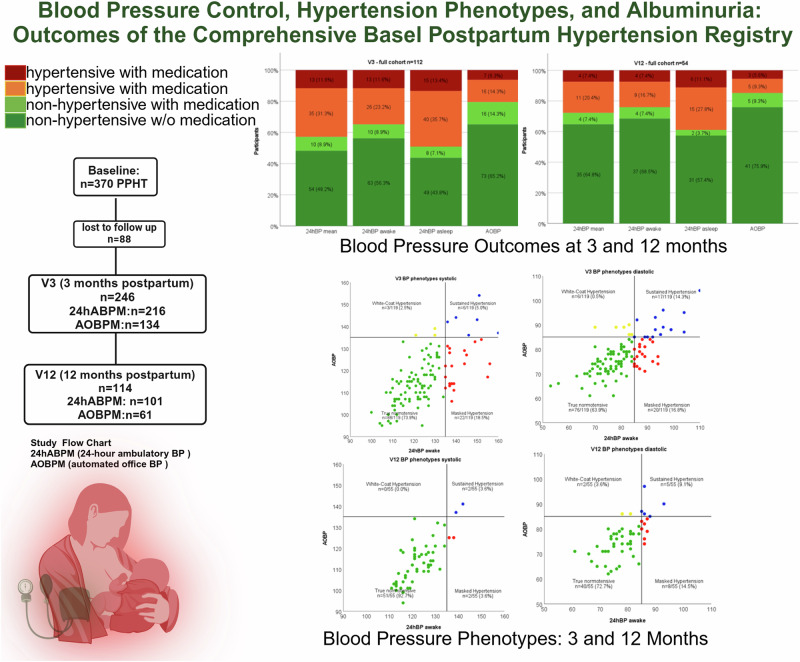 Figure 5
Peer Reviews
No public reviews on file for this paper yet. If you reviewed it on a platform where reviews are public (OpenReview, ICLR, NeurIPS, ICML), you can paste yours below so the community can read it here.
Videos
No videos yet. Explain this paper in a talk, walkthrough, or lecture? Add one.
Taxonomy
TopicsPregnancy and preeclampsia studies · Maternal and fetal healthcare · Gestational Diabetes Research and Management