Nitrous Oxide: No More a Laughing Matter
Amit Badshah, Abir Aijaz, Abdul Bhat, Ayesha Babar

TL;DR
Nitrous oxide can cause spinal cord damage, but this case shows rapid recovery after long-term exposure.
Contribution
This case highlights a rare and prolonged nitrous oxide-induced myelopathy with rapid recovery.
Findings
Prolonged nitrous oxide exposure led to thoracic dorsal column involvement.
Significant recovery occurred within two months after exposure ceased.
Genetic factors may influence susceptibility to nitrous oxide-induced spinal cord damage.
Abstract
Nitrous oxide (N₂O) is an uncommon cause of subacute combined degeneration (SCD) of the spinal cord, typically observed in district general hospitals, with most affected patients being male. A genetic predisposition may contribute to the development of this myelopathy, particularly due to polymorphisms in the gene responsible for vitamin B12 processing. Our case is distinct in its presentation, involving prolonged exposure over two years, thoracic dorsal column involvement, and rapid, significant recovery within two months.
Genes, proteins, chemicals, diseases, species, mutations and cell lines named across the full text — each resolved to its canonical identifier and authoritative record.
Click any figure to enlarge with its caption.
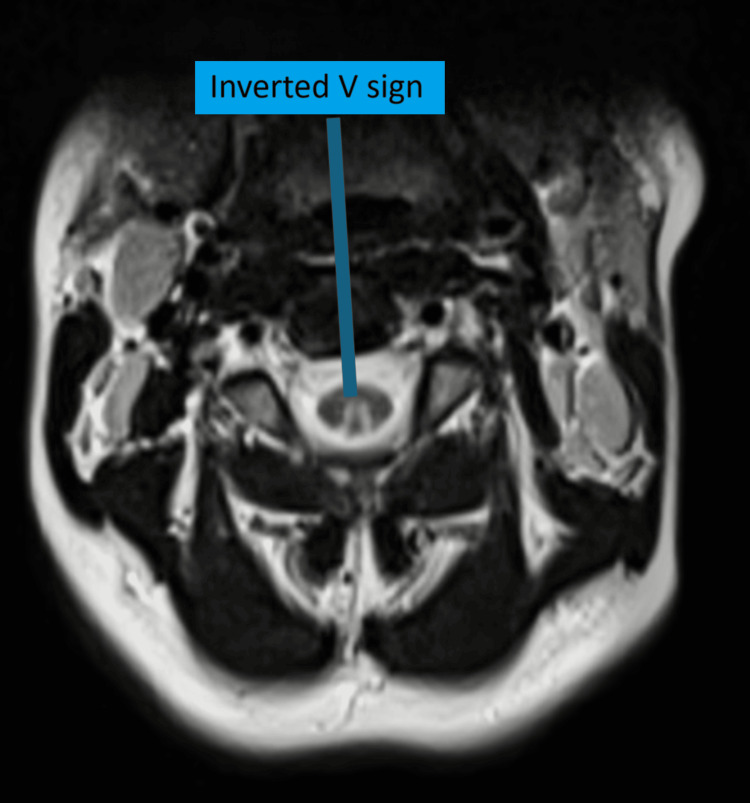 Figure 1
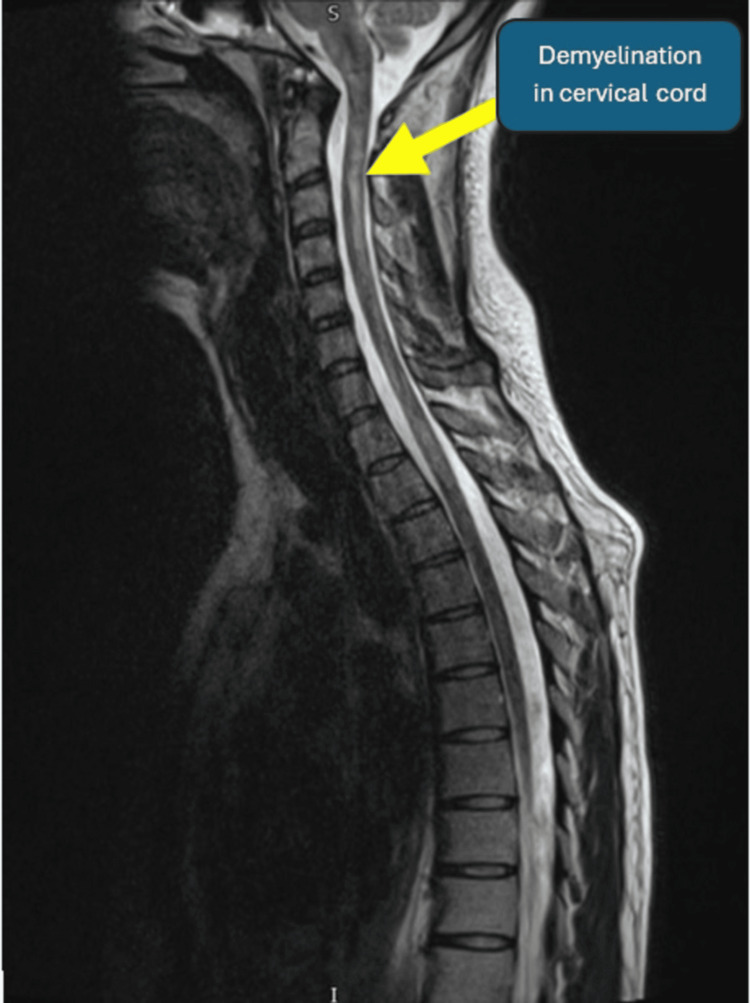 Figure 2
Peer Reviews
No public reviews on file for this paper yet. If you reviewed it on a platform where reviews are public (OpenReview, ICLR, NeurIPS, ICML), you can paste yours below so the community can read it here.
Videos
No videos yet. Explain this paper in a talk, walkthrough, or lecture? Add one.
Taxonomy
TopicsFolate and B Vitamins Research · Pregnancy and preeclampsia studies · Fluoride Effects and Removal