ELTD1 inhibits differentiation of hemogenic endothelium progenitors from human embryonic stem cells through the HPIP–Wnt pathway
Qian Luo, Yijin Chen, Honghu Li, Yan Long, Wei Shan, Xiangjun Zeng, Shuyang Cai, Ye Meng, Cong Wei, Yulin Xu, Ruxiu Tie, Yi Luo, Pengxu Qian, Meng Zhang, He Huang

TL;DR
This study shows that ELTD1 inhibits the formation of blood cell precursors from human embryonic stem cells by affecting the Wnt signaling pathway, offering new insights for regenerative medicine.
Contribution
The discovery of the ELTD1–HPIP–LEF1–Wnt regulatory axis as a novel mechanism controlling hemogenic endothelium progenitor generation from hESCs.
Findings
ELTD1 expression is highly correlated with hemogenic endothelium progenitor specification from hESCs.
Knockdown of ELTD1 increases hemogenic endothelium progenitors and hematopoietic cell production.
ELTD1 functions through the Wnt pathway via interaction with HPIP and LEF1.
Abstract
Human embryonic stem cells (hESCs) serve as an ideal cell source for generating hematopoietic stem cells (HSCs). In embryonic hematopoiesis, hemogenic endothelium has been identified as a source of HSCs, yet the regulatory mechanisms remain elusive. Here, through dynamic gene expression profiling analysis and verification, we find that ELTD1 expression parallels genes related to the specification of hemogenic endothelium progenitors (HEPs) from hESCs and is highly expressed in the HEPs. We then investigate the impact of ELTD1 on the hematopoietic differentiation of hESCs via gain- and loss-of-function experiments. Knockdown or deletion of ELTD1 mediates hESC hematopoiesis by specifically facilitating the generation of HEPs, thus promoting endothelial-to-hematopoietic transition to generate more hematopoietic cells. Besides, the overexpression of ELTD1 serves to further solidify this…
Genes, proteins, chemicals, diseases, species, mutations and cell lines named across the full text — each resolved to its canonical identifier and authoritative record.
Click any figure to enlarge with its caption.
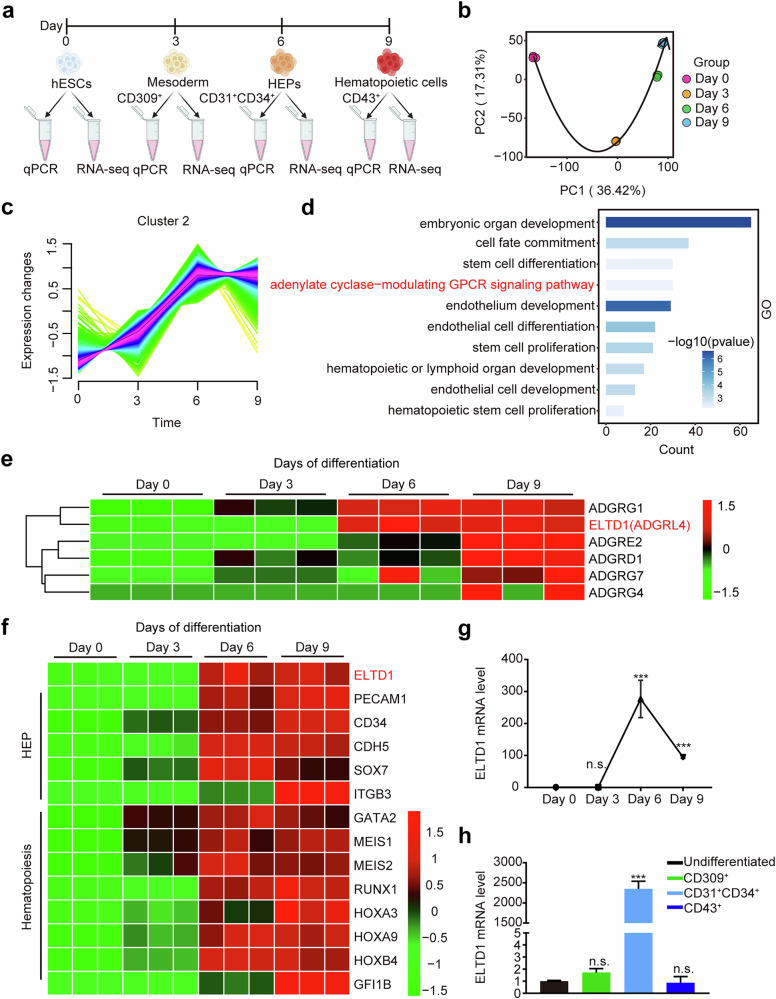 Figure 1
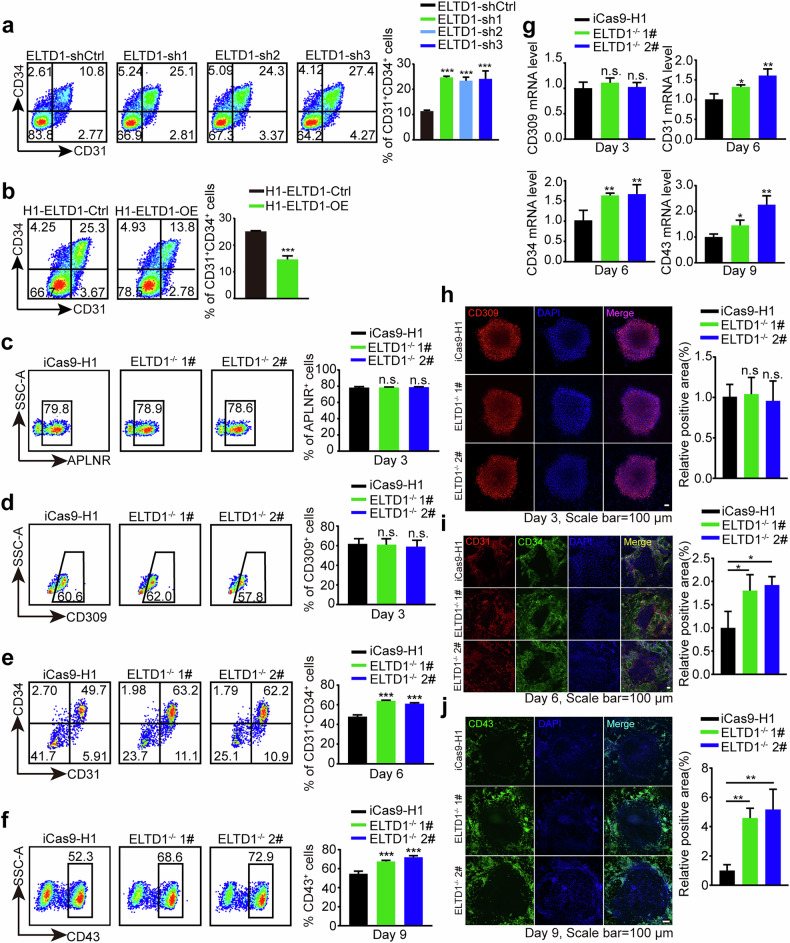 Figure 2
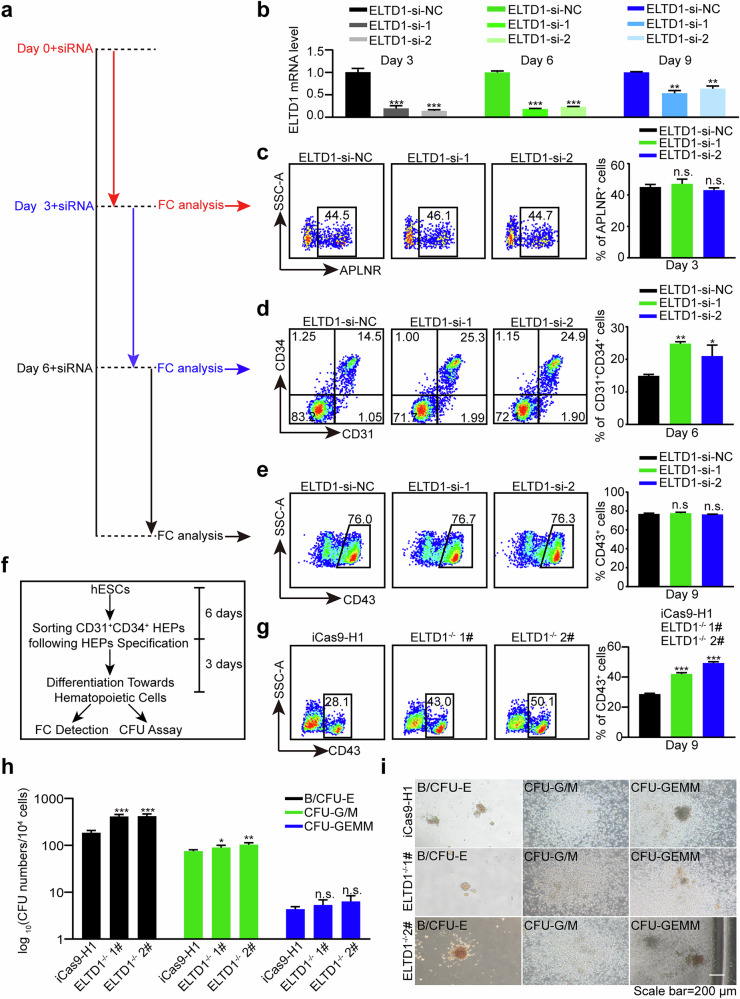 Figure 3
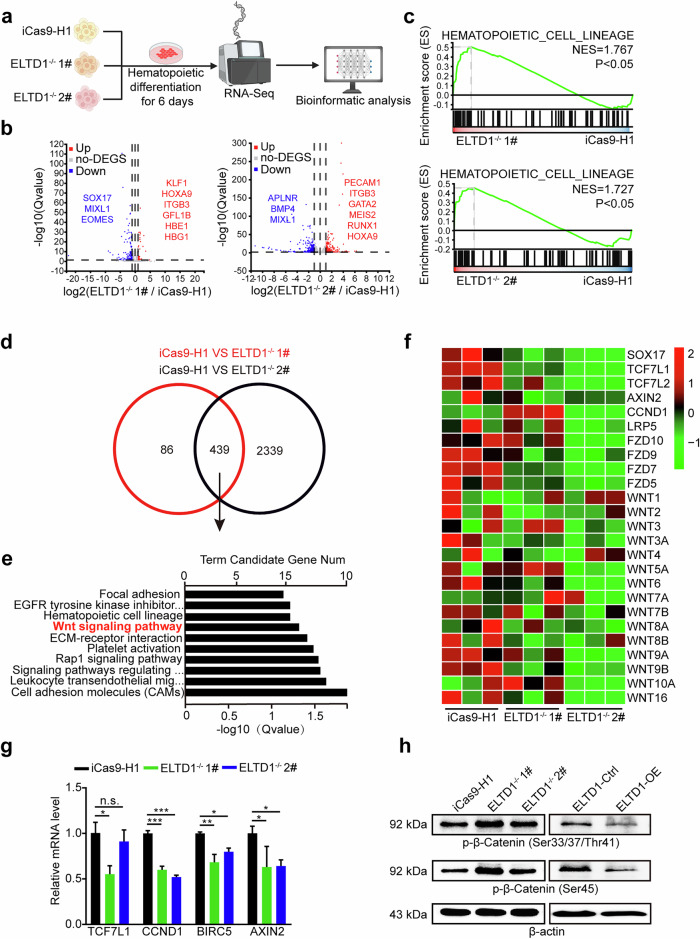 Figure 4
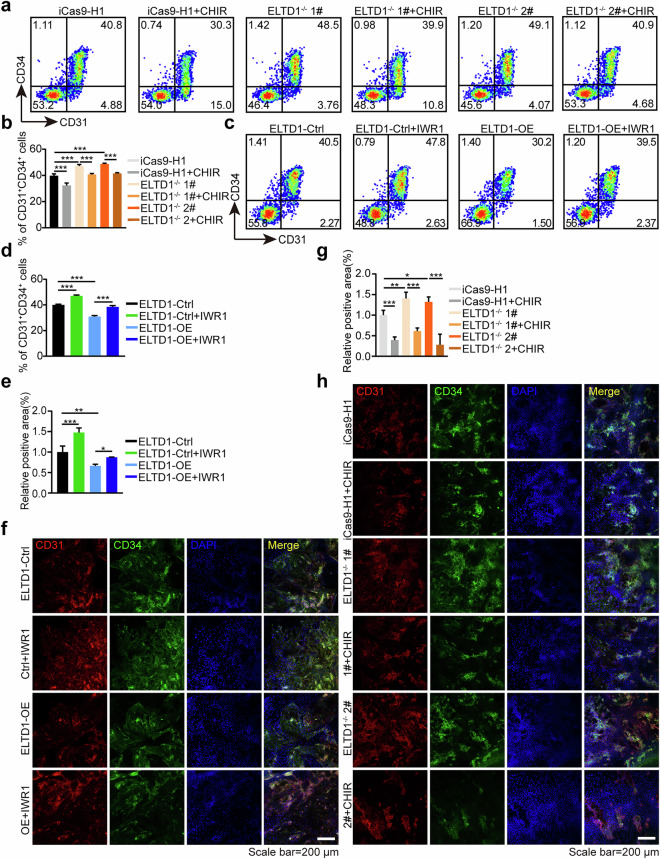 Figure 5
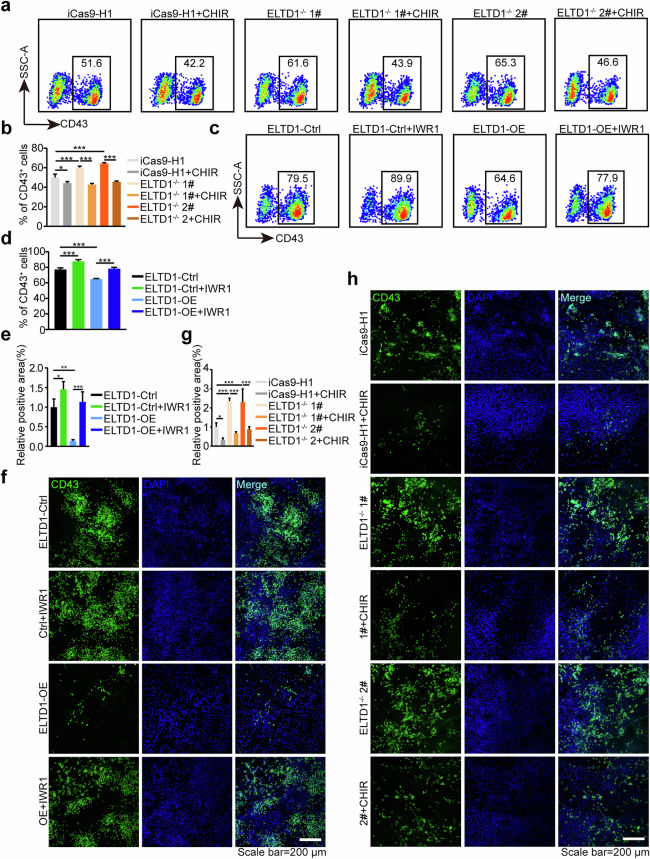 Figure 6
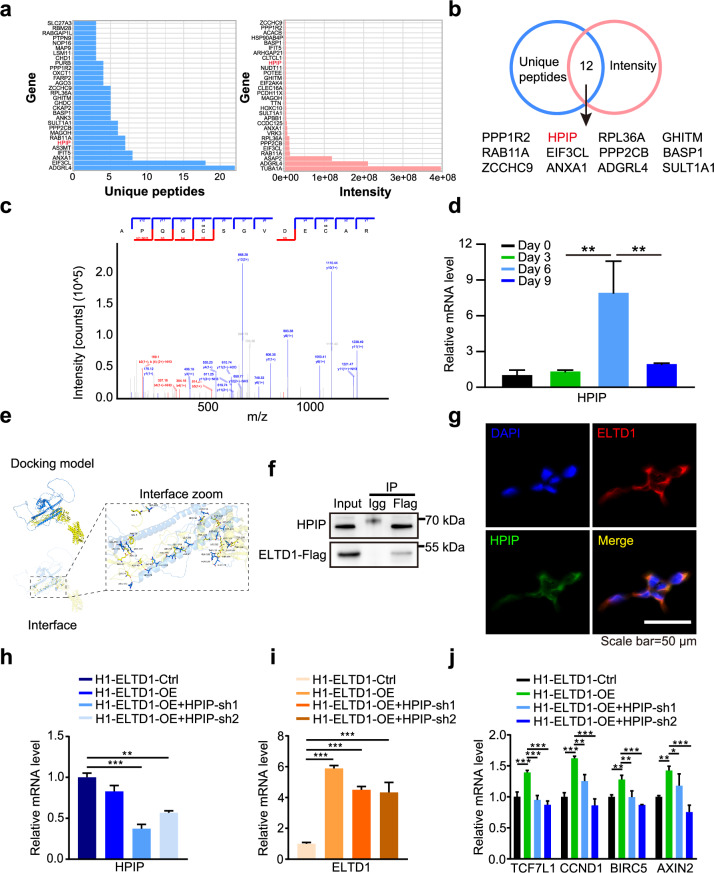 Figure 7
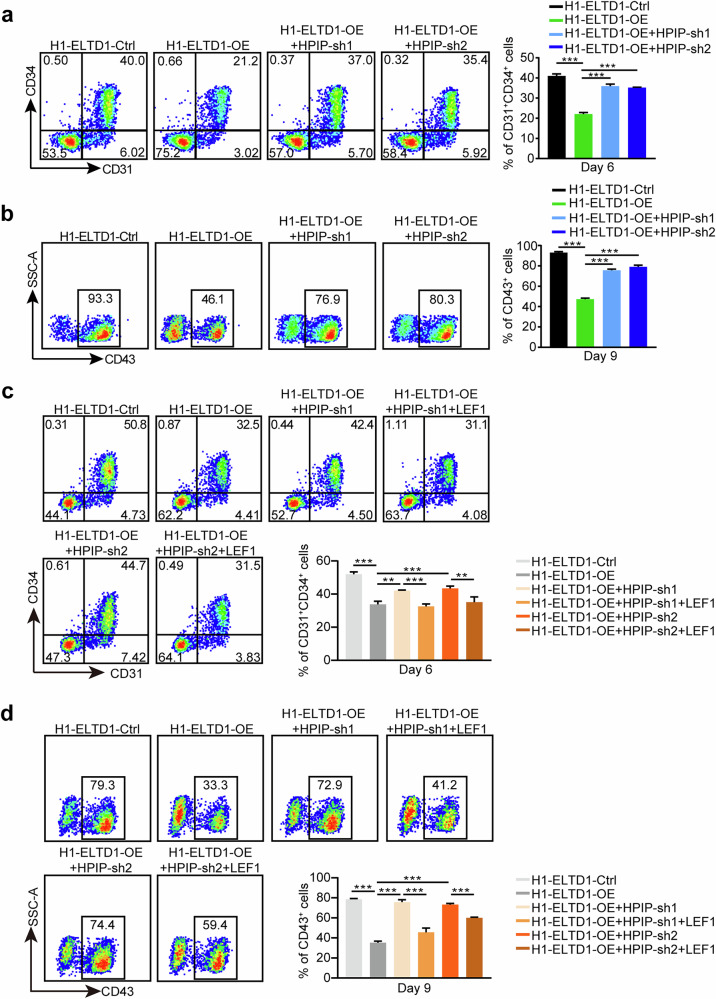 Figure 8
Peer Reviews
No public reviews on file for this paper yet. If you reviewed it on a platform where reviews are public (OpenReview, ICLR, NeurIPS, ICML), you can paste yours below so the community can read it here.
Videos
No videos yet. Explain this paper in a talk, walkthrough, or lecture? Add one.
Taxonomy
TopicsZebrafish Biomedical Research Applications · Pluripotent Stem Cells Research · CRISPR and Genetic Engineering