Morphological and molecular assessment of muscle metacercariae infecting tench Tinca tinca from fish farms and wild populations in Germany
Claudina Mata-Marcano, Matthias Stöck, Klaus Knopf

TL;DR
This study identifies zoonotic parasites in farmed and wild tench in Germany, highlighting a risk to human health if the fish is consumed undercooked.
Contribution
The study combines morphological and molecular methods to identify specific zoonotic trematodes in tench for the first time in Germany.
Findings
Three trematode species were identified in tench muscle tissue, including two with zoonotic potential.
Pseudamphistomum truncatum and Paracoenogonimus ovatus showed high prevalence in both farmed and wild tench.
Accurate identification of metacercariae is critical for assessing food safety risks in fish consumption.
Abstract
Fish can be infected with metacercariae (the final larval stage) of different species of potentially zoonotic digenetic trematodes (flukes). The fish-borne zoonotic trematodes thus compromise food safety and present a major threat for human health. Reducing the risk of human infections requires careful assessment and accurate taxonomic identification of these parasites. Here, we analysed metacercariae in muscle tissue of tench (Tinca tinca), sampled between March and September 2022 from three fish farms and three natural waterbodies in Germany. Whenever possible, we combined morphological and molecular data from the very same individual metacercariae using mitochondrial cytochrome oxidase c subunit 1 (cox1) and nuclear internal transcribed spacer 1 (ITS1) for species identification. Three morphotypes of metacercariae were found in the muscle of tench, corresponding to the trematode…
Genes, proteins, chemicals, diseases, species, mutations and cell lines named across the full text — each resolved to its canonical identifier and authoritative record.
Click any figure to enlarge with its caption.
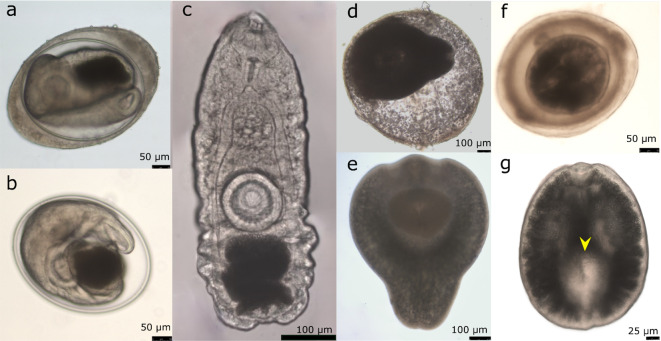 Figure 1
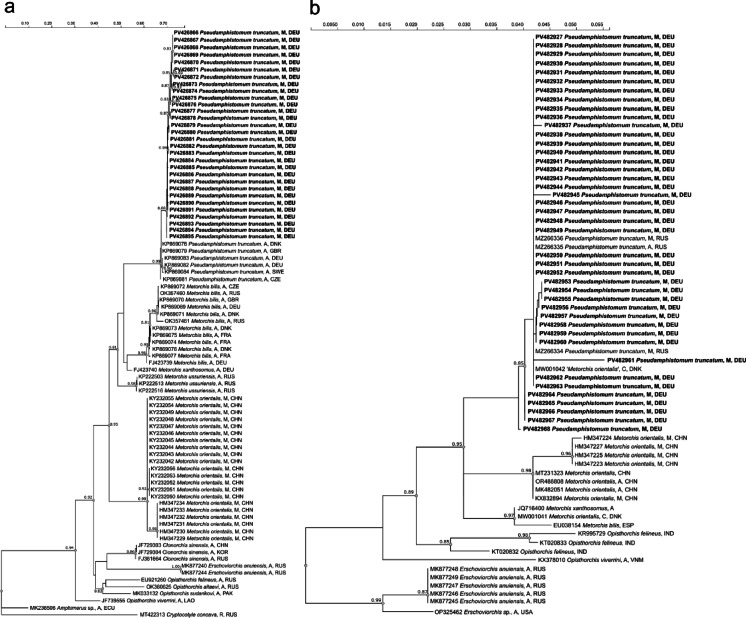 Figure 2
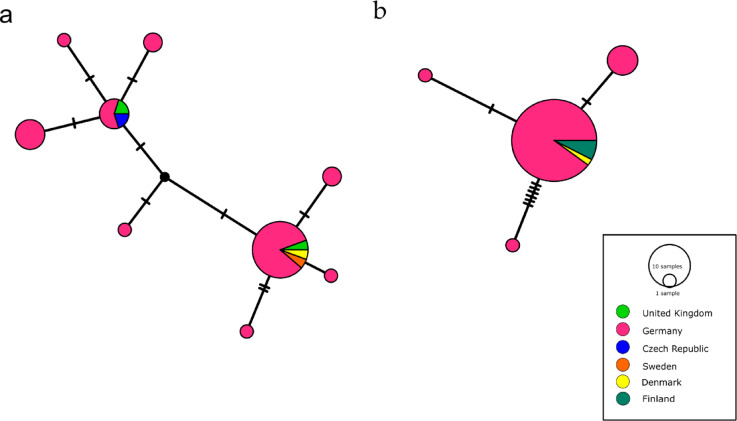 Figure 3
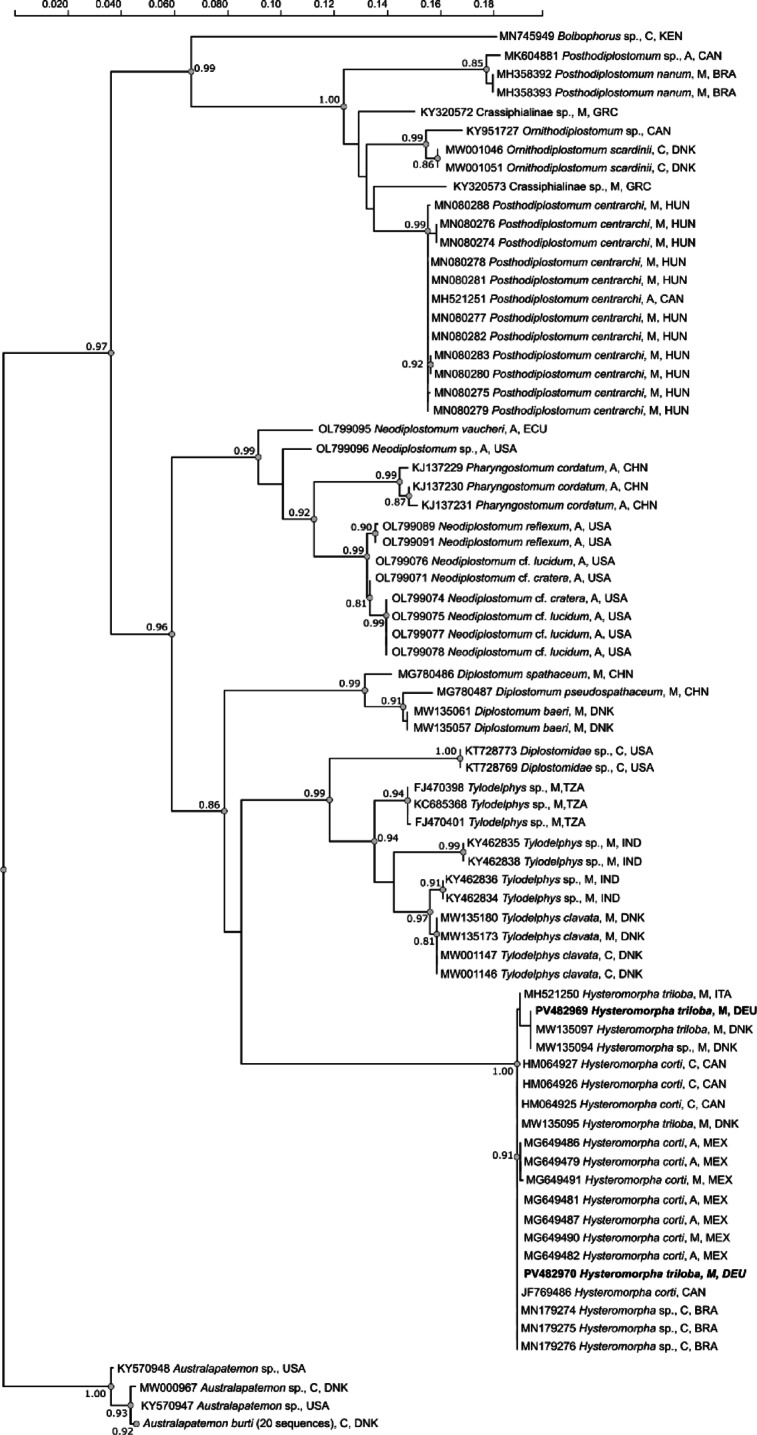 Figure 4
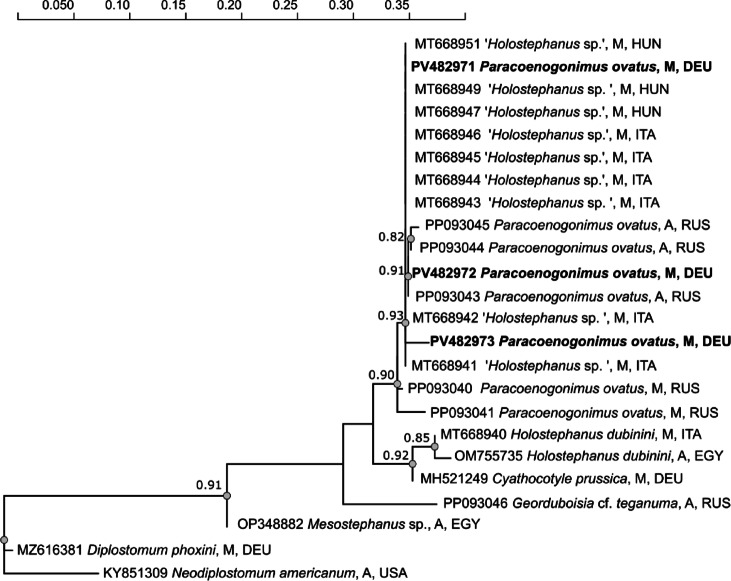 Figure 5
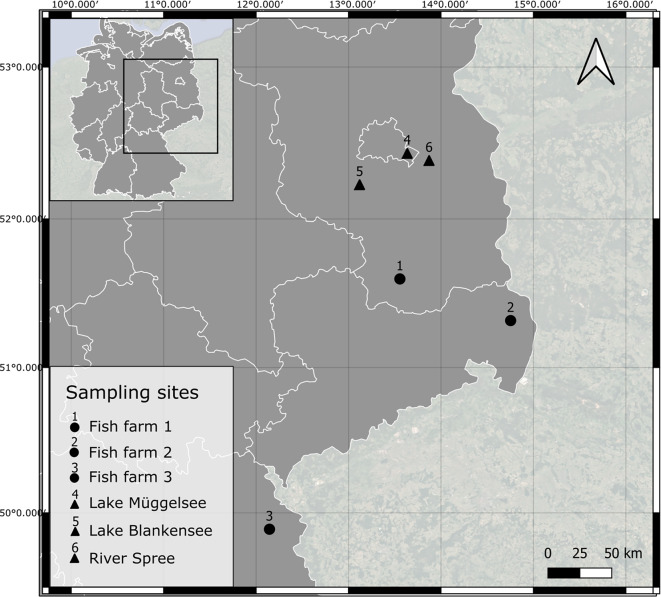 Figure 6
Peer Reviews
No public reviews on file for this paper yet. If you reviewed it on a platform where reviews are public (OpenReview, ICLR, NeurIPS, ICML), you can paste yours below so the community can read it here.
Videos
No videos yet. Explain this paper in a talk, walkthrough, or lecture? Add one.
Taxonomy
TopicsParasite Biology and Host Interactions · Parasites and Host Interactions · Helminth infection and control