Neurotensin inhibits AMPK activity and concurrently enhances FABP1 expression in small intestinal epithelial cells associated with obesity and aging
Jing Li, Jun Song, Baoxiang Yan, Haoming Wu, Moumita Banerjee, Leif Magnuson, Yajuan Liu, Shulin Zhang, Jinpeng Liu, Chi Wang, Tianyan Gao, Jianhang Jia, Heidi L. Weiss, B. Mark Evers

TL;DR
Neurotensin reduces AMPK activity and increases fat absorption in intestinal cells, worsening obesity and aging effects, but its absence improves health and lifespan.
Contribution
The study reveals a novel mechanism linking neurotensin to AMPK inhibition and FABP1 upregulation in intestinal cells during obesity and aging.
Findings
Neurotensin deficiency preserves AMPK activity and reduces fat absorption in mice on high-fat diets.
AICAR and metformin fail to activate AMPK in aged intestinal cells but suppress FABP1 expression.
Reducing neurotensin levels extends lifespan in both Drosophila and mice.
Abstract
We previously demonstrated that neurotensin, a 13-amino-acid gut hormone peptide, enhances small intestinal epithelial cell fatty acid uptake through inhibition of AMPK. Here, utilizing Drosophila and mouse models in vivo, as well as mouse and human small intestinal epithelial organoids or monolayers ex vivo, we determine the targets of neurotensin and AMPK associated with obesity and aging. High-fat diet and aging decreased AMPK and insulin signaling, which was prevented by neurotensin deficiency. High-fat diet feeding increased FABP1 protein expression in wild-type mice; this effect was attenuated in neurotensin-deficient mice. AICAR and metformin increased AMPK phosphorylation in young but not in aged small intestinal epithelial cells. By contrast, AICAR and metformin inhibited FABP1 mRNA and protein expression. Moreover, cytosolic colocalization of AMPKα1 and FABP1 was noted in…
Genes, proteins, chemicals, diseases, species, mutations and cell lines named across the full text — each resolved to its canonical identifier and authoritative record.
Click any figure to enlarge with its caption.
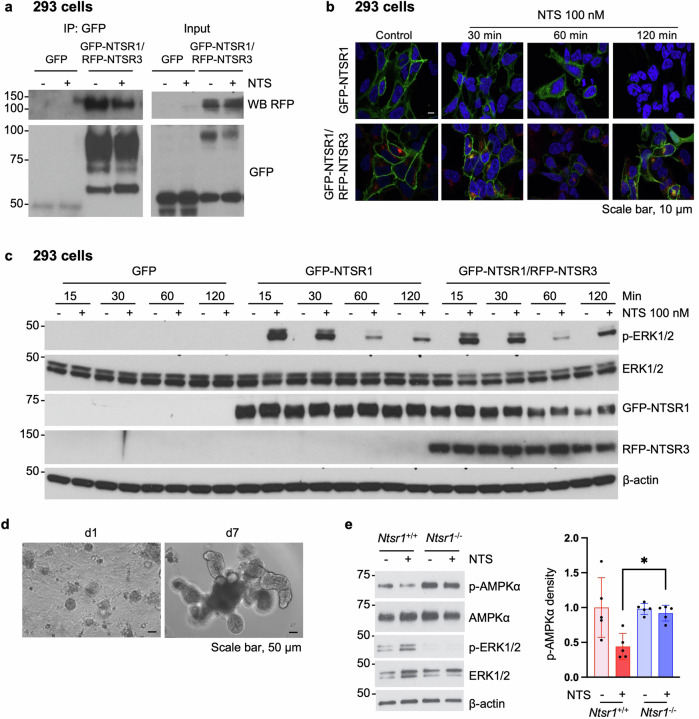 Figure 1
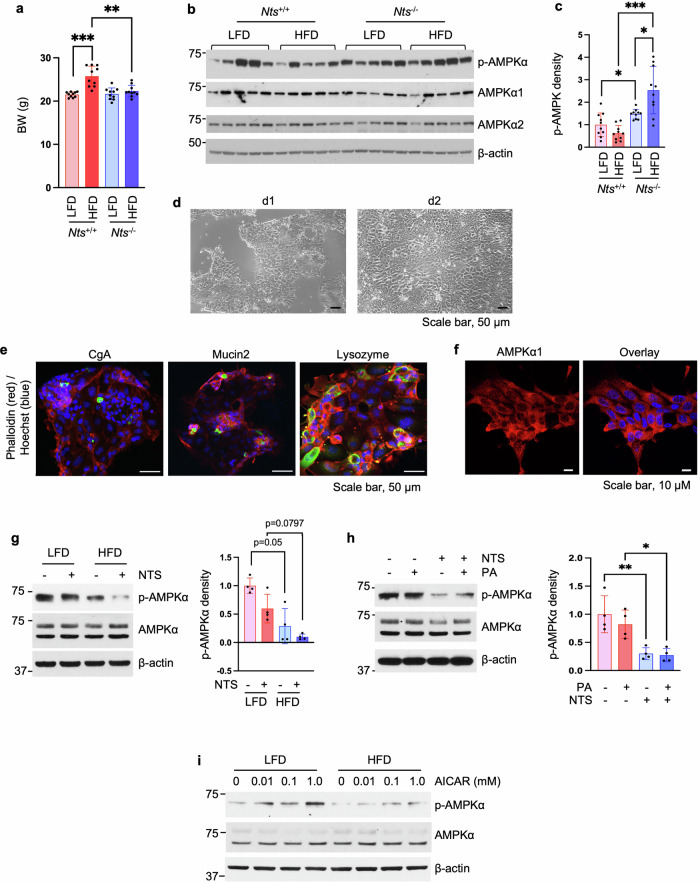 Figure 2
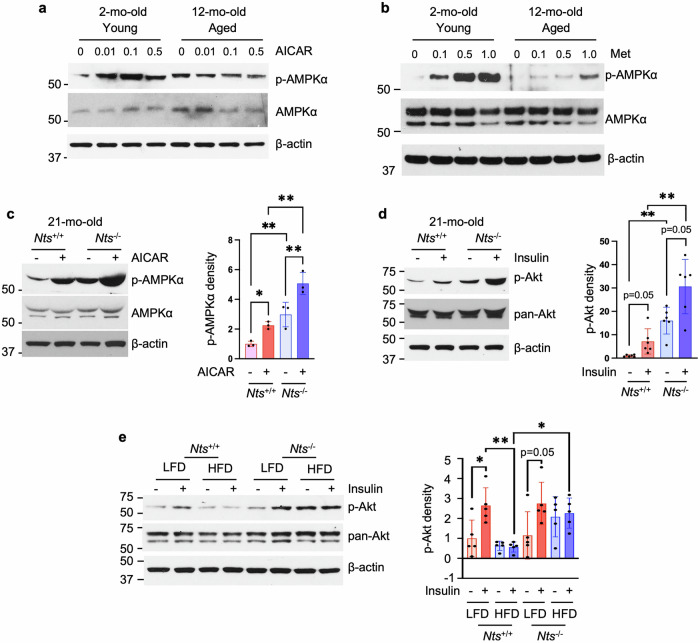 Figure 3
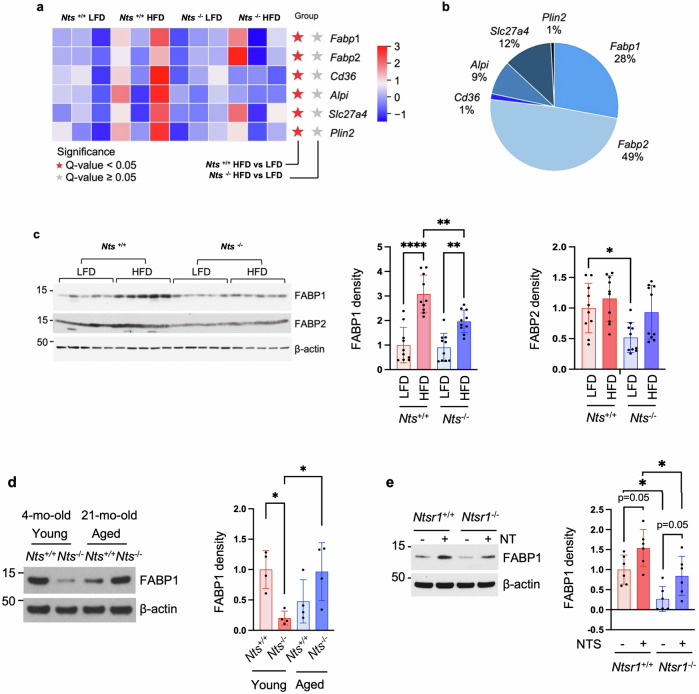 Figure 4
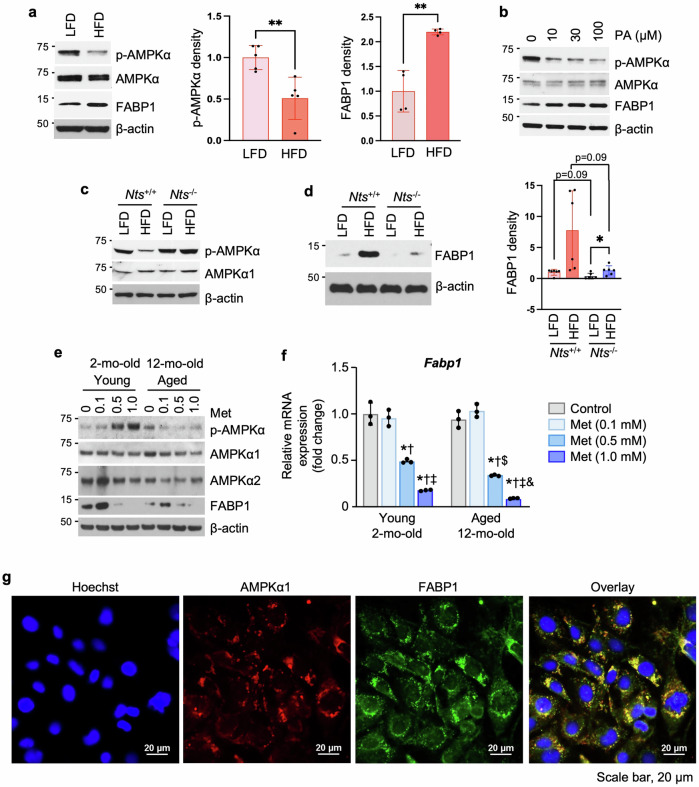 Figure 5
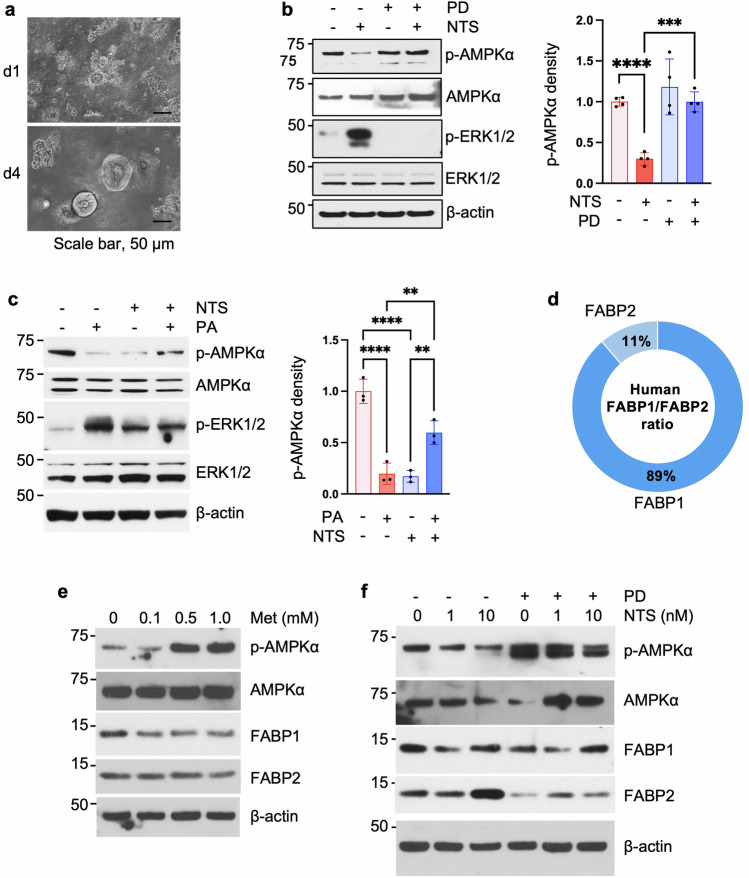 Figure 6
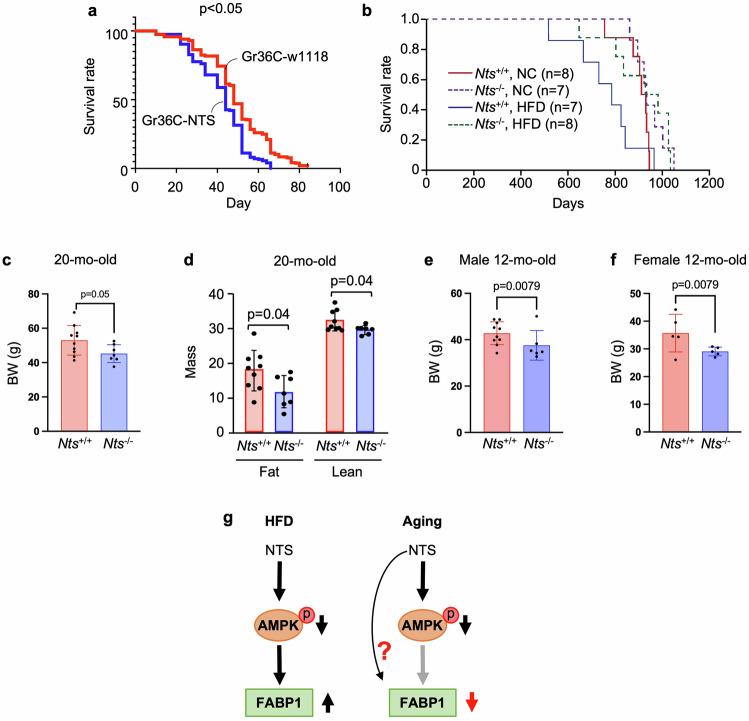 Figure 7
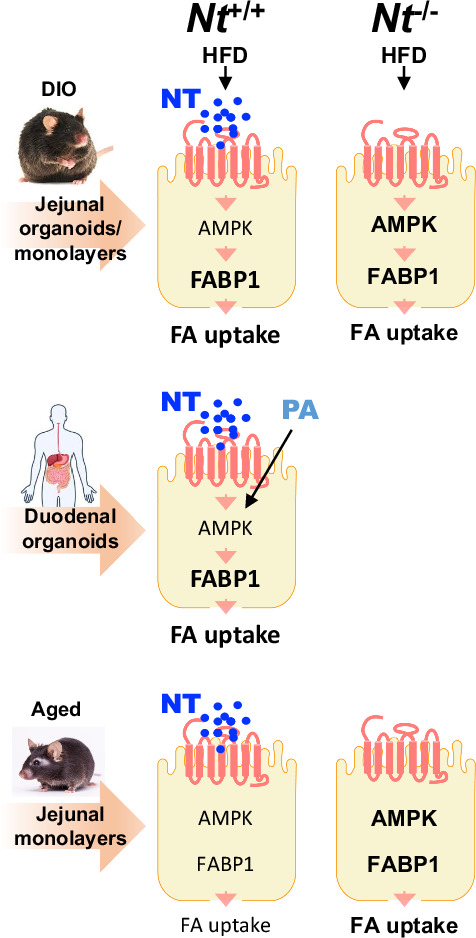 Figure 8
Peer Reviews
No public reviews on file for this paper yet. If you reviewed it on a platform where reviews are public (OpenReview, ICLR, NeurIPS, ICML), you can paste yours below so the community can read it here.
Videos
No videos yet. Explain this paper in a talk, walkthrough, or lecture? Add one.
Taxonomy
TopicsRegulation of Appetite and Obesity · Pancreatic function and diabetes · Neuropeptides and Animal Physiology