Infection of Norway spruce by Chrysomyxa rhododendri: ultrastructural insights into plant–pathogen interactions reveal differences between resistant and susceptible trees
Andrea Ganthaler, Carlos Trujillo-Moya, Stefanie Burger, Juraj Hlavaty, Stefan Kummer, Waltraud Tschulenk, Ingrid Walter

TL;DR
This study examines how the rust fungus Chrysomyxa rhododendri infects Norway spruce trees, revealing differences in cellular responses between resistant and susceptible trees.
Contribution
The study provides ultrastructural insights into plant-pathogen interactions in Norway spruce, highlighting differences in host responses to infection.
Findings
Susceptible trees show dense fungal mycelium and mesophyll cell degradation, leading to needle yellowing.
Resistant trees exhibit limited fungal growth and increased accumulation of tannin droplets and electron-dense material.
Resistant trees may limit damage by rapidly enhancing structural and chemical barriers in the mesophyll.
Abstract
Infection of Norway spruce (Picea abies L.) by the rust Chrysomyxa rhododendri is a major problem in European subalpine forests, causing severe defoliation and reduced growth. However, as with most pathogens from high-elevation environments, little is known about the host–pathogen interaction, the associated plant cellular damage and responses, and their differential expression in susceptible and resistant host trees. Here we report on the development of the biotrophic pathogen in the host tissues, from infection by basidiospores to release of aeciospores, by analysing needles at different time points after infection by histology and transmission electron microscopy. Ultrastructural changes in the host cells, ranging from cell reorganization and degradation to the accumulation of secondary compounds, were localized and characterized in both susceptible and a resistant genotype.…
Genes, proteins, chemicals, diseases, species, mutations and cell lines named across the full text — each resolved to its canonical identifier and authoritative record.
Click any figure to enlarge with its caption.
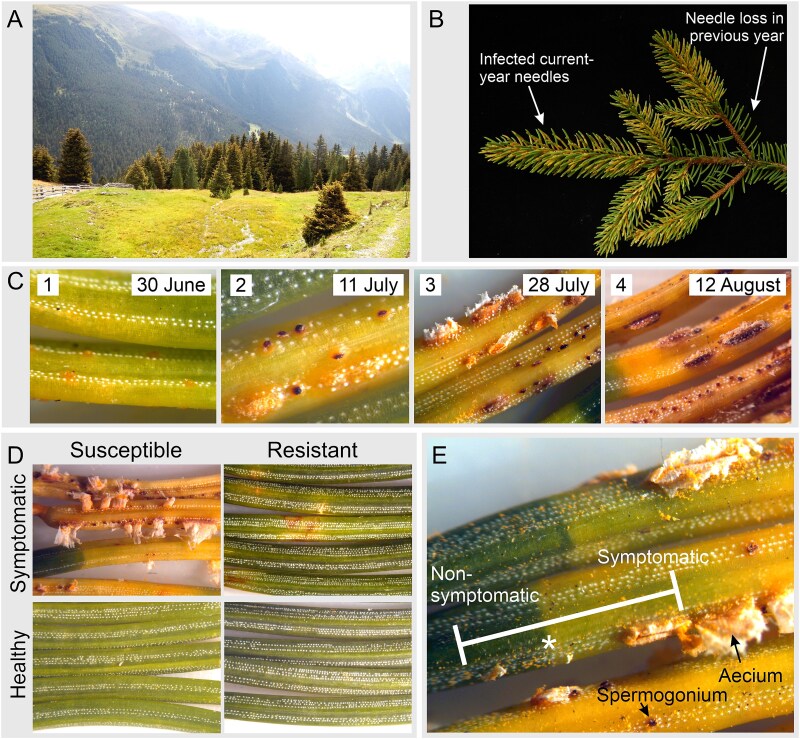 Figure 1
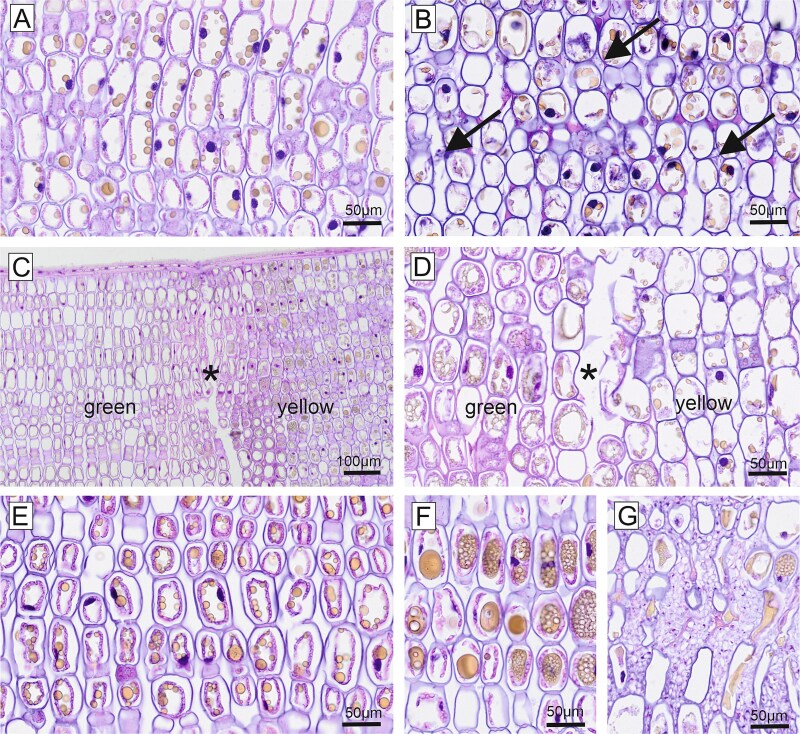 Figure 2
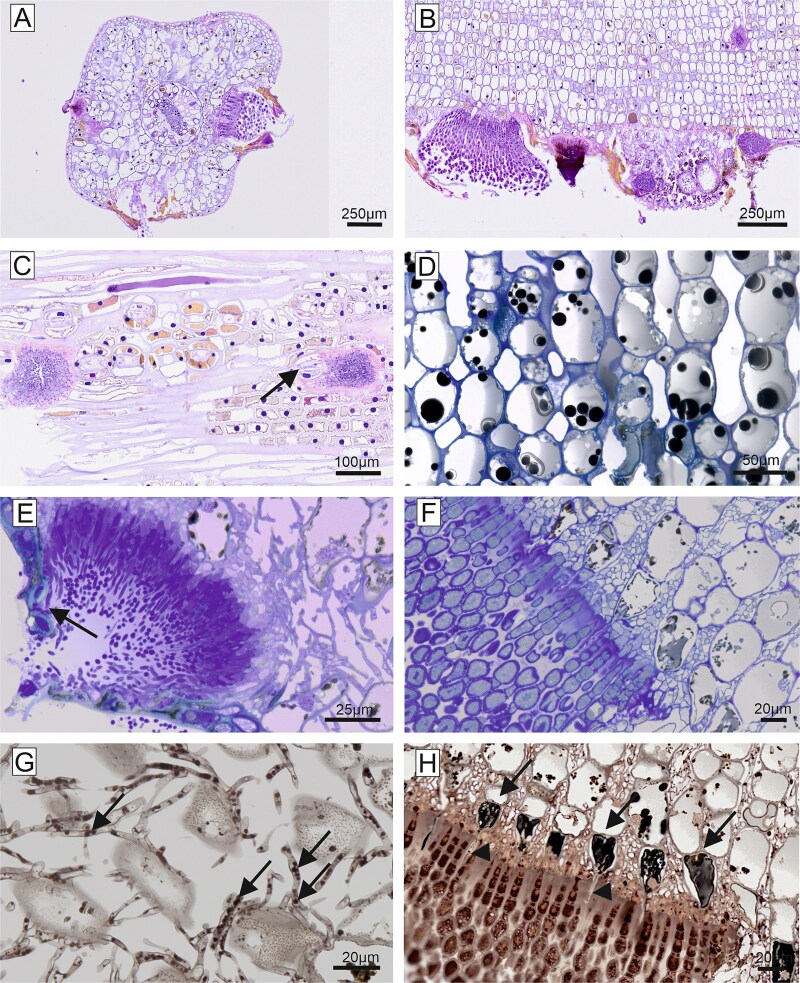 Figure 3
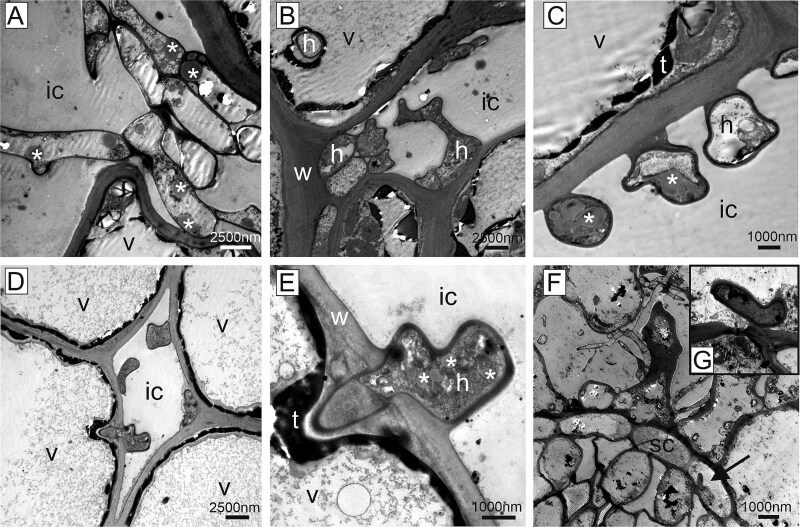 Figure 4
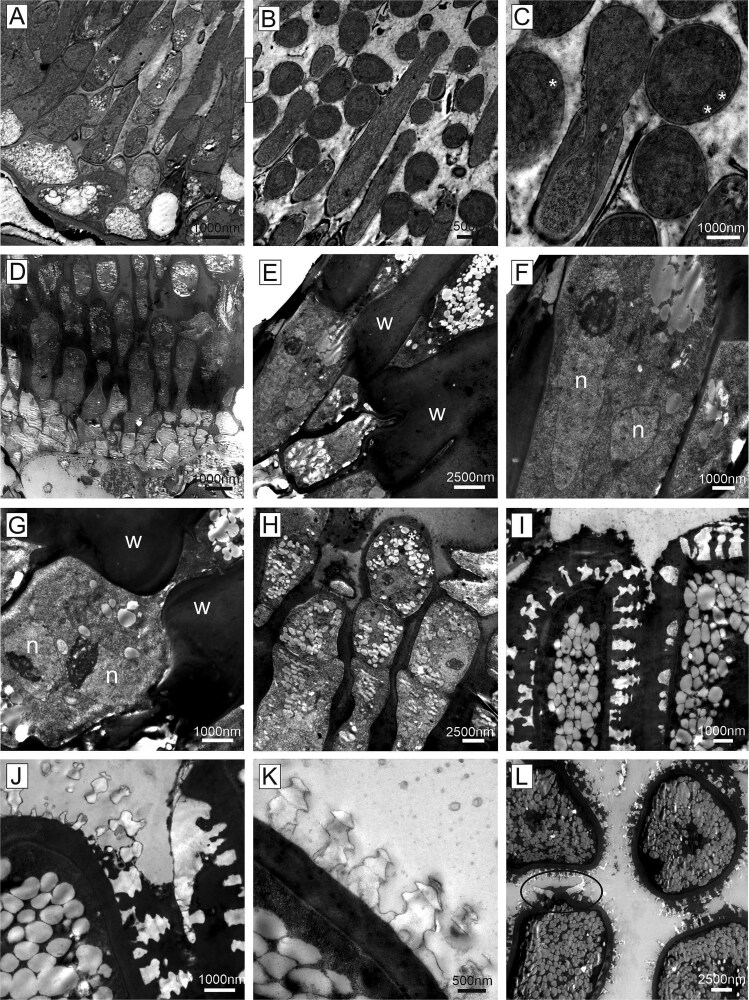 Figure 5
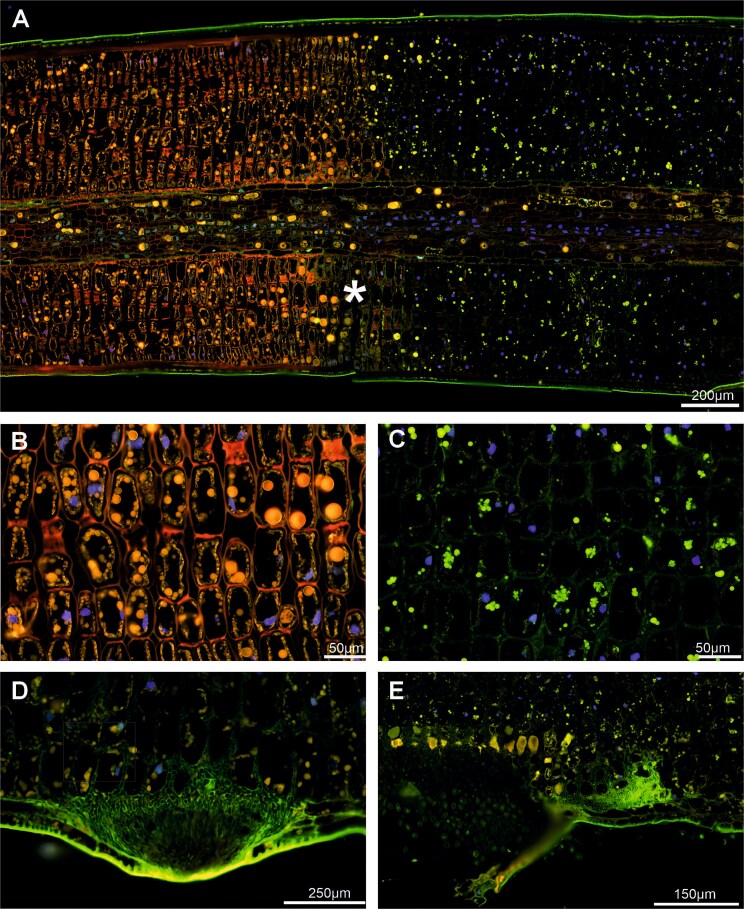 Figure 6
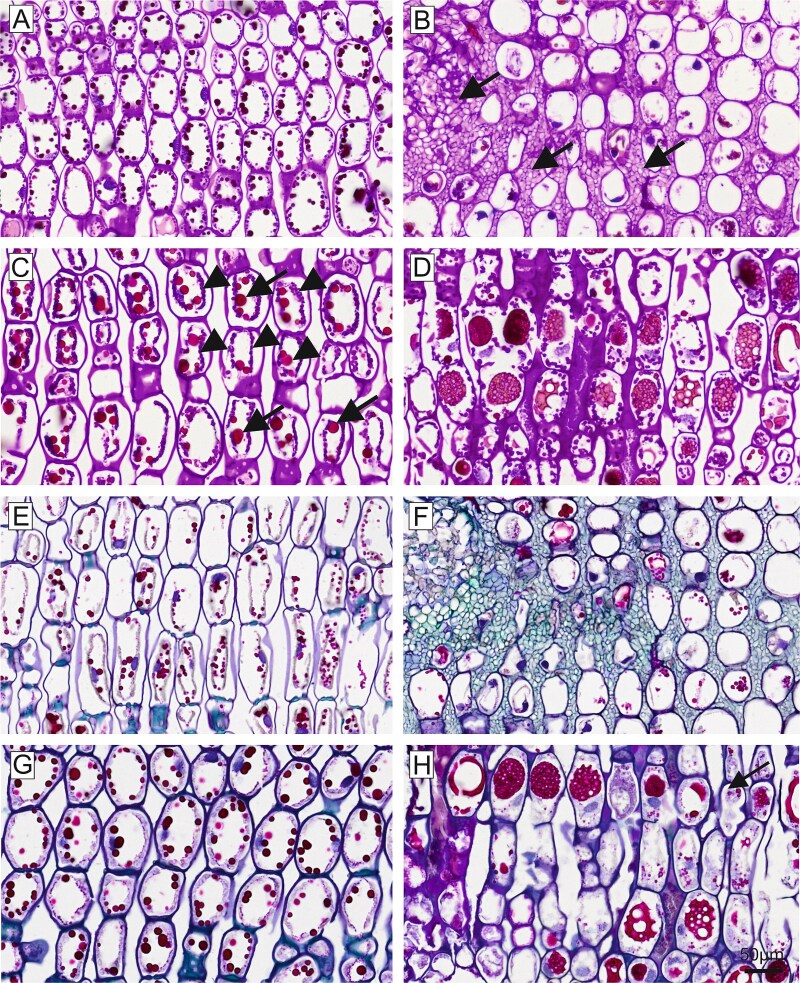 Figure 7
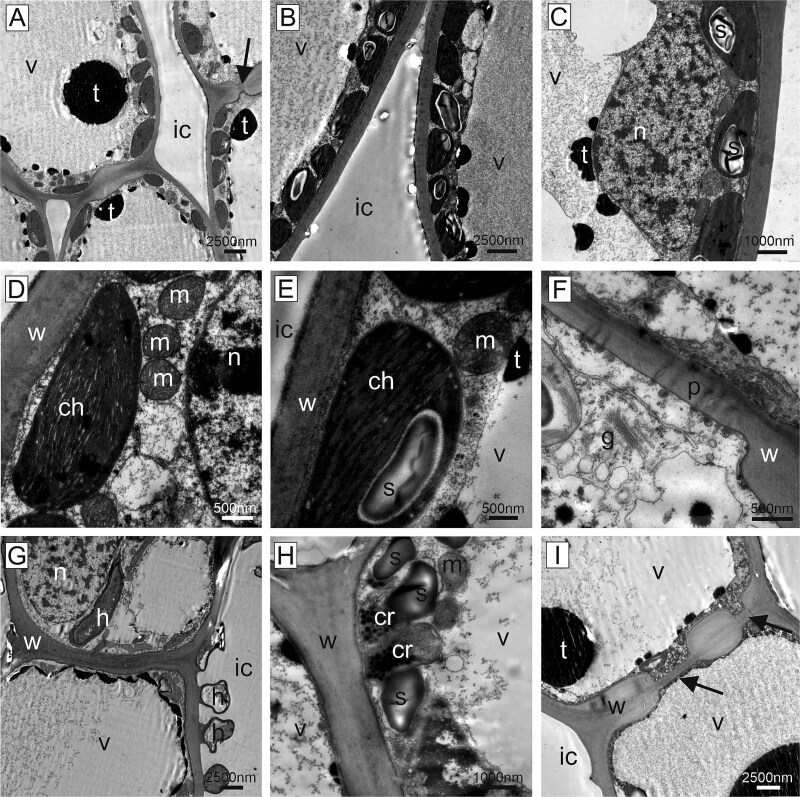 Figure 8
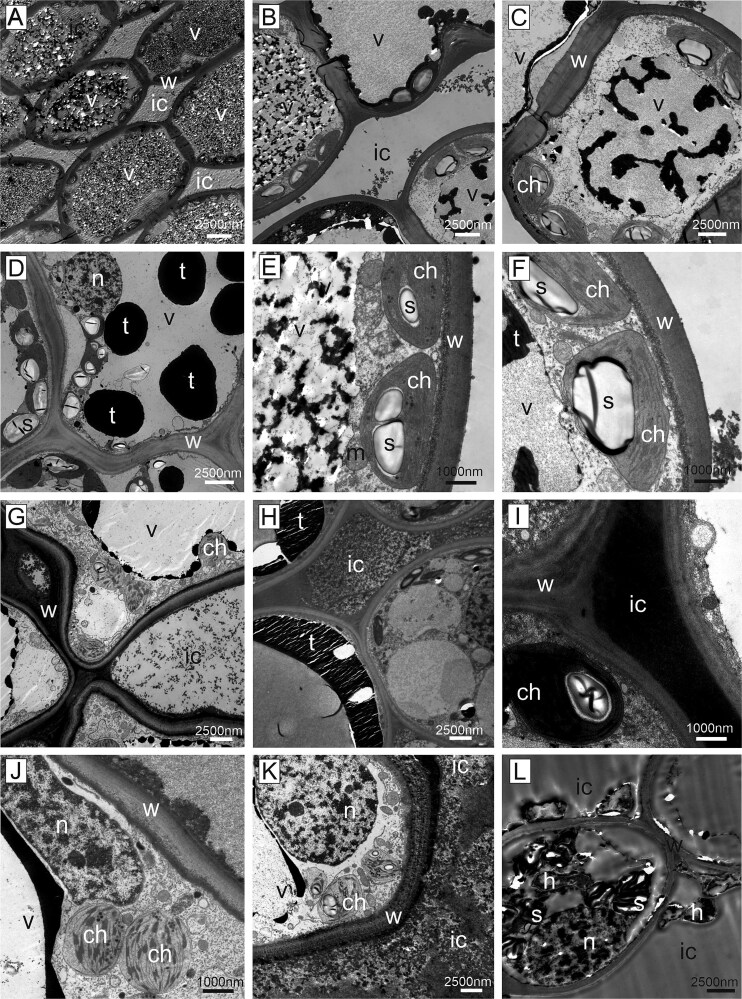 Figure 9
Peer Reviews
No public reviews on file for this paper yet. If you reviewed it on a platform where reviews are public (OpenReview, ICLR, NeurIPS, ICML), you can paste yours below so the community can read it here.
Videos
No videos yet. Explain this paper in a talk, walkthrough, or lecture? Add one.
Taxonomy
TopicsYeasts and Rust Fungi Studies · Plant Pathogens and Fungal Diseases · Horticultural and Viticultural Research