The Role of MRI Findings in the Treatment of Testicular Adrenal Rest Tumors in a Child With Salt-Wasting Congenital Adrenal Hyperplasia: A Case Report
Tayiba Altaf, Manzoor Wani

TL;DR
A child with adrenal hyperplasia developed testicular tumors due to poor treatment, diagnosed and monitored using MRI.
Contribution
Highlights the importance of MRI in diagnosing and monitoring TARTs in pediatric CAH patients with poor hormonal control.
Findings
MRI revealed bilateral TARTs in a child with poorly controlled CAH.
TARTs showed T2-hyperintense features with mild contrast enhancement on MRI.
Early MRI detection is crucial for managing TARTs and preserving reproductive function.
Abstract
Testicular adrenal rest tumors (TARTs) are benign, adrenal-like hyperplastic lesions that occur ectopically within the testes. They are most commonly observed in male patients with congenital adrenal hyperplasia (CAH), especially in those with inadequate glucocorticoid therapy and consequent poor hormonal control. Chronic elevation of adrenocorticotropic hormone (ACTH), driven by insufficient cortisol replacement, stimulates the growth of adrenal rest cells within the testes, leading to tumor formation. Although TARTs are non-malignant, their clinical significance lies in the potential for testicular dysfunction, structural abnormalities, and infertility if left undiagnosed or untreated. Early detection through imaging is essential to guide clinical management and preserve reproductive function. We report the case of an 11-year-9-month-old boy diagnosed with the salt-wasting form of…
Genes, proteins, chemicals, diseases, species, mutations and cell lines named across the full text — each resolved to its canonical identifier and authoritative record.
Click any figure to enlarge with its caption.
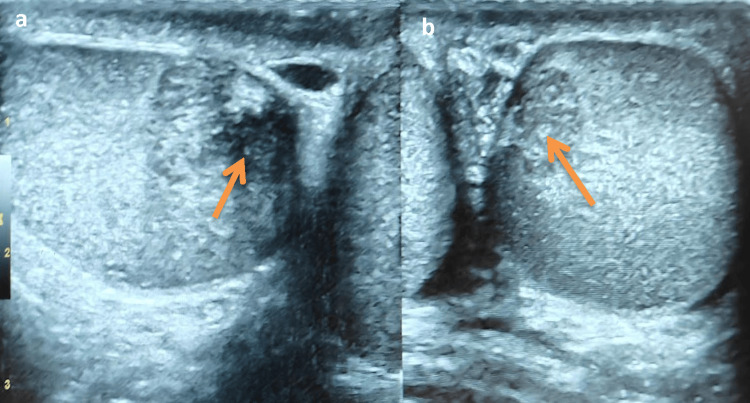 Figure 1
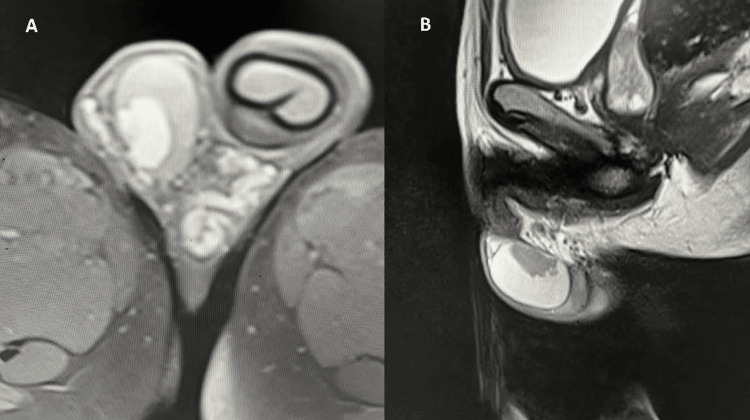 Figure 2
Peer Reviews
No public reviews on file for this paper yet. If you reviewed it on a platform where reviews are public (OpenReview, ICLR, NeurIPS, ICML), you can paste yours below so the community can read it here.
Videos
No videos yet. Explain this paper in a talk, walkthrough, or lecture? Add one.
Taxonomy
TopicsSexual Differentiation and Disorders · Hormonal and reproductive studies · Adrenal and Paraganglionic Tumors