Assessment of students’ perspective on introduction of “digital dentistry” as self- directed learning module in undergraduate prosthodontics curriculum: A mixed-method study
Shuchi Tripathi, R.K. Dixit, Suyog Sindhu, R.D. Singh, Rameshwari Singhal, Richa Khanna

TL;DR
This study explores how undergraduate dental students perceive a self-directed learning module on digital dentistry and assesses its impact on their knowledge and skills.
Contribution
The study introduces a self-directed learning module on digital dentistry and evaluates its effectiveness in an undergraduate curriculum.
Findings
Students showed a high level of self-directed learning motivation based on their SDLI scores.
There was a significant improvement in students' knowledge and perception of digital dentistry after the module.
Post-intervention scores increased significantly compared to pre-intervention scores.
Abstract
Innovative approaches to curriculum design and implementation are critical in meeting the needs of today's students. The present study was undertaken to determine the perspective of students on the introduced module of ‘Digital Dentistry’ along with knowing their self –directed learning abilities. The present study was conducted in the Medical University after ethical approval was obtained. Forty volunteers from 3rd and 4th year undergraduates of “Bachelor of Dental Surgery” course were selected and consent form was obtained. A pre-validated questionnaire on self-directed learning (SDLI) was administered to the volunteers to know their SDL abilities. A pre-post-session questionnaire containing feedback questionnaires was prepared, validated and administered before the session. A pre designed module was applied on the volunteers by using SDL session. 2 h duration of First contact…
Genes, proteins, chemicals, diseases, species, mutations and cell lines named across the full text — each resolved to its canonical identifier and authoritative record.
Click any figure to enlarge with its caption.
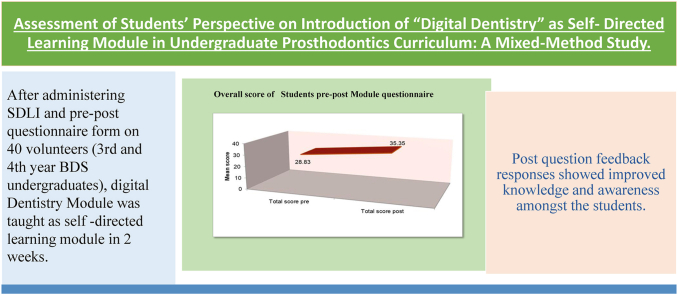 Figure 1
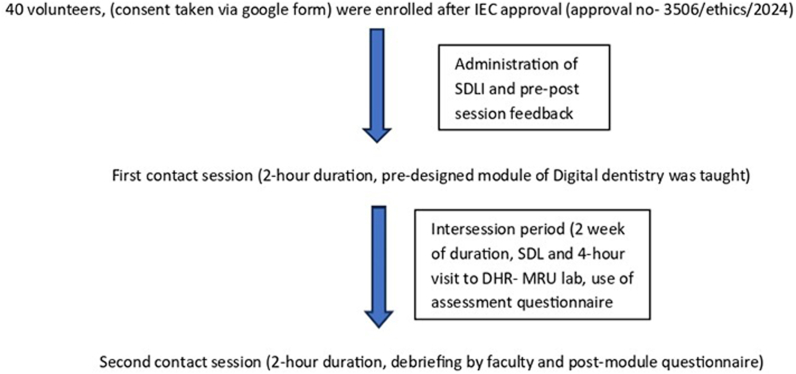 Figure 2
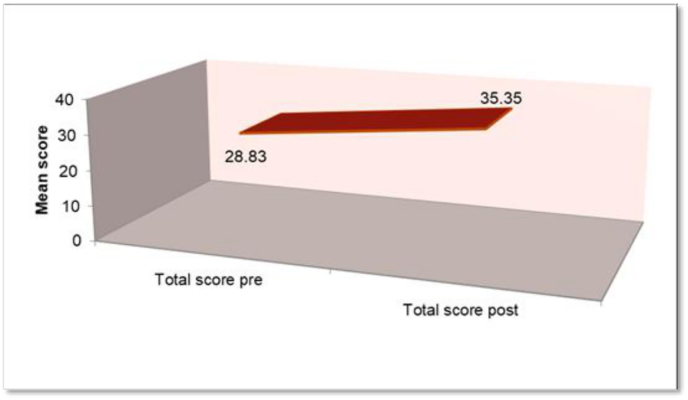 Figure 3
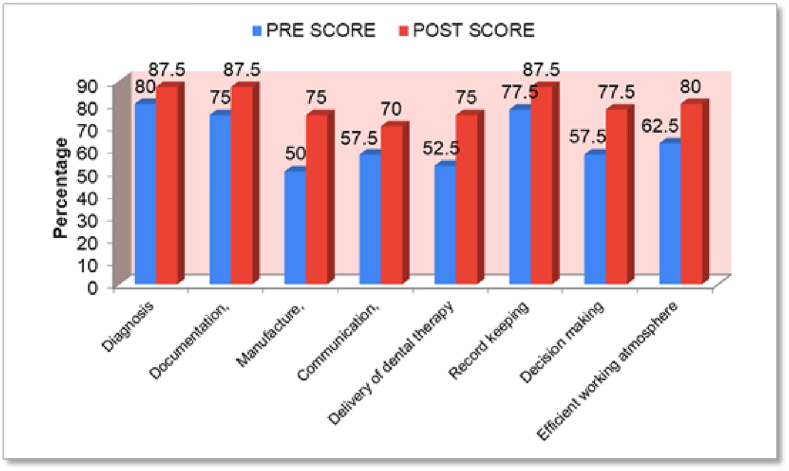 Figure 4
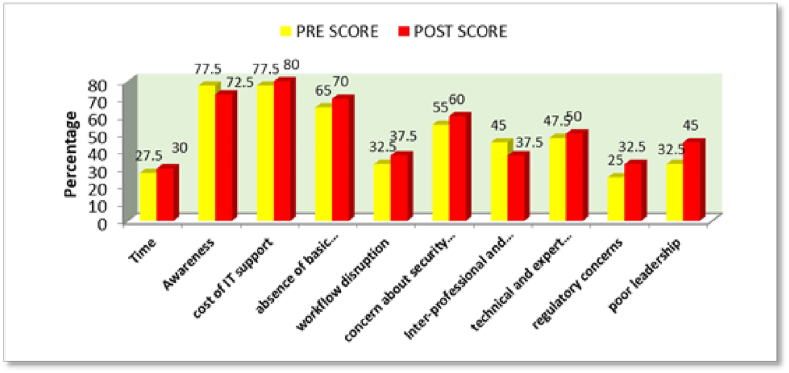 Figure 5
Peer Reviews
No public reviews on file for this paper yet. If you reviewed it on a platform where reviews are public (OpenReview, ICLR, NeurIPS, ICML), you can paste yours below so the community can read it here.
Videos
No videos yet. Explain this paper in a talk, walkthrough, or lecture? Add one.
Taxonomy
TopicsDental Research and COVID-19 · Problem and Project Based Learning · Biomedical and Engineering Education
Introduction
1
Digitalization in dentistry is routinely used to improve the accessibility and exchange of documents, facilitate the collaboration and communication among various stakeholders,1 improving clinical efficiency and improving the overall outcome, whether in education or patient treatment. Beyond the clinical applications, digital simulation systems are beneficial for education and training.2^,^3 The students of today are considered “digital natives”; therefore, working with digital tools is easy and enjoyable for them.4 Digitization offers increased accuracy, efficiency, and cost-effectiveness compared to manual methods.5 In India, education of dental students is still solely focused on conventional teaching methods including traditional laboratory techniques such as waxing, casting, finishing, and tooth preparation exercises on the phantom head. A dental institution that relies heavily on teaching traditional restorative procedures may particularly face many challenges to embrace new technology.6
Self-directed learning (SDL) as defined by Knowles is a process in which individuals take the initiative with or without the help of others in diagnosing their learning needs, setting their own learning goals, identifying appropriate learning resources, and selecting appropriate learning strategies.7 Self-directed learning as a defined teaching pedagogy is commonly used since 1960 and can be used in classroom and experiential settings. SDL adds variety to teaching-learning methods and provides an option for curriculum makers to choose this method in alignment with some learning objectives. The conduct of SDL is quite variable at different places.8^.^9 Self-directed learning can potentially save time in an existing curriculum schedule by allowing individuals to learn at their own pace, focusing on areas of interest, and utilizing diverse learning resources which is not possible in traditional method. When teaching individuals who are new to this model, care must be taken to appropriately scaffold and structure learning to develop the underlying soft skills needed for students to be successful as self-directed learners. During its implementation in a classroom setting, challenges are faced both by the learner and the educator. Thus, Faculty members should proactively plan for potential challenges during the course design process.
An instructional Module of ‘Digital Dentistry’ was developed to sensitize the undergraduate students with digital dentistry after need assessment of target group .10 The module was flexible enough to be adopted by dental institutions depending upon infrastructure, manpower and support.10 As self-directed learning will help the students to learn at their own pace and require less time of classroom teaching as compared to traditional teaching, the present project on ‘Assessment of Students’ Perspective on Introduction of “Digital Dentistry” as Self- Directed Learning Module in Undergraduate Prosthodontics Curriculum: A Mixed-Method Study.’ was undertaken to determine the perspective of students on the introduced module along with understanding the self – directed learning abilities of the students.
Methods
2
The present study was conducted in the Prosthodontics department of the institution after IEC approval (approval no- 3506/ethics/2024). 40 volunteers (provided consent to be included in the study via google form) from third year and fourth year of undergraduates of “Bachelor of Dental Surgery (BDS)” course were selected. A core team of 3 faculty members from department of Prosthodontics, was formed to be directly involved in conducting the study starting from teaching the students in lecture theatre, facilitating their laboratory visits and recording their assessment.
A pre-validated questionnaire on self-directed learning (SDLI) was administered to the volunteers to know their SDL abilities.11 The questionnaire consisted of 20 items, of which the first 6 items were related to exploring students’ learning motivation, 7–16 exploring planning and implementation abilities, and the remaining 4 dealt with their interpersonal communication skills. The participants were asked to select from a 5-point Likert scale: “strongly disagree,” “disagree,” “neutral,” “agree,” and “strongly agree.”
A pre-post-session questionnaire containing feedback questionnaires, based on 5-point-Likert scale, to know the students' knowledge and view on “Digital Dentistry” was developed and content was face validated with the help of 6 faculty members (2 faculty from Prosthodontics department, 1 from orthodontics department, one from Pharmacology department, one from Microbiology department and one faculty member from Geriatric Mental Health department). They all were actively involved in medical education with more than 10 years of academic experience. A google form was prepared after validation, in which 8 questions were based on 5-point Likert's scale and 2 questions were framed as multiple option to know the knowledge of participants regarding the use of digital dentistry and barriers of digital dentistry. The pre-session questionnaire also contained an open-ended question related to students' expectations from the module and post-session questionnaire included an open-ended question related to their feedback of the implemented module. The reliability analysis of the questionnaire scale was measured by pilot testing of the questionnaire on 15 students and Cronbach's Alpha, which indicated good internal consistency with a value of 0.804. The standardized items also showed a similar reliability score of 0.809 across 8 items, suggesting that the scale is reliable for assessing the intended construct.
After administering pre-module questionnaire, a pre designed module10 was applied on 40 volunteers from 3rd year and final year dental undergraduates. 2 h duration of lecture for ‘Digital Dentistry’∗(First contact session) was delivered by 2 faculty members. The lecture contained 3 chapters of the module on Introduction, diagnosis and treatment planning and Computer-Aided Design- Computer-Aided Manufacturing (CAD- CAM). The purpose of the lecture was to briefly orient the student regarding impact of digitalization in dentistry in various aspects. In further 2 weeks (intersession period), online/offline supplementary materials were shared with the students via WhatsApp to facilitate learning at their own pace.
During intersession period, 4-h visit to Department of Health research—Multidisciplinary Unit (DHR- MRU) lab was facilitated to the students under faculty supervision. In DHR lab, a demonstration of intraoral scanner (3 shape Trios scanner), heptic device (3D systems) and 3-D printing (Form 2) of maxilla was done. For outcome assessment, 3 end of module assessment questionnaires containing 10 multiple choice questions in each set, related to the chapters were prepared and were further face-validated by 6 Prosthodontics faculty members (subject experts) of the department. These assessment questionnaires were administered to the students in google form to evaluate their learning outcomes. 50 % passing score was decided to successfully complete the session. In Second contact session, debriefing by faculty was done and post-module questionnaire was administered. Fig. 1 summarizes the process of SDL session involved in the study.Fig. 1. Conduct of SDL session.Fig. 1
The responses obtained from SDLI, assessment questionnaires and pre-post-module questionnaires were further analyzed statistically. Categorical variables were presented in number and percentage (%) and continuous variables were presented as mean and standard deviation (SD). Normality of data were tested by Kolmogorov-Smirnov test. If the normality is rejected then non parametric test were used. Quantitative variables were compared using Mann Whitney U test between two independent groups. Pre and post session responses were compared using Wilcoxon Signed Rank test. A p value of <0.05 was considered statistically significant. The data was entered in MS EXCEL spreadsheet and analysis was done using Statistical Package for Social Sciences (SPSS) version 23.0.
Result
3
Student's self-directed learning abilities was evaluated by using SDLI. Table 1 shows the result of self-directed learning scale amongst the students. It shows student's learning motivation scored highest amongst other 4 parameters. An analysis of the SDLI domains revealed that the participants showed strong learning motivation, with a mean score of 4.19. However, their planning and implementation skills were lower, with a mean score of 3.70. The participants demonstrated the ability to self-monitor their learning, with a mean score of 3.84 and their interpersonal communication skills were rated with a mean score of 3.71.Table 1. Students response to Self-directed Learning Instrument (SDLI Median score −77.32).Table 1S No.Items%disagreement%Neutral%agreementMean ScoreLearning Motivation1I know what I need to learn.7.52567.53.852Regardless of the result or effectiveness of my learning, I still like learning.512.582.54.13I strongly hope to constantly improve and excel in my learning.55904.54My successes and failures inspire me to continue learning.57.587.54.285I enjoy finding answers to questions.57.587.54.36I will not give up learning because I face some difficulties.7.51082.5.4.08Overall5.8311.2582.94.19Planning and Implementation7I can proactively establish my learning goals.7.522.5703.838I know what learning strategies are appropriate for me in reaching my learning goals.1530553.639I set the priorities of my learning.7.517.5754.110In the classroom or on my own, I am able to follow my own plan of learning.12.54047.53.5511I am good at arranging and controlling my learning time.17.537.5453.3512I know how to find resources for my learning.17.52557.53.5813I can connect new knowledge with my own personal experiences.1025653.83Overall12.528.2159.293.70Self-Monitoring14I understand the strengths and weakness of my learning.2.527.570415I can monitor my learning progress.5.117.976.93.8316I can evaluate on my own learning outcomes.2.54552.53.68Overall3.3730.1366.53.84Interpersonal communication17My interaction with others helps me plan for further learning.12.51077.53.8318I would like to learn the language and culture of those whom I frequently interact with.2.522.5753.919I am able to express messages effectively in oral presentations.15.446.238.43.2920I am able to communicate messages effectively in writing.530653.8Overall8.8527.1863.983.71
In Table 2, Participants showed significant improvement in their awareness and perceptions of digital dentistry. In Graph 1, the total score significantly improved post-intervention, with the mean score increasing from 28.83 (5.43) pre-intervention to 35.35 (4.36) post-intervention. The mean difference was −6.68, reflecting a 23.16 % increase (95 % CI: −8.54 to −4.51, Z = −4.92, p < 0.001).Table 2. Students pre-post Module questionnaire responses.Table 2. MeanTotal students (N)SDMean difference% Mean change95 % CI of the differenceZ valuep-valueI am aware with the term ‘Digital Dentistry”Pre3.325401.14102−1.15−34.59−1.49 to −0.81−4.74<0.001Post4.475400.67889I understand that Digital Dentistry is gaining popularity nowadaysPre -3.825401.00989−0.775−20.26−1.09 to −0.46−4.05**<0.001Post4.6400.67178I agree that digital dental technologies can bring clarity in communication-Pre3.825400.81296−0.475−12.42−0.77 to −0.18−2.920.003Post4.3400.79097According To me, my knowledge with respect to “digital dentistry”Pre2.525400.96044−1.425−56.44−1.76 to −1.09−5.02<0.001Post3.95400.78283According to me, “Digital Dentistry” is required in preclinical courses of ProsthodonticsPre3.675401.24833−0.8−21.77−1.24 to −0.36−3.20.001Post4.475400.78406According to me, “Digital Dentistry” is required in clinical courses of ProsthodonticsPre4.125401.06669−0.5−12.12−0.89 to −0.11−2.420.016Post4.625400.66747I am aware with Computer-aided design and computer-aided manufacturing (CAD/CAM) technology-Pre3.325401.18511−0.975−29.32−1.41 to −0.54−3.65<0.001Post4.3400.82275I am willing to adopt “digital dentistry” in my future clinical practice –Pre4.2400.85335−0.425−10.12−0.75 to −0.1−2.440.015**Post4.625400.70484Graph 1Overall score of Students pre-post Module questionnaire.Graph 1
Graph 2 shows awareness of the participants related to digitalization in various aspects of dentistry and an increase in the awareness of participants in various aspects of digital dentistry was seen.Graph 2Awareness of the participants related to digitalization in various aspects of dentistry.Graph 2
Graph 3 shows awareness of the participants related to recognizable barriers for Digital Dentistry and post-intervention, their awareness regarding recognition of barriers to digital dentistry shifted slightly.Graph 3Awareness of the participants related to Recognizable barriers for Digital dentistry.Graph 3
Thematic evaluation of expectation of the participants, asked in pre-questionnaire form, regarding the Digital dentistry Module has been shown in Table 3. Themes were mainly divided into four and most of the participants agreed that they want to be aware with current advancement in the dentistry and they want to learn new procedures and the module will fulfil their expectations.Table 3. Themes and verbatim responses of the participants regarding the expectation for the module.Table 3. Sr noThemesVerbatim1.Aware with current advancement/future in Dentistry“I hope this digital dentistry will bring good future in dentistry.”“Get awareness about it so that we can easily access this in future.”“To know current advancement in dentistry.”“To know what is going in world in dentistry now a day and see future of dentistry.”“I have fair expectations with digital dentistry in the upcoming future.”2.Learning new things/procedures in dentistry“I Will get to learn something new.”“To learn something new and important.”3.Learn various aspects of dental care“My expectation from this course is to provide various aspects of dental care.”4.Improving skill“better working environment”
Table 4 demonstrates the thematic analysis of students’ feedback asked in post-questionnaire. 12 themes were extracted from the responses and most of them responded that the module helped in learning newer technology and was very informative.Table 4. Themes and verbatim responses of the participants regarding the feedback for the module.Table 4. Sr noThemesVerbatim1.learning about newer technologies“It was good experience learning about newer technologies and their implementation in the field of dentistry.”“It's was very informative and got to see upcoming technology in dentistry”“It helped me to learn a new and interesting aspect of dentistry.”“I really gain new things and I would like to learn more regarding digital dentistry in the future”“Great experience learning about new advances and different applications of new age dentistry.”2.Satisfaction with the module“Very nice”, “Good-2”, “Nice”, “Very Good-2”, “It was very helpful”, “It was very helpful and worthy session”, “Excellent”, “This was a wonderful module”, “Need more knowledge”“When I read about any big international institution related to dentistry, digital dentistry is the thing that always caught my attention. On social media also, I have seen how digital dentistry is gaining so much popularity in the developed countries but our country is still lacking somewhere in it. It feels so nice and it was also so much motivating that we were taught this wonderful course.”3.Informative“This course was very useful. It helps me gain knowledge regarding digital dentistry”, “It was informative”, “Great learning and experience.”“It has given me more knowledge based on this area.”“It was very helpful. We learnt a lot from the lecture and lab visits ““I gained lot of information through this workshop, and want to gain more such informative knowledge in future related to digital dentistry.”“Digital dentistry is a very good step towards proper and easier diagnosis and treatment for the patient and for the doctor.”4.Future of Dentistry“It will be the future of dentistry”“The course was very useful in understanding the future of Dentistry”“Surely this program has provided me with a broader vision about advancements in the field and I consider it as the base of my future technically advanced clinical practice.”“I feel digital dentistry is the future of dentistry and this module certainly helped a lot in providing information and detailed knowledge about its application.”5.Good initiative taken“Great initiative-2”, “It's a good initiative”“A great initiative to provide clarity on the concept of digital dentistry to UG level students.”6.Enhanced communication“Digital dentistry has revolutionized the field by enhancing precision, efficiency, and patient experience. From digital impressions to CAD/CAM technology for crowns and bridges, it streamlines processes and improves outcomes. Plus, it allows for better communication between dentists and dental laboratories. However, like any technology, it requires ongoing training and investment to stay updated.”7.Time saving“Digital dentistry has reduced time for technical or clinical procedures, improved quality and patient comfort.”8.Interactive“Very helpful, interactive and worthy”9.Well organized“Very well-organized module for embedding the basics of Digi-Den”10.Mandatory course“This should be a mandatory course”11.Learning different aspects of dentistry“Thanks for this great opportunity to get so many insights about digital dentistry.”12.Easy way Learning“Has given us an opportunity to learn something new with easy format.”
Table 5 shows Student's performance after the session, recorded by MCQs based on the taught module showing good percentage of marks in all 3 chapters taught.Table-5Student's (40) assessment Record for the ‘Digital Dentistry Module’.Table-5Sr noChaptersTotal pointsMean of marks obtainedMedian of marks obtained1Introduction of Digital dentistry107.2782Diagnosis and treatment planning106.6673CAD/CAM107.388Total307.108
Discussion
4
Innovative approaches to curriculum design and implementation are critical in meeting the needs of today's students. In the present study, an instructional Module of ‘Digital Dentistry’ was used to sensitize the undergraduate students with digital dentistry.10 The current module recommends 14–15 h of teaching students for making them well versed with digital dentistry. However, while introducing the module, it was felt that it is not possible to get these hours during the already existing curriculum of Bachelor of Dental Surgery, recommended by Dental Council of India. To fill that gap in duration, self-directed learning was thought to be the best option to assist the module duration along with inculcating the habit of self-directed learning amongst the students. We added self-directed learning hours which was done by the participants, in the total duration of the module.
The word SDL means-self (learner oriented), directed (facilitated and monitored), and learning (applicable to lifelong learning).12 Self-directed learning is one of the important pieces of the mosaic forming the knowledge base of adult learning.13 SDL can be used at all levels of learning, i.e., UG, postgraduates, and faculty development. Its most interesting application is at the UG level as it is an apt time to inculcate SDL skills that can continue to develop and help in learning during postgraduation and beyond as a faculty or professional.13 The attributes to analyse the different types of learning needs, readiness for self-directed learning, and correlation with personal learning plans shall be deliberated.14
Before introducing SDL module, Self-directed learning instrument11 was used. Total median score of SDLI was 77.325, which was a good score for the dental undergraduates. It showed student's learning motivation scored highest amongst other 4 parameters. The maximum score was 4.5 for item 3 (i.e. “I strongly hope to constantly improve and excel in my learning.“) and their planning and implementation scored lowest overall however the minimum score of was 3.29 for the item 19 in interpersonal communication (i.e. “I am able to express messages effectively in oral presentations.“).
Student's planning and implementation showed that 75 % students were able to priorities their learning (mean 4.1) and 70 % responded that they can proactively establish their learning goals (mean 3.83). The finding suggests that students require some guidance and support for planning and implementing their learning process.
Self-monitoring skills when evaluated it was found that they were aware of their strengths and weaknesses (mean 4) and were able to monitor their learning process (mean 3.83) however only 52,5 % students said that they were weak in evaluating their own learning outcome. This interprets that for evaluating learning outcomes, students require guidance.
Interpersonal communication skill evaluation showed that only 38.4 % students believed that they were able to express messages effectively in oral presentations (mean 3.29) however 65 % of students responded that they were comfortable with writing messages during communication (mean 3.8). These finding suggested that students believe to maintain good interpersonal relationship however somewhat lacking in their expression of feelings mainly during oral presentation.
The results of the present study coincide with the study done by Siraja et al,15 who assessed the SDL abilities of second-year medical undergraduates in 2024 and found that the majority of the students (61 %) demonstrated a high level of SDL ability, with a median score of 76. Though, students exhibited strong learning motivation (mean score 4.11) yet they struggled with planning and implementation (mean score 3.07). In a study done by Bhandari et al in 2020,16 the maximum score was 4.70 for item 3 that states, “I strongly hope to constantly improve and excel in my learning.” The minimum score of 3.74 was given to item 19 that states, “I am able to express messages effectively in oral presentations.” The students get motivated for learning by success and failures (mean 4.54) but lag behind in their interpersonal communication skills (mean 3.74).
After administering pre-module questionnaire, a pre designed module16 was applied on the volunteers. Table 2 depicts that participant showed significant improvement in their awareness and perceptions of digital dentistry. The mean digital awareness score increased from 3.33 (1.14) pre-intervention to 4.48 (0.68) post-intervention, with a mean difference of −1.15, reflecting a 34.59 % change (95 % CI: −1.49 to −0.81, Z = −4.74, p < 0.001). Agreement that digital technologies enhance communication clarity increased slightly from 3.83 (0.81) to 4.3 (0.79), with a mean difference of −0.48, a 12.42 % change (95 % CI: −0.77 to −0.18, Z = −2.92, p = 0.003). Students were Willing to adopt digital dentistry in future practice and this too improved from 4.2 (0.85) to 4.63 (0.70), with a mean difference of −0.43, a 10.12 % change (95 % CI: −0.75 to −0.1, Z = −2.44, p = 0.015).
Thematic evaluation of expectation of the participants, asked in pre-questionnaire form, regarding the Digital dentistry Module has been shown in Table 3. Themes were mainly divided in to four and most of the participants agreed that they want to be aware with current advancement in the dentistry and they want to learn new procedures and the module will fulfil their expectations. The participants responded on different manners- “Get awareness about it so that we can easily access this in future.“, “I have fair expectations with digital dentistry in the upcoming future.“, “I Will get to learn something new.” One participant responded that through the course he will learn various aspects in dentistry- “My expectation from this course is to provide various aspects of dental care.“. They all agreed that learning Digital Dentistry will; improve their skill in terms of “better working environment”.
Table 4 demonstrate the thematic analysis of students' feedback of the taught module asked in post-questionnaire. 12 themes were extracted from the responses and most of them responded that the module helped in learning newer technology and was very informative. Few of the verbatims recorded were- “I really gain new things and I would like to learn more regarding digital dentistry in the future”, “Great experience learning about new advances and different applications of new age dentistry.” “I gained lot of information through this workshop, and want to gain more such informative knowledge in future related to digital dentistry.” “Digital dentistry is a very good step towards proper and easier diagnosis and treatment for the patient and for the doctor.” Many of the students gave the feedback in terms of satisfaction with the module saying “Very nice”, “Good”, “Nice”, “Very Good”, “It was very helpful”, “It was very helpful and worthy session”. One of the students also showed his prior interest in the module saying- “When I read about any big international institution related to dentistry, digital dentistry is the thing that always caught my attention. On social media also, I have seen how digital dentistry is gaining so much popularity in the developed countries but our country is still lacking somewhere in it. It feels so nice and it was also so much motivating that we were taught this wonderful course.” Few agreed that digitalization is the future of dentistry with the received verbatims like- “Surely this program has provided me with a broader vision about advancements in the field and I consider it as the base of my future technically advanced clinical practice.” and “I feel digital dentistry is the future of dentistry and this module certainly helped a lot in providing information and detailed knowledge about its application.” Few praised the module conduction and said - “It's a good initiative”, “A great initiative to provide clarity on the concept of digital dentistry to UG level students.” One of the students said that digitalization helps in saving time- “Digital dentistry has reduced time for technical or clinical procedures, improved quality and patient comfort.” Few of the participants responded as it was a well-organized course and it should mandatory for undergraduate students. Few responded that they learnt different aspects of dentistry in an easy way.
In the present module, student's performance after the session, recorded a good percentage of marks in all 3 chapters taught. Mean of total scores obtained was found to be around 70 %, which clearly show the improvement in the knowledge of the students regarding Digital dentistry. Rajalakshmi and Ganapathy9 have also used similar module while assessing the effect of the SDL module on “National Health Programme” in Community Medicine. The students learned new terminologies in NHP and responded that the module stressed difficult topics in the curriculum. The students felt that SDL module was the simple and easily understandable module, and peer-discussion during activities was the facilitating factors.
Digital technology has the potential to transform dental education, and it may assist future dentists in preparing for their everyday practices.17 In the present study, mixed-methods design for implementation of module, a validated SDL instrument, and integration of a digital dentistry module into an existing curriculum were managed to be taught to the student within a specific time limit. Innovative approaches to curriculum design, like including self-directed learning in the present case, helped the module to achieve its objectives while also providing a more personalized and effective learning experience for students. Various Multimedia and experiential learning approach like using google forms for feedback and assessments, video demonstration, sharing of available literature along with demonstration of available digital equipment in the institution have helped the student to improve better understanding of the subject are the core of the study. As a beginner course, the project could fulfil its objectives and outcome achieved was quite satisfactory. However, due to limited resources, students could not experience personal practical learning, though demonstration of few of the techniques was done in the lab. As the study was done in a single institution, the result obtained cannot be generalised to the population and further multicentric study of this kind is required for external validation. The conduct of the study provides practical relevance to real-world academic settings as this is the era of digitalization and there is a need of these kind of studies to improve the quality of education.
Conclusion
5
Within the limitations of the present study, following conclusions can be drawn-
- 1.Student's self-directed learning abilities, as evaluated by using SDLI score with median value of 77.325 showed a good score.
- 2.After the module completion, Participants showed significant improvement in their awareness and perceptions of digital dentistry. The total score significantly improved post-intervention, with the mean score increasing from 28.83 (5.43) pre-intervention to 35.35 (4.36) post-intervention.
- 3.Outcome assessment showed mean of total scores around 70 %, representing good performance of the students in the ‘Digital Dentistry’ module.
As a beginner course in Dental undergraduate curriculum, the present study could fulfil its objectives and outcome achieved was quite satisfactory. However, as the study was limited to a single institution involving limited number of participants, further multicentric study is required for its implementation and validation on wide population.
Declaration of generative AI and AI-assisted technologies in the writing process
NA.
Source of funding
This research did not receive any specific grant from funding agencies in the public, commercial, or not-for-profit sectors.
Declaration of competing interest
The authors declare that they have no known competing financial interests or personal relationships that could have appeared to influence the work reported in this paper.
The reference list from the paper itself. Each links out to its DOI / PubMed record.
- 1Alves L.S.de Oliveira R.S.Nora A.D.Cuozzo Lemos L.F.Rodrigues J.A.Zenkner J.E.A.Dental students' performance in detecting in vitro occlusal carious lesions using ICDAS with E-Learning and digital learning strategies J Dent Educ 8220181077108310.21815/JDE.018.100[Pub Med] [Cross Ref] [Google Scholar] [Ref list]30275142 · doi ↗ · pubmed ↗
- 2Goodacre C.J.Garbacea A.Naylor W.P.Daher T.Marchack C.B.Lowry J.CAD/CAM fabricated complete dentures: concepts and clinical methods of obtaining required morphological data J Prosthet Dent 10712012344610.1016/s 0022-3913(12)60015-8[Pub Med] [Cross Ref] [Google Scholar]22230914 · doi ↗ · pubmed ↗
- 3Seelbach P.Brueckel C.Wöstmann B.Accuracy of digital and conventional impression techniques and workflow Clin Oral Invest 17720131759176410.1007/s 00784-012-0864-4[Pub Med] [Cross Ref] [Google Scholar]23086333 · doi ↗ · pubmed ↗
- 4Joda T.Lenherr P.Dedem P.Kovaltschuk I.Bragger U.Zitzmann N.U.Time efficiency, difficulty, and operator's preference comparing digital and conventional implant impressions: a randomized controlled trial Clin Oral Implants Res 28102017131813232759680510.1111/clr.12982 · doi ↗ · pubmed ↗
- 5Gavali N.Chandak A.Waghmare P.Jamkhande A.Nisa S.Shah P.Implementation of digitization in dentistry from the year 2011 to 2021: a bibliometric analysis J Int Clin Dental Res Organiz 152Jul–Dec 2023677410.4103/jicdro.jicdro_19_23 · doi ↗
- 6Jurado C.A.Tsujimoto A.Punj A.Aida N.Miyazaki M.Watanabe H.Successful development and implementation of a digital dentistry curriculum at a US dental school J Oral Sci 6342021 Oct 135836010.2334/josnusd.21-0070 Epub 2021 Sep 9. PMID: 3449724534497245 · doi ↗ · pubmed ↗
- 7Towle A.Cottrell D.Self-directed learning Arch Dis Child 741996357359866994210.1136/adc.74.4.357PMC 1511490 · doi ↗ · pubmed ↗
- 8Chaudhuri A.Paul S.Goswami A.A comparative study to evaluate the role of interactive lecture classes and self-directed learning sessions among first MBBS students in the department of physiology during the implementation of competency-based medical education J Evid Based Med Healthc 7202027142718[Google Scholar]