Extreme performance of multi-layer laminated glass designs under blast loads
Andrew Bowman, Alaa El-Sisi, Ahmed Elbelbisi, Ahmed Elkilani, Hesham Elemam, Hani Salim

TL;DR
This paper studies how different laminated glass designs perform under blast loads, showing that material and layer choices significantly affect resistance.
Contribution
The study introduces a high-fidelity numerical model to evaluate multi-layer laminated glass blast performance and identifies optimal design configurations.
Findings
SG interlayer panels showed the least deformation and best blast resistance compared to EVA, TPU, and PVB.
Thicker interlayers improved resistance in the pre-cracked stage, while EVA and TPU panels tore under blast loads.
Glass panels with a thick middle layer and thin outer layers deflected the least during blast events.
Abstract
Laminated Glass (LG) is a safety glass made by bonding multiple glass layers together with a polymeric interlayer, offering protection against flying shards, especially in explosive scenarios. In this paper, a numerical study was performed to study the effect of the laminated glass cross-section on the blast performance of the panel. Different configurations were studied, such as a double glass layer with interlayers, a double glass layer with hybrid interlayers, and a variety of multi-glass layer configurations with interlayers. Variations of glass layer thicknesses, number of glass layers, and order of glass layers were studied to evaluate the optimal design of the LG panel. Four different polymer interlayers were considered in this analysis: polyvinyl butyral (PVB), ethylene vinyl acetate (EVA), thermoplastic polyurethane (TPU), and the ionomer SentryGlas® (SG). A high-fidelity…
Genes, proteins, chemicals, diseases, species, mutations and cell lines named across the full text — each resolved to its canonical identifier and authoritative record.
Click any figure to enlarge with its caption.
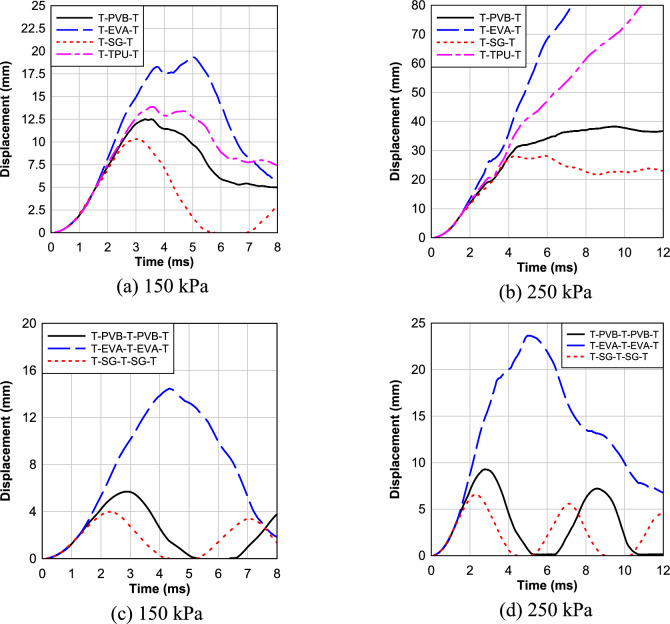 Figure 10
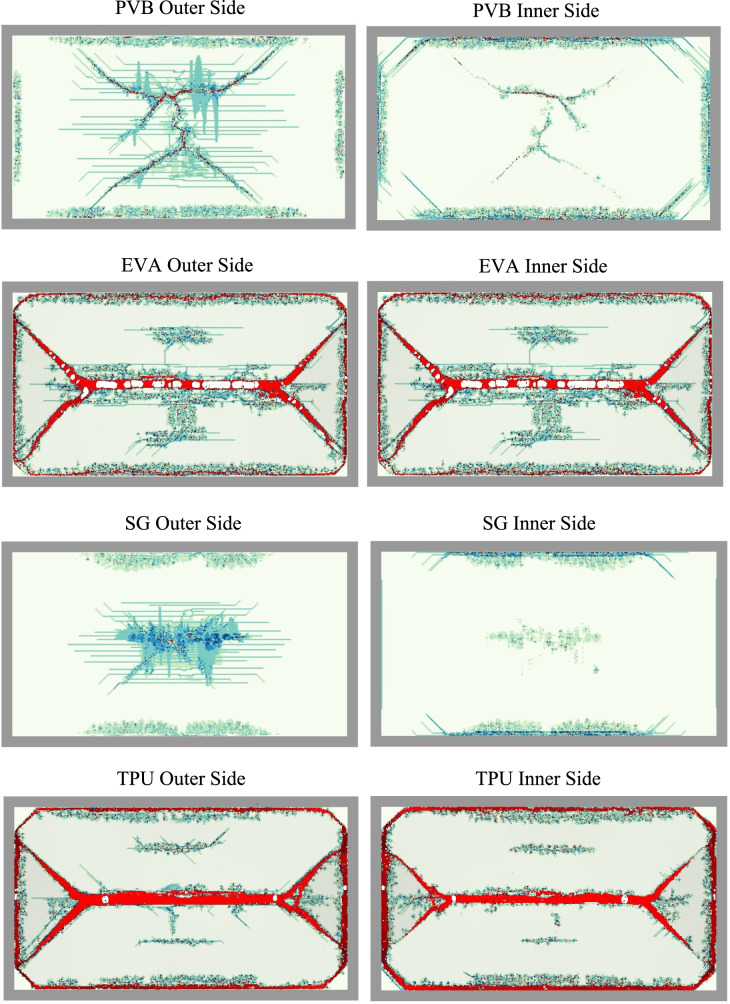 Figure 11
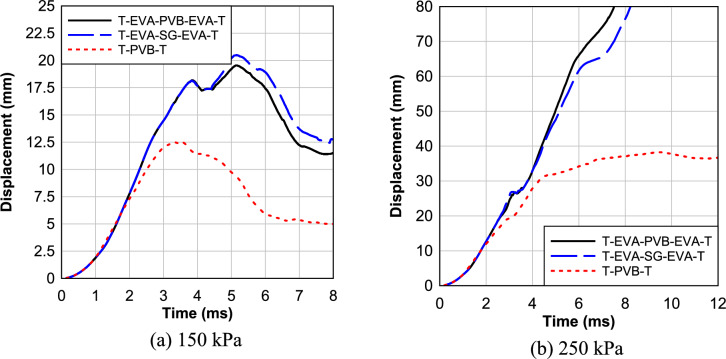 Figure 12
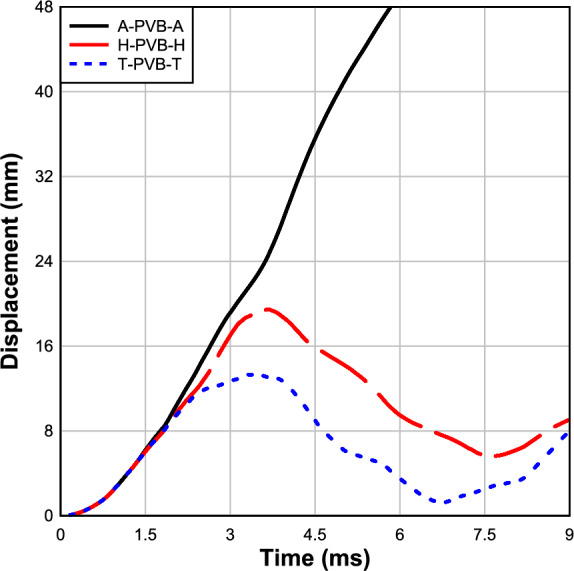 Figure 13
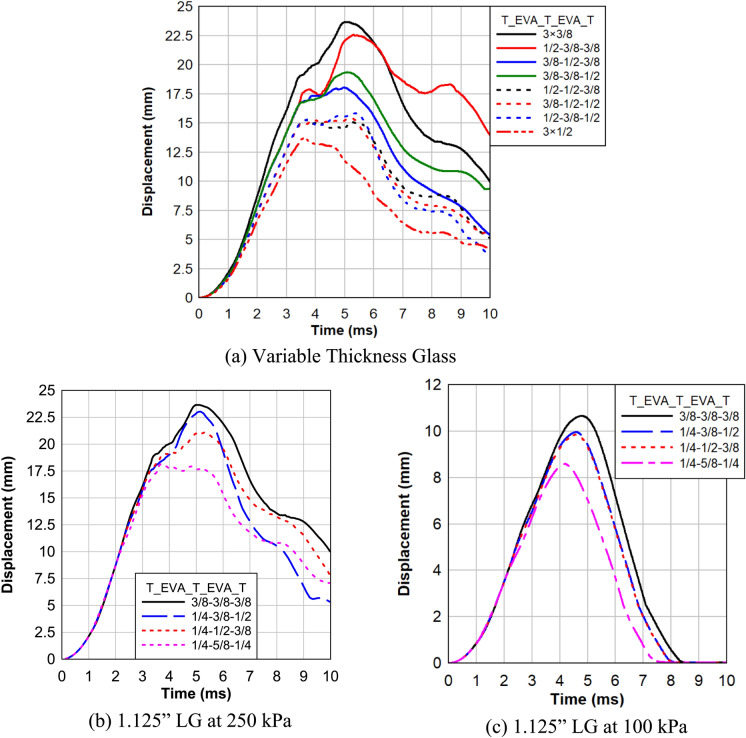 Figure 14
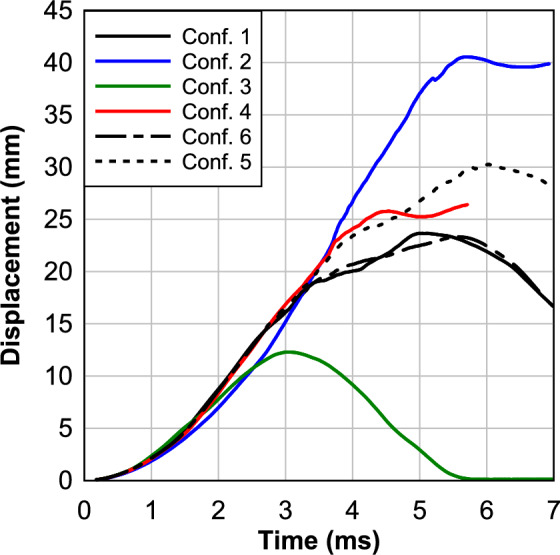 Figure 15
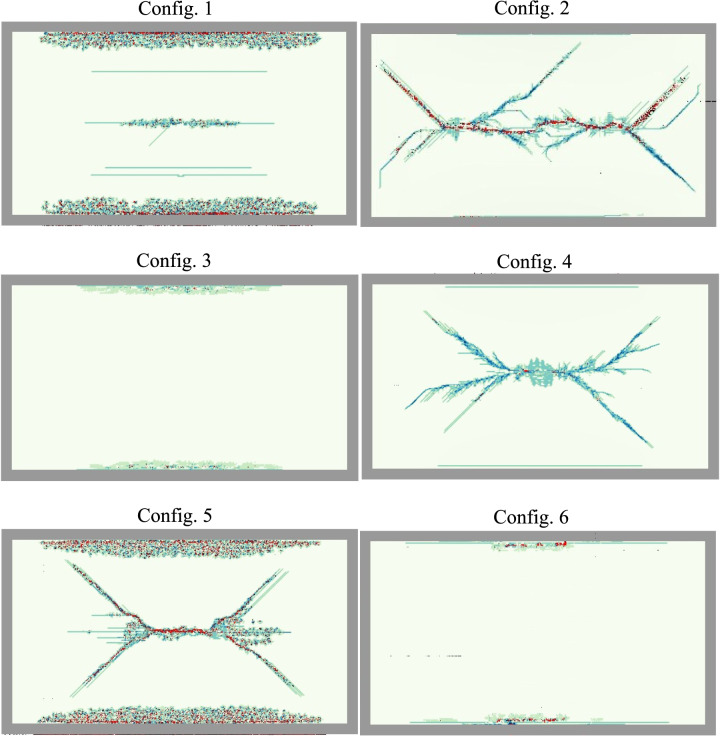 Figure 16
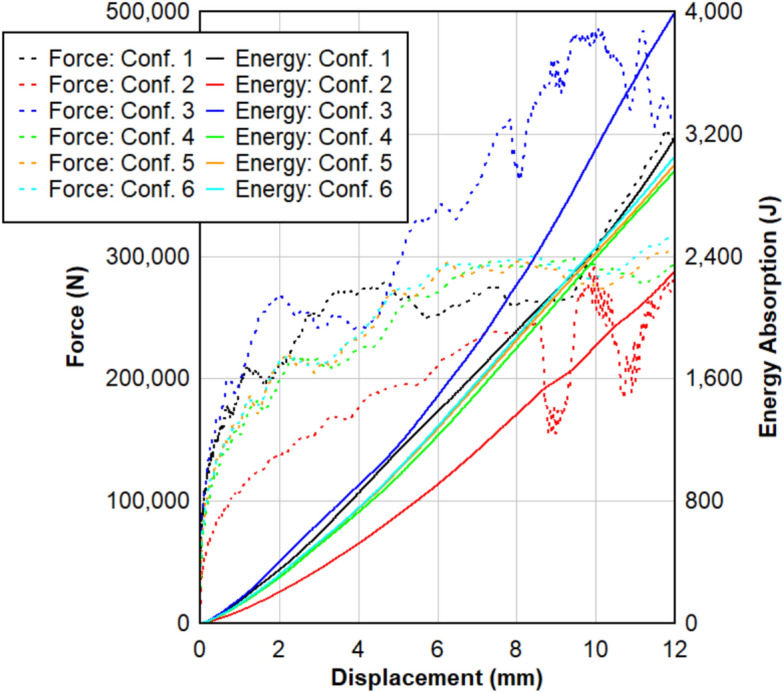 Figure 17
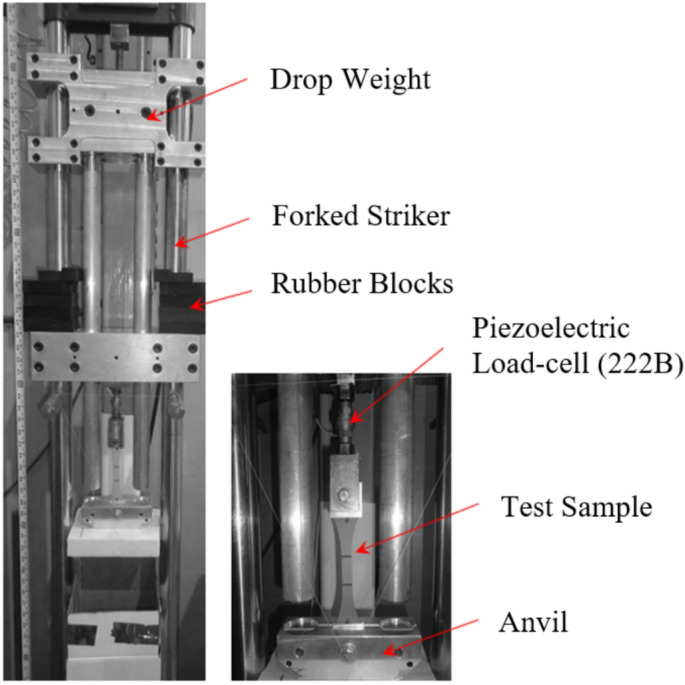 Figure 1
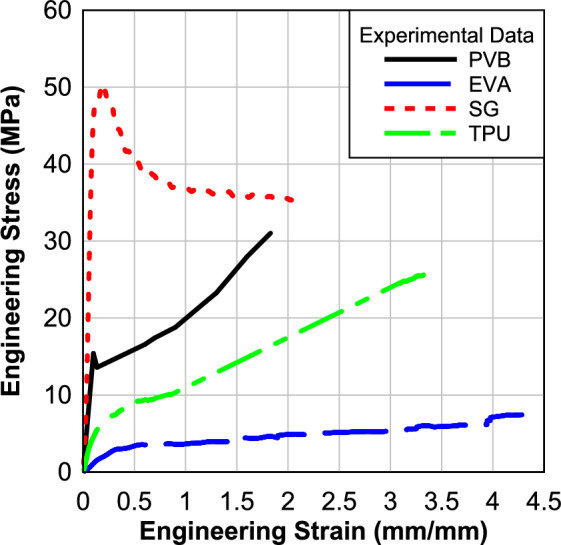 Figure 2
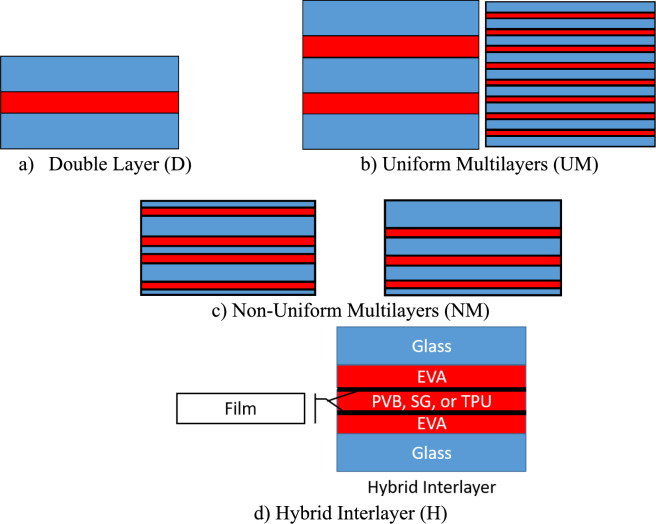 Figure 3
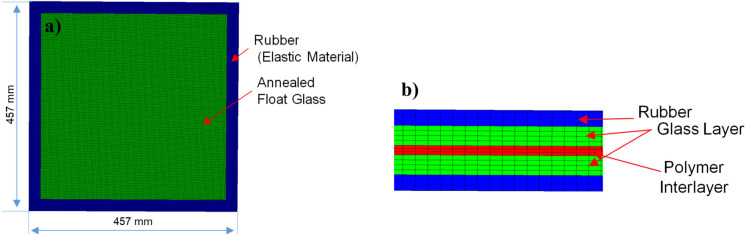 Figure 4
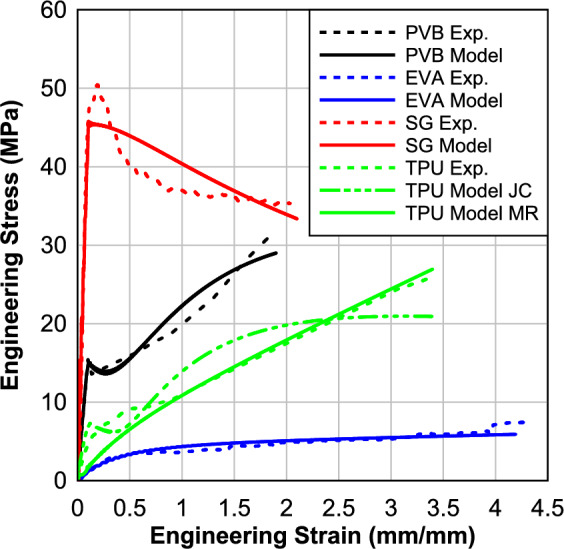 Figure 5
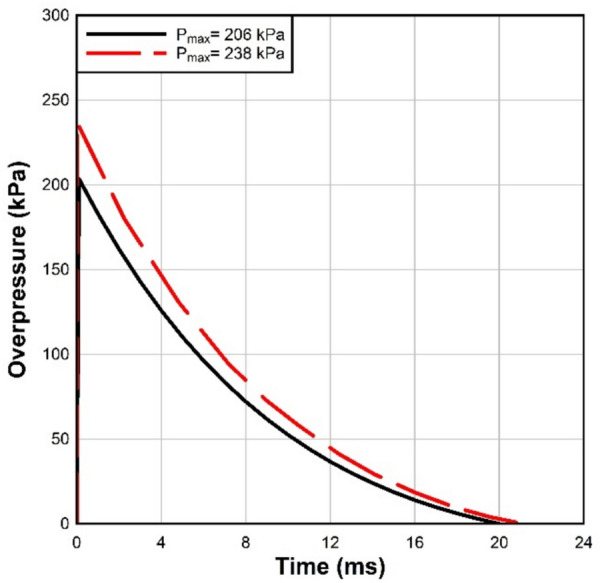 Figure 6
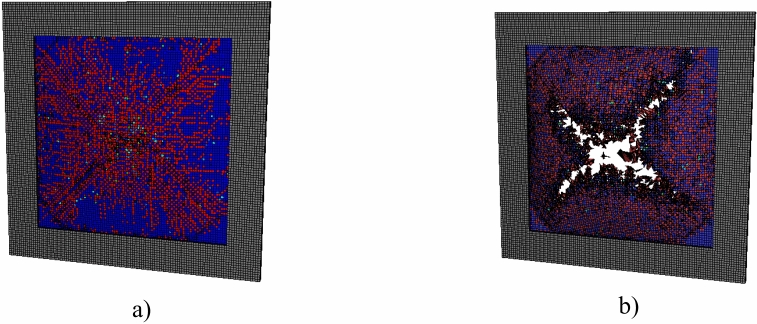 Figure 7
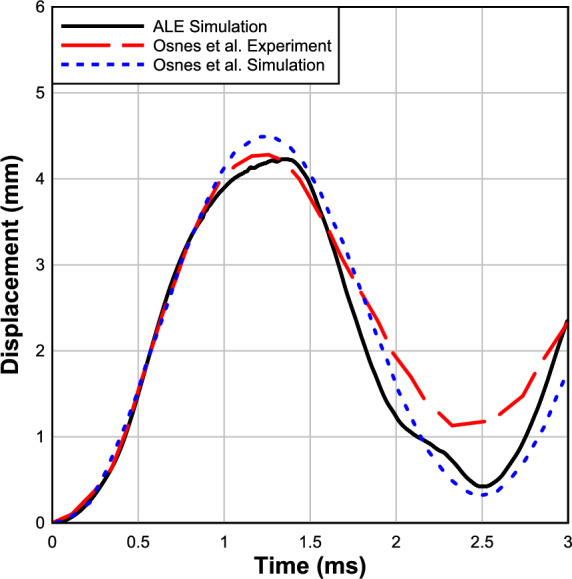 Figure 8
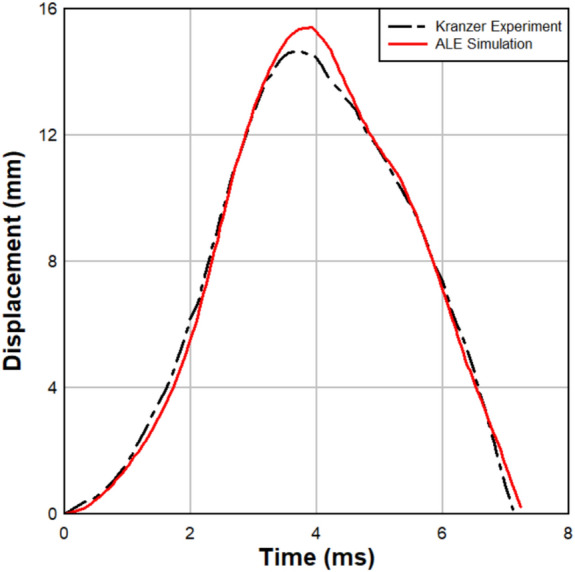 Figure 9
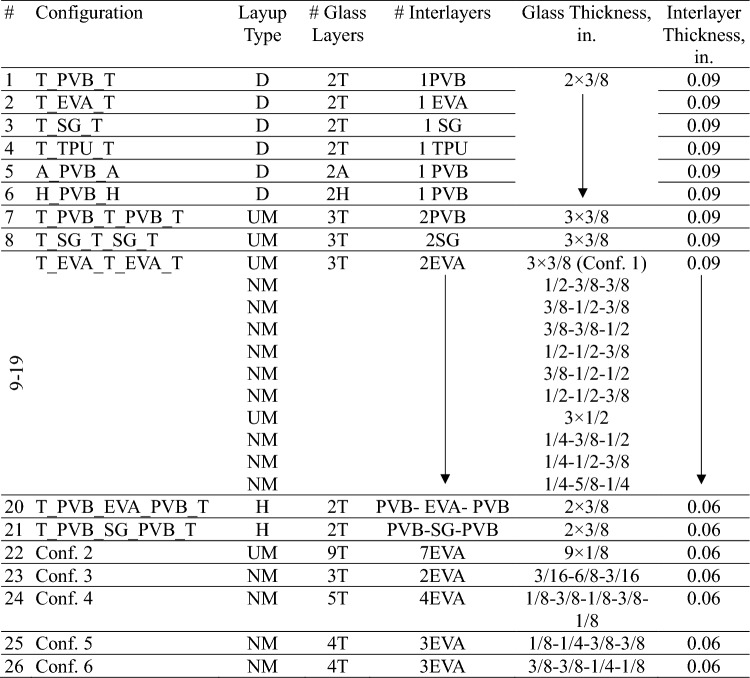 Figure 18
Peer Reviews
No public reviews on file for this paper yet. If you reviewed it on a platform where reviews are public (OpenReview, ICLR, NeurIPS, ICML), you can paste yours below so the community can read it here.
Videos
No videos yet. Explain this paper in a talk, walkthrough, or lecture? Add one.
Taxonomy
TopicsStructural Analysis of Composite Materials · Building materials and conservation · Glass properties and applications