Maternal thyroid hormone is required to develop the hindbrain vasculature in zebrafish
Marlene Trindade, Nádia Silva, Joana Rodrigues, Koichi Kawakami, Marco A. Campinho

TL;DR
Maternal thyroid hormone is essential for developing blood vessels in the hindbrain of zebrafish embryos.
Contribution
The study reveals that maternal T3 regulates vegfaa expression via pax6a+ neuroprogenitor cells to guide hindbrain vasculature development.
Findings
Maternal T3 regulates vegfaa expression in the hindbrain.
Hindbrain neurons are not the source of vegfaa; instead, pax6a+ neuroprogenitor cells instruct central artery ingression.
Zebrafish Mct8 KD/KO models show impaired hindbrain vasculature due to disrupted MT3 signaling.
Abstract
Thyroid hormone (TH) signaling is important and necessary for proper neurodevelopment. Inadequate levels of maternally derived THs (MTH) supply affect target gene expression profiles, which are fundamental for the brain’s normal growth, maturation, and function. The monocarboxylate transporter 8 (SLC16A2, MCT8) is the main TH transporter present in the brain during embryonic development, and mutations in this transporter lead to a rare and debilitating human condition known as the Allan-Herndon-Dudley Syndrome (AHDS). This mutation affects the capacity for intracellular transport of the hormone, leading to impaired brain development that constitutes the main pathophysiological basis of AHDS. Like humans, zebrafish embryos express slc16a2 that transports exclusively T3 at zebrafish physiological temperature. Studies in zebrafish Mct8 knockdown (KD) models found impaired hindbrain…
Genes, proteins, chemicals, diseases, species, mutations and cell lines named across the full text — each resolved to its canonical identifier and authoritative record.
Click any figure to enlarge with its caption.
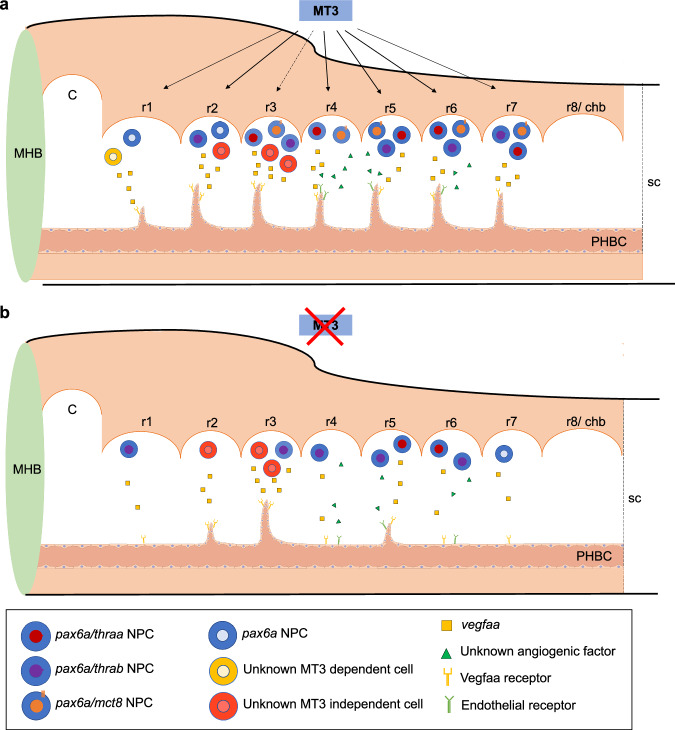 Figure 10
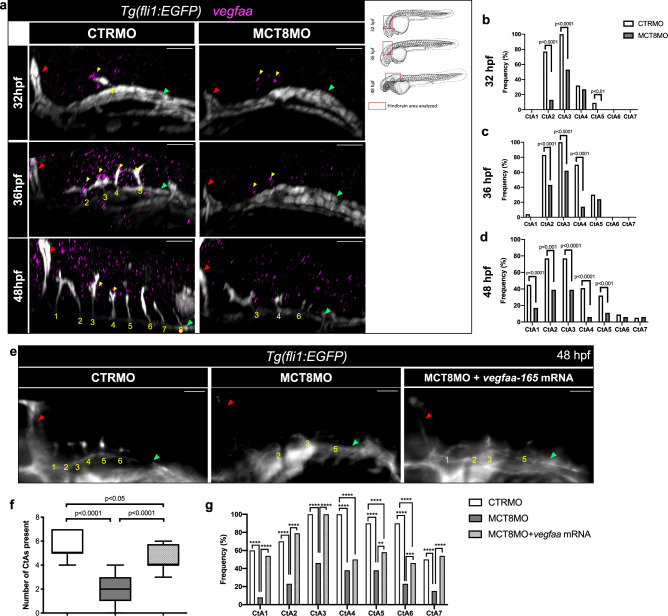 Figure 1
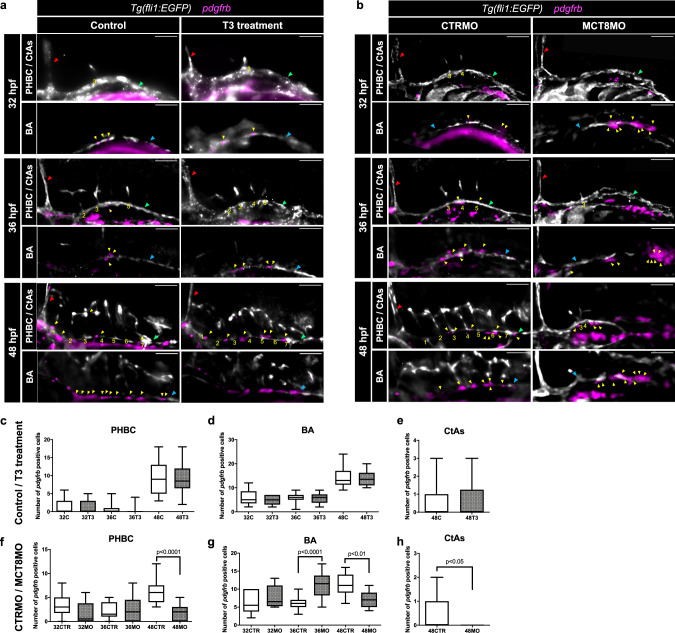 Figure 2
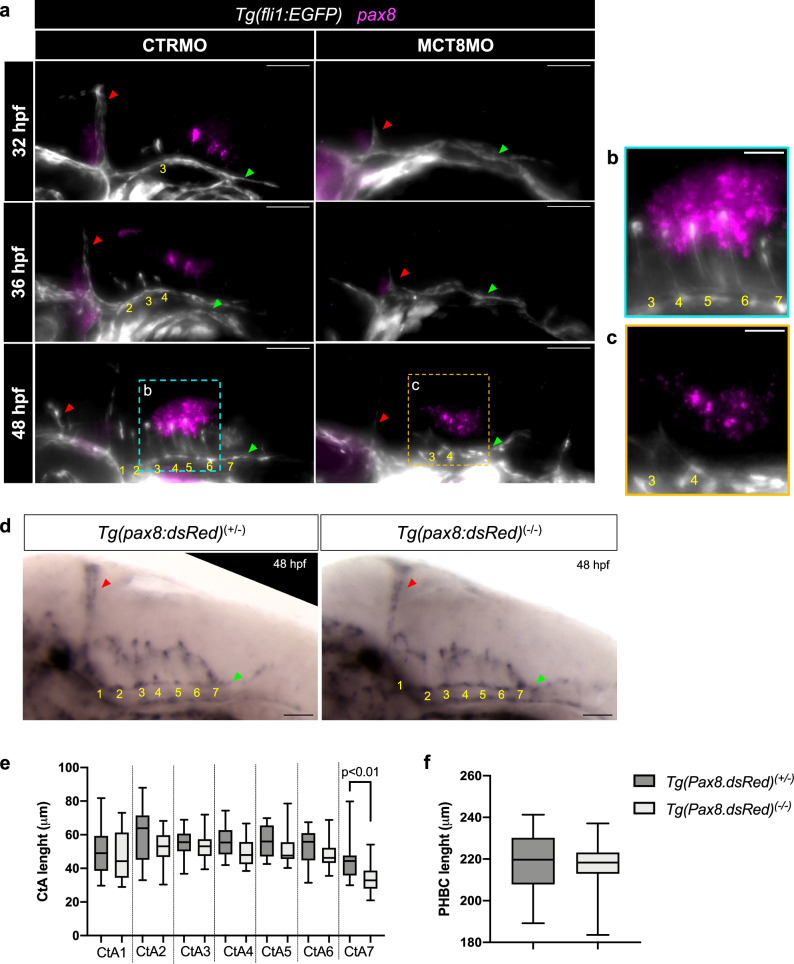 Figure 3
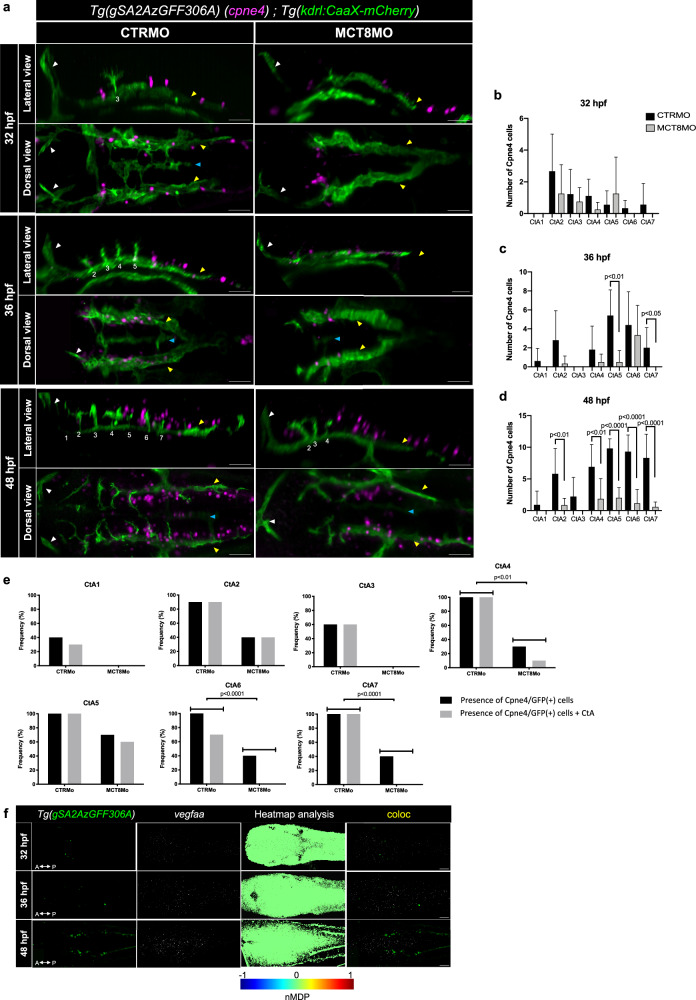 Figure 4
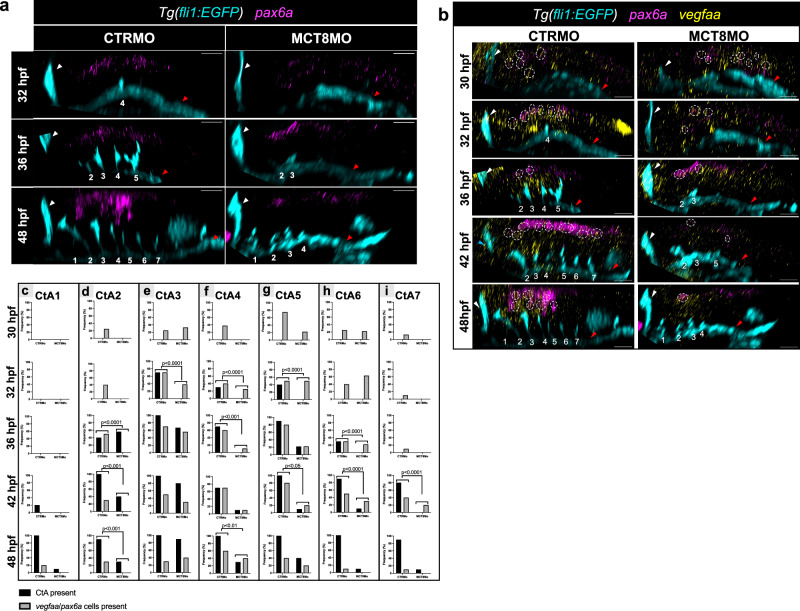 Figure 5
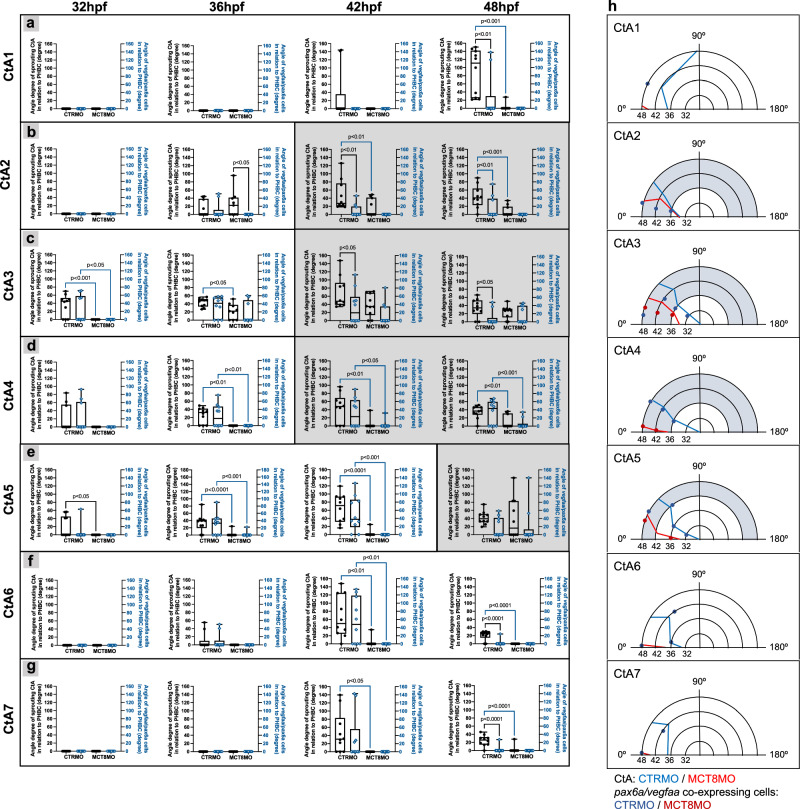 Figure 6
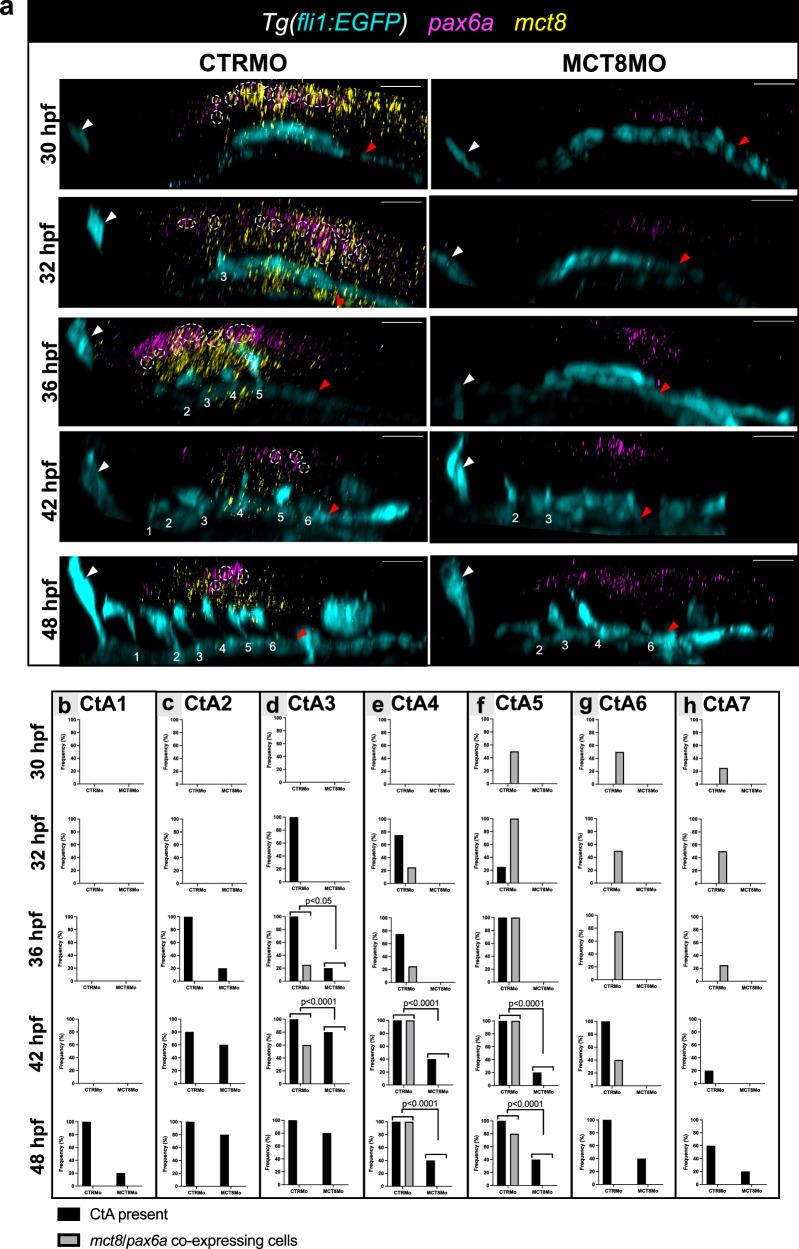 Figure 7
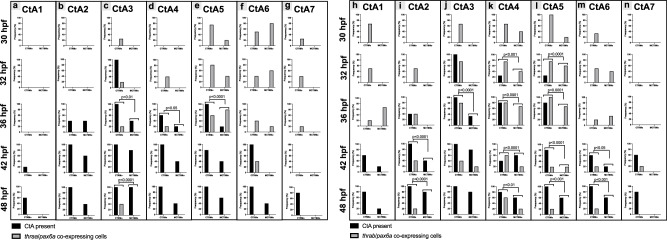 Figure 8
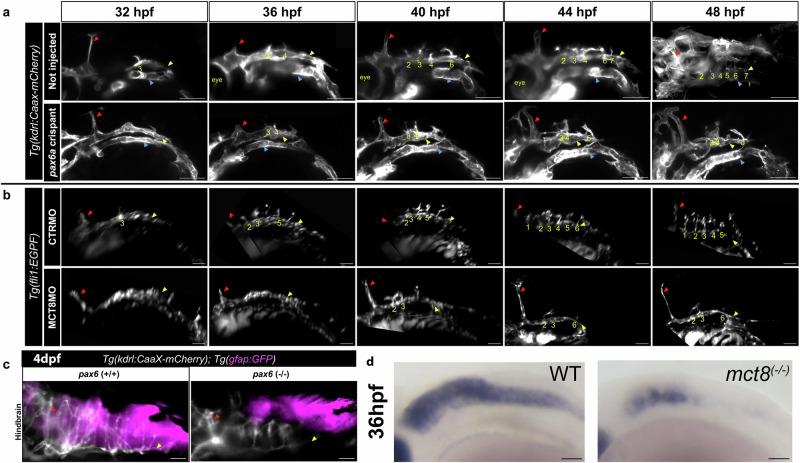 Figure 9
Peer Reviews
No public reviews on file for this paper yet. If you reviewed it on a platform where reviews are public (OpenReview, ICLR, NeurIPS, ICML), you can paste yours below so the community can read it here.
Videos
No videos yet. Explain this paper in a talk, walkthrough, or lecture? Add one.
Taxonomy
TopicsPregnancy and preeclampsia studies · Birth, Development, and Health · Physiological and biochemical adaptations