Comparative transcriptomics of salinomycin molecular toxicity in chicken and turkey
İlksen Berfin Ekinci, Anna Sławińska, Kacper Żukowski, Małgorzata Olejnik

TL;DR
This study compares how salinomycin affects gene activity in chicken and turkey hearts and livers, revealing species-specific toxicity mechanisms.
Contribution
The study provides new insights into the molecular mechanisms of salinomycin toxicity through comparative transcriptomics in chickens and turkeys.
Findings
Salinomycin induced platelet signaling in chicken hearts and cell cycle arrest in turkey hearts.
Both species showed impaired biotransformation of salinomycin in the liver.
Turkey livers showed upregulated extracellular matrix pathways, suggesting fibrosis.
Abstract
Salinomycin (Sal) is an antiparasitic agent used in veterinary medicine and is characterized by low therapeutic index and high toxicity. Among poultry, chickens are resistant to Sal toxicity, but turkeys are considered susceptible. However, underlying mechanisms of Sal toxicity are poorly understood. This comparative transcriptomic study aimed to determine molecular toxicity mechanisms of Sal in both species. We conducted two experiments on chickens and turkeys exposed to Sal (0.9 mg/kg b.w/day) vs. unexposed. Heart and liver (n = 6) were collected post-mortem (chicken 5th; turkey 13th week). RNA was isolated and examined by RNA-seq to identify differentially expressed (DE) genes and pathways. Number of significant DE genes in chicken was 673 (heart) and 3049 (liver), and in turkey, 485 (heart) and 2337 (liver). Enrichment analysis revealed that Sal exposure activated platelet signaling…
Genes, proteins, chemicals, diseases, species, mutations and cell lines named across the full text — each resolved to its canonical identifier and authoritative record.
Click any figure to enlarge with its caption.
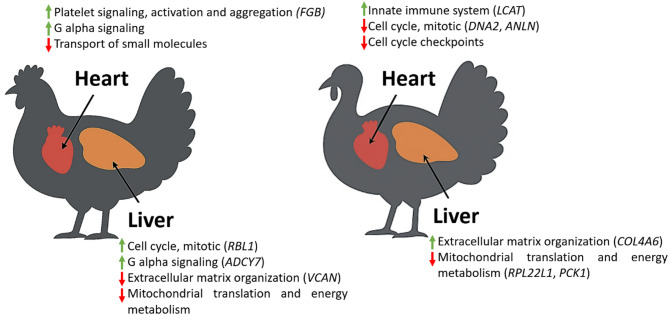 Figure 10
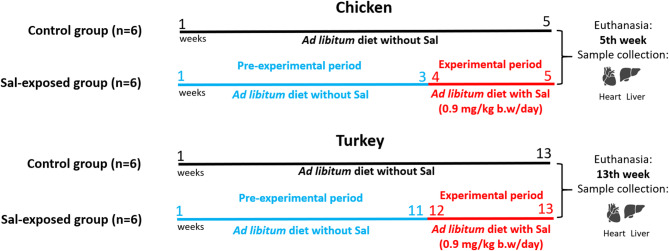 Figure 1
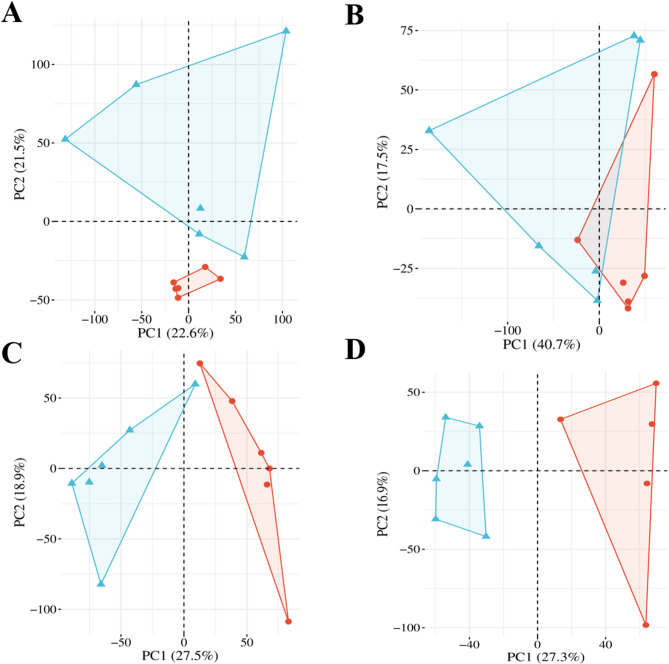 Figure 2
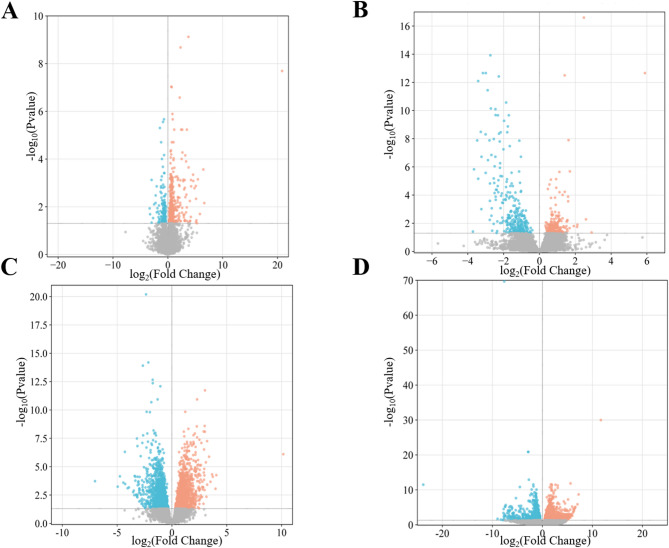 Figure 3
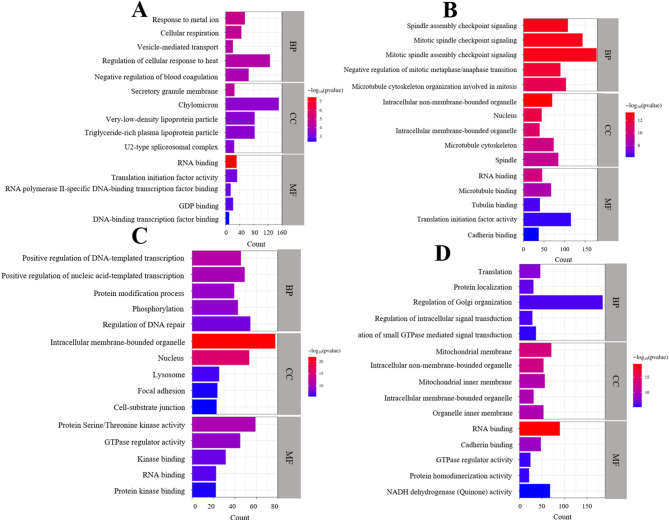 Figure 4
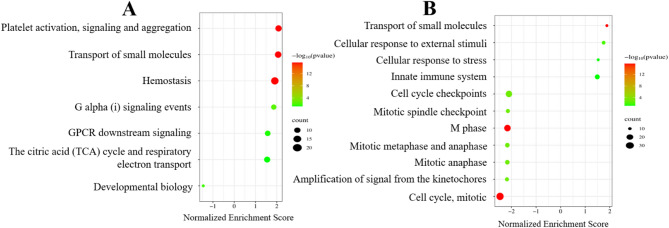 Figure 5
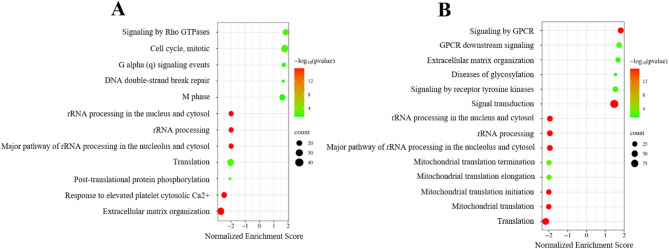 Figure 6
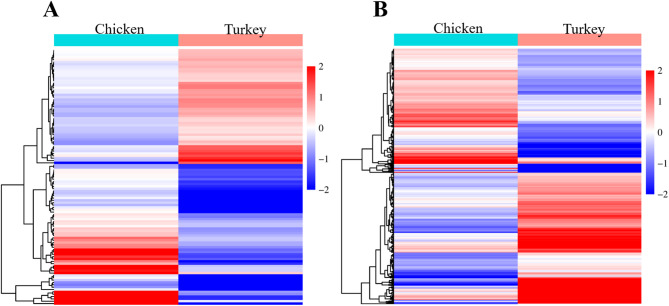 Figure 7
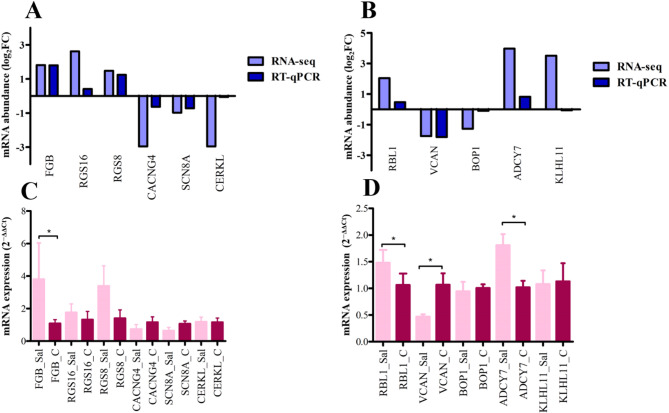 Figure 8
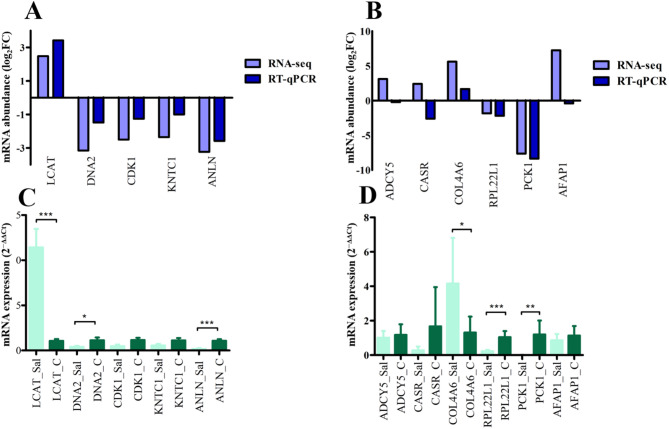 Figure 9
Peer Reviews
No public reviews on file for this paper yet. If you reviewed it on a platform where reviews are public (OpenReview, ICLR, NeurIPS, ICML), you can paste yours below so the community can read it here.
Videos
No videos yet. Explain this paper in a talk, walkthrough, or lecture? Add one.
Taxonomy
TopicsCoccidia and coccidiosis research · Veterinary medicine and infectious diseases · Animal Nutrition and Physiology