Bioinformatic prediction of key genes involved in pro-chondrogenic effect of fragmentated cartilage transplantation
Zhu Dai, Yong-Hui Jiang, Ying Liao, Lin He, Wen-Ji Yang, Jiang-Hua Liu

TL;DR
This study finds that minced cartilage fragments improve cartilage repair more than chunk fragments, possibly due to inflammation-related gene activity.
Contribution
The study identifies differentially expressed genes linked to cartilage repair efficacy and suggests inflammation's role in pro-chondrogenic effects.
Findings
Minced cartilage fragments improved cartilage repair outcomes compared to chunk fragments and fibrin glue alone.
RNA-seq analysis identified 75 differentially expressed genes, with up-regulated genes linked to inflammation and cell proliferation.
Down-regulated genes in minced fragments showed a negative relationship with cell migration and inflammation.
Abstract
Minced cartilage transplantation is thought to promote cartilage repair. However, the underlying mechanisms remain less well understood. In this study, we established a rat osteochondral defect model to evaluate fragment size-dependent repair efficacy, and tried to explore the mechanisms preliminarily. Herein, rats with cartilage defect were randomly divided into 3 groups. Small allogeneic cartilage fragments with fibrin glue, chunk allogeneic cartilage fragments with fibrin glue, and only fibrin glue were used to treat cartilage defects in each group, respectively. The results showed that the minced cartilage fragments had significantly improved outcomes in promoting cartilage repairing compared to chunk cartilage fragments and only fibrin glue. Notably, particulated cartilage transplantation-treat cartilage lesion had elevated inflammation. Following RNA-seq analysis on cartilage…
Genes, proteins, chemicals, diseases, species, mutations and cell lines named across the full text — each resolved to its canonical identifier and authoritative record.
Click any figure to enlarge with its caption.
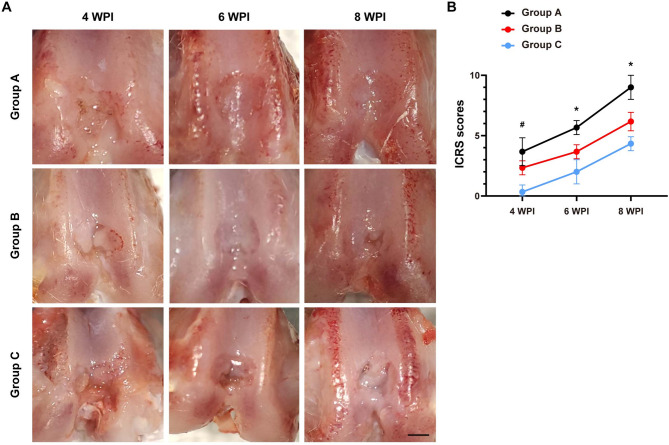 Figure 1
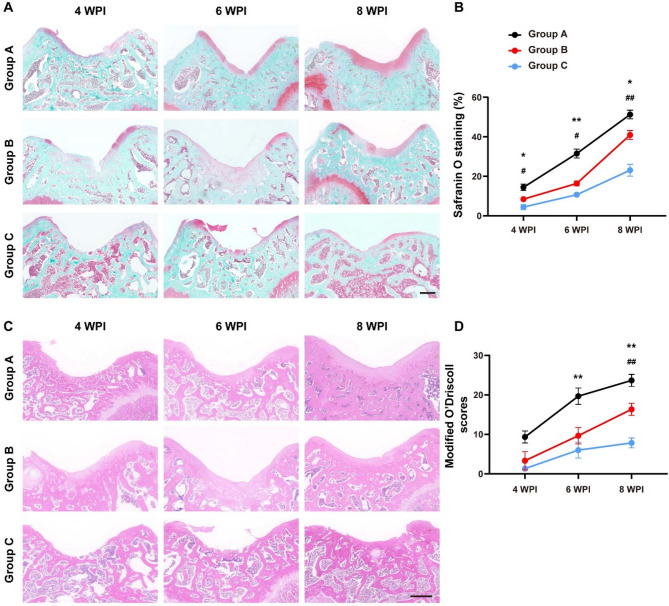 Figure 2
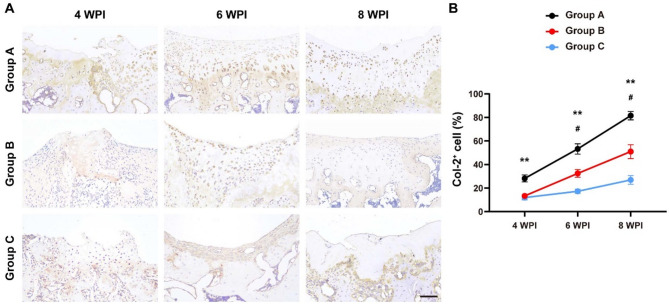 Figure 3
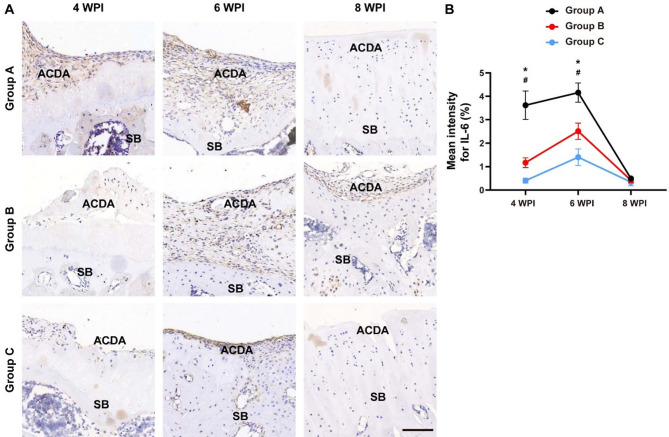 Figure 4
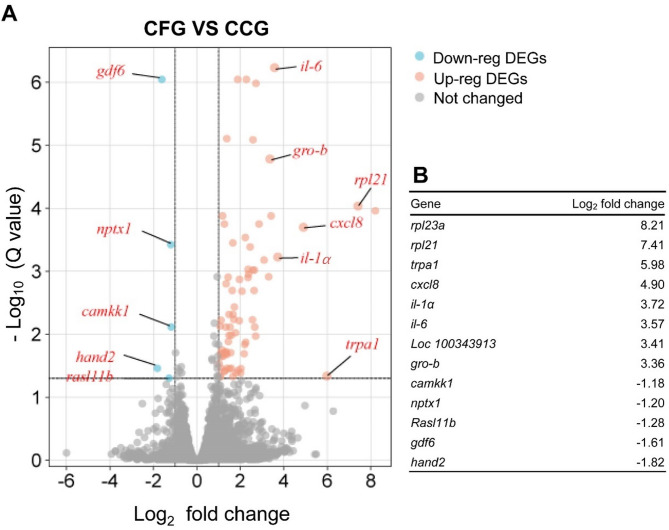 Figure 5
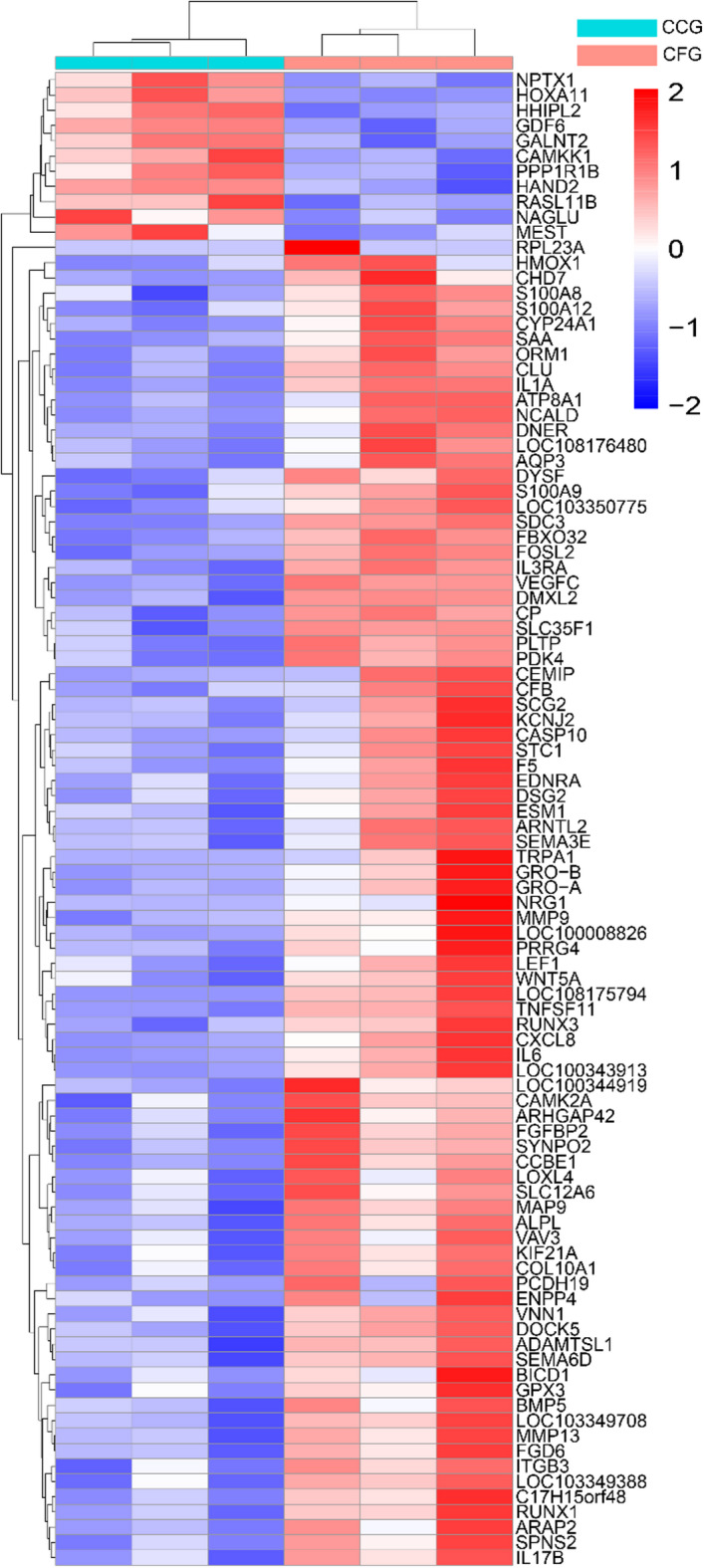 Figure 6
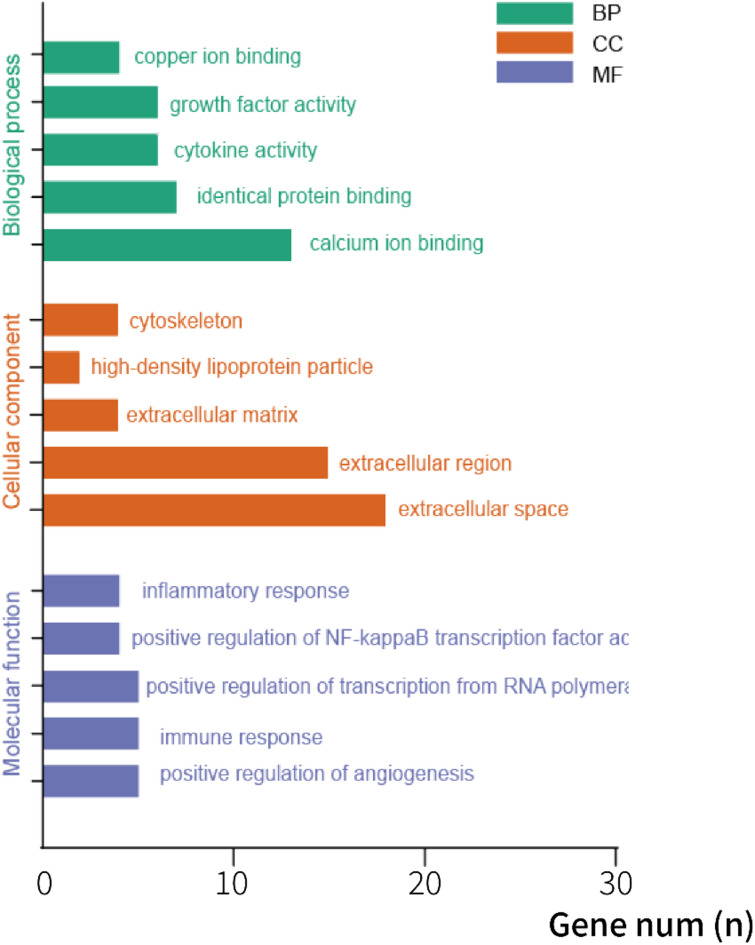 Figure 7
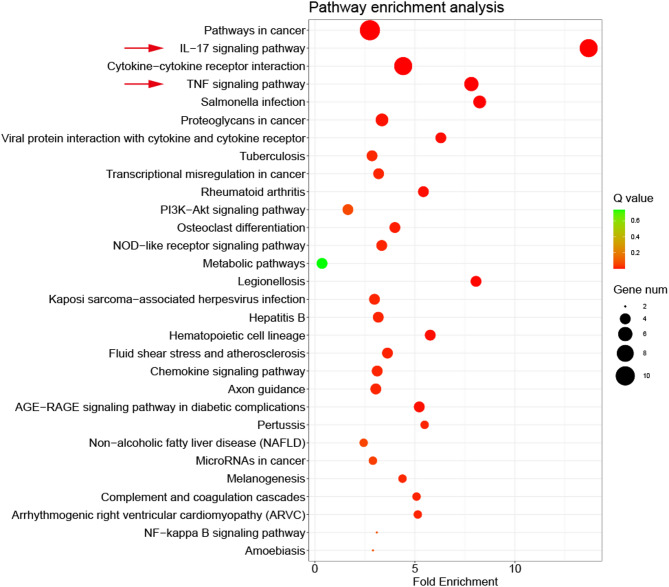 Figure 8
Peer Reviews
No public reviews on file for this paper yet. If you reviewed it on a platform where reviews are public (OpenReview, ICLR, NeurIPS, ICML), you can paste yours below so the community can read it here.
Videos
No videos yet. Explain this paper in a talk, walkthrough, or lecture? Add one.
Taxonomy
TopicsOsteoarthritis Treatment and Mechanisms · Cancer-related molecular mechanisms research