Self-Etching Primer Or Hydrofluoric Acid: Effects On the Bond Strength Stability of a Leucite-Based Glass-Ceramic
Camila da Silva Rodrigues, Manassés Tercio Vieira Grangeiro, Rita Adriana Souza da Silva de Assi, Mateus Gaya dos Santos, Marco Antonio Bottino, Renata Marques de Melo

TL;DR
This study compares the long-term bond strength of a self-etching primer and hydrofluoric acid on a type of dental ceramic, finding the primer more stable over time.
Contribution
The study introduces a novel comparison of bond strength stability using a self-etching primer versus hydrofluoric acid for leucite-based glass-ceramics.
Findings
Self-etching primer (MEP) showed higher bond strength than hydrofluoric acid (HF) treatment.
HF-treated specimens lost bond strength after aging, while MEP-treated specimens remained stable.
MEP-treated surfaces showed fewer adhesive failures and less surface damage compared to HF.
Abstract
To evaluate the effect of a self-etching primer on the long-term bond strength stability between a leucite-based glass-ceramic and resin cement, compared to the conventional treatment involving hydrofluoric acid (HF) etching followed by silane application. Materials and Methods: Blocks of a leucite-based glass-ceramic (IPS Empress CAD) were cut into plates and embedded in acrylic resin. Half of the specimens were treated with 5% HF for 60 s and silane application, and the other half was treated with a self-etching primer (Monobond Etch and Prime, MEP). Resin cement cylinders (n = 24) were built onto their surfaces, and the specimens of each group were divided into three subgroups according to the microshear bond strength (µSBS) testing time: baseline, after 10,000 thermocycles, or after 10,000 thermocycles followed by 180 days of immersion in water. Statistical analysis was performed…
Genes, proteins, chemicals, diseases, species, mutations and cell lines named across the full text — each resolved to its canonical identifier and authoritative record.
Click any figure to enlarge with its caption.
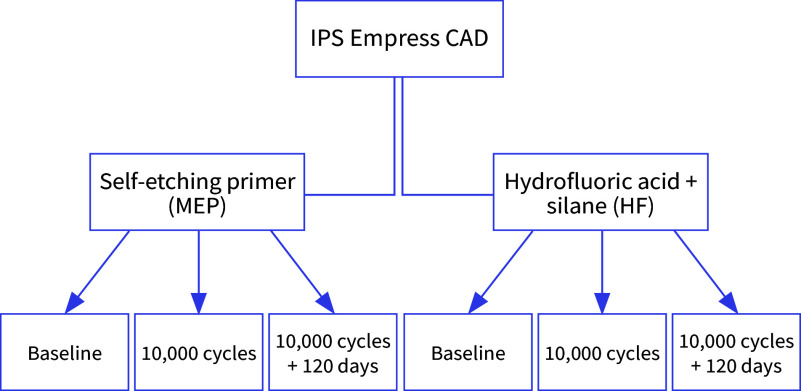 Figure 1
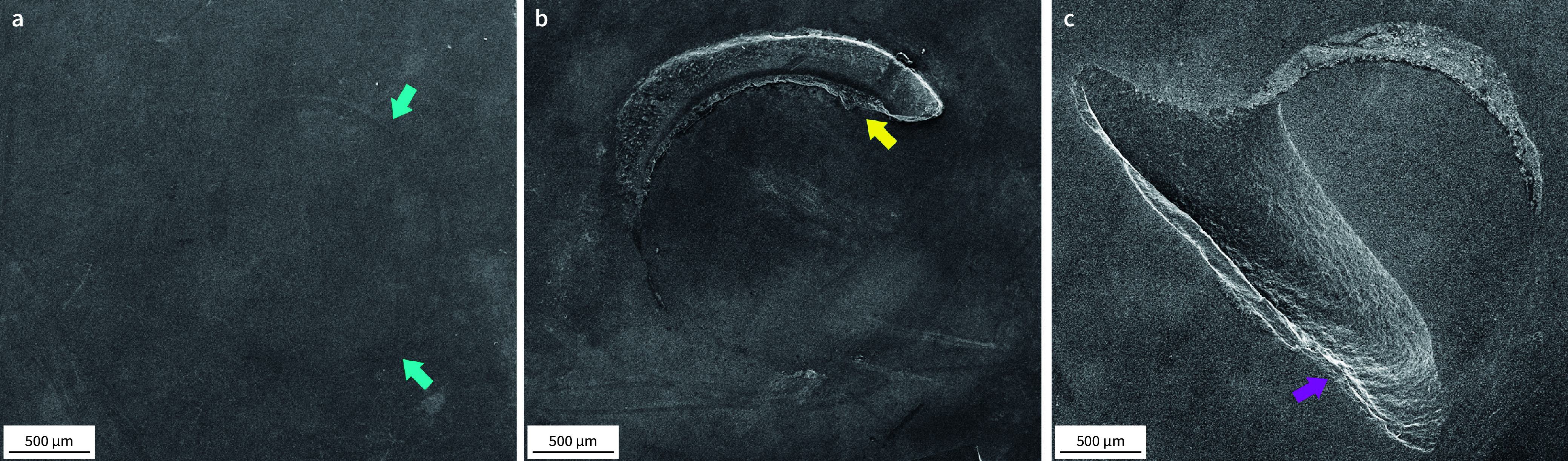 Figure 2
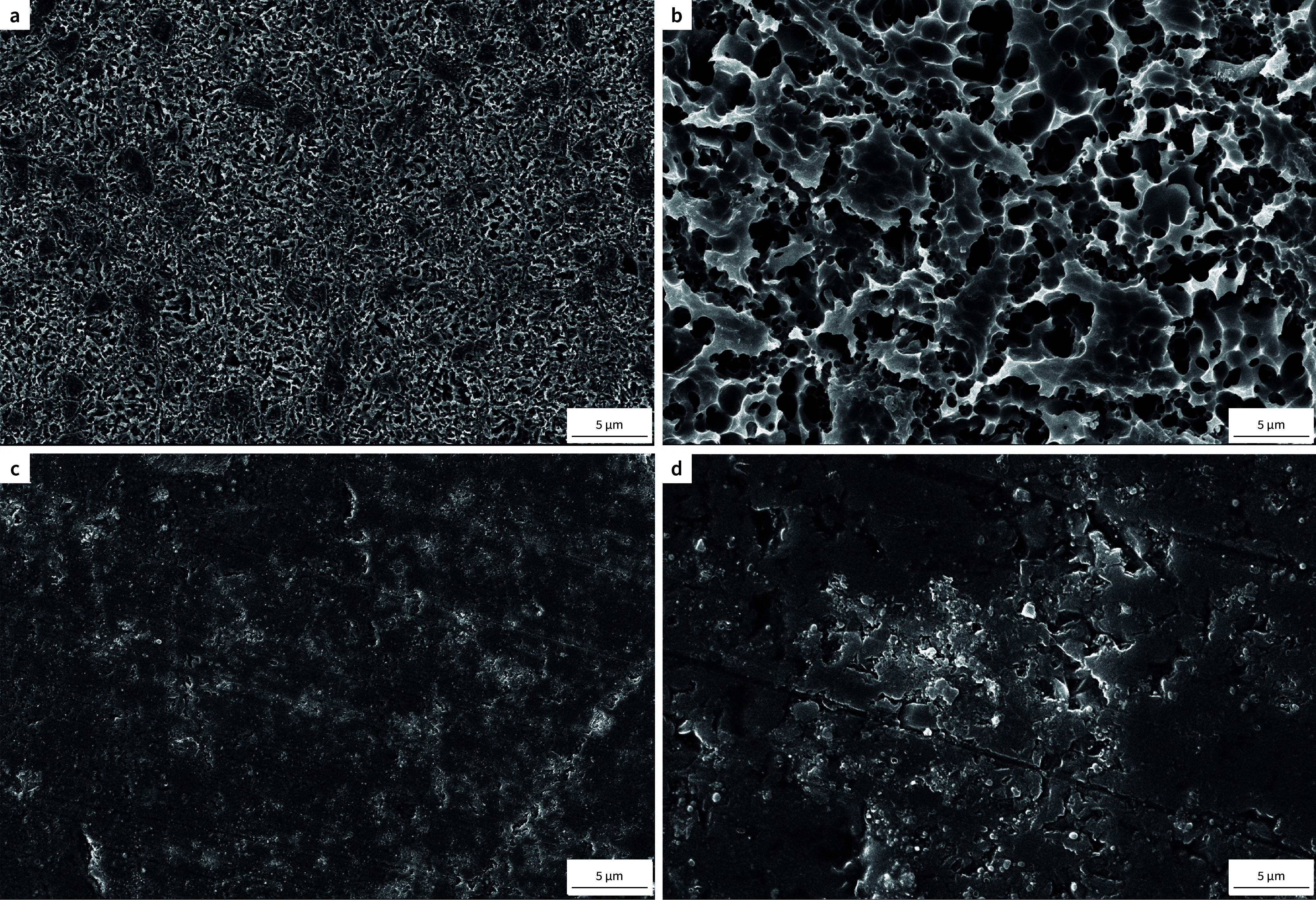 Figure 3
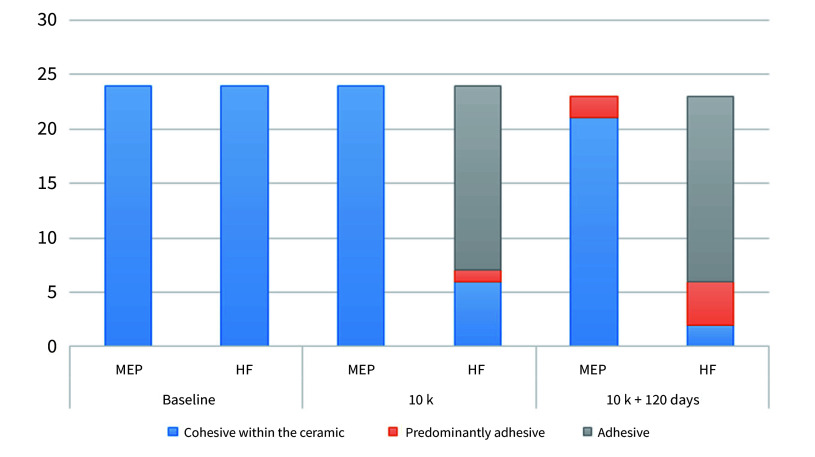 Figure 4
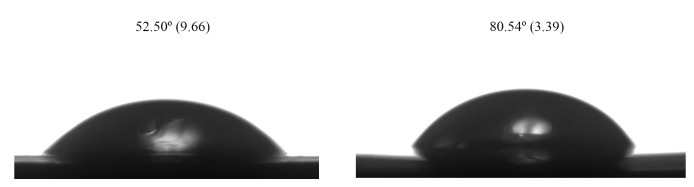 Figure 5
Peer Reviews
No public reviews on file for this paper yet. If you reviewed it on a platform where reviews are public (OpenReview, ICLR, NeurIPS, ICML), you can paste yours below so the community can read it here.
Videos
No videos yet. Explain this paper in a talk, walkthrough, or lecture? Add one.
Taxonomy
TopicsRecycling and utilization of industrial and municipal waste in materials production · Glass properties and applications · Advanced ceramic materials synthesis