Photocatalytic syntheses and evaluation of biological activities of rare disaccharides, 3-O-α-d-glucopyranosyl-d-arabinose
Sho Usuki, Pratiksha Babgonda Patil, Tiangao Jiang, Naoko Taki, Yuma Uesaka, Haru Togawa, Sanjay S. Latthe, Shanhu Liu, Kenji Yamatoya, Kazuya Nakata

TL;DR
Researchers developed a new, eco-friendly method to make rare disaccharides from maltose and found one of them is not toxic and hard to digest, suggesting it could be a low-calorie sweetener.
Contribution
A novel photocatalytic synthesis of rare disaccharides from maltose under mild conditions is introduced.
Findings
3-O-α-d-glucopyranosyl-d-arabinose showed no cytotoxicity and minimal cellular uptake in HeLa and HEK293 cells.
The disaccharide was significantly less degradable by mouse intestinal α-glucosidase compared to maltose.
The photocatalytic method uses PtCl/TiO₂ under mild conditions to synthesize rare disaccharides from maltose.
Abstract
Recently, there has been a growing interest in rare sugars due to their potential applications in functional foods and pharmaceuticals. However, sustainable production methods for these compounds remain challenging due to their high cost, lengthy production times, and environmentally harmful reagents. Herein, we report a novel photocatalytic approach for synthesizing rare disaccharides from maltose, an abundant and renewable natural resource, under mild conditions at room temperature and atmospheric pressure using light as the energy source. The photocatalytic treatment of maltose using platinum compound-supported titanium oxide (PtCl/TiO₂) resulted in the formation of rare disaccharides, primarily 3-O-α-d-glucopyranosyl-d-arabinose and glucosyl-erythrose, which were characterized by HPLC, LC/MS, 13C NMR spectroscopy, and optical rotation measurements. Notably, biological evaluation of…
Genes, proteins, chemicals, diseases, species, mutations and cell lines named across the full text — each resolved to its canonical identifier and authoritative record.
Click any figure to enlarge with its caption.
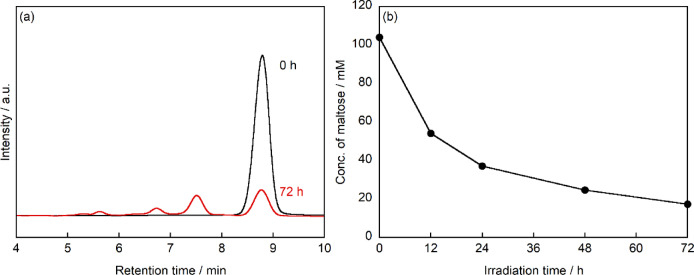 Figure 1
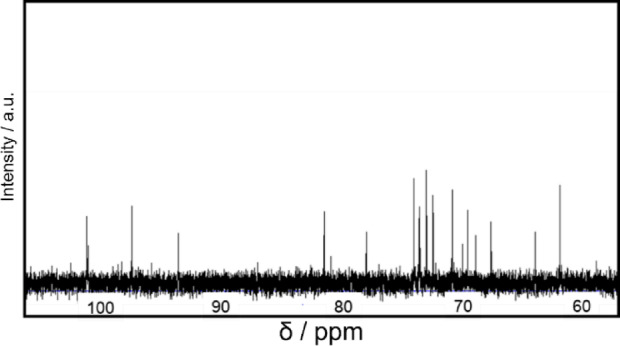 Figure 2
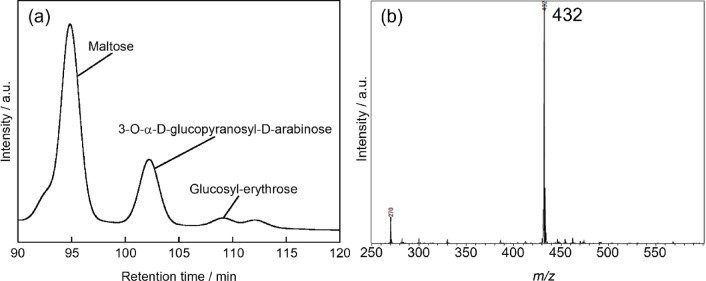 Figure 3
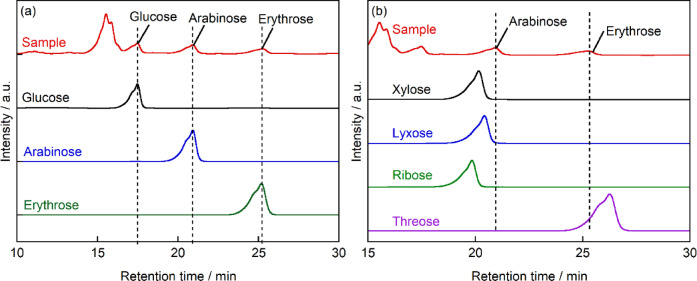 Figure 4
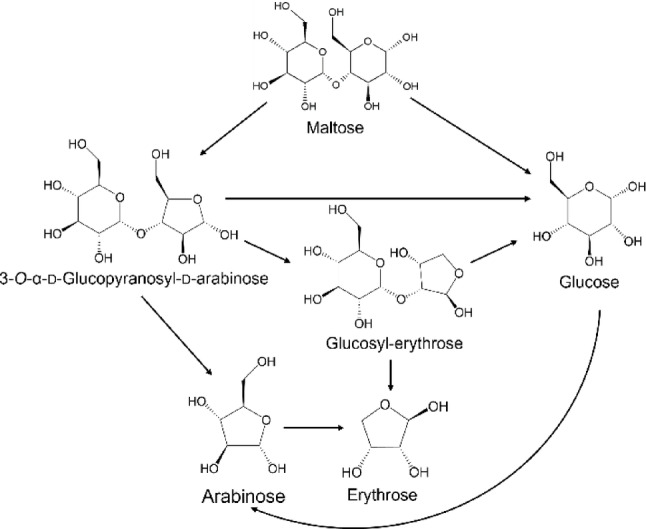 Figure 5
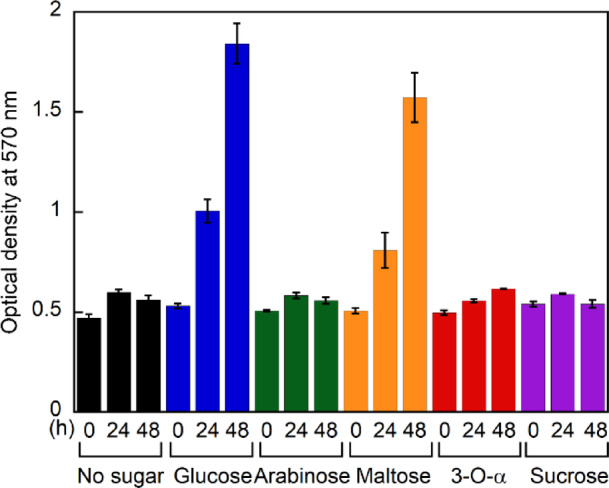 Figure 6
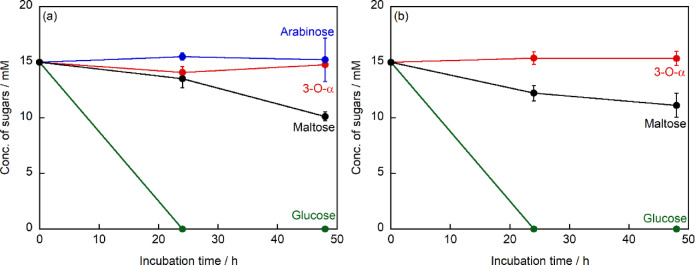 Figure 7
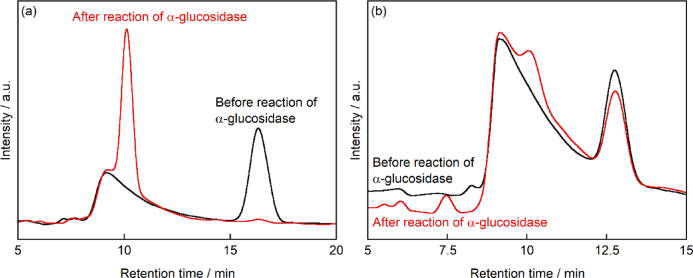 Figure 8
Peer Reviews
No public reviews on file for this paper yet. If you reviewed it on a platform where reviews are public (OpenReview, ICLR, NeurIPS, ICML), you can paste yours below so the community can read it here.
Videos
No videos yet. Explain this paper in a talk, walkthrough, or lecture? Add one.
Taxonomy
TopicsDiet, Metabolism, and Disease · Microbial Metabolites in Food Biotechnology · Biochemical Analysis and Sensing Techniques