Reproductive timing and intensity in a Galápagos intertidal mollusc are modulated by thermal phases
Camila Gallardo-Duran, Cristina Vintimilla-Palacios, Isis Laura Alvarez-Garcia, Quetzalli Yasu Abadia-Chanona, Omar Hernando Avila-Poveda, Margarita Brandt

TL;DR
This study examines how a Galápagos mollusc adjusts its reproduction in response to changing ocean temperatures, offering insights for sustainable harvesting.
Contribution
The study reveals how thermal phases influence reproductive timing and intensity in Radsia goodallii, a Galápagos intertidal mollusc.
Findings
Reproductive timing, duration, and intensity in Radsia goodallii vary significantly with thermal phases.
Reproductive intensity peaks during cooler El Niño phases, while warmer periods extend gonad maturity duration.
Larger individuals show greater reproductive capacity, suggesting size-related reproductive optimization.
Abstract
The decline in finfish fisheries has increased the harvesting of coastal invertebrates, particularly molluscs. To understand how the endemic Galápagos chiton Radsia goodallii withstands harvest pressure, its reproductive traits were assessed on San Cristóbal Island across three El Niño thermal phases. Reproductive timing, duration, and intensity were found to vary significantly across thermal conditions, with a distinct cycle and peak gonadal investment approximately every four months. Reproductive intensity was highest during the cooler El Niño phase, whereas the duration of gonad maturity extended during warmer periods. Shifts in timing were evident in the onset of reproductive activity across phases. A male-biased sexual asymmetry in gonadal investment, combined with a higher number of females, suggested low sperm competition and potentially influenced male reproductive effort.…
Genes, proteins, chemicals, diseases, species, mutations and cell lines named across the full text — each resolved to its canonical identifier and authoritative record.
Click any figure to enlarge with its caption.
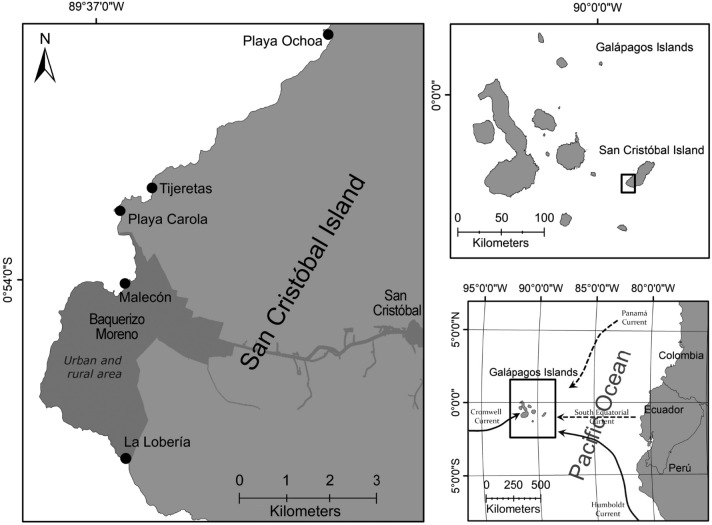 Figure 1
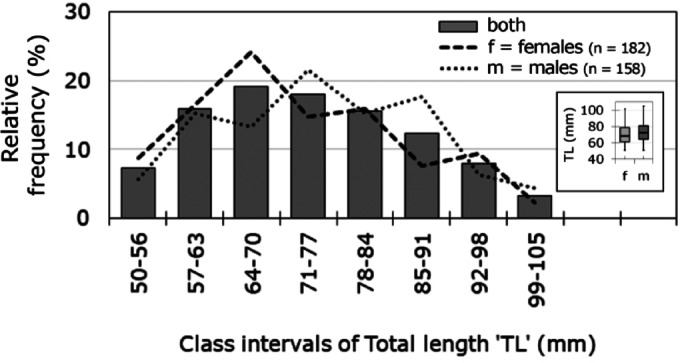 Figure 2
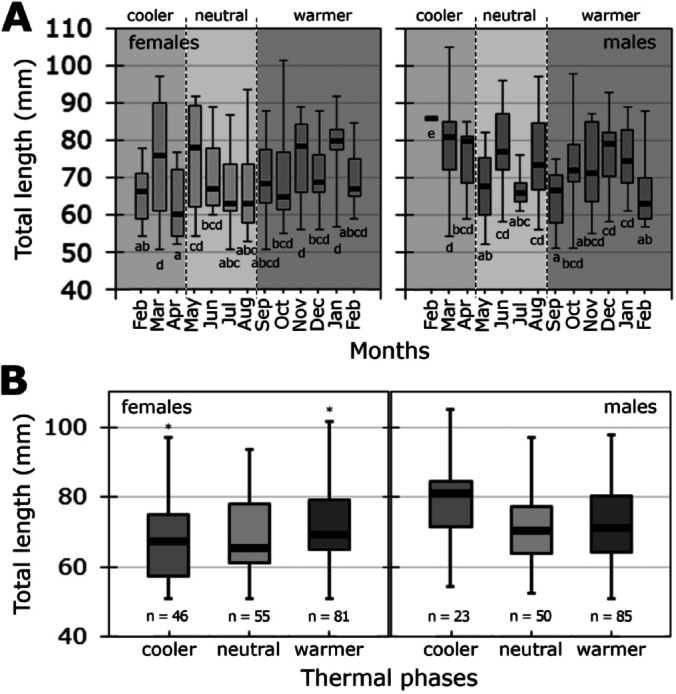 Figure 3
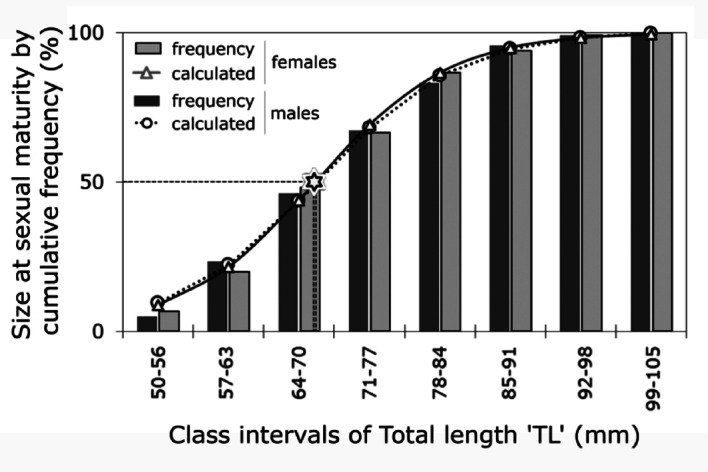 Figure 4
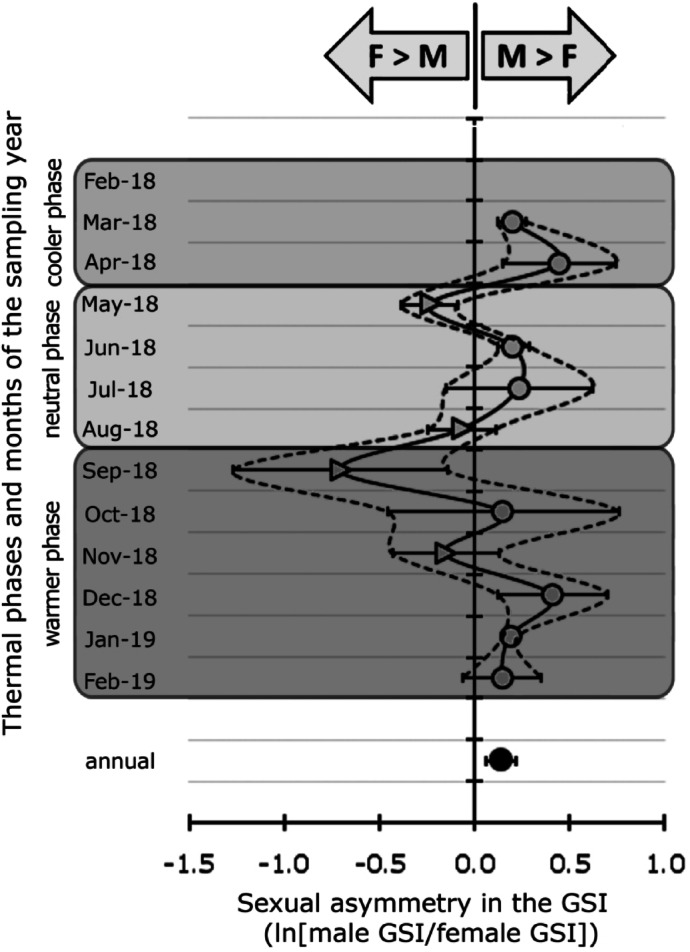 Figure 5
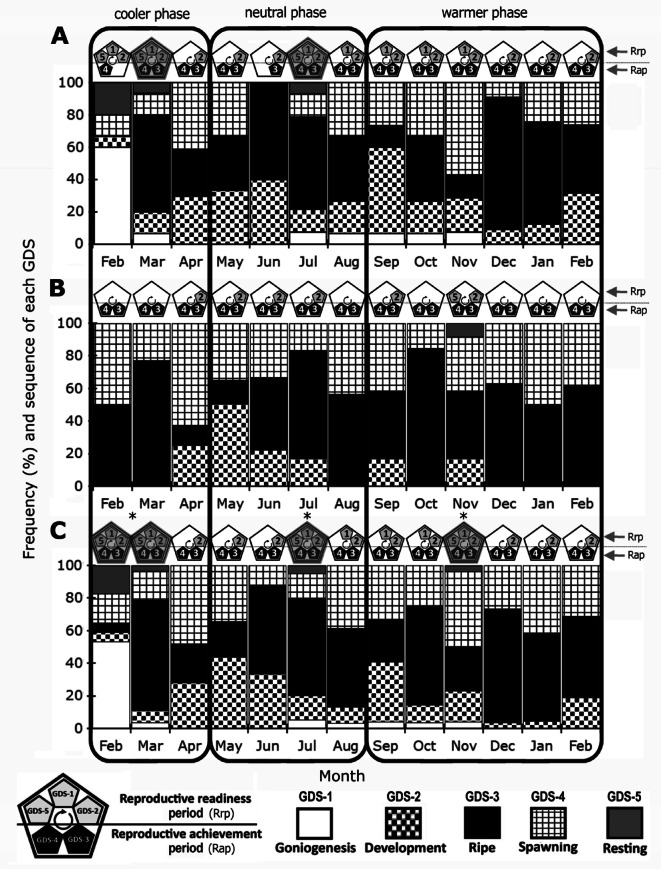 Figure 6
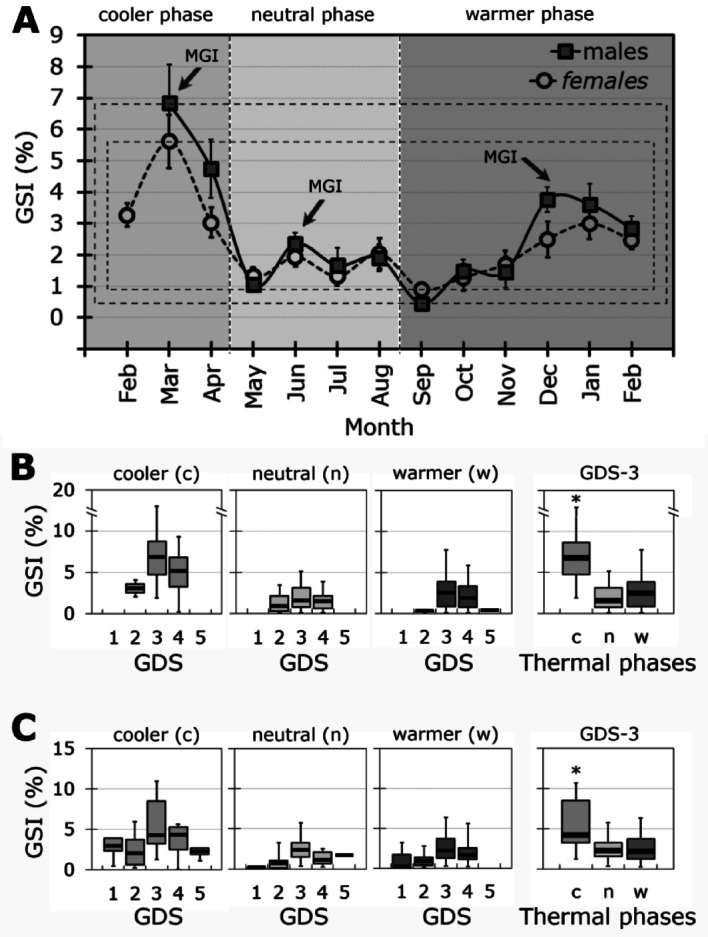 Figure 7
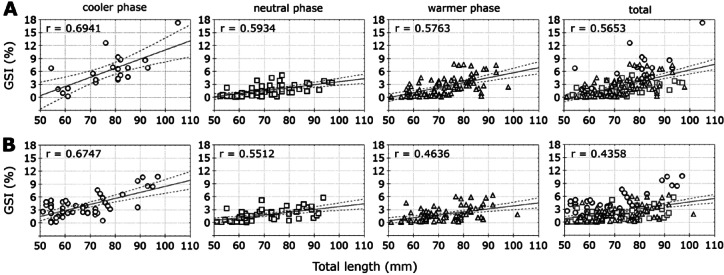 Figure 8
Peer Reviews
No public reviews on file for this paper yet. If you reviewed it on a platform where reviews are public (OpenReview, ICLR, NeurIPS, ICML), you can paste yours below so the community can read it here.
Videos
No videos yet. Explain this paper in a talk, walkthrough, or lecture? Add one.
Taxonomy
TopicsMarine Bivalve and Aquaculture Studies · Marine and fisheries research · Marine and coastal plant biology