NEXMIF overexpression is associated with autism-like behaviors and alterations in dendritic arborization and spine formation in mice
KathrynAnn Odamah, Mauricio Toyoki Nishizawa Criales, Heng-Ye Man

TL;DR
Overexpression of the NEXMIF gene in mice leads to autism-like behaviors and changes in brain cell structure, suggesting a role in autism and intellectual disability.
Contribution
This study is the first to investigate the effects of NEXMIF overexpression and link it to autism-like behaviors and cellular changes in mice.
Findings
NEXMIF overexpression in mice caused impaired communication, memory deficits, and reduced social behavior.
RNA sequencing showed dysregulation of genes related to synaptic transmission and neuron differentiation.
Cultured neurons with NEXMIF overexpression had increased dendritic arborization.
Abstract
We previously found that loss of the X-linked gene NEXMIF results in ASD and intellectual disability (ID). Duplication of chromosomal segments containing NEXMIF has been associated with ASD/ID in humans, but the direct link to the NEXMIF gene, as well as the behavioral and cellular consequences of NEXMIF overexpression, have not yet been explored. Here, we developed a lentivirus containing the human NEXMIF gene which was bilaterally injected into the ventricles of newborn mice. At adolescent ages, the mice were subjected to various behavioral assays to assess the presence of ASD-like behaviors and comorbidities, followed by the collection of brain tissue to examine changes in neuron morphology, protein expression, and the transcriptome. We report that NEXMIF overexpression in mice led to impaired communication, short-term memory deficits, reduced social behavior, hyperactivity,…
Genes, proteins, chemicals, diseases, species, mutations and cell lines named across the full text — each resolved to its canonical identifier and authoritative record.
Click any figure to enlarge with its caption.
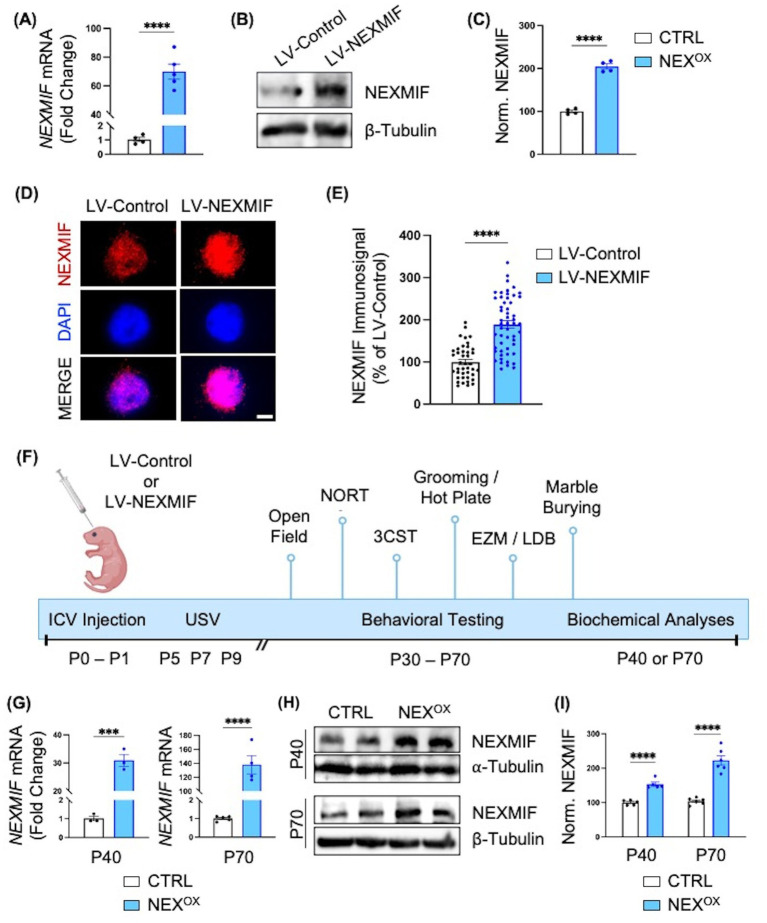 Figure 1
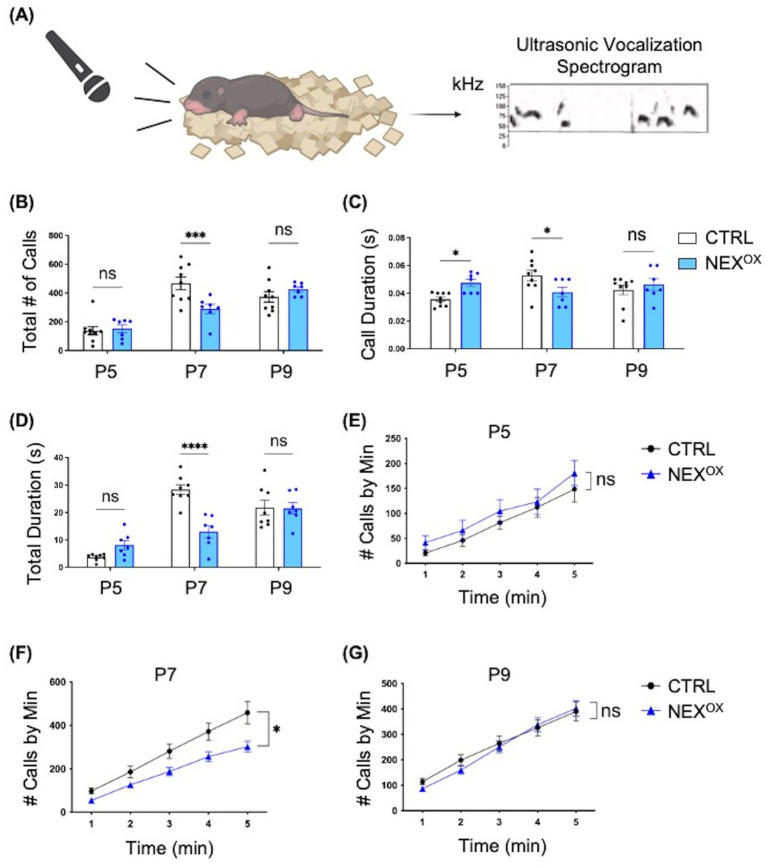 Figure 2
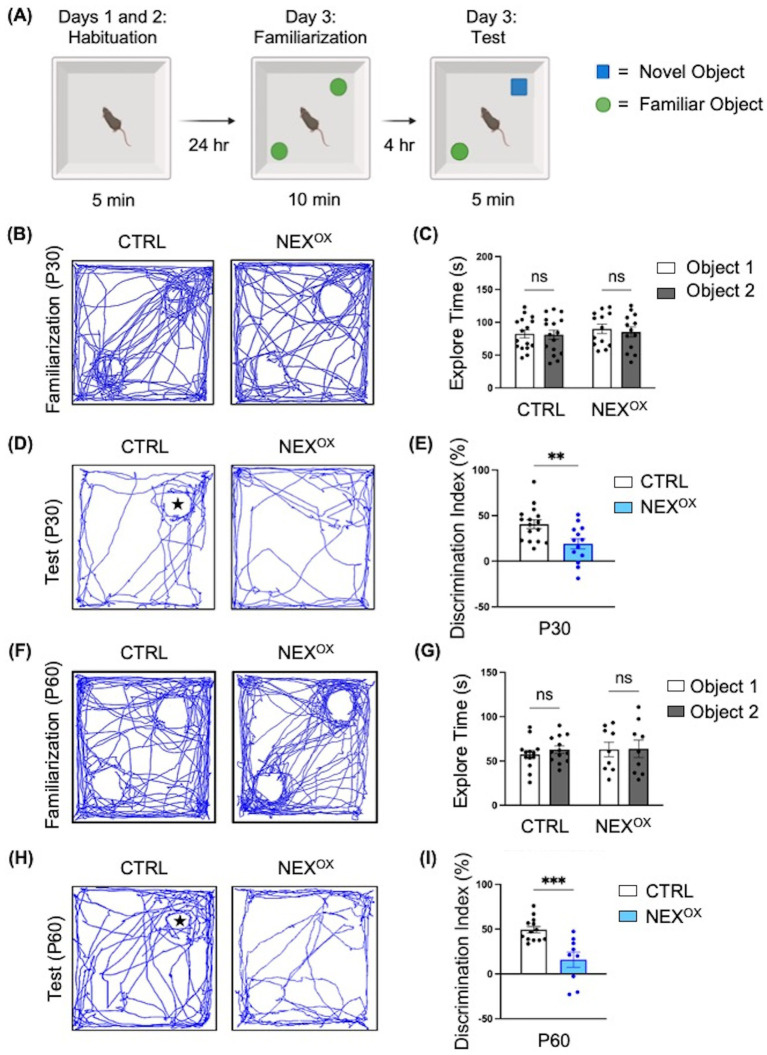 Figure 3
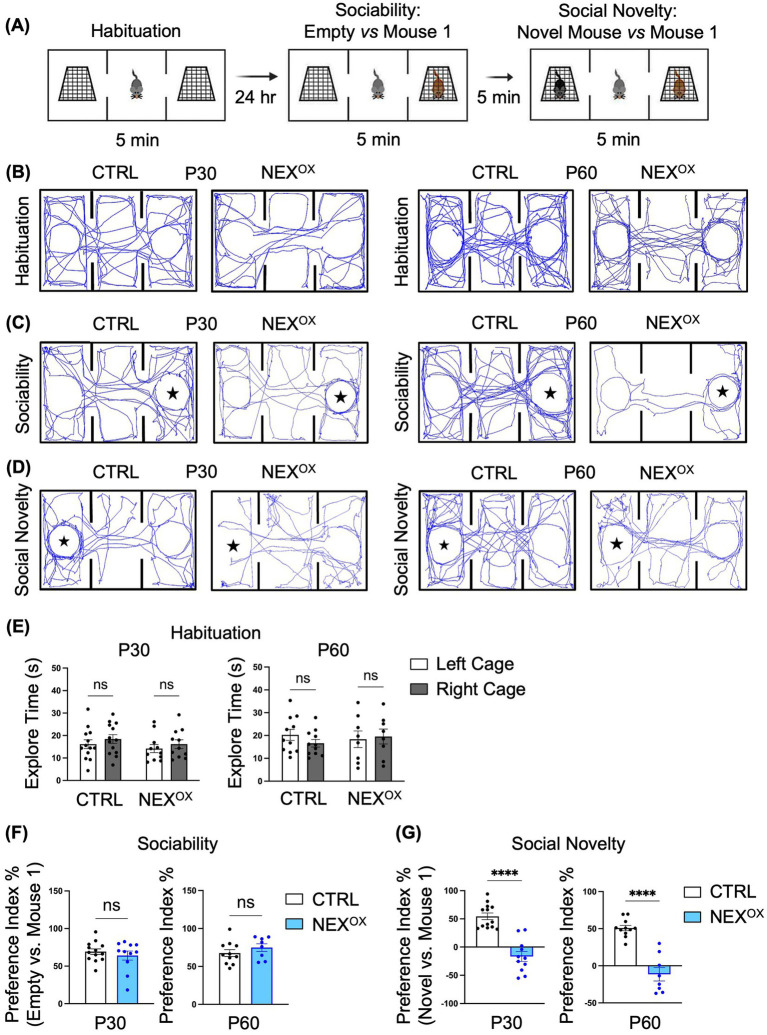 Figure 4
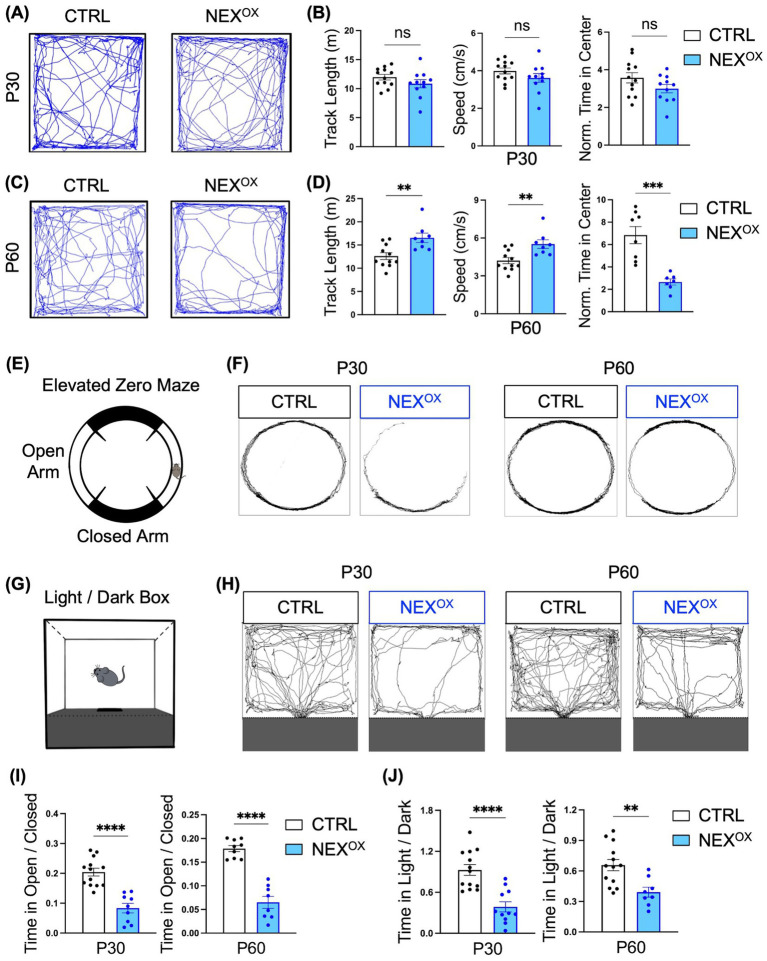 Figure 5
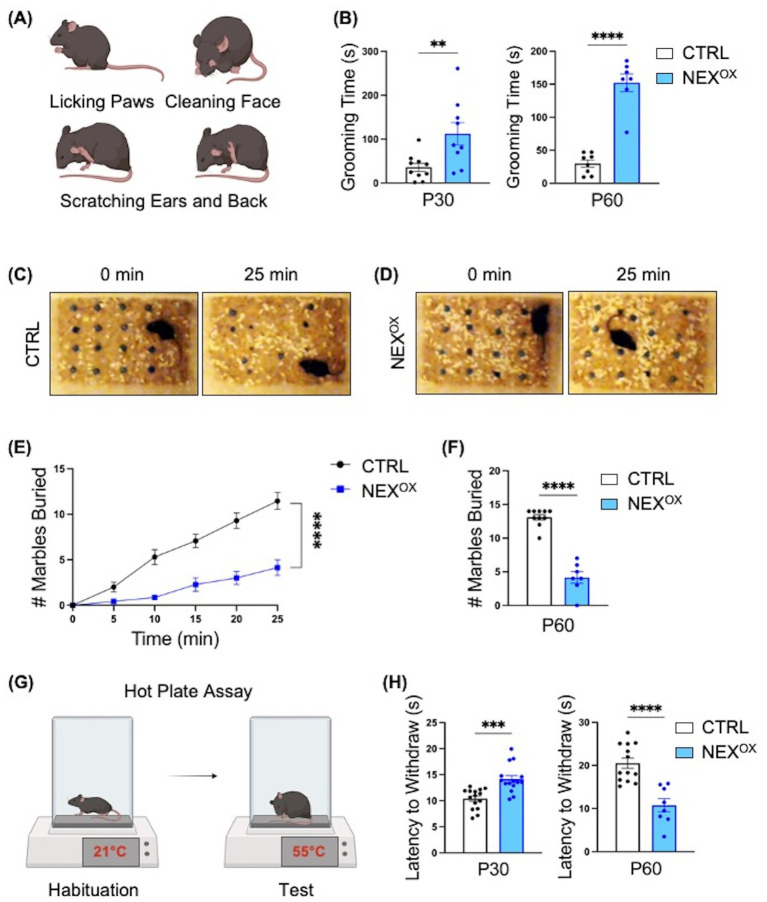 Figure 6
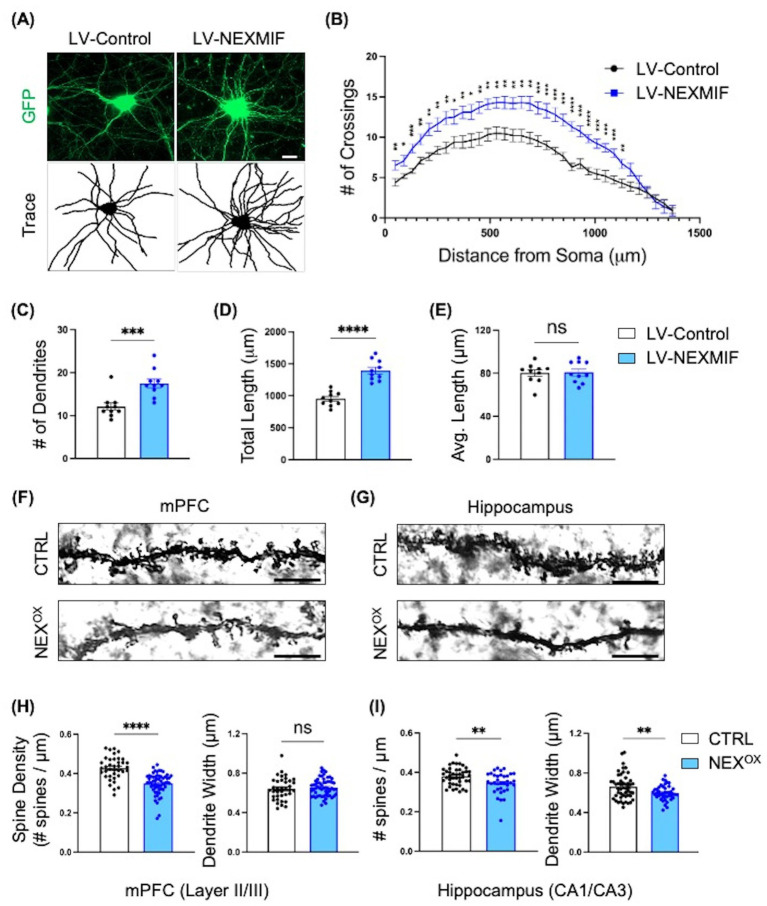 Figure 7
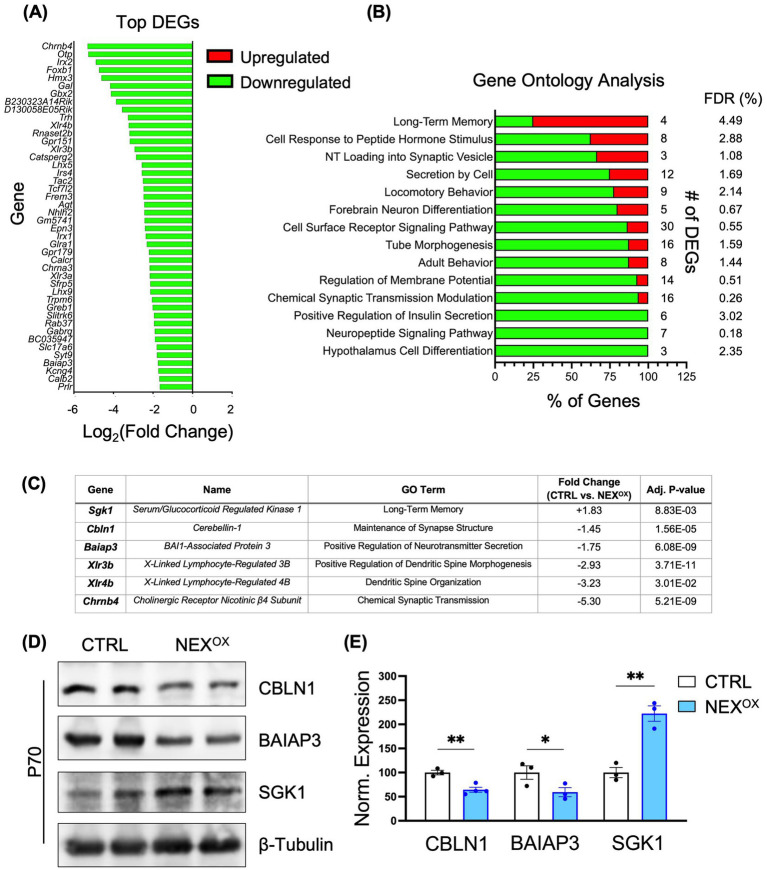 Figure 8
Peer Reviews
No public reviews on file for this paper yet. If you reviewed it on a platform where reviews are public (OpenReview, ICLR, NeurIPS, ICML), you can paste yours below so the community can read it here.
Videos
No videos yet. Explain this paper in a talk, walkthrough, or lecture? Add one.
Taxonomy
TopicsGenetics and Neurodevelopmental Disorders · Epigenetics and DNA Methylation · RNA modifications and cancer