Novel non-resonant, low-frequency pulse–current circuit for energy-efficient, low-noise transcranial magnetic stimulation
Xinhua Tan, Zongrui Tian, Jiasheng Tian, Yingwei Li, Jian Shi

TL;DR
This paper introduces a new TMS circuit design that reduces heat and noise, improving patient comfort and performance.
Contribution
A novel non-resonant, low-frequency pulse–current circuit for energy-efficient and low-noise TMS is proposed.
Findings
Three optimized triangular pulse–current waveforms were developed to reduce vibration energy and heat.
A voltage-dividing system with PWM control was implemented to generate desired pulse-voltage levels.
The proposed circuit avoids high-frequency switching, enabling energy-efficient and low-noise TMS operation.
Abstract
Transcranial magnetic stimulation (TMS) is increasingly used for non-invasive neuronal activation. By harnessing a pulsed magnetic field, TMS induces electric currents that target the central nervous system. However, its efficacy is often limited by two critical challenges: excessive heat generation and the loud “clicking” noise produced by rapid coil pulsing. These limitations reduce both performance and patient comfort, hindering broader clinical adoption. To overcome these challenges, this study proposes a novel circuit architecture. First, the principle of the triangular pulse–current waveform and its sensitivities were studied. The relationships between the waveform parameters and the induced electric field in the human brain were explored to ensure the necessary depolarization of the nerve membrane potential. Subsequently, theoretical analysis, calculations, and a particle swarm…
Genes, proteins, chemicals, diseases, species, mutations and cell lines named across the full text — each resolved to its canonical identifier and authoritative record.
Click any figure to enlarge with its caption.
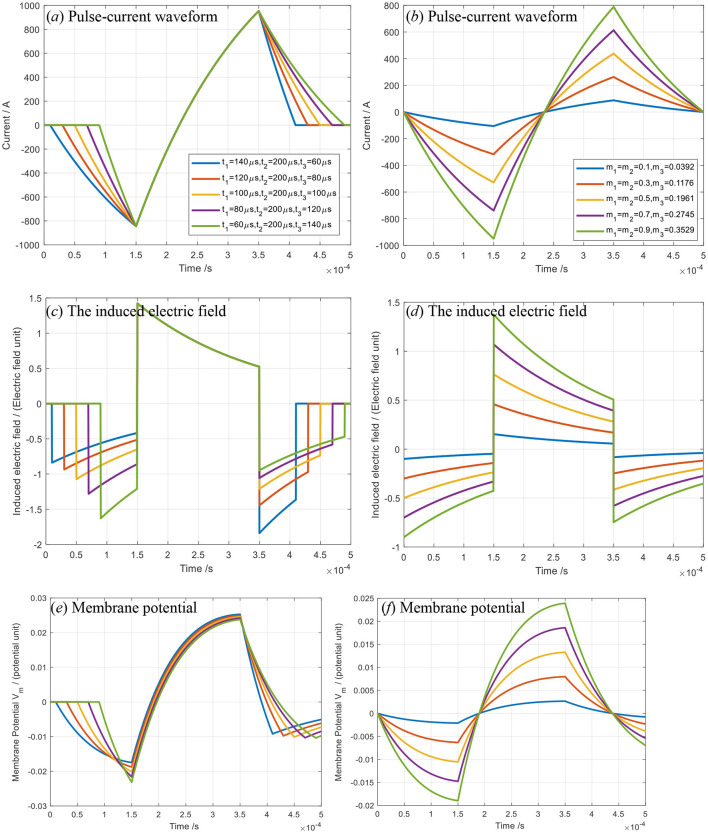 Figure 1
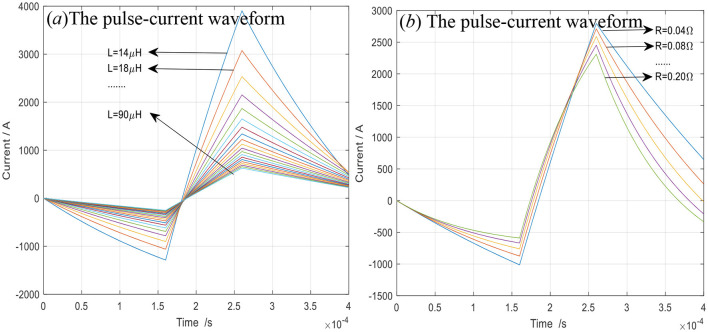 Figure 2
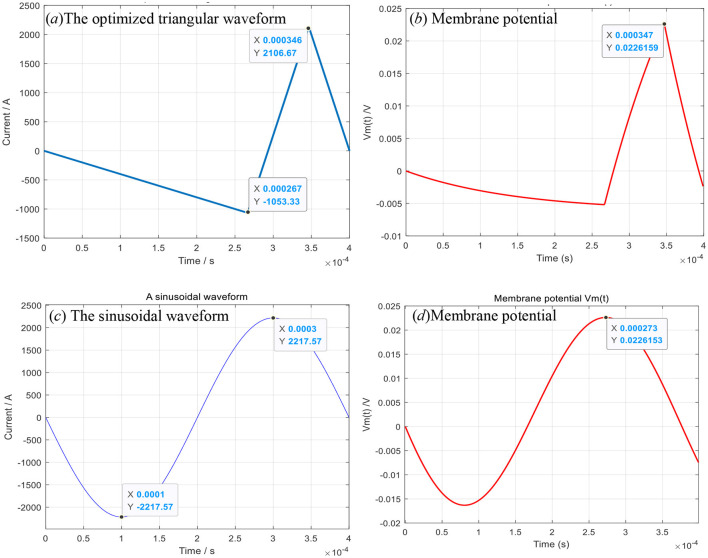 Figure 3
 Figure 4
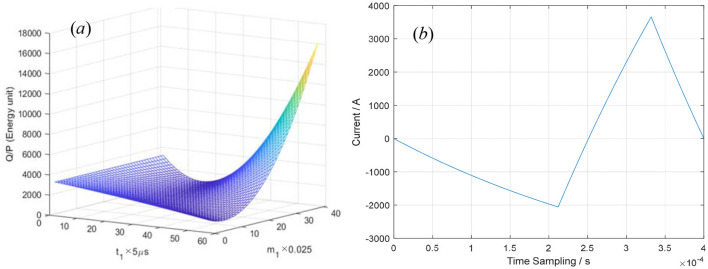 Figure 5
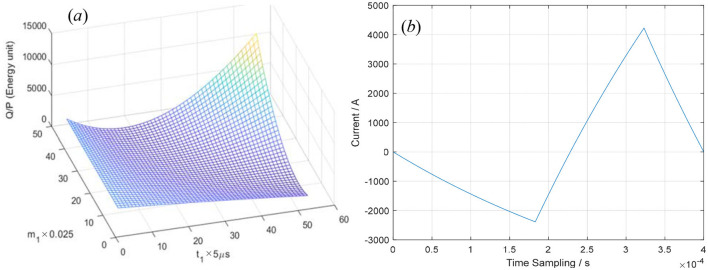 Figure 6
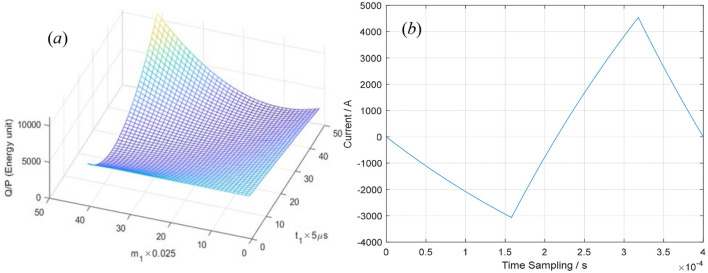 Figure 7
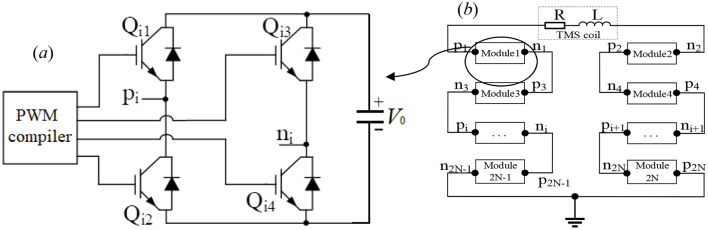 Figure 8
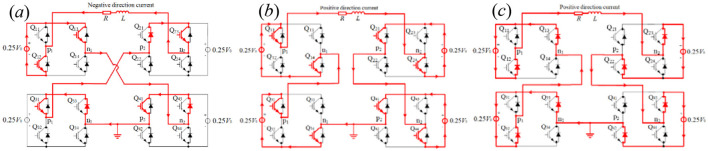 Figure 9
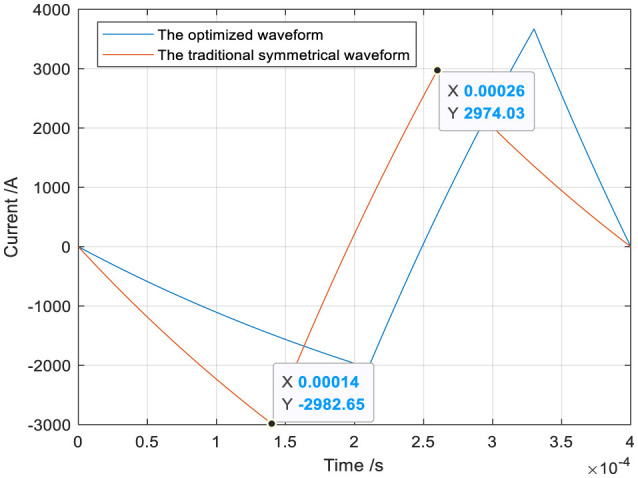 Figure 10
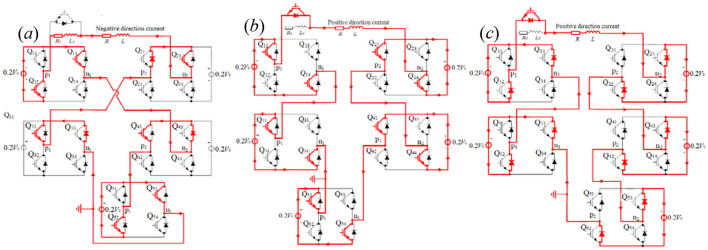 Figure 11
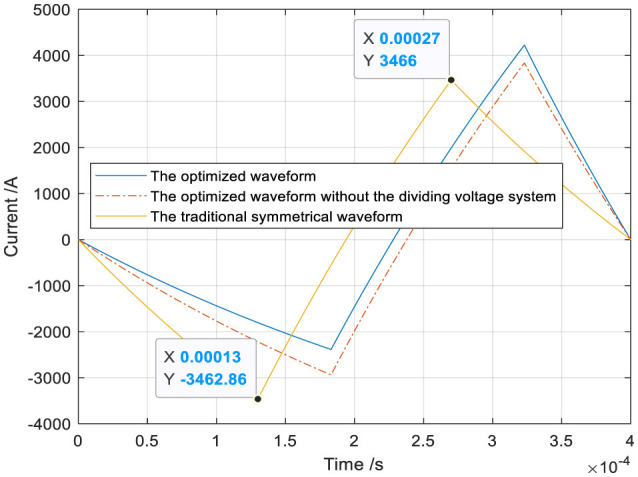 Figure 12
 Figure 13
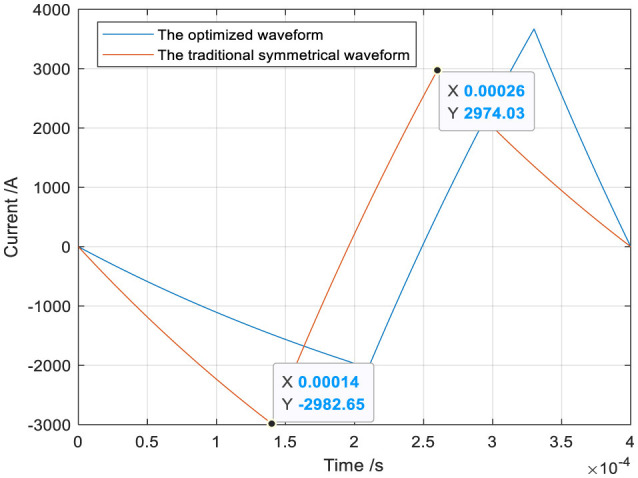 Figure 14
Peer Reviews
No public reviews on file for this paper yet. If you reviewed it on a platform where reviews are public (OpenReview, ICLR, NeurIPS, ICML), you can paste yours below so the community can read it here.
Videos
No videos yet. Explain this paper in a talk, walkthrough, or lecture? Add one.
Taxonomy
TopicsTranscranial Magnetic Stimulation Studies · Muscle activation and electromyography studies · Vestibular and auditory disorders