KDM4B enhances immune surveillance via demethylating cGAS
Qiao Peng, Huimin Zhuo, Minkang Wu, Yun Hao, Yiyi Zhang, Yuying Zheng, Lei Yu, Lin Han, Hui Ren, Yingcong Wang, Zhijie Gao, Leilei Wu, Qi Lin, Chunhua Lu, Jinghua Li, Ping Wang, Lan Fang, Haihong Yu, Meiling Lu

TL;DR
This study shows that KDM4B helps activate the immune system by removing a chemical tag from cGAS, a key DNA sensor, and targeting this process could treat diseases like autoimmunity and cancer.
Contribution
The study identifies KDM4B as the specific demethylase for cGAS K350 methylation, linking it to immune activation and disease.
Findings
KDM4B demethylates cGAS K350, enabling its release from chromatin and activation.
Loss of KDM4B impairs antiviral and antitumor immunity and reduces anti-PD-1 therapy effectiveness.
Inhibiting KDM4B ameliorates autoimmune disease in mice and human cells.
Abstract
Cyclic GMP–AMP synthase (cGAS) serves as a crucial sentinel in innate immunity by sensing cytosolic DNA, yet the molecular mechanisms governing its activation remain incompletely understood. Here, we identify lysine demethylase 4B (KDM4B) as the specific demethylase that erases cGAS K350 methylation, facilitating its chromatin release and subsequent activation. Genetic ablation of Kdm4b compromised both antiviral immunity against HSV-1 infection and antitumor responses, while also diminishing the efficacy of anti-PD-1 immunotherapy. Mechanistically, KDM4B-mediated cGAS demethylation proved crucial for its proper subcellular distribution and activation. In the context of autoimmune diseases, we found that targeting KDM4B–cGAS axis through either genetic approaches or pharmacological inhibition of KDM4B with JIB-04 effectively ameliorated disease manifestations in both Trex1-deficient…
Genes, proteins, chemicals, diseases, species, mutations and cell lines named across the full text — each resolved to its canonical identifier and authoritative record.
Click any figure to enlarge with its caption.
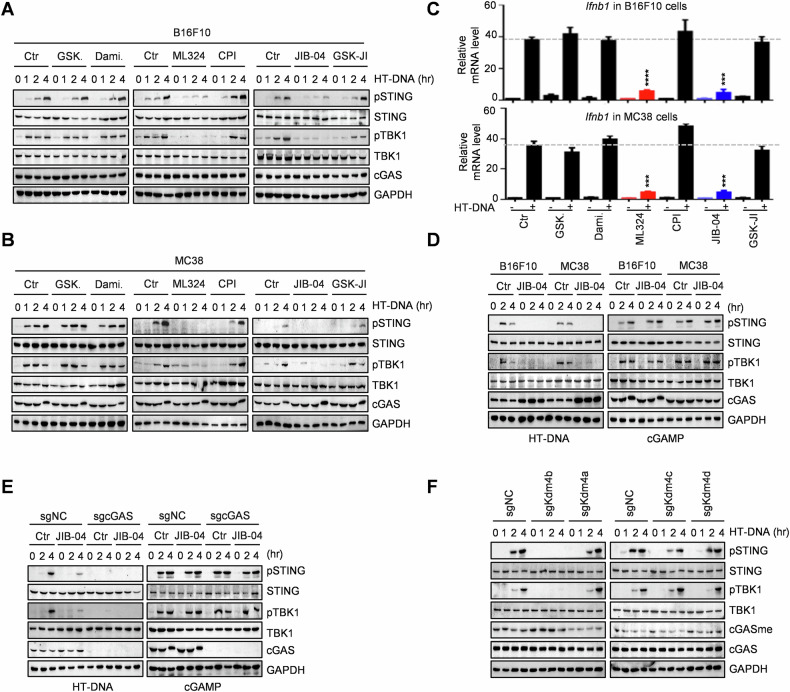 Figure 1
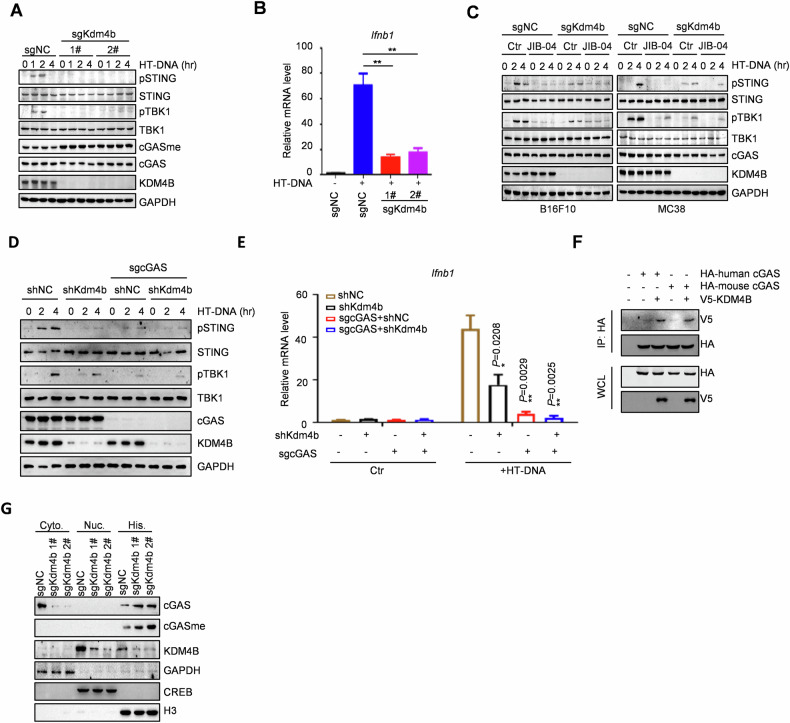 Figure 2
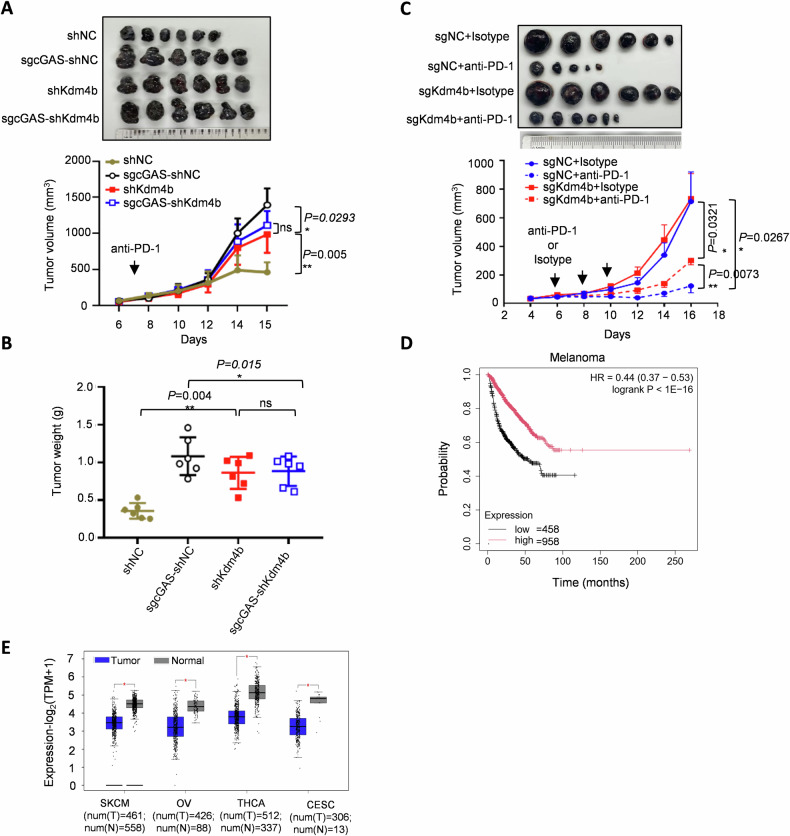 Figure 3
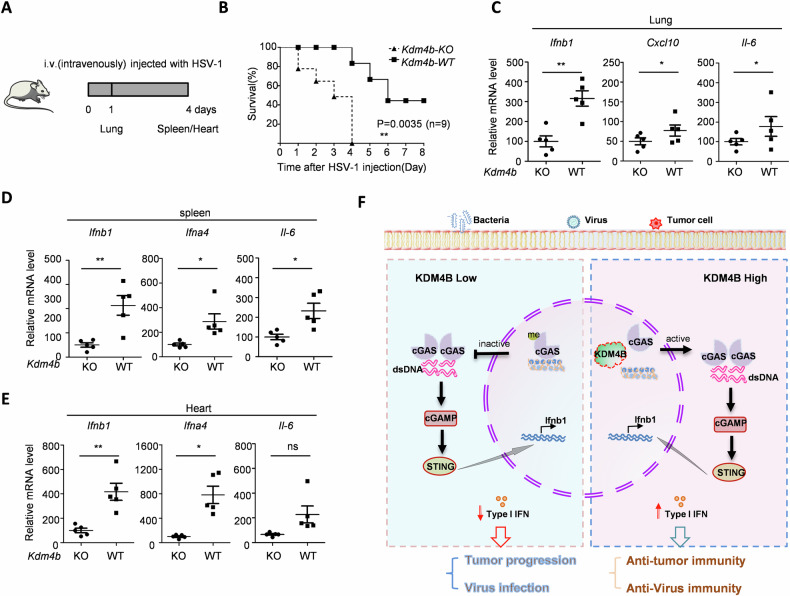 Figure 4
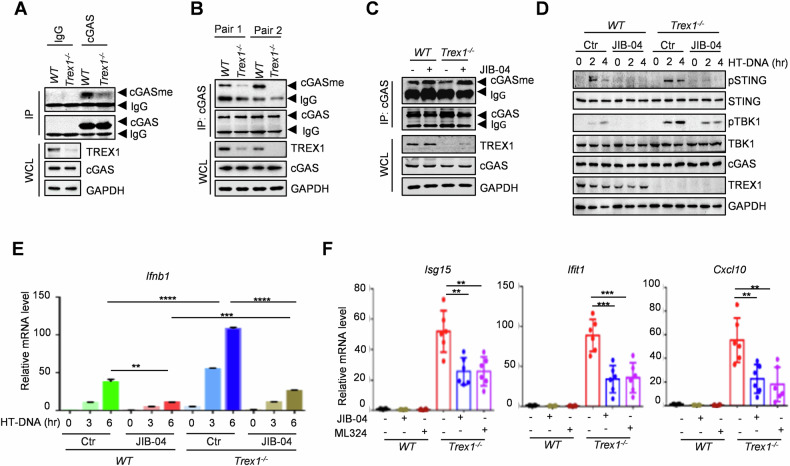 Figure 5
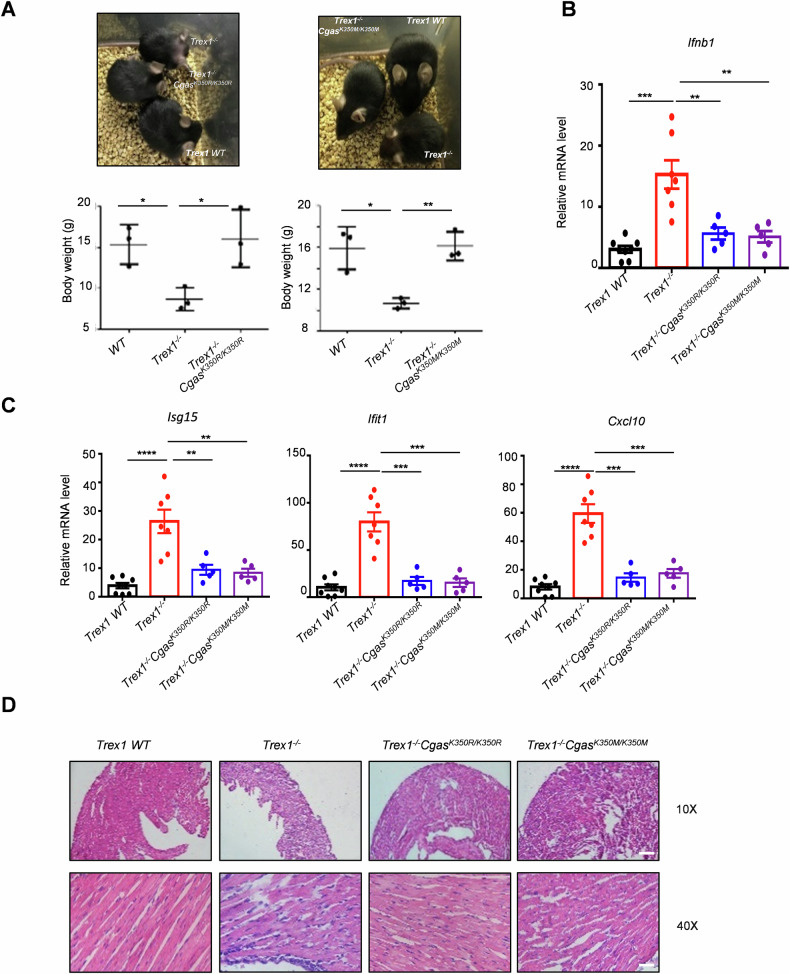 Figure 6
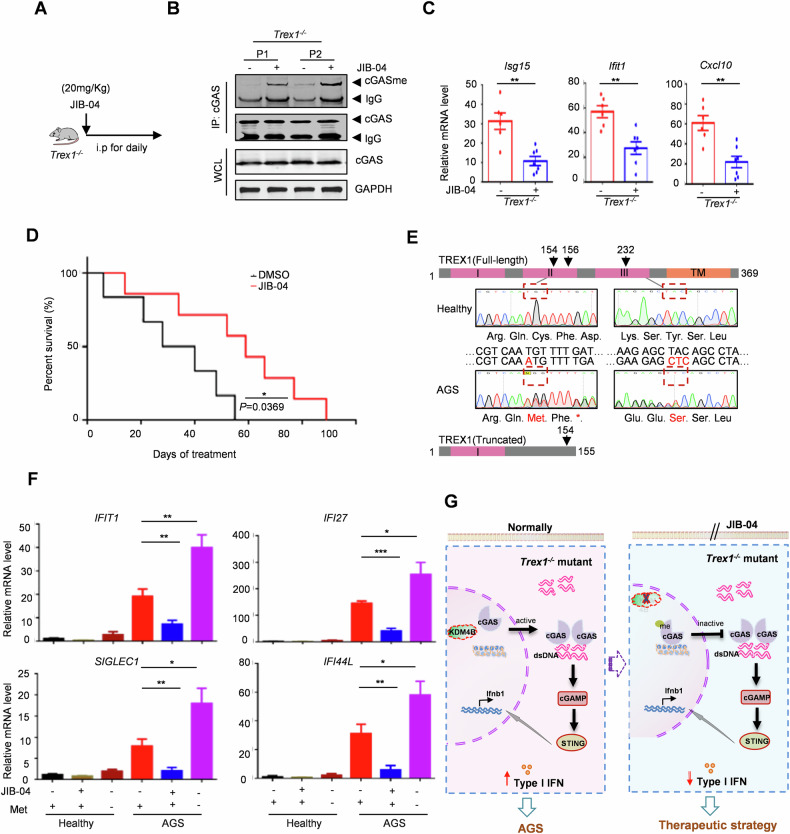 Figure 7
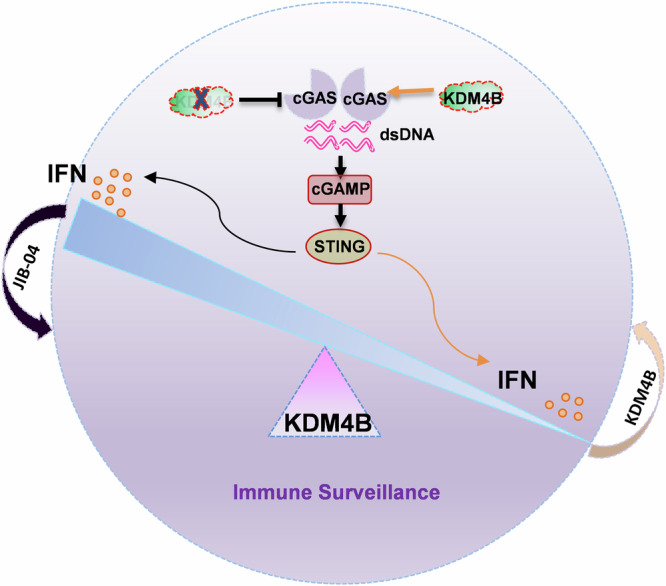 Figure 8
Peer Reviews
No public reviews on file for this paper yet. If you reviewed it on a platform where reviews are public (OpenReview, ICLR, NeurIPS, ICML), you can paste yours below so the community can read it here.
Videos
No videos yet. Explain this paper in a talk, walkthrough, or lecture? Add one.
Taxonomy
Topicsinterferon and immune responses · RNA modifications and cancer · Immune cells in cancer